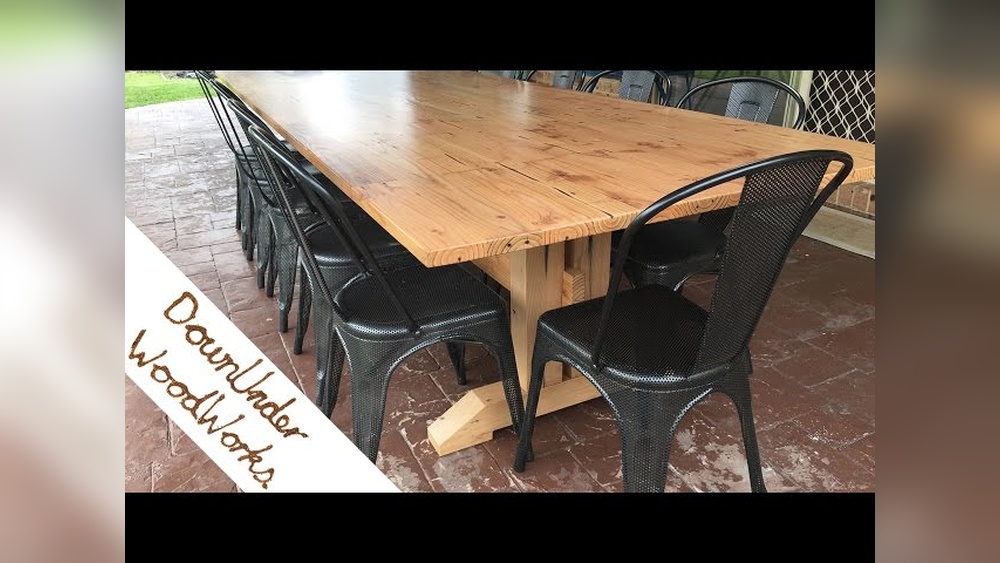
You want your Douglas fir outdoor furniture to look great and last for years. But how do you make sure it stays protected from sun, rain, and wear?
Finishing your furniture the right way is the key. You’ll discover simple, step-by-step tips to bring out the natural beauty of Douglas fir while keeping it strong against the elements. Whether you’re a beginner or just want better results, these easy techniques will help you finish your outdoor pieces like a pro.
Keep reading to transform your furniture into something truly stunning and durable.
Credit: duffieldtimber.com
Choosing The Right Finish
Choosing the right finish for Douglas fir outdoor furniture is key to protecting the wood. It also brings out the natural beauty of the grain. The finish you pick affects durability, color, and maintenance. Understanding different finishes helps you make a smart choice for your project.
Oil-based Vs. Water-based Finishes
Oil-based finishes soak deep into the wood. They give a warm, rich color that enhances the wood’s natural look. These finishes last longer but take more time to dry. They also have a stronger smell during application.
Water-based finishes dry quickly and have low odor. They keep the wood’s natural color lighter. These finishes clean up easily with soap and water. They may need more coats to build good protection outdoors.
Benefits Of Natural Oils
Natural oils like tung oil and linseed oil nourish the wood. They penetrate the fibers and prevent drying and cracking. These oils give a soft, matte finish that looks natural. They need regular reapplication to keep the wood protected.
Natural oils do not form a hard surface. This allows the wood to breathe and expand with weather changes. They are eco-friendly and safe for outdoor furniture.
Selecting The Best Sealant
A good sealant stops water and sun damage. It creates a barrier on the surface of the wood. Look for sealants labeled for outdoor use on softwoods like Douglas fir.
Some sealants have UV blockers to prevent color fading. Others offer mildew and mold resistance. Choose a sealant that matches your finish type. Proper sealing extends the life of your furniture outdoors.
Preparing The Wood Surface
Preparing the wood surface is the first step in finishing Douglas fir outdoor furniture. It helps the finish stick well and last longer. A smooth, clean, and even surface prevents problems like peeling and uneven color. Taking time to prepare the wood carefully gives your furniture a professional look and protects it from weather damage.
Sanding Techniques For Smoothness
Start sanding with medium grit sandpaper, around 120 grit. Sand along the grain to avoid scratches. Use a sanding block for flat surfaces and hand sand curves gently. After the first pass, switch to finer sandpaper, like 220 grit. This makes the wood very smooth and ready for finishing. Sanding removes rough spots and opens wood pores for better finish absorption.
Cleaning And Dust Removal
Remove all dust after sanding. Use a soft brush or cloth to wipe the surface. A tack cloth works well to pick up tiny particles. Dust left on wood can cause bumps and uneven finish. Clean the surrounding area to avoid dust settling back on the wood. Make sure the wood is dry before applying any finish.
Repairing Imperfections
Check the wood for cracks, holes, or dents. Use wood filler to fix small holes and cracks. Apply the filler with a putty knife and smooth it out. Let it dry completely before sanding again. For deep cracks, use wood glue and clamps to secure the wood. Proper repairs make the surface even and strong for finishing.
Applying The Finish
Applying the finish to your Douglas fir outdoor furniture protects the wood from weather damage. It also brings out the natural beauty of the grain and color. This step is essential to keep your furniture looking great for years.
Finishing Douglas fir requires patience and care. Using the right tools and following a clear process helps you get the best results. Drying and curing times are important to ensure the finish lasts long.
Tools And Materials Needed
- Fine-grit sandpaper (220 grit)
- Clean, lint-free cloths
- Paintbrush or foam brush
- Wood stain or outdoor wood finish
- Protective gloves
- Drop cloth or newspaper
- Mineral spirits (for cleaning brushes)
Step-by-step Application Process
Start by sanding the furniture lightly to smooth the surface. Wipe away all dust using a clean cloth. Stir the finish thoroughly before use.
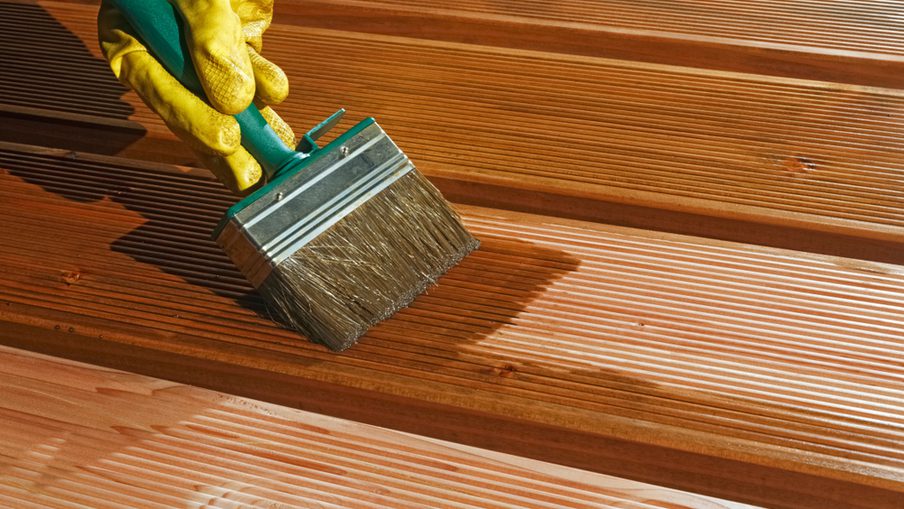
Apply the finish with a brush or cloth following the wood grain. Use thin, even coats to avoid drips or puddles. Let the first coat dry completely.
Lightly sand the surface between coats with fine sandpaper. This helps the next coat stick better. Apply at least two coats for good protection.
Drying And Curing Times
Allow each coat to dry for 4 to 6 hours. Avoid touching or placing objects on the furniture during this time. Full curing may take up to 72 hours.
Keep the furniture in a dry, shaded area while curing. This helps the finish harden well and resist damage. After curing, your furniture is ready for outdoor use.
Maintenance Tips For Longevity
Maintaining Douglas fir outdoor furniture extends its life and keeps it looking good. Simple care steps protect the wood from damage. These tips make your furniture last through many seasons. Follow them to enjoy your pieces longer.
Regular Cleaning Practices
Clean your furniture often to remove dirt and dust. Use a soft brush or cloth with mild soap and water. Avoid harsh chemicals that can harm the wood. Rinse well and let the furniture dry in the shade. Regular cleaning stops grime from building up.
Reapplying Finish Over Time
Check the finish every year for signs of wear. Sand lightly before applying a new coat of finish. Choose a finish made for outdoor wood like varnish or oil. Reapplying finish keeps the wood protected and fresh. This step is key for long-lasting beauty.
Protecting Against Weather Damage
Keep furniture covered when not in use. Use waterproof covers to shield from rain and sun. Move pieces indoors during harsh weather or winter. Avoid placing furniture directly on wet ground. These actions help prevent warping, cracking, and fading.
Common Mistakes To Avoid
Finishing Douglas fir outdoor furniture requires care and attention. Avoiding common mistakes helps your wood last longer and look better. Simple errors can cause peeling, uneven color, or weak protection. Learn the key mistakes to skip for a smooth, durable finish.
Over-application Issues
Applying too much finish creates sticky, uneven layers. Thick coats dry slowly and trap moisture inside the wood. This leads to peeling and cracking over time. Use thin, even coats and let each layer dry fully before adding more. Patience improves the final look and strength.
Ignoring Wood Grain Direction
Brushing against the grain makes rough surfaces and streaks. The finish does not soak in evenly, causing blotches. Always follow the wood grain with your brush or cloth. This helps the finish penetrate well and creates a smooth, natural appearance.
Skipping Surface Preparation
Failing to clean and sand the wood causes poor finish adhesion. Dirt, dust, or rough spots stop the finish from sticking properly. Sand the furniture with fine grit paper and wipe off all dust. Clean, smooth wood ensures the finish lasts longer and looks great.
Credit: weltevree.eu

Credit: wrighttimberframe.com
Frequently Asked Questions
How Do I Prepare Douglas Fir For Outdoor Finishing?
Start by sanding the wood smooth with fine-grit sandpaper. Clean off dust and debris thoroughly. This ensures better finish adhesion and a smooth surface.
What Type Of Finish Is Best For Douglas Fir Outdoor Furniture?
Use a high-quality exterior wood sealer or spar varnish. These finishes protect against moisture, UV rays, and weather damage while enhancing natural wood grain.
How Often Should I Refinish Douglas Fir Outdoor Furniture?
Refinish every 1-2 years, depending on weather exposure. Regular maintenance keeps the wood protected and looking fresh, extending furniture life.
Can I Use Paint Instead Of Stain On Douglas Fir?
Yes, exterior paint provides strong protection and color options. However, it hides the natural wood grain, unlike stains or clear finishes.
Conclusion
Finishing Douglas fir outdoor furniture protects wood and boosts its beauty. Choose the right finish based on your furniture’s use and location. Apply each coat evenly and let it dry well before the next. Regular maintenance keeps your furniture looking fresh for years.
With simple steps, your Douglas fir pieces will stay strong and attractive. Enjoy your outdoor space with furniture that lasts and shines.


