
Your outdoor teak furniture is more than just a place to sit—it’s an investment in comfort and style that should last for years. But without proper care, the natural beauty of teak can fade, crack, or become damaged by weather.
You might wonder, how can you protect your teak pieces so they stay looking fresh and inviting? The answer lies in sealing your outdoor teak furniture. You’ll discover simple, effective steps to seal your teak and keep it looking its best, no matter the season.
Ready to give your furniture the protection it deserves? Let’s dive in.
Choosing The Right Sealant
Choosing the right sealant is key to protecting outdoor teak furniture. It keeps the wood looking fresh and stops damage from sun and rain. Picking a sealant can feel tricky with many options. Knowing the types and benefits helps find the best fit for your teak pieces.
Types Of Sealants For Teak
Sealants for teak mainly fall into two groups: oils and varnishes. Oil sealants soak into the wood and keep it nourished. Varnishes create a protective layer on top. Each type changes the look and feel of teak differently. Oils keep a natural look, while varnishes add shine and hardness.
Oil-based Vs. Water-based Options
Oil-based sealants give deep protection and bring out wood color. They last longer but take more time to dry. Water-based sealants dry fast and have less smell. They are easier to clean up with soap and water. Both work well, so choice depends on your needs and patience.
Eco-friendly Sealants
Eco-friendly sealants protect teak without harming the environment. They use natural oils and fewer chemicals. These sealants are safe for children and pets. They often have a mild scent and dry quickly. Choosing green products helps keep your outdoor space healthy.

Credit: www.amazon.com
Preparing Teak Furniture
Preparing teak furniture is the first step to a long-lasting seal. It ensures the wood is clean, smooth, and ready to absorb the sealant well. Proper preparation helps protect the wood and keeps it looking fresh for years.
Cleaning And Drying
Start by removing dirt and grime from the teak surface. Use a soft brush and mild soap mixed with water. Scrub gently to avoid damaging the wood. Rinse thoroughly with clean water. Let the furniture dry completely in the sun. Dry wood absorbs sealant better and lasts longer.
Sanding For Smoothness
Check the surface for rough spots or old finishes. Lightly sand the wood using fine-grit sandpaper. Sand along the grain to avoid scratches. This step opens the wood pores, helping the sealant stick well. Wipe off the dust with a clean cloth before sealing.
Repairing Damages
Look for cracks, splits, or loose joints in the wood. Fill small cracks with teak wood filler or epoxy. Let the filler dry fully before sanding it smooth. Tighten any loose screws or joints. Repairing damages ensures the furniture stays strong and sealed properly.
Applying Sealant Effectively
Applying sealant to outdoor teak furniture protects it from weather damage. It helps keep the wood looking fresh and strong. The process is simple but needs care. Doing it right makes the sealant last longer and work better.
Tools You Need
- Clean, soft cloths or brushes
- Quality teak sealant
- Sandpaper (fine grit)
- Gloves to protect your hands
- Drop cloth or old newspapers
Step-by-step Application
- Start by sanding the teak surface lightly.
- Wipe away all dust with a clean cloth.
- Put on gloves to keep your hands clean.
- Apply sealant evenly using a brush or cloth.
- Work in the direction of the wood grain.
- Let the sealant soak in for about 15 minutes.
- Wipe off any extra sealant with a dry cloth.
- Allow the furniture to dry for 24 hours.
Tips For Even Coverage
- Apply sealant in thin, consistent layers.
- Use smooth, long strokes along the wood grain.
- Check for missed spots and reapply if needed.
- Avoid pooling or thick patches of sealant.
- Work in shaded, dry areas to prevent quick drying.
- Clean tools immediately after use for reuse.
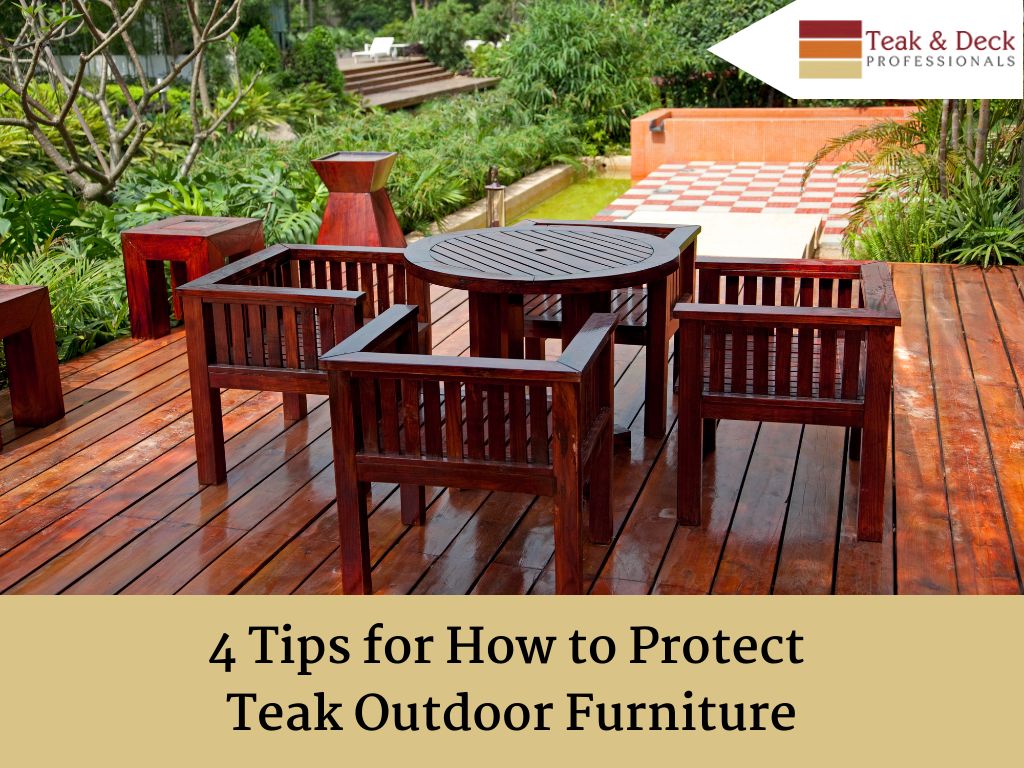
Credit: teakanddeck.com
Maintaining Sealed Teak Furniture
Maintaining sealed teak furniture keeps it looking great for years. Proper care protects the wood and preserves its natural beauty. It also helps the sealant last longer and keeps the furniture strong against damage.
Regular Cleaning Routine
Clean teak furniture often to remove dirt and dust. Use a soft brush or cloth with mild soap and water. Avoid harsh chemicals that can harm the sealant and wood. Rinse well and dry completely to stop moisture buildup. Regular cleaning prevents mold and stains from forming.
Reapplying Sealant
Sealant wears off over time due to sun and rain exposure. Check your furniture every six months for signs of fading or dullness. Lightly sand the surface before applying a new sealant coat. Use a high-quality teak oil or sealant made for outdoor wood. Reapplying keeps the wood protected and maintains its rich color.
Protecting From Weather Elements
Cover teak furniture during heavy rain or snow. Use waterproof covers that allow air circulation to avoid mold. Move furniture to a shaded area in extreme heat or cold. This reduces cracking and warping from weather changes. Proper protection helps the sealant and wood last longer outdoors.
Common Mistakes To Avoid
Sealing outdoor teak furniture helps keep it beautiful and strong. Many people make mistakes that can hurt the wood or waste time. Avoiding these errors makes your sealing job last longer and look better. Learn what common mistakes to watch for below.
Skipping Preparation Steps
Good sealing starts with proper cleaning and drying. Dirt or old finish blocks sealant from soaking in. Sanding rough spots smooths the wood for better sealant grip. Skipping these steps causes uneven sealing and peeling later. Take time to clean, dry, and sand before sealing.
Using Wrong Sealants
Not all sealants work well on teak wood. Some sealants crack or peel under sun and rain. Choose sealants made for hardwood and outdoor use. Using cheap or wrong products wastes money and effort. Read labels and pick sealants designed for teak furniture.
Over-sealing Issues
Applying too many sealant layers can trap moisture inside the wood. This causes wood to swell and split over time. One or two thin layers are enough. Let each layer dry fully before adding more. Avoid heavy coats to keep teak healthy and strong.

Credit: teakanddeck.com
Frequently Asked Questions
How Often Should I Seal Outdoor Teak Furniture?
Seal outdoor teak furniture every 6 to 12 months. This maintains protection against moisture and UV damage. Regular sealing preserves the wood’s natural beauty and extends its lifespan. Check for dryness or color fading as signs to reseal.
What Type Of Sealer Is Best For Teak Wood?
Use a high-quality teak oil or a specialized teak sealer. These products penetrate the wood, enhancing durability and water resistance. Avoid harsh chemicals that can damage teak. Always choose sealers designed specifically for outdoor teak furniture.
Can I Seal Teak Furniture Without Sanding It First?
Light sanding is recommended before sealing teak furniture. It removes dirt, old finish, and opens wood pores for better sealer absorption. If the surface is smooth and clean, minimal sanding may suffice. Proper preparation ensures a longer-lasting seal.
Should I Clean Teak Furniture Before Sealing?
Yes, always clean teak furniture thoroughly before sealing. Use a teak cleaner or mild soap with water to remove dirt and mildew. Clean surfaces ensure better sealer adhesion and a smoother finish. Allow the furniture to dry completely before sealing.
Conclusion
Sealing outdoor teak furniture protects it from weather damage. It keeps the wood looking fresh and natural. Regular sealing stops cracks and warping over time. Clean the furniture well before applying any sealant. Use a brush or cloth for even coverage.
Let the sealant dry fully before use. This simple care extends your teak’s life and beauty. Enjoy your outdoor space with strong, lasting furniture. Small steps make a big difference in upkeep. Keep sealing your teak every year to stay safe.
