Are your outdoor wood furniture pieces looking tired and worn out? You don’t have to replace them to give your space a fresh new look.
With the right steps, you can transform your old furniture into vibrant, eye-catching pieces that stand up to the weather. This guide will show you exactly how to paint outdoor wood furniture, using clear tips and tricks that anyone can follow.
Plus, we’ll point you to helpful YouTube videos that make the process even easier. Ready to bring your furniture back to life? Keep reading and discover how simple it can be!
Choosing The Right Paint
Choosing the right paint is key to a successful outdoor wood furniture project. The paint protects wood from weather damage and gives your furniture a fresh look. Picking the right paint type, finish, and color helps your furniture last longer and look great.
Types Of Paint For Outdoor Wood
Latex paint is popular for outdoor wood. It dries fast and cleans up with water. It also resists cracking and peeling.
Oil-based paint offers strong protection. It takes longer to dry but is very durable. It works well on older furniture with rough surfaces.
Acrylic paint is flexible and resists fading. It sticks well to wood and handles sunlight and rain.
Selecting The Best Finish
Matte finish hides imperfections well. It gives a smooth, non-shiny look. It is good for rustic styles.
Satin finish has a soft shine. It cleans easily and hides dirt. It suits most outdoor furniture.
Glossy finish shines bright and highlights wood grain. It is easy to wipe clean but shows scratches more.
Color Choices And Durability
Light colors reflect sunlight and keep furniture cooler. They fade less under sun exposure.
Dark colors absorb heat and may fade faster. They show dirt and dust more clearly.
Bright colors make furniture stand out. They add personality but may need touch-ups often.
Preparing The Furniture
Preparing outdoor wood furniture properly is key for a long-lasting paint job. Clean surfaces and smooth finishes help paint stick well. Fixing damages makes the furniture look great and last longer. Follow these steps before painting.
Cleaning And Removing Old Paint
Start by cleaning the furniture with soap and water. Use a scrub brush to remove dirt and grime. Rinse well and let it dry completely. Remove old paint with a paint scraper or chemical stripper. This helps new paint stick better and look smooth.
Sanding For Smooth Surfaces
Sand the wood with medium-grit sandpaper to smooth rough spots. Sand edges and corners carefully to avoid damage. Use fine-grit sandpaper for a smooth finish. Wipe away dust with a damp cloth to prepare for painting.
Repairing Damages And Imperfections
Check for cracks, holes, or loose joints. Use wood filler to fill holes and cracks. Let the filler dry fully, then sand smooth. Tighten loose screws or glue joints. These repairs make the furniture strong and ready for paint.
Gathering Necessary Tools
Before starting to paint outdoor wood furniture, gather all necessary tools. Having the right supplies helps the job go smoothly. It saves time and prevents mistakes. You will need brushes, rollers, primers, sealants, and safety gear. Each tool plays an important role in the painting process.
Brushes And Rollers
Choose brushes with natural or synthetic bristles. Use angled brushes for corners and detailed areas. Flat brushes work well on flat surfaces. Rollers cover large areas quickly and evenly. Foam rollers give a smooth finish on wood. Pick sizes that fit your furniture pieces.
Primers And Sealants
Primers prepare the wood for paint. They help paint stick better and last longer. Use a primer designed for outdoor wood. Sealants protect the paint from weather damage. Look for water-resistant or waterproof sealants. Apply sealant after painting to keep furniture safe.
Safety Gear Essentials
Wear gloves to protect your hands from chemicals. Use a mask to avoid inhaling fumes or dust. Safety glasses keep your eyes safe from splashes. Work in a well-ventilated area to reduce fumes. Dress in old clothes that cover your skin.
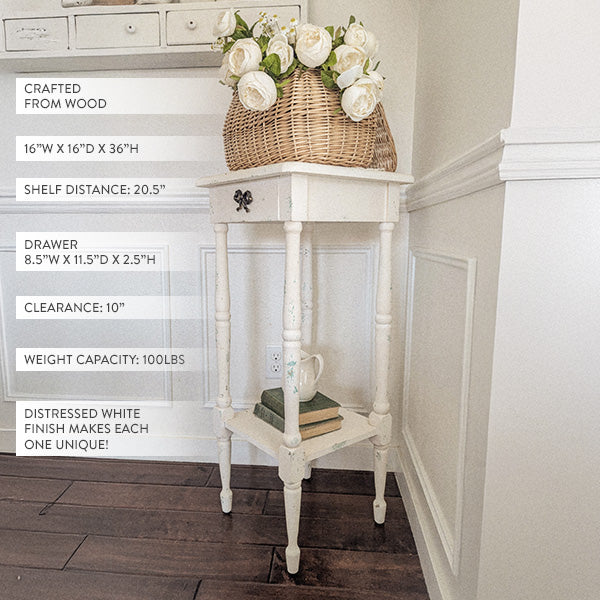
Credit: www.decorsteals.com
Step-by-step Painting Process
Painting outdoor wood furniture can change its look and protect it from weather. Follow each step carefully for the best results. This process ensures the paint lasts longer and looks smooth. A well-painted piece brightens your outdoor space.
Applying Primer Correctly
Start with a clean surface. Sand the wood to remove rough spots. Use a brush or roller to apply primer evenly. Cover every part, especially edges and corners. Primer helps paint stick better and stops wood damage. Let the primer dry fully before painting.
Painting Techniques For Even Coats
Choose a good-quality outdoor paint. Use a brush or roller based on furniture size. Paint in long, smooth strokes to avoid streaks. Apply thin coats to prevent drips and bubbles. Two or three coats give the best color and protection. Wait between coats for a neat finish.
Allowing Proper Drying Time
Drying time is very important. Check paint instructions for exact times. Avoid touching or moving furniture too soon. Drying in warm, dry weather is faster. Proper drying keeps paint strong and stops peeling. Patience pays off in a beautiful result.
Sealing And Protecting
Sealing and protecting outdoor wood furniture is key to keep it looking fresh and strong. Paint alone cannot stop damage from sun, rain, or dirt. A good sealant forms a shield that blocks moisture and reduces wear. It also helps the paint last longer without peeling or fading.
Understanding the right sealant and how to apply it is important. Proper care after sealing extends the life of your furniture. Let’s explore how to choose the sealant, apply protective coatings, and maintain your furniture.
Choosing The Right Sealant
Pick a sealant designed for outdoor use. Look for water-resistant or waterproof formulas. Clear sealants keep the paint color bright. Some sealants also offer UV protection to stop fading.
Options include polyurethane, varnish, and spar urethane. Check if the sealant is safe for painted surfaces. Read product labels to match the sealant with your paint type.
Applying Protective Coatings
Apply sealant in thin, even layers. Use a clean brush or foam applicator. Avoid thick coats that can drip or bubble. Let each coat dry fully before adding the next.
Cover all surfaces, including edges and undersides. These areas often face moisture. Follow the manufacturer’s drying times for best results.
Maintenance Tips For Longevity
Clean your furniture regularly to remove dirt and grime. Use mild soap and water, then dry well. Check for chips or cracks in the sealant.
Touch up worn spots with extra sealant. Store furniture indoors or cover during harsh weather. This keeps your wood safe and looking good longer.

Credit: www.youtube.com
Common Mistakes To Avoid
Painting outdoor wood furniture can refresh its look and protect it from damage. Yet, certain mistakes can ruin your work and waste time. Avoid these common errors to get the best result. Simple steps make a big difference in the final look and durability.
Skipping Surface Preparation
Surface preparation is key. Dirt, old paint, and rough spots prevent paint from sticking well. Clean the furniture thoroughly. Sand the wood to create a smooth surface. Without this step, paint peels off fast. Take time to prepare. It saves effort later.
Using Inappropriate Paint Types
Not all paint suits outdoor wood. Use paint designed for outdoor use. It resists weather and lasts longer. Interior paint cracks and fades quickly outside. Choose oil-based or acrylic paint for wood. Avoid cheap paints. They do not protect well.
Ignoring Weather Conditions
Weather affects paint drying and finish. Paint on dry, mild days. Avoid painting in rain or high humidity. Too cold or hot weather harms paint quality. Check the forecast before starting. Proper weather means smooth, even coats.
Tips For A Professional Finish
Achieving a professional finish on outdoor wood furniture requires attention to detail. Small steps can make a big difference in the final look. Proper techniques help paint last longer and look smooth. Follow these tips for a clean, lasting finish.
Working In Ideal Weather
Choose a dry day with mild temperatures. Avoid painting in direct sunlight or high humidity. Extreme heat or cold can cause paint to dry too fast or too slow. A calm day without wind prevents dust from sticking to wet paint. These conditions help paint dry evenly and stick well.
Layering And Sanding Between Coats
Apply thin, even coats of paint. Thick layers may drip or crack later. Wait for each coat to dry fully before adding the next. Lightly sand between coats with fine-grit sandpaper. This smooths the surface and helps the next layer stick better. Clean off dust after sanding for a perfect base.
Final Touches And Inspection
Check the furniture for missed spots or rough areas. Use a small brush to fix any imperfections. Let the last coat dry completely before using the furniture. Add a clear sealant for extra protection if desired. This step ensures a durable, polished look that lasts through seasons.
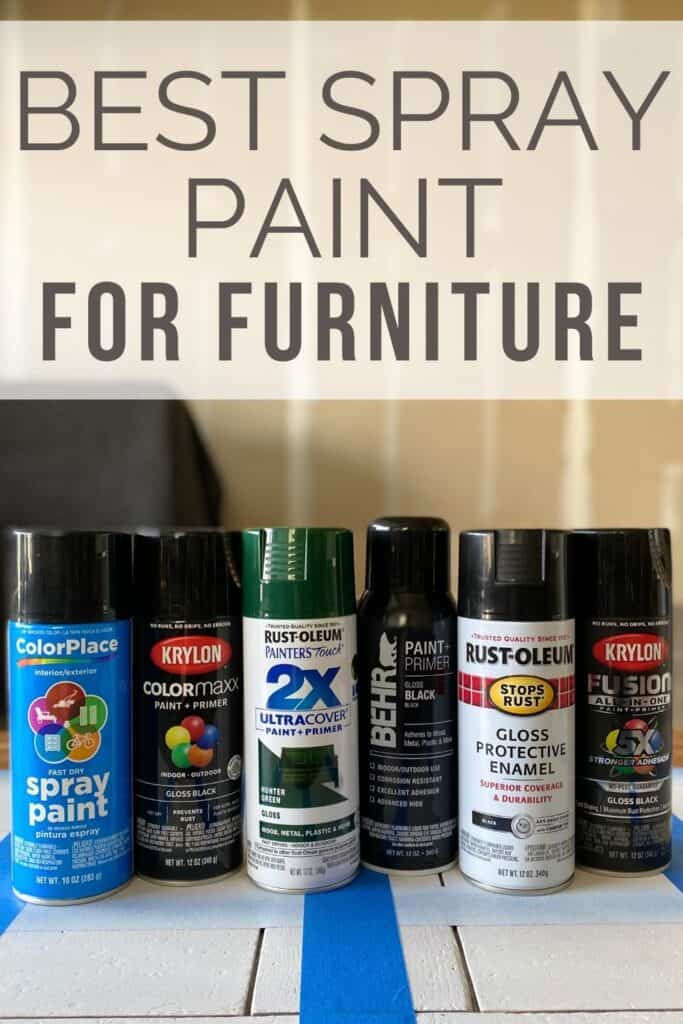
Credit: arayofsunlight.com
Frequently Asked Questions
How Do I Prepare Wood Furniture For Outdoor Painting?
Clean the furniture thoroughly to remove dirt and debris. Sand the surface to smooth imperfections. Apply a primer suitable for outdoor wood to ensure paint adhesion and durability.
What Type Of Paint Is Best For Outdoor Wood Furniture?
Use exterior-grade acrylic latex paint for durability and weather resistance. It withstands moisture, sunlight, and temperature changes. Choose paint labeled specifically for outdoor wood surfaces.
How Many Coats Of Paint Should I Apply Outdoors?
Apply two to three thin coats for even coverage and protection. Allow each coat to dry completely before applying the next. This ensures a long-lasting and smooth finish.
Can I Paint Outdoor Wood Furniture Without Sanding?
Sanding is recommended to remove old finish and create a smooth surface. It helps paint adhere better and prevents peeling. Skipping sanding may reduce paint durability.
Conclusion
Painting outdoor wood furniture can be simple and fun. Follow the steps carefully for best results. Clean and sand the wood well before painting. Choose paint made for outdoor use to last longer. Let each coat dry fully before adding the next.
Protect your furniture from rain and sun after painting. With patience and care, your furniture will look fresh and bright. Enjoy your beautiful outdoor space with your newly painted wood pieces. Keep practicing to improve your skills over time. Painting wood outside is a great way to refresh your home.