Is your metal outdoor furniture looking dull, rusty, or worn out? You don’t have to replace it just yet.
With a little effort and the right steps, you can give your furniture a fresh, vibrant look that lasts. Repainting metal outdoor furniture not only restores its beauty but also protects it from the elements. In this guide, you’ll discover simple techniques to transform your old pieces into eye-catching additions to your outdoor space.
Ready to bring your furniture back to life? Let’s get started!
Credit: www.maisondepax.com
Preparing The Furniture
Preparing metal outdoor furniture before repainting is a key step. It makes sure the new paint will stick well and last longer. Taking time to prepare the surface can save effort later. Clean, smooth, and fixed furniture looks better and resists weather damage.
Cleaning Dirt And Rust
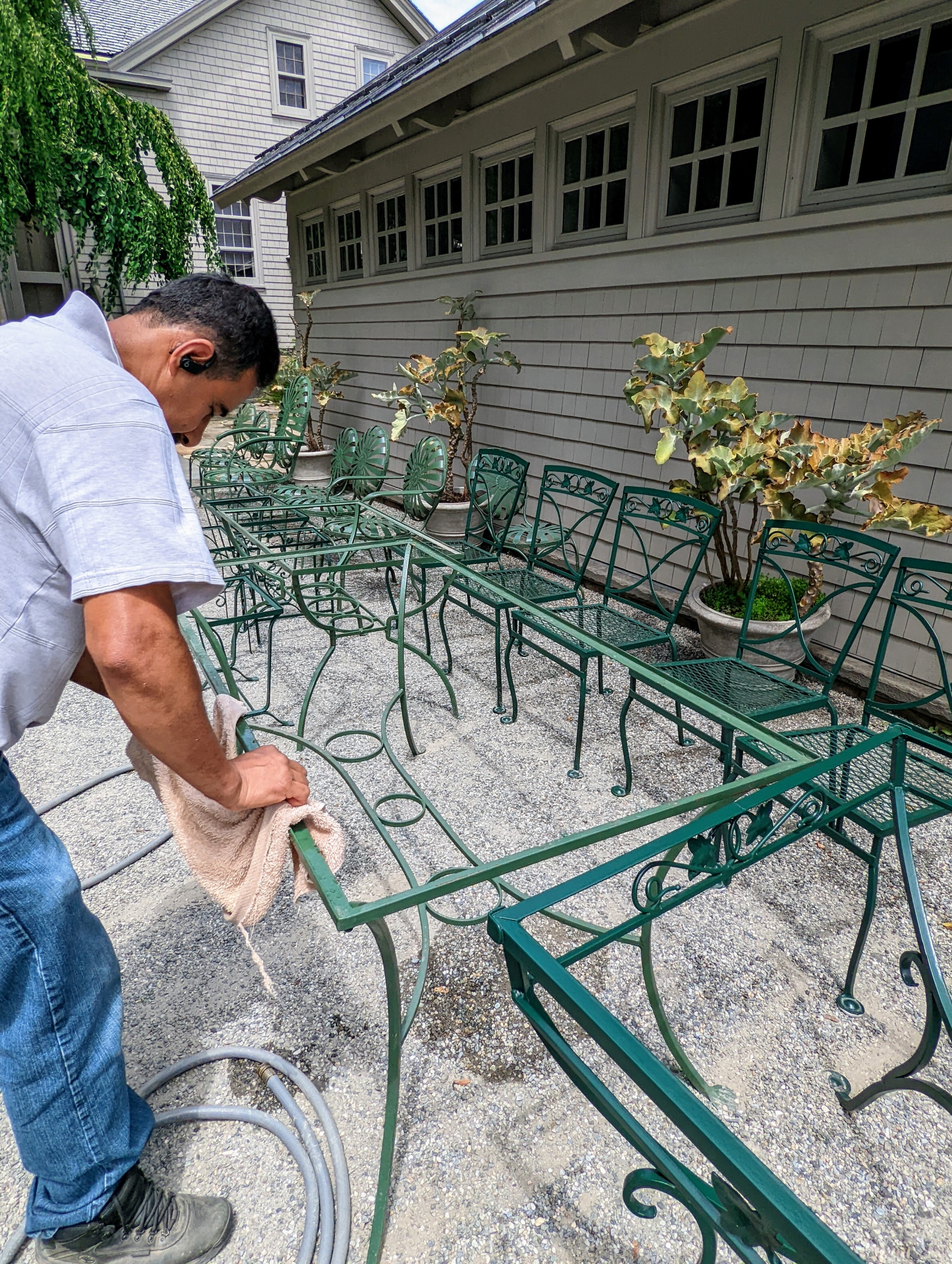
Start by removing dirt, dust, and loose rust. Use a brush or cloth with warm soapy water. Scrub all surfaces carefully. For rust, apply a rust remover or use a wire brush. Clean the furniture thoroughly and rinse with water. Let it dry completely before the next step.
Sanding For Smooth Surface
Sanding helps paint stick better and creates a smooth finish. Use medium-grit sandpaper to remove old paint flakes and rough spots. Sand until the metal feels smooth to touch. Wipe the furniture with a damp cloth to remove dust. Allow it to dry well before painting.
Repairing Damages
Check the furniture for dents, holes, or cracks. Use metal filler or epoxy putty to fix these problems. Apply the filler evenly and let it dry fully. After drying, sand the repaired areas until smooth. This step ensures a clean and even surface for painting.

Credit: www.fromhousetohome.com
Choosing The Right Paint
Choosing the right paint for metal outdoor furniture is key to a long-lasting finish. The paint must protect against rust and weather damage. It also should stick well to metal surfaces. Selecting the correct paint type, primer, and color improves the look and durability of your furniture.
Types Of Outdoor Paint
Use paint made specifically for metal and outdoor use. Enamel paint is tough and water-resistant. It works well on metal surfaces. Acrylic paint is another option. It dries quickly and handles weather changes. Oil-based paint gives a smooth finish and resists rust. Choose paint that resists fading and cracking under sunlight.
Selecting Suitable Primer
Primer helps paint stick better to metal. It also blocks rust and corrosion. Use a rust-inhibiting primer for old or rusty furniture. This creates a strong base for the topcoat. Apply primer evenly and let it dry fully. Skipping primer may cause paint to peel or chip quickly.
Color Options
Pick colors that match your outdoor style. Light colors reflect heat and stay cooler. Dark colors hide dirt and stains well. Bright colors can add a fresh, lively look. Matte finishes hide imperfections better. Glossy finishes shine and highlight details. Choose colors that complement your garden or patio.
Painting Techniques
Painting metal outdoor furniture needs careful techniques for best results. Good painting protects the metal and makes it look new. Choosing the right method helps the paint last longer and resist weather damage.
Use tools and steps that suit metal surfaces well. Prepare the furniture, then apply paint evenly and in layers. This section explains key painting techniques to repaint metal furniture correctly.
Applying Primer
Primer creates a strong base for paint on metal. It stops rust and helps paint stick better. Clean the furniture before applying primer. Use a brush or spray to cover all areas. Let the primer dry fully before painting.
Using Brushes And Sprayers
Brushes are good for small or detailed parts. They let you control paint thickness. Sprayers cover large areas quickly and evenly. Hold sprayers steady to avoid drips. Choose the tool based on furniture size and your comfort.
Multiple Coats For Durability
Applying several paint coats makes the finish stronger. Thin layers dry faster and prevent runs. Wait for each coat to dry before adding the next. Two or three coats usually give the best protection and color depth.
Finishing Touches
Finishing touches are very important after repainting metal outdoor furniture. They protect the paint and keep your furniture looking new. Proper finishing makes the paint last longer and helps avoid rust or damage. Follow these steps to complete your project perfectly.
Sealing The Paint
Sealing the paint protects it from water and sun damage. Use a clear sealant made for metal surfaces. Apply it evenly with a brush or spray. Let the sealant dry completely before using the furniture. This step stops the paint from chipping or fading.
Drying And Curing Time
Drying time is how long the paint feels dry to touch. Curing time is how long the paint takes to harden fully. Allow at least 24 hours for drying. Wait 3 to 7 days for curing before heavy use. Keep the furniture in a dry place during this time.
Maintenance Tips
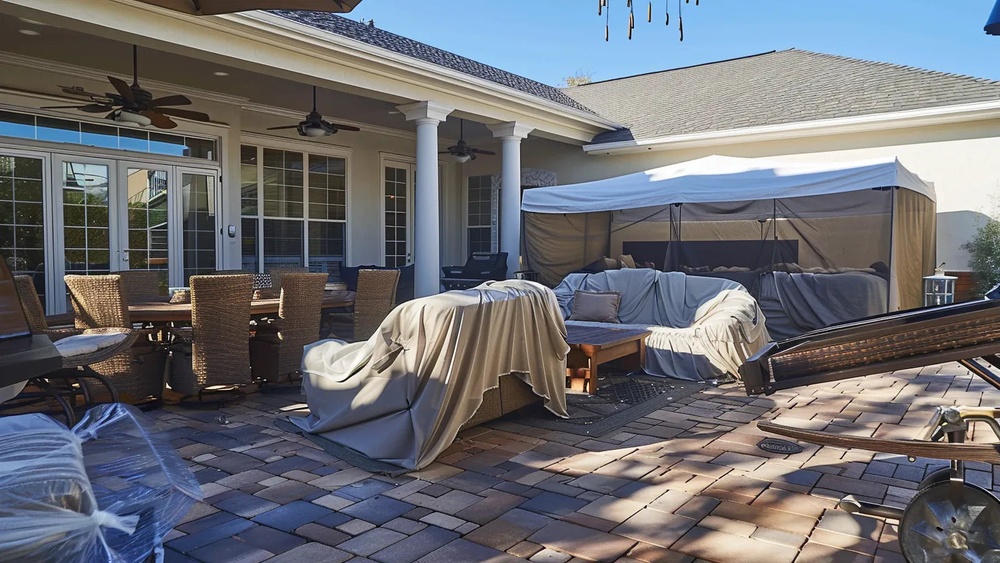
Clean your furniture regularly with mild soap and water. Avoid abrasive cleaners that can damage the paint. Cover furniture when not in use to protect it from weather. Check for chips or scratches and touch them up quickly. This keeps the paint strong and furniture looking good.
Credit: www.themarthablog.com
Frequently Asked Questions
How Do I Prepare Metal Furniture For Repainting?
Start by cleaning the furniture with soap and water. Remove rust with a wire brush or sandpaper. Wipe down the surface to remove dust. This ensures paint adheres properly and lasts longer.
What Type Of Paint Is Best For Metal Furniture?
Use rust-resistant spray paint or enamel paint designed for metal. These paints provide durability and protect against weather elements. Choose outdoor-specific options for longer-lasting results.
How Many Coats Of Paint Should I Apply?
Apply two to three thin coats for even coverage. Allow each coat to dry fully before applying the next. Multiple coats improve durability and prevent peeling.
Can I Repaint Metal Furniture Without Sanding?
Sanding is highly recommended to remove rust and smooth the surface. Skipping sanding may cause paint to peel or chip quickly. Proper prep ensures a professional finish.
Conclusion
Repainting metal outdoor furniture brings new life and charm. Clean the surface well for best results. Choose paint made for metal to ensure durability. Apply thin, even coats to avoid drips and runs. Let each layer dry fully before the next.
A fresh coat protects against rust and weather damage. Enjoy your refreshed furniture for many seasons ahead. Simple steps make a big difference in appearance and strength. Take your time and follow the process carefully. Your outdoor space will look neat and inviting again.