
If you want your outdoor wood furniture to stay beautiful and last longer, choosing the right oil is key. But with so many options out there, it’s easy to feel confused about what oil to use.
You might wonder which one protects your wood from weather damage, enhances its natural beauty, and keeps it looking fresh year after year. This guide will help you find the perfect oil for your outdoor wood furniture, so you can enjoy a warm, inviting space without worrying about wear and tear.
Keep reading to discover the simple secrets to making your wood shine and stay strong through every season.
Credit: www.joalexander.co.uk
Choosing The Right Oil
Choosing the right oil for outdoor wood furniture protects the wood and keeps it looking fresh. The right oil prevents damage from rain, sun, and dirt. It also helps the wood last longer without cracking or fading. Understanding different oils and their effects is important. This guide explains types of oils, natural versus synthetic options, and key factors to consider.
Types Of Oils For Wood
Oils for wood come in several types. Teak oil is popular for hardwoods. It penetrates deep and protects against water. Linseed oil is another common choice. It enhances color and grain but dries slowly. Tung oil is natural and water-resistant. It forms a hard finish on the surface. Some oils mix solvents to speed drying. Each type suits different wood and climates.
Natural Vs. Synthetic Oils
Natural oils come from plants and seeds. They soak into the wood and feed it. These oils keep the wood looking natural. Synthetic oils have added chemicals. They often create a stronger, harder layer. Synthetic oils can resist stains and UV rays better. Natural oils need more frequent application. Synthetic oils may last longer but can change the wood’s appearance.
Factors To Consider
Consider the wood type before choosing oil. Hardwoods need oils that penetrate deeply. Softwoods benefit from oils that form protective layers. Think about exposure to sun and rain. High sun exposure needs UV resistance. Frequent rain needs water-repellent oils. Also, check drying time for convenience. Some oils dry fast, others take days. Choose oil based on maintenance effort and wood care needs.
Popular Oils For Outdoor Wood
Choosing the right oil protects outdoor wood furniture from weather damage. Oils penetrate wood and keep it strong and beautiful. Many popular oils suit different wood types and climates. Each oil has unique qualities that help wood last longer outdoors.
Teak Oil
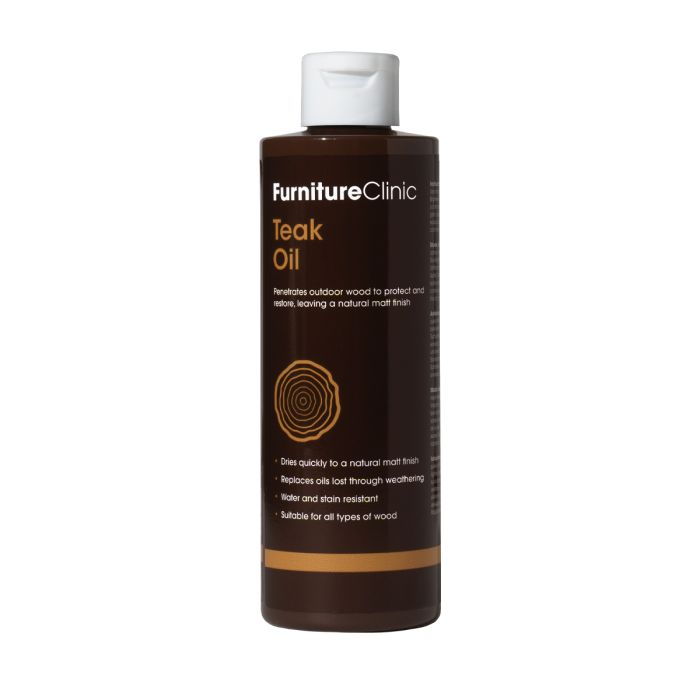
Teak oil is great for dense hardwoods like teak. It soaks deep and enhances the wood’s natural color. This oil repels water and prevents cracking. It needs regular reapplication for best results. Teak oil keeps furniture looking fresh and rich.
Linseed Oil
Linseed oil comes from flax seeds and is easy to find. It dries slowly and forms a protective layer. This oil darkens the wood slightly and adds warmth. It works well on softwoods but needs time to cure. Linseed oil is affordable and effective.
Tung Oil
Tung oil is made from tung tree nuts. It creates a strong, water-resistant finish. This oil dries faster than linseed and does not get sticky. It gives wood a natural, matte look. Tung oil is ideal for furniture exposed to rain.
Danish Oil
Danish oil is a mix of oil and varnish. It offers both protection and shine. This oil dries quickly and is easy to apply. Danish oil highlights wood grain beautifully. It suits many wood types and outdoor conditions.
Mineral Oil
Mineral oil is a clear, odorless option. It does not harden but protects wood from drying out. This oil is food safe and good for picnic tables. It needs frequent application to keep wood hydrated. Mineral oil is simple and safe for outdoor use.
Benefits Of Using Oil On Outdoor Wood
Oiling outdoor wood furniture is a simple way to keep it strong and beautiful. Wood faces sun, rain, and wind every day. Oil helps protect wood from these harsh conditions. It also makes the wood look fresh and natural.
Using oil on wood furniture keeps it lasting longer. It stops damage and keeps the wood healthy. The benefits go beyond just looks. Oil works deep inside the wood to guard it against many problems.
Water Resistance
Oil creates a barrier that water cannot pass through. This stops water from soaking into the wood. Wet wood can swell and become weak. Oil helps wood stay dry and strong. It reduces the risk of mold and rot.
Uv Protection
Sunlight can fade wood and make it brittle. Oil contains ingredients that block harmful UV rays. This keeps the wood’s color brighter for longer. It also prevents the wood from cracking due to sun damage.
Enhancing Wood Grain
Oil brings out the natural patterns in wood. It makes the grain look deeper and richer. This improves the furniture’s appearance without changing its color much. Oiled wood has a warm, natural shine that looks great outside.
Preventing Cracks And Splits
Wood can dry out and crack over time. Oil keeps moisture inside the wood. This stops it from shrinking and splitting. Regular oiling helps maintain the wood’s shape and strength. It makes the furniture safer and more comfortable to use.
Credit: www.furnitureclinic.com
How To Apply Oil Correctly
Applying oil to outdoor wood furniture protects it from weather damage. Proper application keeps the wood looking fresh and extends its life. Follow these steps carefully for the best results.
Preparation And Cleaning
Start with clean, dry furniture. Remove dirt and dust using a soft brush or cloth. For rough wood, sand lightly to smooth the surface. Wipe away sanding dust with a damp cloth. Allow the wood to dry fully before oiling.
Application Techniques
Use a clean, lint-free cloth or a soft brush. Pour a small amount of oil on the cloth. Apply the oil evenly, following the wood grain. Work in small sections to avoid missing spots. Let the oil soak in for 15-20 minutes. Wipe off excess oil with a dry cloth to prevent stickiness.
Drying And Curing Times
Place the furniture in a shaded, well-ventilated area. Allow the oil to dry for at least 24 hours. Avoid using the furniture during this time. Some oils may need several coats; wait for each coat to dry before applying the next. Full curing can take up to a week.
Maintenance Tips
Check your furniture regularly for dryness or fading. Clean the surface before reapplying oil. Apply oil once or twice a year for best protection. Store furniture indoors or cover it during harsh weather. Proper care keeps wood strong and beautiful longer.
Common Mistakes To Avoid
Choosing the right oil for outdoor wood furniture is important. Mistakes can ruin your wood and waste your effort. Avoid these common errors to keep your furniture strong and beautiful for years.
Over-oiling
Applying too much oil can cause problems. Excess oil stays sticky and attracts dirt. It can also make the wood surface soft and weak. Use a thin, even layer. Let the oil soak in before adding more.
Ignoring Weather Conditions
Weather affects how oil works on wood. Oiling in rain or high humidity stops the oil from drying well. Strong sunlight can dry oil too fast, causing cracks. Pick a dry day with mild temperature for best results.
Using The Wrong Oil
Not all oils fit outdoor wood furniture. Some oils do not protect against water or sun damage. Avoid cooking oils or indoor-use oils. Use oils made for outdoor wood, like teak or tung oil.
Skipping Regular Maintenance
Oiling once is not enough. Wood needs regular care to stay healthy. Dirt and weather wear down the oil layer. Clean and re-oil your furniture every few months. This keeps the wood safe and looking good.
Alternative Protection Options
Protecting outdoor wood furniture helps it last longer and look better. Oils are common, but other options also work well. These alternatives provide different levels of protection and appearance. Choose one based on your needs and style.
Wood Stains
Wood stains add color and protect wood from moisture. They soak deep into the wood fibers. Stains help prevent cracking and fading from sun exposure. Many stains contain UV blockers for extra protection. They keep the natural wood look while enhancing its tone.
Sealers And Varnishes
Sealers create a clear, hard layer on the wood surface. They stop water from soaking in and reduce damage. Varnishes offer a glossy or matte finish. They protect against scratches and weather. These coatings need reapplying after some time to keep wood safe.
Oil Blends
Oil blends mix natural oils with other protective ingredients. They penetrate wood deeply like pure oils. Blends often include wax or resins for added durability. These products keep wood flexible and water-resistant. Oil blends maintain the wood’s natural feel and appearance.
Credit: www.furnitureclinic.co.uk
Frequently Asked Questions
What Type Of Oil Is Best For Outdoor Wood Furniture?
Teak oil is ideal for outdoor wood furniture. It penetrates deeply, protects against moisture, and enhances wood grain naturally. It also resists UV damage and mildew, keeping furniture durable and looking fresh longer in outdoor conditions.
How Often Should I Oil My Outdoor Wood Furniture?
Oiling should be done every 6 to 12 months. This frequency depends on exposure to sun and rain. Regular oiling maintains protection and prevents the wood from drying or cracking over time.
Can I Use Vegetable Oil On Outdoor Wood Furniture?
Vegetable oil is not recommended for outdoor wood. It can turn rancid, attracting dirt and pests. Use specialized oils like teak or linseed oil designed for wood preservation instead.
Does Oiling Outdoor Wood Furniture Prevent Weather Damage?
Yes, oiling creates a protective barrier against moisture and UV rays. This helps prevent cracking, warping, and fading caused by weather exposure, extending the furniture’s lifespan.
Conclusion
Choosing the right oil protects your outdoor wood furniture. Oils like teak, linseed, or tung keep wood strong and beautiful. Regular oiling stops cracks and fading from sun and rain. It also helps the wood last many years. Clean the wood well before applying oil for best results.
Small efforts can save you money on repairs later. Keep your furniture looking fresh and natural with simple care. A little oil goes a long way in wood protection.
