Your outdoor wood furniture deserves to look great and last for years. But without proper sealing and finishing, weather and wear can quickly take their toll.
You might be wondering how to protect your investment without spending hours or using complicated products. This guide will show you simple, effective steps to seal and finish your outdoor wood furniture. By the end, you’ll know exactly how to keep your pieces looking fresh, strong, and ready for any season.
Keep reading to unlock the secrets that will make your furniture stand out and survive the elements.

Credit: www.youtube.com
Choosing The Right Wood
Choosing the right wood is key for outdoor furniture that lasts. Wood must handle rain, sun, and cold. Picking the best type keeps furniture strong and good-looking. This guide helps you find wood that suits your outdoor needs.
Types Of Outdoor Wood
Teak is popular for its natural oils that resist water. Cedar is lightweight and smells nice, also fights insects. Redwood offers a rich color and resists decay well. Pine is cheaper but needs treatment to last. Each wood has unique traits for outdoor use.
Wood Durability Factors
Density affects how wood stands up to weather. Hardwoods like teak and oak last longer. Softwoods dry out faster and may crack. Natural oils help protect wood from moisture and bugs. Proper sealing improves durability and appearance. Check grain tightness; tighter grain means better resistance.
Credit: www.charlestoncrafted.com
Preparing The Wood Surface
Preparing the wood surface is the first step to protect outdoor furniture. Clean and smooth wood holds sealants better. This ensures a longer life for your furniture. Proper preparation also improves the final look and feel of the wood. Follow these steps carefully for the best result.
Cleaning Techniques
Start by removing dirt, dust, and old finishes. Use a soft brush or cloth to wipe the surface. For tough stains, mix mild soap with water. Scrub gently to avoid damaging the wood. Rinse with clean water and let it dry completely. Avoid using harsh chemicals that can harm the wood.
Sanding Tips
Sanding smooths the wood and opens its pores. Use medium-grit sandpaper to remove rough spots. Always sand along the wood grain. This prevents scratches and keeps the surface even. Finish with fine-grit sandpaper for a smooth touch. Clean off the dust with a damp cloth before sealing.
Repairing Imperfections
Check for cracks, holes, or splinters. Fill small gaps with wood filler or putty. Press the filler firmly into the holes. Let it dry according to the product instructions. Sand the filled areas to blend with the wood. Remove any loose wood pieces before sealing.
Selecting Sealants And Finishes
Selecting the right sealants and finishes is key for protecting outdoor wood furniture. These products guard wood against water, sun, and wear. They keep furniture looking fresh and lasting longer.
Choosing the best sealant depends on wood type, climate, and personal preference. Understanding options helps you pick the right one for your project.
Oil-based Vs Water-based Sealers
Oil-based sealers soak deep into wood pores. They enhance wood grain and add warmth. These sealers last longer but take more time to dry. They may emit stronger odors during application.
Water-based sealers dry faster and have less smell. They create a clear, flexible coat on the wood surface. These sealers resist cracking and yellowing over time. They clean up easily with soap and water.
Oil-based sealers suit dense woods and harsh weather. Water-based sealers work well for lighter woods and mild conditions.
Clear Finishes And Stains
Clear finishes protect wood without changing its color. They show the natural beauty of wood grain. Clear finishes come in glossy, satin, or matte sheens. Choose one that matches your style and needs.
Stains add color and protect wood at the same time. They come in many shades, from light to dark. Stains can hide imperfections and renew old furniture. Some stains include sealants for extra protection.
Uv Protection Options
Sun exposure fades and damages wood over time. UV protection helps stop this damage. Many sealants and finishes include UV blockers. These blockers reduce fading and wood cracking.
Look for products that specifically mention UV resistance. Reapply UV-protective finishes every one to two years. This keeps your furniture safe from sun harm longer.
Credit: www.reddit.com
Applying Sealant And Finish
Applying sealant and finish protects outdoor wood furniture from weather damage. It helps keep the wood strong and looking good for years. The right steps make sure the finish lasts and looks smooth. Preparing and using the right tools also makes the job easier. Follow the simple guide below to apply sealant and finish correctly.
Tools And Equipment Needed
- Clean, lint-free cloths or rags
- Natural bristle brush or foam brush
- Sandpaper (medium and fine grit)
- Sealant or wood finish (oil-based or water-based)
- Protective gloves
- Drop cloth or plastic sheet to protect the work area
- Stir stick to mix the finish
Step-by-step Application Process
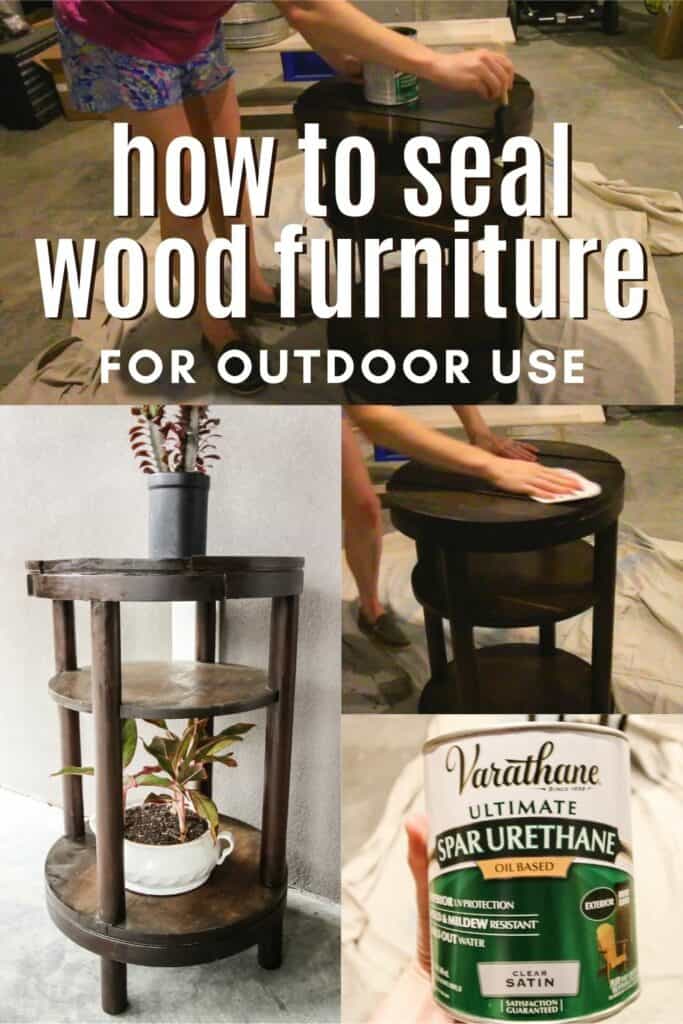
- Start by sanding the furniture with medium-grit sandpaper.
- Wipe off dust using a clean cloth.
- Stir the sealant or finish gently before use.
- Apply the sealant evenly with a brush or cloth, following the wood grain.
- Use smooth, long strokes to avoid bubbles or streaks.
- Allow the first coat to dry completely.
- Lightly sand the surface with fine-grit sandpaper between coats.
- Apply 2 to 3 coats for the best protection.
Drying And Curing Times
Drying time varies by product and weather. Most sealants dry within 4 to 6 hours.
Wait at least 24 hours before using the furniture.
Full curing can take up to 7 days. Avoid heavy use during this time.
Proper drying and curing ensure a strong, lasting finish.
Maintaining Outdoor Wood Furniture
Maintaining outdoor wood furniture keeps it looking fresh and lasting longer. Wood faces sun, rain, wind, and dirt daily. Proper care protects the wood from damage and wear. Small efforts each season make a big difference in durability and beauty.
Regular Cleaning Routines
Clean outdoor wood furniture often to remove dirt and dust. Use a soft brush or cloth with mild soap and water. Avoid harsh chemicals that can damage the wood surface. Rinse with clean water and dry with a towel. Regular cleaning prevents buildup that can cause stains or mold.
Re-sealing Frequency
Wood needs sealing to stay protected from moisture and sun. Apply a wood sealer every 1 to 2 years for best results. Check the furniture for signs like fading or water absorption. Choose a sealer that fits the wood type and outdoor conditions. Proper sealing keeps the wood strong and beautiful.
Handling Weather Damage
Storms and harsh weather can cause cracks or discoloration. Inspect furniture after bad weather for any damage. Sand rough areas lightly to smooth the surface. Apply wood filler if cracks appear, then re-seal the wood. Cover furniture or move it under shelter during extreme weather.
Troubleshooting Common Issues
Sealing and finishing outdoor wood furniture protects it from weather damage. Sometimes, problems arise despite careful work. Troubleshooting common issues helps keep your furniture looking great and lasting longer. This section covers typical problems and simple fixes.
Peeling And Flaking Finish
Peeling and flaking happen when the finish does not stick well. Old paint or sealer might cause this problem. Start by sanding the area to remove loose finish. Clean the surface well before applying a new coat. Use a finish made for outdoor wood to improve adhesion. Thin layers dry better and last longer.
Mold And Mildew Prevention
Mold and mildew grow in damp, shady areas. They can damage wood and make furniture unsafe. Clean affected spots with a mixture of water and mild soap. Let the furniture dry completely in the sun. Apply a sealer with mold-resistant properties. Regular cleaning and drying reduce the chance of mold returning.
Repairing Cracks And Splits
Cracks and splits weaken wood and ruin the look. Small cracks can be filled with wood filler or epoxy. Sand smooth after the filler dries. For larger splits, use wood glue and clamps to hold pieces together. After repairs, reseal the wood to protect against moisture. Check furniture regularly for new damage.
Frequently Asked Questions
How Do I Prepare Wood For Outdoor Sealing?
Clean the wood surface by sanding and removing dirt. Ensure it is dry before applying any sealant to improve adhesion and durability.
What Is The Best Sealant For Outdoor Wood Furniture?
Use a high-quality exterior wood sealer with UV protection. Oil-based or water-based sealants work well, depending on wood type and weather exposure.
How Often Should Outdoor Wood Furniture Be Resealed?
Reseal your furniture every 1-2 years. Inspect regularly for wear, cracks, or water absorption to maintain protection and appearance.
Can I Use Paint Instead Of Sealant On Outdoor Wood?
Paint offers color and protection but may peel outdoors. Sealants penetrate wood and provide better moisture resistance for outdoor use.
Conclusion
Sealing and finishing outdoor wood furniture protects it from weather damage. It helps the wood last longer and stay beautiful. Choose the right sealant for your wood type and outdoor conditions. Apply it carefully and let it dry fully. Regular maintenance keeps your furniture looking fresh and strong.
Enjoy your outdoor space with furniture that stands up to sun, rain, and wind. Small steps make a big difference in wood care. Now you know how to keep your wood furniture safe and attractive.