Are you tired of bugs ruining your time on outdoor furniture? Those tiny pests can turn a relaxing afternoon into a frustrating experience.
But what if you could enjoy your outdoor space without worrying about creepy crawlies? Knowing the right spray to use on your furniture can make all the difference. You’ll discover simple, effective solutions to keep bugs away and protect your furniture.
Keep reading to find out how to create a bug-free zone you’ll love spending time in.
Credit: turffactorydirect.com
Common Bugs On Outdoor Furniture
Outdoor furniture often faces a common problem: bugs. These small creatures can make your patio or garden less comfortable. Understanding which bugs appear and why they come helps protect your furniture. This knowledge makes it easier to choose the right spray or treatment.
Types Of Insects To Watch For
Ants are frequent visitors to outdoor chairs and tables. They look for food crumbs and sweet drinks. Spiders build webs on furniture corners and under cushions. They catch other bugs but can scare people. Mosquitoes often rest on fabric or wood surfaces. They wait for a chance to bite. Flies land on furniture, attracted by food smells. Beetles and wasps also explore outdoor areas. Knowing these insects helps in picking the right spray.
Why Bugs Are Attracted To Furniture
Outdoor furniture provides shelter from wind and sun. Bugs hide from predators and harsh weather here. Food crumbs and spills attract insects looking for a meal. Moisture on cushions and wood draws bugs needing water. Warmth from the sun heats furniture, inviting bugs to rest. Dark colors and rough textures give bugs places to hide. These factors explain why bugs gather on outdoor furniture.
Natural Sprays For Bug Control
Natural sprays offer a safe way to keep bugs off outdoor furniture. They use plant-based ingredients that insects dislike. These sprays avoid harsh chemicals and protect your family and pets.
You can easily make or buy these sprays. They work well against many bugs like mosquitoes, ants, and flies. Regular use helps keep your outdoor space bug-free and fresh.
Essential Oils That Repel Insects
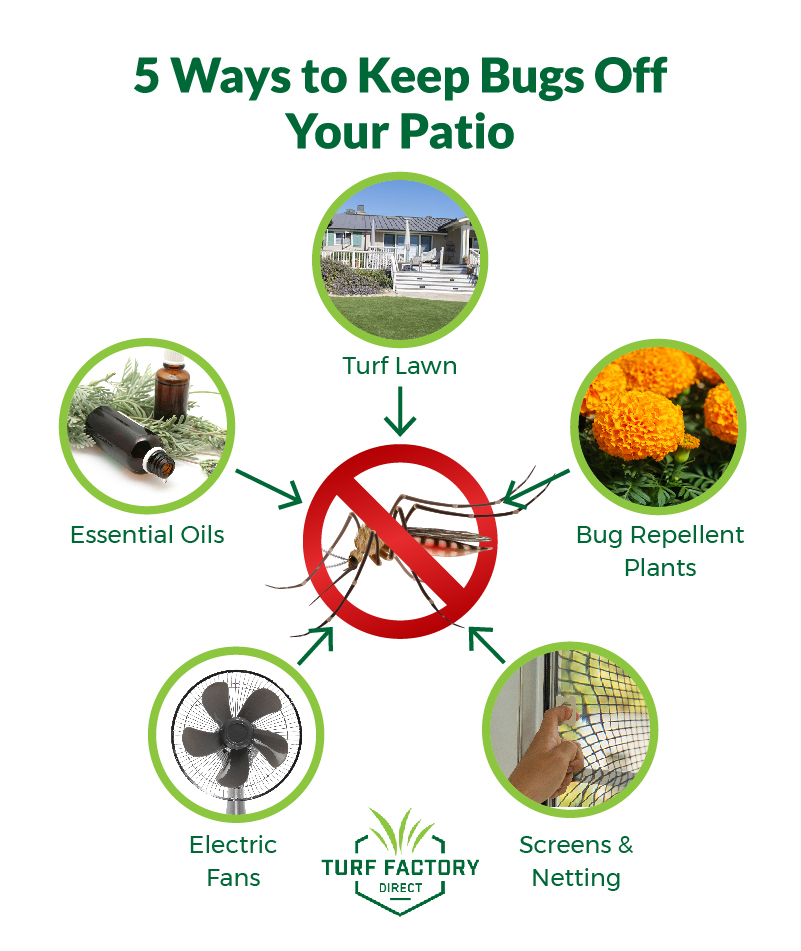
Essential oils come from plants and have strong smells bugs hate. Oils like citronella, eucalyptus, peppermint, and lavender work best. Mix a few drops with water in a spray bottle. Spray it on your furniture to keep bugs away.
These oils not only repel insects but also smell nice. They leave your outdoor area feeling clean and fresh. Reapply often for the best protection.
Diy Herbal Sprays
Herbs like rosemary, basil, and thyme make good bug sprays. Boil fresh herbs in water, then cool and strain the liquid. Pour it into a spray bottle and use on your furniture.
This spray works as a natural bug repellent and is easy to make. It is safe for children and pets. Use it after rain or when bugs start to appear.
Benefits Of Natural Solutions
Natural sprays do not harm the environment or your health. They avoid strong chemicals that can irritate skin or cause allergies. These sprays keep your outdoor furniture clean without damage.
Using natural sprays supports a healthy outdoor space. You can enjoy fresh air and fewer bugs without worry. They are affordable and simple to use regularly.
Chemical Sprays And Insecticides
Chemical sprays and insecticides are common choices for protecting outdoor furniture from bugs. These products kill or repel insects quickly. They create a barrier that stops bugs from settling on your furniture. Using chemical sprays can make your outdoor space more comfortable.
Many chemical sprays are easy to apply. They come in spray bottles or aerosol cans for convenience. Some sprays target specific insects like ants, mosquitoes, or spiders. It is important to pick the right product for your needs.
Effective Commercial Products
Several commercial insecticides work well on outdoor furniture. Products with pyrethroids are popular. They kill a wide range of bugs and last for weeks. Another option is insecticidal soap. It is less harsh and works on soft-bodied insects.
Look for sprays labeled safe for outdoor use. Some brands combine bug repellents with fungicides to protect furniture from mold. Choose products that match the material of your furniture for best results.
Safety Tips For Use
Always read the label before applying any chemical spray. Use gloves and avoid breathing in spray mist. Keep children and pets away during and after application. Spray in well-ventilated areas to reduce inhalation risks.
Do not apply sprays near food or water sources. Allow the product to dry completely before using the furniture. Store chemicals in a safe place out of reach of children and pets.
Environmental Impact Considerations
Chemical sprays can affect beneficial insects like bees and butterflies. Avoid spraying during windy days to reduce drift onto plants and soil. Use targeted applications rather than broad spraying to limit environmental harm.
Choose products labeled as biodegradable or eco-friendly when possible. Consider alternative methods like natural repellents or physical barriers. Protecting your outdoor furniture should not harm the surrounding nature.
Preventive Measures To Keep Bugs Away
Keeping bugs away from outdoor furniture starts with good preventive measures. These steps reduce the chance of bugs settling on your furniture. Simple habits can make a big difference. A clean and well-placed outdoor space invites fewer pests. Small efforts protect your furniture and keep your outdoor area pleasant.
Regular Cleaning Practices
Clean your outdoor furniture often. Dirt and food crumbs attract bugs. Wipe surfaces with mild soap and water. Rinse well and let dry completely. Remove leaves and debris around furniture. This stops insects from hiding nearby. Regular cleaning breaks the bug life cycle.
Furniture Covers And Placement
Use covers to protect furniture when not in use. Covers block bugs and dirt from reaching surfaces. Store furniture in shaded areas to avoid heat. Bugs dislike dry, cool places. Avoid placing furniture near standing water. Water attracts mosquitoes and other pests.
Using Repellent Plants Nearby
Plant herbs and flowers that repel bugs near furniture. Lavender, mint, and marigold are good options. Their scents keep bugs at a distance. These plants also add color and life to your space. Place pots close to seating areas for best effect.
Application Tips For Lasting Protection
Keeping bugs away from outdoor furniture takes more than just spraying once. Proper application helps protect your furniture for a long time. Follow these tips to apply sprays correctly and keep bugs off your outdoor spaces.
When And How To Spray
Spray your outdoor furniture early in the morning or late evening. These times avoid strong sunlight that can reduce spray effectiveness. Clean furniture before spraying to remove dirt and dust. Hold the spray bottle about 12 inches from the surface. Spray evenly to cover all areas without soaking them. Allow the spray to dry fully before use.
Frequency Of Treatment
Apply bug spray every two to four weeks during bug season. Check weather forecasts and avoid spraying before rain. Reapply after heavy rain or watering to maintain protection. Regular treatment stops bugs from returning and keeps furniture safe longer.
Combining Methods For Best Results
Use sprays along with other bug control methods for stronger protection. Clean furniture regularly to remove eggs and larvae. Place citronella candles or bug-repellent plants nearby. Cover furniture when not in use to keep bugs away. Combining approaches creates a bug-free outdoor space.
Credit: www.castlery.com
Troubleshooting Common Issues
Troubleshooting common issues with bug sprays on outdoor furniture helps keep your space comfortable. Problems like bugs that don’t go away, leftover spray marks, or damage to furniture can be frustrating. Knowing how to handle these issues will save time and effort. Here are practical tips for these common challenges.
Dealing With Persistent Bugs
Some bugs are tough to remove. Sprays may not work well on certain insects. Try spraying at different times of the day, especially early morning or late evening. Use a stronger insect spray made for outdoor use. Repeat the application every few days to break the bug cycle. Keep your furniture clean to reduce bug attraction.
Addressing Spray Residue
Spray residue can leave a sticky or white film on furniture. This residue attracts dirt and looks bad. Wipe furniture with a damp cloth after the spray dries. Use mild soap and water to clean stubborn spots. Avoid harsh chemicals that may damage the finish. Test cleaning methods on a small area first.
Protecting Sensitive Furniture Materials
Some materials like wood, wicker, or fabric may get damaged by sprays. Choose sprays labeled safe for your furniture type. Spray lightly to avoid buildup. Cover cushions or remove them before spraying. For wood, use natural oils or sealants after spraying. Regular care will keep furniture looking new.
Credit: www.walmart.com
Frequently Asked Questions
What Is The Best Spray For Bugs On Outdoor Furniture?
The best spray for outdoor furniture bugs is a natural insecticide like neem oil or a commercial bug spray. These effectively repel and kill common pests without damaging furniture or harming the environment.
Can I Use Diy Sprays To Prevent Bugs On Furniture?
Yes, DIY sprays using vinegar, essential oils, or soapy water can deter bugs. They are safe, affordable, and eco-friendly options for regular outdoor furniture maintenance.
How Often Should I Spray Outdoor Furniture For Bugs?
Spray outdoor furniture every 1-2 weeks during bug season. Regular treatments keep insects away and protect the furniture from infestations and damage.
Are Chemical Bug Sprays Safe For Outdoor Furniture?
Some chemical sprays are safe if used as directed. Always test on a small area first and avoid sprays with harsh solvents that may discolor or weaken materials.
Conclusion
Keeping bugs away from outdoor furniture is important for comfort. Use natural sprays or insect repellents made for outdoor use. Regularly clean your furniture to stop bugs from settling. Spray early and often, especially during warm months. Choose safe products that won’t harm your plants or pets.
A little care helps your outdoor space stay inviting and bug-free. Enjoy your time outside without worrying about insects. Simple steps can make a big difference in bug control. Stay consistent, and your furniture will last longer and look great.

