
If you want your outdoor furniture to last through all seasons, knowing how to finish it properly is key. Without the right finish, your wood can crack, fade, or even rot when exposed to sun, rain, and humidity.
But don’t worry—this guide will show you simple steps to protect your furniture and keep it looking great for years. You’ll learn which materials work best and how to apply them like a pro. Keep reading, and soon your outdoor space will shine with furniture that stands up to the elements and stays beautiful.
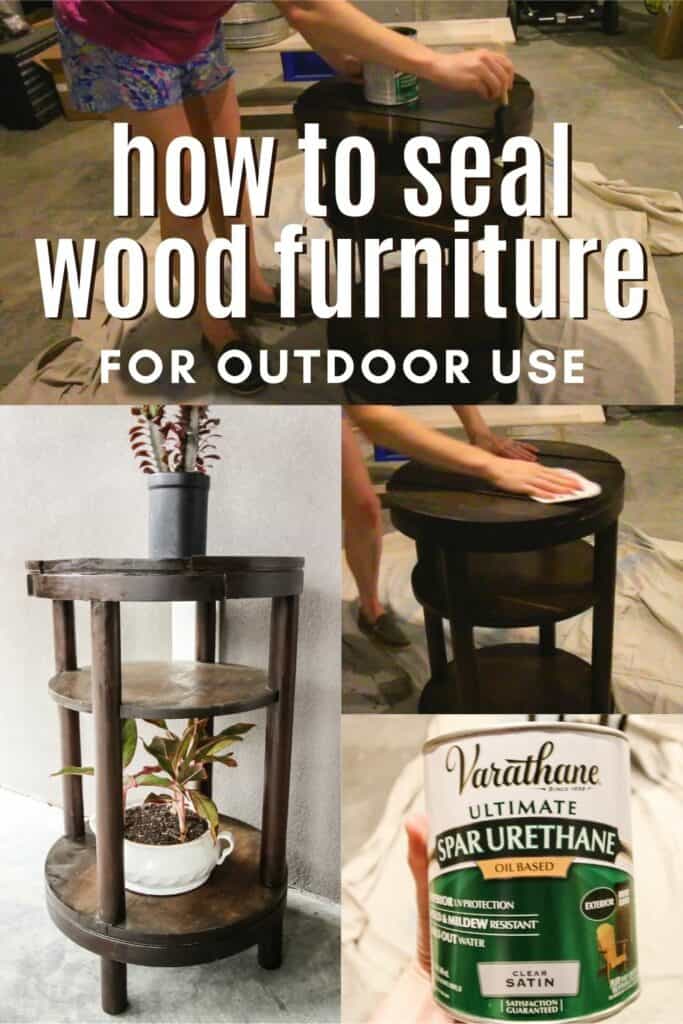
Credit: www.charlestoncrafted.com
Choosing The Right Wood
Choosing the right wood is key for outdoor furniture. Wood must resist weather, insects, and moisture. Picking the best type ensures your furniture lasts long. It also keeps your outdoor space looking nice. Different woods handle outdoor conditions in different ways.
Best Wood Types For Outdoors
Teak stands out for its natural oils. These oils protect wood from water and bugs. Cedar is light and easy to work with. It smells good and resists rot well. Redwood is strong and has a rich color. It also handles moisture without warping. Ipe is very hard and dense. It lasts for decades even in tough weather.
Wood Treatment Options
Treating wood boosts its outdoor durability. Sealants form a barrier against water and sun. Stains add color and extra protection. Oil treatments soak into the wood. They keep the fibers flexible and strong. Paint covers wood fully but may peel over time. Choose treatments based on wood type and look you want.

Credit: www.axminstertools.com
Preparing The Surface
Preparing the surface of outdoor furniture is a key step before finishing. It helps the finish stick better and last longer. A clean, smooth surface stops damage from rain and sun. Taking time to prepare now saves work later. The process includes cleaning, sanding, and fixing any damage. Each step makes the furniture ready for a strong finish.
Cleaning And Sanding
Start by cleaning dirt and dust from the furniture. Use soap and water with a soft brush. Rinse well and let it dry completely. Dirt or grease can stop the finish from sticking.
Next, sand the surface to remove old finish and smooth rough spots. Use medium-grit sandpaper first, then fine-grit for a smooth feel. Sand in the direction of the wood grain. This opens the wood pores and helps the finish soak in well.
Repairing Imperfections
Check the furniture for cracks, holes, or loose joints. Fix small cracks with wood filler. Press it in and smooth it out. Let it dry before sanding the area again.
For loose joints, use wood glue and clamps to secure them. Wait for the glue to dry fully. Fixing these problems stops further damage and keeps the furniture strong outdoors.
Selecting The Finish
Selecting the right finish is key to protecting outdoor furniture. The finish helps shield wood or metal from rain, sun, and dirt. It also enhances the look of the furniture. Choosing the correct finish can extend the life of your furniture. It keeps the material strong and good-looking through seasons.
Types Of Outdoor Finishes
There are several finishes made for outdoor use. Varnishes create a hard, clear coat. They protect wood from water and sun damage. Oils soak into the wood to keep it nourished and flexible. Paint covers the surface with a solid color layer. It hides imperfections and offers strong protection. Sealers are clear and penetrate to block moisture. They keep the wood natural but guarded. Each type works best on certain materials and conditions.
Benefits Of Each Finish
Varnish offers a shiny, durable surface. It lasts long and resists scratches. Oil finishes make wood look warm and natural. They are easy to apply and repair. Paint offers bright colors and full coverage. It hides stains and protects well. Sealers keep wood’s natural grain visible. They prevent water damage without changing the look. Pick a finish that fits your furniture style and needs.
Applying The Finish
Applying the finish is the key step in protecting outdoor furniture. It seals the wood and keeps moisture out. Proper application extends the life of your furniture and keeps it looking fresh. Using the right tools and following the right steps makes a big difference. Patience is important during this process.
Tools And Techniques
Choose a good quality brush or a foam applicator for smooth coverage. Brushes work well for detailed surfaces. Foam applicators give an even coat on flat areas. Always stir the finish before use. Avoid shaking the can to prevent bubbles. Apply the finish in long, even strokes. Work along the wood grain for best results. Use a clean cloth to wipe off excess finish if needed. Make sure to work in a well-ventilated space.
Layering And Drying Times
Apply thin layers rather than one thick coat. Thin layers dry faster and last longer. Let each layer dry completely before adding the next. Drying time varies by product and weather conditions. Usually, it takes 4 to 6 hours. Check the instructions on your finish for exact times. Lightly sand between coats with fine sandpaper. This helps the next layer stick better. Clean the dust off before applying the next coat. Three coats are ideal for outdoor furniture protection.
Maintaining Outdoor Furniture
Outdoor furniture faces sun, rain, dirt, and dust every day. Proper care keeps it strong and good-looking for years. Maintaining your furniture helps protect the finish and wood or metal underneath. Regular upkeep stops damage and saves money on repairs later.
Regular Cleaning Tips
Clean your furniture often to remove dirt and grime. Use a soft brush or cloth and mild soap with water. Avoid harsh chemicals that can damage the finish. Rinse well with clean water and dry with a soft towel. Clean cushions and fabric covers according to their labels. Regular cleaning prevents buildup that harms the surface.
Reapplying Finish
Check the finish every season for cracks or fading. Light sanding may be needed before applying a new coat. Choose a finish made for outdoor use, like spar varnish or outdoor polyurethane. Apply thin, even layers and let each dry fully. Reapplying finish protects the material from moisture and sunlight. This step extends the life of your furniture and keeps it looking fresh.
Protecting Furniture From Elements
Outdoor furniture faces many challenges from weather. Rain, sun, wind, and dirt can damage wood, metal, and fabric. Protecting furniture from these elements helps it last longer and look better. Small steps make a big difference in maintaining your outdoor pieces.
Covering And Storage Solutions
Use covers to shield furniture from rain and dust. Choose waterproof and breathable covers to avoid moisture buildup. Store cushions and fabrics indoors when not in use. Store furniture in a dry place during winter or heavy storms. Foldable or stackable furniture can save space in storage. Proper storage reduces wear and tear caused by weather.
Dealing With Moisture And Sun Damage
Moisture causes wood to swell and metal to rust. Keep furniture dry by wiping off water after rain. Apply sealants or water repellent finishes to wood surfaces. Sunlight can fade colors and weaken materials. Use UV-protectant sprays to shield fabrics and finishes. Place furniture in shaded areas or use umbrellas to limit sun exposure.

Credit: pineandpoplar.com
Frequently Asked Questions
What Is The Best Finish For Outdoor Furniture?
The best finish for outdoor furniture is a weather-resistant sealant. It protects against moisture, UV rays, and temperature changes. Options include spar varnish, exterior polyurethane, and marine-grade finishes. These finishes extend the furniture’s life and maintain its appearance.
How Do I Prepare Furniture For Outdoor Finishing?
Start by sanding the furniture to remove old finishes and smooth surfaces. Clean thoroughly to remove dust and dirt. Ensure the wood is dry before applying any finish. Proper preparation enhances adhesion and durability of the outdoor finish.
How Often Should Outdoor Furniture Be Refinished?
Outdoor furniture should be refinished every 1-2 years. Regular maintenance depends on exposure to weather and wear. Inspect surfaces annually and reapply finish if you notice peeling or fading. Timely refinishing protects wood and prolongs furniture life.
Can I Use Indoor Paint On Outdoor Furniture?
Indoor paint is not recommended for outdoor furniture. It lacks UV protection and water resistance. Use paints specifically designed for outdoor use to prevent cracking and peeling. Outdoor paints ensure long-lasting protection against the elements.
Conclusion
Finishing outdoor furniture takes care and the right steps. Choose a finish that protects against sun and rain. Apply it evenly and let it dry well. Regular maintenance helps your furniture last longer. Enjoy your outdoor space with beautiful, durable pieces.
Simple care keeps wood looking fresh and strong. Follow these tips, and your furniture stays great season after season.

