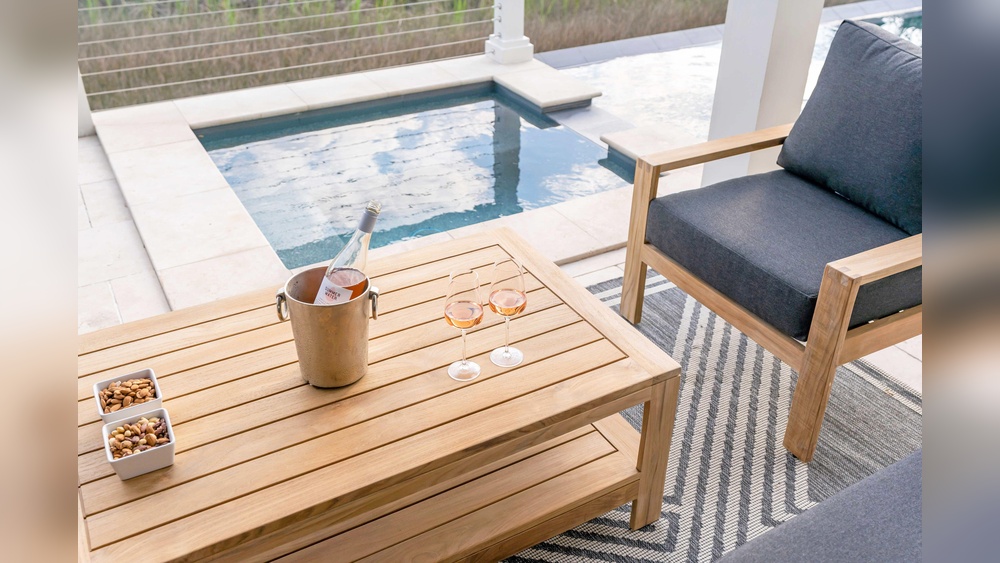
You’ve invested in beautiful teak outdoor furniture, and you want it to look great for years to come. But should you treat it, or let it age naturally?
The answer isn’t always clear, and making the wrong choice could cost you time and money. You’ll discover the simple steps to protect your teak, keep it strong, and enhance its natural beauty. By the end, you’ll know exactly what your teak furniture needs to stay stunning season after season.
Keep reading to unlock the secrets of teak care that every outdoor furniture owner should know.
Why Teak Needs Care
Teak is a popular choice for outdoor furniture. It looks beautiful and lasts long. Still, teak needs some care to stay in good shape. Without care, teak can lose its color and strength.
Understanding why teak needs care helps you keep your furniture looking great. The natural qualities of teak and weather effects play a big role.
Natural Properties Of Teak
Teak wood has natural oils that protect it. These oils make the wood strong and water-resistant. They also stop bugs from damaging the wood.
Despite these oils, teak can dry out and crack over time. The wood’s surface can become rough without care. Regular treatment helps keep the oils inside the wood.
Effects Of Weather Exposure
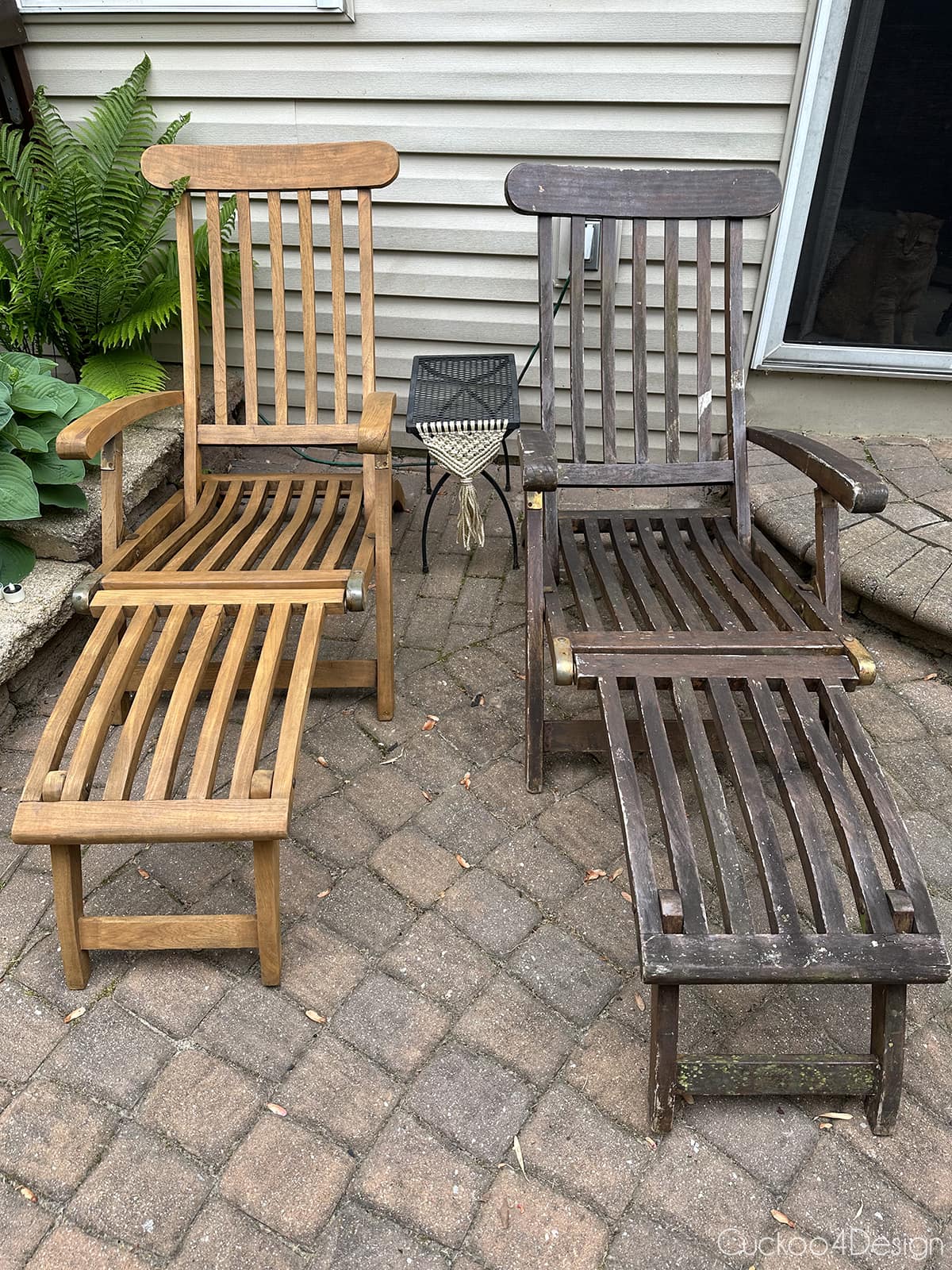
Outdoor teak furniture faces sun, rain, and wind every day. Sunlight can cause the wood to fade and turn gray. Rain and moisture may lead to mold or mildew.
Cold and heat can also make the wood expand and shrink. This leads to small cracks or splits in the wood. Caring for teak slows down this damage and keeps it strong.
Credit: cuckoo4design.com
Signs Your Teak Furniture Needs Treatment
Teak outdoor furniture is known for its durability and beauty. Still, it needs care to keep looking good. Recognizing signs that your teak furniture needs treatment helps maintain its strength and charm. Treating teak on time prevents damage and keeps it smooth and fresh.
Color Changes And Graying
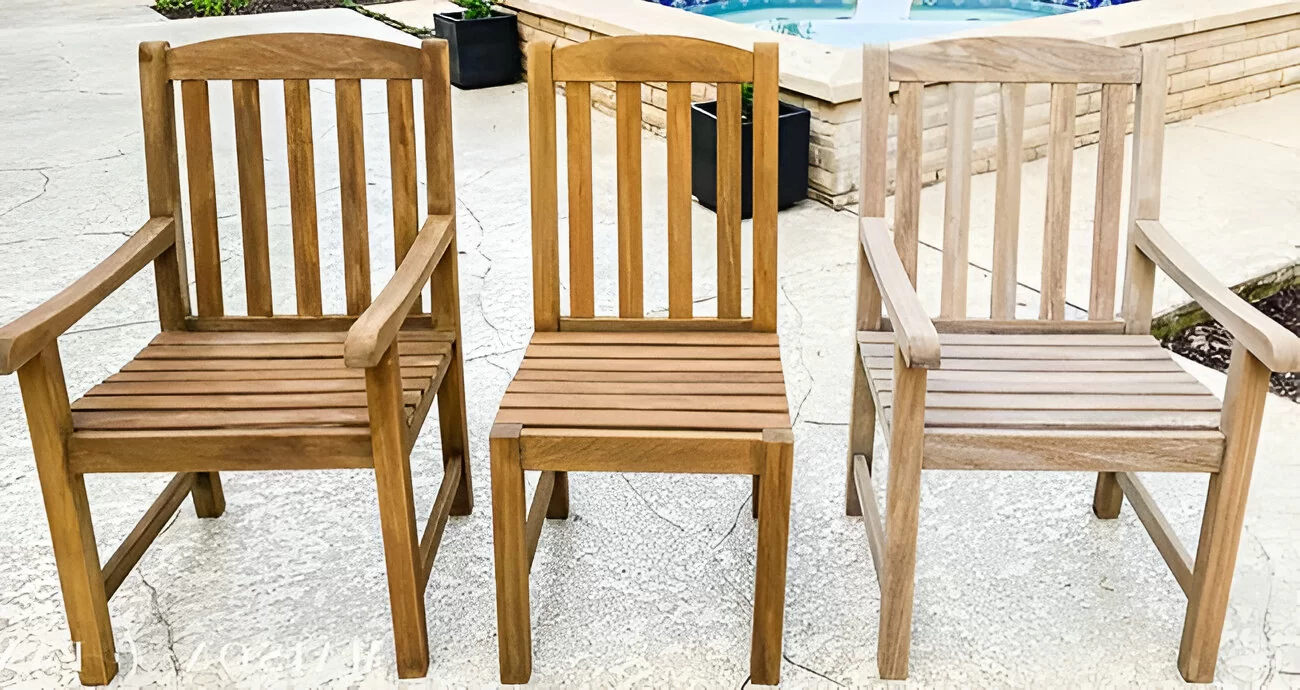
Teak wood has a warm, golden color when new. Over time, sunlight and rain cause it to fade. The wood slowly turns gray or silver. This graying is a natural process but can make furniture look old and worn out. If your teak pieces show dull or faded color, they need treatment. Applying teak oil or sealer can restore some warmth and protect the wood.
Surface Cracks And Roughness
Teak wood expands and contracts with weather changes. This can cause small cracks on the surface. Rough patches may also appear, making the furniture uncomfortable to touch. Cracks let moisture in, which can damage the wood inside. If you notice cracks or roughness, it is time to treat your teak furniture. Sanding and applying oil or sealer smooths the surface and prevents further damage.
Choosing The Right Treatment
Choosing the right treatment for teak outdoor furniture helps keep it strong and beautiful. Proper care protects the wood from weather damage. It also enhances the natural color and texture of teak. Knowing the differences between treatment options guides you to the best choice for your furniture.
Oils Vs. Sealers
Oils soak into teak wood and bring out its warm, rich color. They keep the wood from drying out and cracking. Oils need to be applied regularly, usually every few months. They create a natural look with a soft shine.
Sealers form a protective layer on top of the wood. They block water, dirt, and sun damage better than oils. Sealers last longer but can make teak look less natural. Some sealers may darken the wood or create a slight film.
Choosing oils or sealers depends on the look and protection you want. Oils suit people who like a natural, warm finish. Sealers suit those needing stronger protection with less frequent care.
Eco-friendly Options
Eco-friendly treatments use natural ingredients and fewer chemicals. These options protect teak while caring for the environment. Plant-based oils like linseed or tung oil are safe and effective.
Water-based sealers with low VOCs (volatile organic compounds) reduce harmful fumes. They protect wood without polluting air or soil. Eco-friendly products often have certifications proving their safety.
Choosing green treatments helps keep your outdoor space healthy. It supports nature while maintaining your teak furniture’s beauty. These options are gentle on the wood and the planet.
Step-by-step Treatment Process
Treating teak outdoor furniture is important to keep it looking fresh and strong. This step-by-step process helps protect the wood from weather damage and aging. It also keeps your furniture smooth and beautiful for years.
The treatment involves cleaning the wood, applying oil or sealer, and regular drying and maintenance. Each step is simple but essential. Follow these steps carefully for the best results.
Cleaning Your Teak Furniture
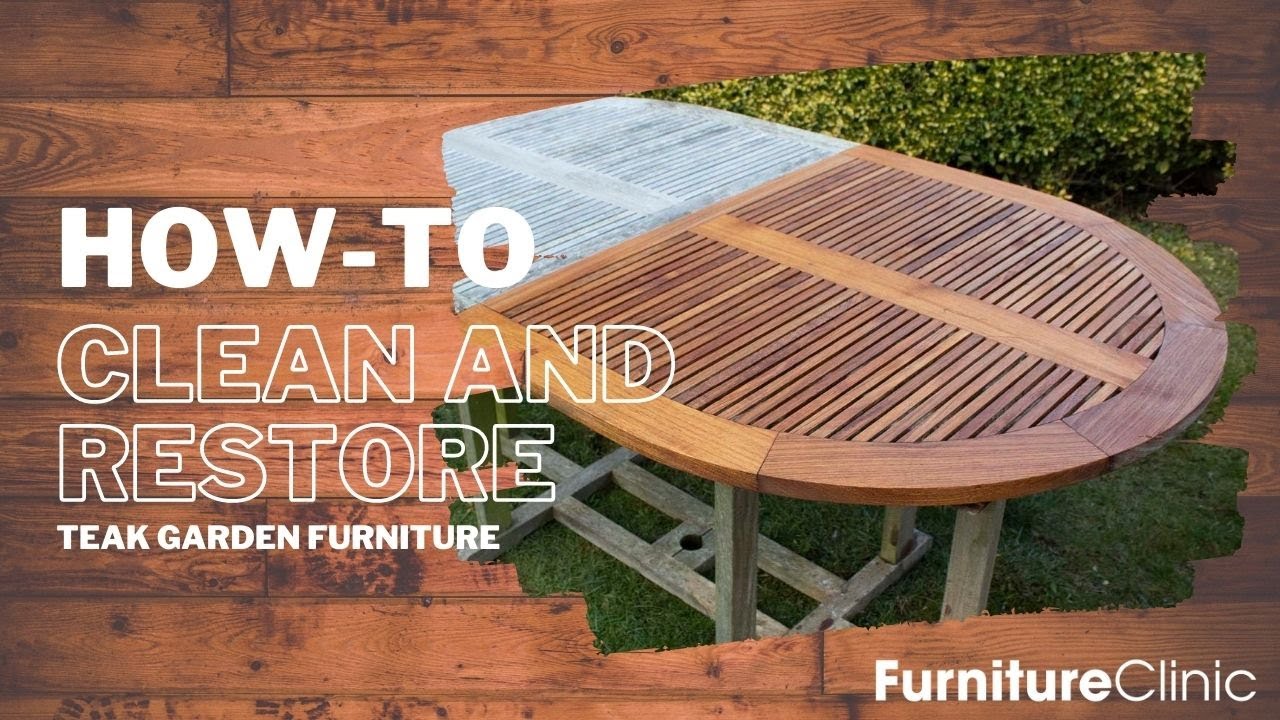
Start by removing dirt and dust using a soft brush or cloth. Use mild soap mixed with water to clean the surface gently. Avoid harsh chemicals that can damage the wood. Rinse with clean water and let the furniture dry completely before the next step.
Applying Oil Or Sealer
Choose teak oil or a sealer made for outdoor wood. Apply it evenly with a clean cloth or brush. Work along the wood grain to help the oil soak in better. Let the oil sit for 15 to 30 minutes. Wipe off any extra oil to avoid sticky spots.
Drying And Maintenance Tips
Allow the furniture to dry in a shaded area for 24 hours. Avoid direct sunlight during drying to prevent uneven color. Repeat oiling every 6 to 12 months depending on weather exposure. Clean the furniture regularly to stop dirt buildup. Cover furniture in bad weather to extend its life.
Common Mistakes To Avoid
Teak outdoor furniture looks beautiful and lasts long with proper care. Avoiding common mistakes helps keep its natural charm. Some errors can damage the wood or shorten its life. Knowing what to avoid saves time and money.
Over-treating The Wood
Applying too much oil or sealant can harm teak wood. The wood may become sticky or darken unevenly. Over-treatment blocks the wood’s natural breathability. This causes moisture to get trapped inside. It leads to mold and wood decay. Treat teak only as needed, based on weather and use.
Using Harsh Chemicals
Strong cleaners or bleach damage teak’s surface. These chemicals strip natural oils from the wood. The wood becomes dry and brittle over time. Use mild soap and water instead. Gentle cleaning keeps teak healthy and looking fresh. Avoid products with ammonia or acid for better results.
Credit: www.youtube.com
How Often To Treat Teak Furniture
Knowing how often to treat teak furniture keeps it looking fresh and strong. Teak is naturally durable but still needs care. The treatment protects wood from weather and dirt. The frequency depends on climate, use, and your style choice. Regular checks help decide the right time for treatment.
Seasonal Considerations
Teak furniture faces different weather each season. Rain and snow can wear it faster. In wet seasons, treat teak more often to stop mold and stains. Dry seasons may need less treatment but still check for cracks. Treating teak before winter helps it survive cold and moisture. Spring cleaning is good for applying oil or sealant. Adjust care based on your local weather.
Signs It’s Time For Re-treatment
Look for changes in teak’s color and texture. A dull or gray surface means it needs oil or sealant. Rough or dry wood shows loss of natural oils. Water no longer beads on the surface. Dark spots or mildew appear from moisture damage. When teak feels rough or splinters, treat it again. Regular inspection prevents costly repairs and keeps wood healthy.
Benefits Of Proper Teak Care
Proper care for teak outdoor furniture offers many benefits. It helps keep the wood strong and good-looking. Taking care of teak prevents damage from weather and time. This care saves money by avoiding costly repairs or replacements later.
Enhanced Durability
Teak wood is naturally tough but still needs care. Cleaning and oiling teak protect it from cracking and warping. Good care stops moisture from causing rot or mold. Proper treatment helps teak last many years outdoors. It stays solid through sun, rain, and wind.
Maintaining Aesthetic Appeal
Teak furniture looks beautiful with a warm, golden color. Without care, the wood can turn gray and dull. Oiling teak restores its rich color and shine. Regular cleaning removes dirt and stains that spoil its look. Proper care keeps your furniture inviting and fresh.
Credit: www.patioproductions.com
Frequently Asked Questions
Should Teak Outdoor Furniture Be Treated Regularly?
Yes, treating teak furniture regularly helps maintain its color and durability. It protects against weather damage and prevents drying or cracking, ensuring long-lasting beauty and strength.
What Is The Best Treatment For Teak Outdoor Furniture?
Teak oil or teak sealer are the best treatments. They nourish the wood, preserve natural oils, and protect against moisture and UV damage, extending the furniture’s lifespan.
Can Teak Furniture Be Left Untreated Outdoors?
Teak can be left untreated but will age to a silver-gray patina. Untreated wood may dry out, crack, or lose strength over time due to weather exposure.
How Often Should Teak Furniture Be Treated?
Treat teak furniture every 6 to 12 months. Frequent treatment keeps the wood hydrated, maintains color, and offers optimal protection from sun and rain.
Conclusion
Teak outdoor furniture lasts longer with proper care and treatment. Treating teak helps keep its color and strength. Untreated teak can turn gray and dry over time. Regular cleaning and oiling protect the wood from weather damage. You don’t need fancy products—simple teak oil works well.
Treating your furniture saves money by avoiding costly repairs. Enjoy your outdoor space with beautiful, well-maintained teak pieces. Small efforts make a big difference in furniture life. Keep your teak furniture looking great for years. Simple care brings lasting beauty and comfort outdoors.