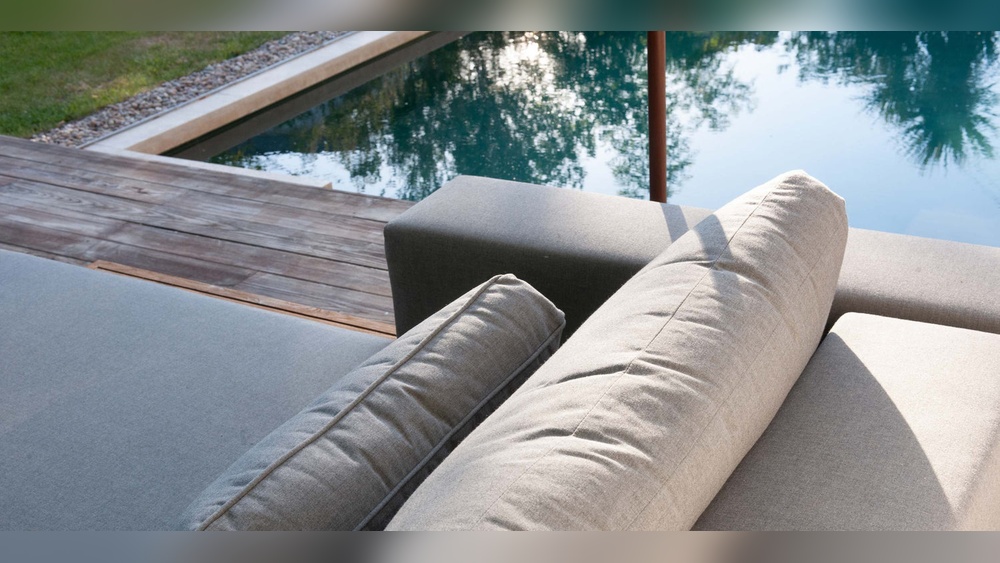
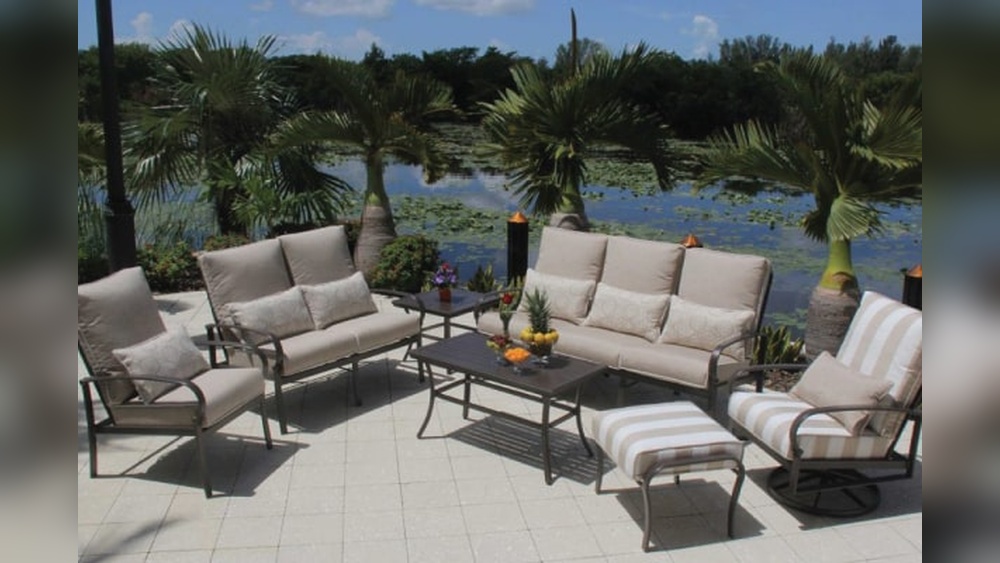
Are you wondering if your end up furniture can handle the outdoors? Maybe you love the style but worry about weather damage.
What if you could give your furniture a fresh look and protect it at the same time? Painting your end up furniture for outdoor use might be easier than you think. Keep reading to discover how you can transform your pieces, keep them looking great, and enjoy them outside without worry.
Your next outdoor project starts here.
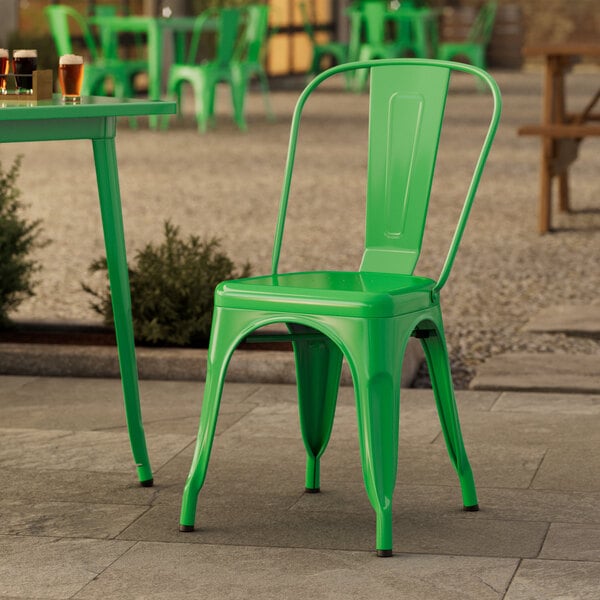
Credit: www.lancastertableandseating.com
Choosing The Right Outdoor Paint
Choosing the right paint for outdoor furniture is very important. The paint must protect the furniture from sun, rain, and wind. It should also stick well and last long. Picking a suitable paint helps keep your furniture looking nice over time. This guide will help you understand different outdoor paint types and features.
Types Of Paint Suitable For Outdoor Use
Latex paint is common for outdoor furniture. It dries quickly and cleans up with water. Acrylic paint is another good choice. It stays flexible and resists cracking. Oil-based paint lasts longer but takes more time to dry. It also needs special cleaners. Choose paint made for outdoor use to get the best results.
Weather Resistance Features
Good outdoor paint must resist water and sunlight. UV protection helps stop colors from fading. Waterproof paint keeps moisture from damaging the wood. Some paints also resist mold and mildew. These features help furniture stay strong and look good even in bad weather.
Eco-friendly Paint Options
Eco-friendly paints have fewer harmful chemicals. They release less odor and pollution. These paints are safer for people and pets. Many offer the same durability as regular paint. Choosing eco-friendly options helps protect the environment and your health.

Credit: www.whiteandwoodgrain.com
Preparing The Furniture Surface
Preparing the furniture surface is the first and most important step before painting. It helps the paint stick better and last longer outdoors. A clean, smooth surface stops peeling and makes the color look fresh. Taking time here saves effort later.
Cleaning And Sanding Techniques
Start by cleaning the furniture well. Use soap and water to remove dirt and grime. Let it dry completely before sanding.
Sand the surface with medium-grit sandpaper. This removes rough spots and old finish. Sanding also helps the paint hold better. Wipe away dust with a clean cloth after sanding.
Removing Old Paint And Finish
Check for peeling or flaking paint. Use a paint scraper or chemical remover for old paint. Work gently to avoid damaging the wood.
For finishes like varnish, use a stripper to clear the surface. Follow the product instructions carefully. Rinse and dry the furniture after removing old layers.
Repairing Damages Before Painting
Look for cracks, holes, or loose joints. Use wood filler to fix small holes and cracks. Let it dry and then sand smooth.
Tighten screws or glue loose parts. Smooth surfaces and strong joints make paint last longer. This keeps the furniture sturdy outdoors.
Priming For Durability
Priming is an important step before painting end up furniture for outdoor use. It helps the paint stick better and protects the furniture from weather damage. Proper priming can extend the life of your outdoor furniture by preventing peeling and cracking.
Choosing the right primer and applying it well makes a big difference. Drying the primer under the right conditions also improves durability.
Selecting The Appropriate Primer
Use a primer made for outdoor surfaces. Look for one that resists moisture and UV rays. Oil-based primers work well on wood and metal. Water-based primers dry faster and have less smell. Check the label to match your furniture material. This helps paint last longer outside.
Application Tips For Even Coverage
Clean the furniture before priming. Remove dirt and old paint flakes. Use a brush or roller for smooth layers. Apply thin coats to avoid drips. Cover all corners and edges carefully. Let each coat dry before adding another. This ensures full protection and a neat finish.
Drying Time And Conditions
Allow primer to dry completely before painting. Drying time depends on temperature and humidity. Warm, dry weather helps primer dry faster. Avoid painting in direct sunlight or high humidity. Check the primer label for exact drying times. Proper drying keeps paint strong and long-lasting.
Painting Techniques For Outdoor Furniture
Painting outdoor furniture needs the right techniques. These techniques protect the furniture from weather and keep it looking good. Using the best methods helps the paint last longer. It also gives a smooth and even finish. Understanding different painting ways can help you choose the right one for your project.
Brush Vs. Spray Methods
Using a brush gives more control on small areas. It works well for detailed or rough surfaces. Brushes can leave marks if not used well. Spraying covers large areas faster and more evenly. It reaches corners and tight spaces easily. Spraying needs careful setup and protection from wind. Choose brushing for small jobs. Use spraying for big or smooth surfaces.
Applying Multiple Coats
One coat is not enough for outdoor use. Multiple coats protect from rain, sun, and dirt. Let the first coat dry fully before the next. Thin coats dry faster and look better. Avoid thick layers that peel or crack later. Two to three coats usually give good coverage. Patience helps achieve a strong, lasting finish.
Avoiding Common Painting Mistakes
Skipping surface cleaning causes paint to peel. Always clean and sand the furniture first. Using wrong paint type weakens the finish. Use paint made for outdoor wood or metal. Painting in direct sun or rain causes problems. Choose dry, mild weather for best results. Ignoring drying times leads to sticky or uneven paint. Follow instructions for best drying and curing.
Sealing And Protecting The Paint
Sealing and protecting the paint on your end up furniture is key for outdoor use. Paint alone cannot stop damage from rain, sun, or dirt. A good sealant adds a strong layer of defense. It keeps the paint fresh and prevents peeling or fading over time. This process helps your furniture stay beautiful and last longer outside.
Choosing The Right Sealant
Select a sealant made for outdoor use. Clear polyurethane or marine varnish works well. These sealants resist water and UV rays. Avoid indoor sealants, as they cannot handle weather changes. Look for products labeled “weatherproof” or “exterior.” This ensures better protection for your painted furniture.
Application Process For Maximum Protection
Start with clean, dry furniture. Use a soft brush or foam applicator. Apply the sealant in thin, even coats. Let each coat dry fully before adding the next. Usually, two or three coats are best. Avoid heavy layers that can drip or peel. Sand lightly between coats for a smooth finish.
Maintenance Tips For Longevity
Check the sealant yearly for cracks or wear. Clean the furniture gently with mild soap and water. Avoid harsh chemicals that can break down the sealant. Reapply sealant every one to two years. Store furniture under cover during harsh weather. These steps keep your paint and sealant strong longer.
Seasonal Care And Storage Tips
Seasonal care and storage are key for keeping End Up furniture looking good outdoors. Paint can protect wood but needs support from good habits. Changing weather can cause damage if furniture is not cared for. Simple steps help extend the life of your painted furniture. These tips cover protection, cleaning, and storage through seasons.
Protecting Furniture In Harsh Weather
Rain, snow, and strong sun can harm painted furniture. Use covers made for outdoor furniture to keep moisture out. Place furniture under a shelter or roof to avoid direct rain. Move pieces away from places where water pools. Sunlight can fade paint. Use UV-resistant paint or sealant for extra protection.
Cleaning And Touch-up Guidelines
Clean furniture regularly with a soft brush or cloth. Use mild soap and water to remove dirt gently. Avoid harsh chemicals that strip paint. Check for paint chips or scratches after cleaning. Touch up small damaged areas with matching paint. This stops water from seeping in and causing damage.
Proper Storage Methods During Off-seasons
Store furniture indoors during winter or heavy rain seasons. A dry, cool place is best to avoid mold and rot. If indoor space is limited, use thick furniture covers and elevate pieces off the ground. Remove cushions and store them separately in dry areas. Proper storage cuts down on damage and keeps paint fresh.
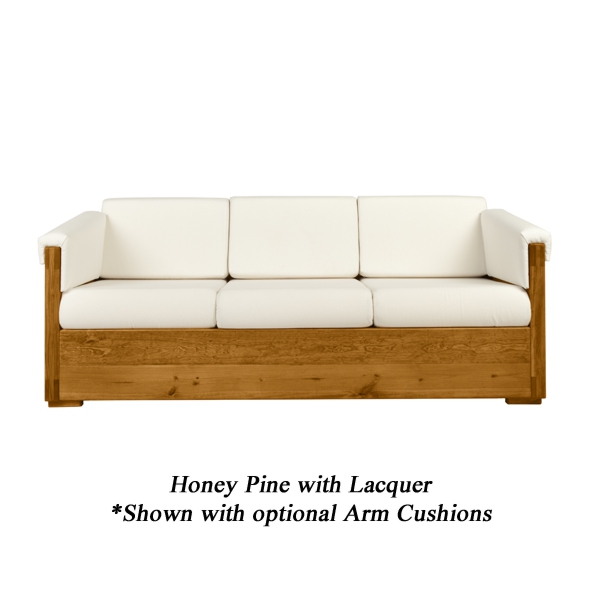
Credit: www.hometalk.com
Frequently Asked Questions
Can End Up Furniture Be Painted For Outdoor Use?
Yes, End Up furniture can be painted for outdoor use. Use outdoor-grade paint and primer to protect it from weather.
What Paint Types Are Best For Outdoor Furniture?
Acrylic latex or oil-based paints work best for outdoor furniture. They offer durability and resist moisture and UV damage.
How To Prepare End Up Furniture Before Painting?
Clean the surface, sand lightly, and apply a primer. Proper preparation ensures better paint adhesion and longer-lasting results.
Is It Necessary To Seal Painted Outdoor Furniture?
Yes, sealing painted furniture with a clear outdoor sealant adds extra protection against moisture and sun damage.
Conclusion
End up furniture can be painted for outdoor use with the right steps. Choose paint made for outdoor surfaces to protect against weather. Clean and sand the furniture well before painting for better results. A good finish helps the furniture last longer outside.
Regular maintenance keeps the paint fresh and the furniture strong. Painting old furniture gives it new life and style. Enjoy your outdoor space with painted furniture that stands up to the elements. Small effort, big difference.