Have you ever wondered who made the outdoor furniture that shaped the style of the 1970s? If you love vintage design or want to add a retro touch to your backyard, knowing the manufacturers behind those iconic pieces is key.
This isn’t just about names—it’s about discovering the stories and craftsmanship that made outdoor spaces feel unique and inviting back then. Keep reading, and you’ll uncover the brands that defined an era and learn how their work can inspire your own outdoor setup today.
Credit: www.whoppah.com
Popular Materials Used
Outdoor furniture in the 1970s featured a variety of popular materials. Manufacturers chose materials that could handle weather and stay stylish. These materials shaped the look and feel of outdoor spaces. Each had unique qualities that made it a favorite for outdoor use.
Wrought Iron And Metal
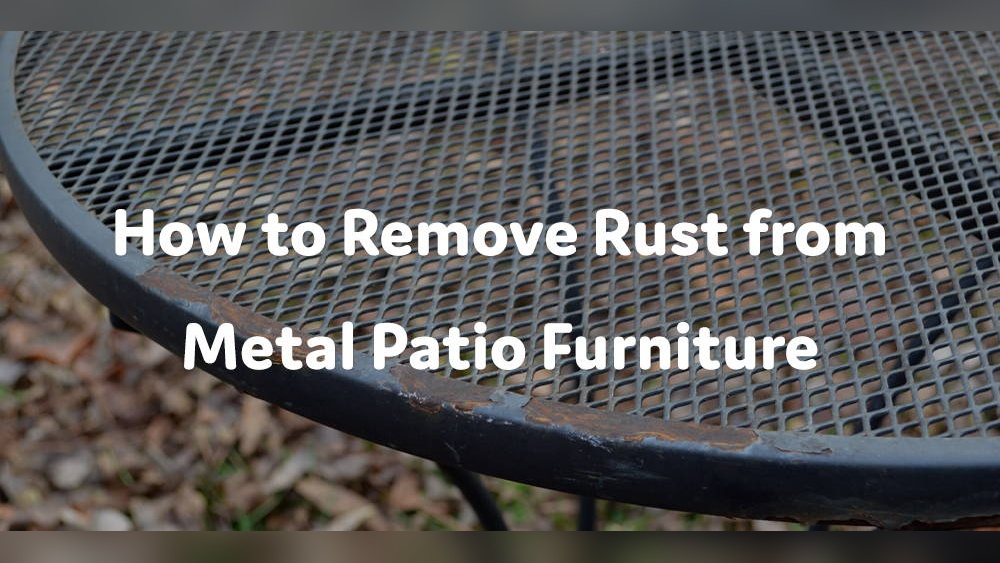
Wrought iron was strong and durable. It gave furniture a classic, elegant look. Metal frames were often painted to stop rust. Many designs included intricate patterns and curves. Metal furniture lasted long and handled outdoor conditions well.
Wood Varieties
Wood was a common choice for outdoor furniture. Teak and cedar were popular because they resist water and insects. Wood gave a warm, natural feel to outdoor areas. It needed regular care to stay beautiful. Wooden furniture often had simple, sturdy designs.
Plastic And Resin Innovations
Plastic and resin became popular in the 1970s. These materials were lightweight and easy to clean. They came in bright colors and modern shapes. Plastic furniture was affordable and weather-resistant. It allowed for new styles in outdoor design.
Rattan And Wicker
Rattan and wicker furniture offered a cozy, casual look. These materials were woven to create comfortable seats. They were usually treated to resist moisture. Rattan and wicker added texture and charm to patios. Many people liked their natural, relaxed style.
Leading Outdoor Furniture Brands
Outdoor furniture in the 1970s reflected style and comfort. Certain brands stood out for their quality and design. These brands shaped the outdoor living spaces we admire today. Their pieces still inspire collectors and outdoor lovers alike.
Let’s explore some leading outdoor furniture brands from that era. Each brand had its own unique style and materials. They combined durability with aesthetic appeal. Their furniture brought life to gardens, patios, and porches.
Woodard
Woodard was known for its strong metal furniture. Their designs mixed classic and modern looks. They used wrought iron and aluminum to make durable pieces. Woodard’s furniture was perfect for outdoor use. Its style suited both casual and formal settings.
Brown Jordan
Brown Jordan became famous for luxury outdoor furniture. Their pieces often featured aluminum frames and woven vinyl straps. They focused on comfort and elegance. Brown Jordan set trends in poolside and patio furniture. Their products combined function with eye-catching design.
Eames
Eames brought innovation to outdoor furniture design. Their use of molded plywood and metal changed traditional styles. Eames furniture was simple but very stylish. They blended form and function in a modern way. Many of their pieces are still popular today.
Salterini
Salterini offered colorful and artistic metal furniture. Their wrought iron designs had a unique, whimsical touch. Bright colors made their pieces stand out. Salterini furniture was both fun and durable. It added charm to any outdoor space.
Ficks Reed
Ficks Reed specialized in wrought aluminum furniture. Their designs were detailed and elegant. They used hand-forged techniques to create quality pieces. Ficks Reed furniture was light but strong. Their work brought a classic look to outdoor settings.
Design Trends Of The 1970s
The 1970s brought a fresh wave of creativity to outdoor furniture design. Manufacturers experimented with colors, shapes, and materials. Their goal was to create pieces that fit both indoor and outdoor spaces. This decade’s designs remain popular among collectors and design lovers today.
Bold Colors And Patterns
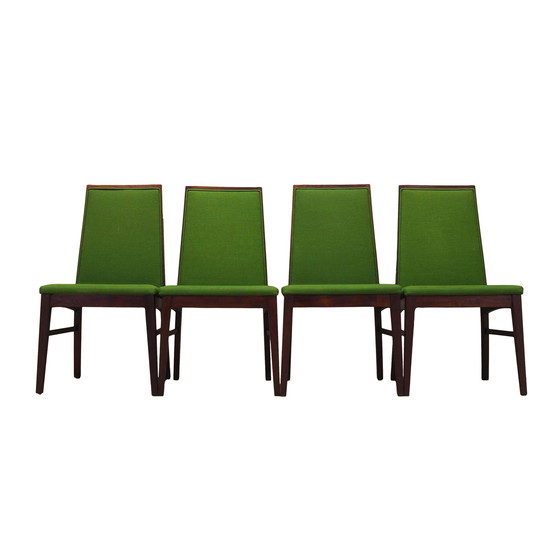
Outdoor furniture in the 1970s featured bright, bold colors. Oranges, yellows, and greens stood out in gardens and patios. Patterns often included geometric shapes and floral prints. These eye-catching designs added energy to outdoor settings. They reflected the fun and free spirit of the decade.
Modular And Lightweight Designs
Many pieces were modular, allowing easy rearrangement. This flexibility suited changing outdoor needs and spaces. Lightweight materials like aluminum and plastic made furniture easy to move. Portability was important for those who enjoyed outdoor living. Comfort combined with practicality in every design.
Influence Of Mid-century Modern Style
The 1970s carried the influence of mid-century modern style. Clean lines and simple shapes were common. Designers used natural materials like wood alongside modern metals. This blend created a timeless, stylish look. It helped outdoor furniture feel connected to indoor decor.

Credit: www.chairish.com
Manufacturing Techniques
Outdoor furniture in the 1970s reflected a mix of old and new manufacturing methods. Craftsmen still valued skill and detail. Factories began using faster production tools. This blend created pieces that were both beautiful and affordable.
Handcrafted Details
Many outdoor furniture pieces had hand-finished touches. Workers shaped wood and metal with care. They added carvings, smooth edges, and custom joints. These details gave furniture a unique, personal feel. Handcrafting showed pride in the work.
Mass Production Advances
Factories used machines to make furniture faster. Assembly lines helped produce many pieces each day. This lowered prices and made furniture more available. Metal bending and welding machines became common. Mass production brought consistency and strength to outdoor furniture.
Use Of New Materials
The 1970s introduced fresh materials in outdoor furniture. Aluminum and plastic became popular choices. These materials were light and resisted weather well. Vinyl and resin fabrics added comfort and color. New materials helped furniture last longer outdoors.
Collecting And Restoring Vintage Pieces
Collecting and restoring vintage outdoor furniture from the 1970s brings charm and history to any space. These pieces show unique styles and craftsmanship from that time. Restoring them helps preserve their beauty and value. It also lets you enjoy a classic look outdoors.
Finding and fixing these old treasures takes some care. Knowing which brands made the best furniture helps collectors choose the right pieces. Restoring requires simple steps to keep the original style. Proper care keeps the furniture looking great for years.
Identifying Authentic Brands
Many famous brands made outdoor furniture in the 1970s. Check for labels or stamps under the furniture. Look for names like Brown Jordan, Lloyd Flanders, and Woodard. These brands are known for quality and style. Knowing the brand helps confirm the piece’s value. Watch for materials like wrought iron, aluminum, or teak wood. These were popular in that decade. Authentic pieces often have a unique design or pattern.
Tips For Restoration
Start by cleaning the furniture gently with mild soap and water. Avoid strong chemicals that can damage the finish. Sand down rough or rusty spots carefully. Use paint or stain that matches the original color. Replace broken parts with similar materials. Use rust-resistant paint for metal furniture. For wooden pieces, apply a protective sealant after sanding. Restore cushions with fabric that matches the vintage style. Take your time to keep the piece looking authentic.
Maintaining Value Over Time
Store furniture in a dry place during bad weather. Use covers to protect from rain and sun damage. Clean regularly to prevent dirt buildup. Check for rust or damage every few months. Fix small problems before they get worse. Avoid harsh chemicals or pressure washing. Keep the original parts as much as possible. Original parts add to the furniture’s worth. Well-maintained furniture stays beautiful and valuable longer.

Credit: juliab.com
Frequently Asked Questions
Who Were Top Outdoor Furniture Makers In The 1970s?
Leading manufacturers included Brown Jordan, Lloyd Flanders, and Heywood-Wakefield. They set trends with durable and stylish designs popular in that era.
What Materials Were Used In 1970s Outdoor Furniture?
Aluminum, wrought iron, and wood were common. These materials offered weather resistance and matched the decade’s design aesthetics.
How Did 1970s Outdoor Furniture Differ From Today’s Styles?
1970s pieces focused on bold colors and geometric shapes. Modern outdoor furniture emphasizes minimalism and advanced weatherproof materials.
Why Is 1970s Outdoor Furniture Still Popular?
Its vintage charm and durable craftsmanship attract collectors and design enthusiasts. It blends nostalgia with functional outdoor living.
Conclusion
Outdoor furniture in the 1970s reflected unique style and strong design. Many companies made durable and stylish pieces for homes and gardens. Materials like aluminum, plastic, and wood were popular back then. These manufacturers shaped outdoor living with their creative ideas.
Today, their work inspires vintage collectors and design lovers. Knowing who made this furniture helps us appreciate its value and history. It shows how outdoor spaces became more comfortable and attractive over time. The 1970s marked an important time for outdoor furniture design.
This legacy continues to influence modern outdoor styles today.