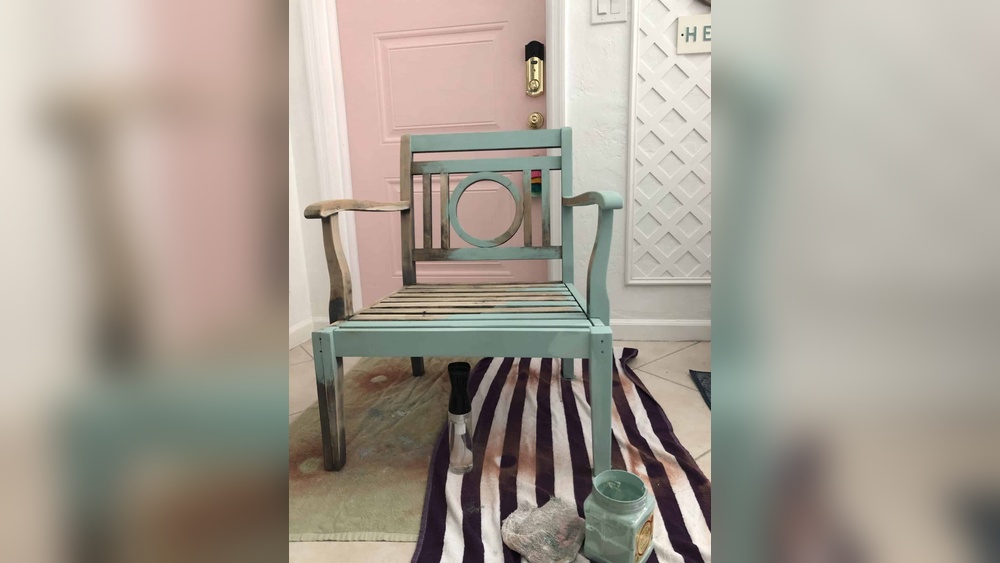
Choosing the right stain for your outdoor furniture can feel overwhelming. You want something that not only looks great but also protects your investment from sun, rain, and wear.
The wrong stain could leave your furniture faded, cracked, or peeling before you know it. But don’t worry—this guide will help you find the perfect stain to keep your outdoor pieces looking fresh and strong season after season. Keep reading to discover how to make your furniture last longer and shine brighter, no matter the weather.
Credit: outdoorfurnitureplus.com
Types Of Outdoor Furniture Stains
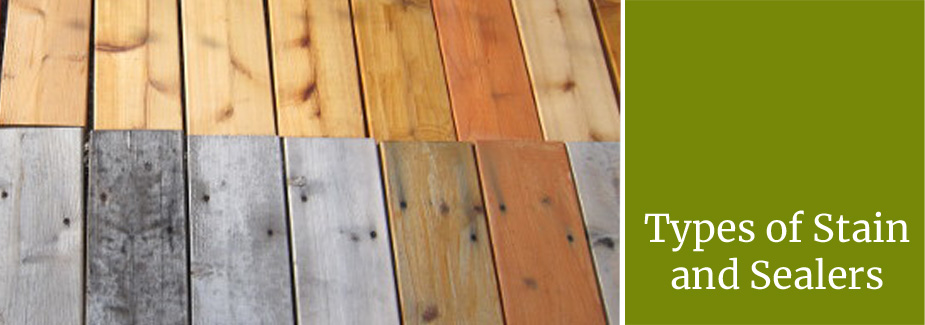
Choosing the right stain helps protect and beautify outdoor furniture. Different stains offer various levels of color and protection. Understanding these types makes it easier to pick the perfect one for your wood.
Transparent Stains
Transparent stains show the wood grain clearly. They add a light tint without hiding natural patterns. These stains protect wood from water and sun damage. Ideal for new or well-maintained wood. They require more frequent reapplication than other types.
Semi-transparent Stains
Semi-transparent stains add color but keep some wood texture visible. They offer good protection against weather and UV rays. Great for older wood that needs extra cover. These stains balance beauty and durability well. They help hide minor wood flaws.
Solid Stains
Solid stains cover wood completely like paint. They hide wood grain and imperfections fully. Solid stains provide strong protection from sun and moisture. Perfect for very old or rough wood surfaces. These stains last longer and need less frequent touch-ups.
Credit: www.furnitureclinic.co.uk
Factors To Consider When Choosing A Stain
Choosing the right stain for outdoor furniture is important. The wrong stain can damage the wood or wear off quickly. Many factors affect how well the stain works. Think about the wood type, weather conditions, and stain features. This helps the furniture stay beautiful and last longer.
Wood Type
Different woods absorb stains in different ways. Softwoods like pine soak up more stain. Hardwoods like teak need special stains. Choose a stain made for the wood type. This improves the finish and protection.
Climate And Weather
Weather affects outdoor furniture a lot. Rain, snow, and heat can damage wood. Pick a stain that can handle local weather. Some stains resist cracking and peeling better. Think about how much sun or rain your furniture faces.
Uv Protection
Sunlight causes wood to fade and crack. A stain with UV protection blocks harmful rays. This keeps colors bright and wood healthy. UV protection is a must for sunny areas.
Water Resistance
Water can cause wood to swell and rot. Water-resistant stains help keep moisture out. They create a seal on the wood surface. This stops water damage and extends furniture life.
Benefits Of Different Stain Types
Choosing the right stain for outdoor furniture changes how it looks and lasts. Different stains offer special benefits that suit various wood types and outdoor conditions. Understanding these benefits helps you pick the best stain for your needs.
Enhancing Natural Wood Grain
Stains highlight the wood’s natural patterns and colors. Some stains soak into the wood, showing its grain beautifully. Transparent stains keep the wood’s original look. Semi-transparent stains add color but still show grain. Solid stains cover the wood but keep texture visible.
Durability And Longevity
Outdoor furniture faces sun, rain, and wind. Stains protect wood from these elements. Oil-based stains penetrate deeply, offering strong protection. Water-based stains dry fast and resist peeling. Some stains include UV blockers that prevent fading. Good stains reduce cracking and warping over time.
Ease Of Application And Maintenance
Some stains are easier to apply than others. Water-based stains clean up with soap and water. Oil-based stains need solvents for cleanup. Choosing a stain that matches your skill level saves time. Regular maintenance keeps furniture looking fresh. Some stains require fewer coats and less frequent reapplication.
How To Prepare Outdoor Furniture For Staining
Preparing outdoor furniture for staining is an important step. It helps the stain stick well and last longer. Clean and smooth surfaces allow the stain to soak in evenly. Taking the time to prepare your furniture protects it from weather damage. Follow these simple steps to get your furniture ready.
Cleaning The Surface
Start by removing dirt and dust. Use a soft brush or cloth to wipe the surface. For tough grime, use mild soap and water. Rinse well and let the furniture dry completely. Clean wood lets the stain absorb better and look natural.
Sanding And Repairing
Lightly sand the furniture with fine-grit sandpaper. This smooths rough spots and old finishes. Sanding opens the wood pores for better stain absorption. Check for cracks or holes. Fill small gaps with wood filler. Sand the filled areas once dry for a smooth finish.
Choosing The Right Tools
Select brushes or rags that suit your stain type. Use a natural bristle brush for oil-based stains. For water-based stains, synthetic brushes work best. Rags help apply stain on small or detailed areas. Keep extra sandpaper handy for touch-ups during the process.
Applying Outdoor Furniture Stain
Applying stain to outdoor furniture protects it from weather damage and enhances its beauty. Proper application ensures the wood stays strong and looks great for years. Follow clear steps for the best results. Take your time and be patient. This process is simple and rewarding.
Step-by-step Application Process
Start by cleaning the furniture thoroughly. Remove dirt, dust, and old finishes. Use sandpaper to smooth rough spots. Stir the stain well before use. Apply the stain using a brush or cloth. Work along the wood grain. Cover all surfaces evenly. Avoid puddles or drips. Let the first coat dry before adding another. Usually, two coats are enough for good protection.
Drying Time And Curing
Drying time depends on the stain type and weather. Most stains dry in 4 to 6 hours. Avoid touching the furniture during this time. Curing takes longer, often up to 48 hours. During curing, the stain hardens and bonds with the wood. Keep furniture in a dry, shaded area. Do not expose it to rain or heavy sunlight. Proper curing makes the finish last longer.
Tips For Even Coverage
Use smooth, even strokes to apply stain. Work in small sections for better control. Avoid going over the same spot repeatedly. Check for missed areas or streaks. Wipe off excess stain with a clean cloth. Use a quality brush or lint-free cloth. Apply stain in thin layers. Thick coats may cause uneven drying. Keep a wet edge to prevent lap marks.
Maintaining Stained Outdoor Furniture
Maintaining stained outdoor furniture keeps it looking fresh and lasting longer. Proper care protects wood from sun, rain, and dirt. Simple steps help preserve the stain and wood quality.
Regular Cleaning Tips
Clean furniture regularly to remove dirt and dust. Use a soft brush or cloth with mild soap and water. Avoid harsh chemicals that can damage the stain. Rinse with clean water and dry with a towel. Clean furniture every few weeks during use.
When To Reapply Stain
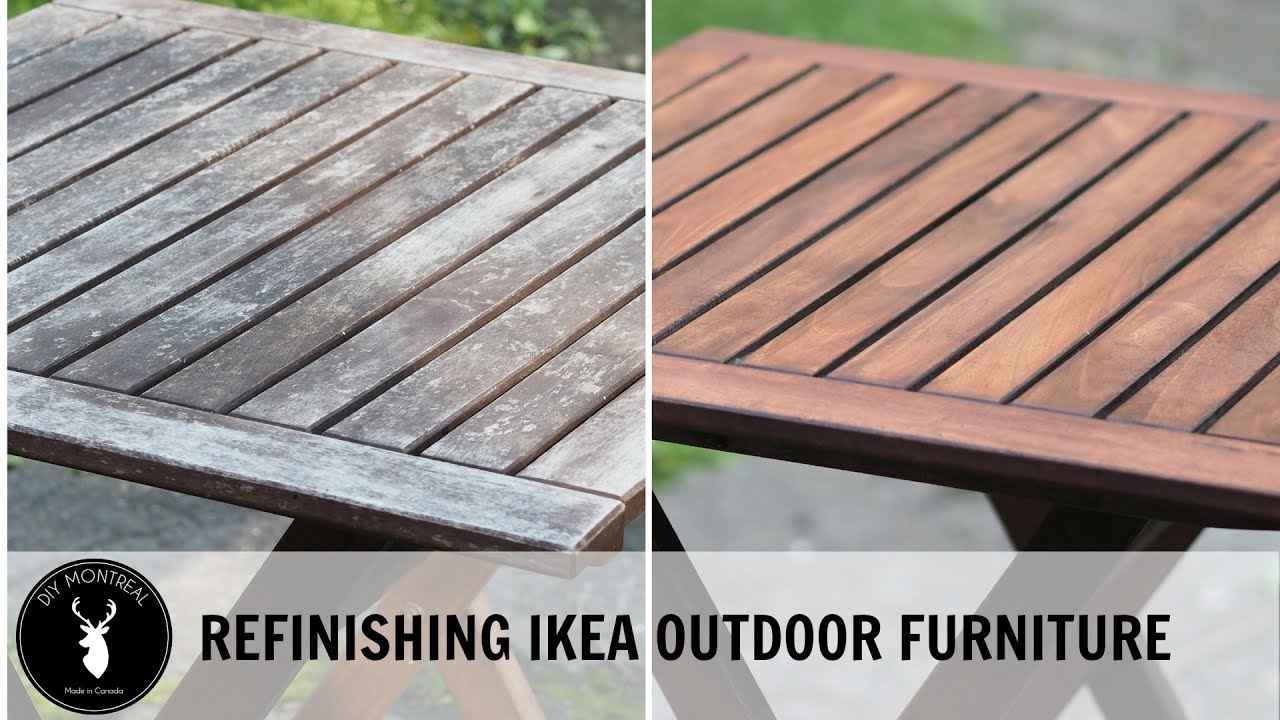
Reapply stain when color fades or wood looks dry. Check for peeling or cracking stain. Usually, every 1-2 years is enough. Lightly sand the surface before applying new stain. This helps the new coat stick well.
Protecting Furniture During Off-seasons
Cover furniture with waterproof covers in rain or snow. Store pieces indoors if possible during winter. Keep furniture off the ground to prevent moisture damage. Remove covers on dry days to avoid mold. Proper protection extends furniture life greatly.
Common Mistakes To Avoid
Choosing the right stain for outdoor furniture is important. Avoiding common mistakes can save time and effort. These errors can ruin the finish and reduce protection. Learning what to avoid helps your furniture last longer and look better.
Applying Stain On Dirty Surfaces
Staining furniture without cleaning is a common mistake. Dirt and dust stop the stain from soaking in. This leads to uneven color and peeling. Always clean the surface well before staining. Use a brush or cloth to remove all dirt.
Ignoring Weather Conditions
Staining in bad weather causes problems. Rain or high humidity prevents the stain from drying. Strong sun can dry the stain too fast. Both cause uneven finish and damage. Choose a dry, mild day for best results. Check the weather forecast before you start.
Using Incompatible Stains
Not all stains work on every type of wood or finish. Using the wrong stain can cause peeling or discoloration. Match the stain to your furniture’s material. Oil-based stains work well on hardwoods. Water-based stains suit softwoods better. Read the product label to ensure compatibility.
Credit: www.youtube.com
Frequently Asked Questions
What Type Of Stain Is Best For Outdoor Wood Furniture?
Oil-based stains are ideal for outdoor wood furniture. They penetrate deeply, repel water, and resist fading. These stains protect against weather damage and enhance wood grain, extending furniture life.
Can I Use Water-based Stain On Outdoor Furniture?
Yes, water-based stains work well on outdoor furniture. They dry quickly, have low odor, and are easy to clean. However, they may require more frequent reapplication than oil-based stains.
How Often Should I Reapply Stain On Outdoor Furniture?
Reapply stain every 1 to 3 years depending on exposure. Check for fading, peeling, or water absorption signs. Regular maintenance keeps furniture protected and looking fresh.
Does Stain Protect Outdoor Furniture From Uv Damage?
Yes, many stains include UV inhibitors to prevent sun damage. This protection helps maintain color and prevents wood from drying or cracking. Always choose stains labeled with UV protection.
Conclusion
Choosing the right stain protects your outdoor furniture well. Oil-based stains last longer and resist water better. Water-based stains dry quickly and offer easy cleanup. Consider the wood type and weather conditions around you. Regular maintenance keeps the furniture looking fresh and new.
A good stain enhances the wood’s natural beauty. Take time to apply the stain carefully for best results. Enjoy your outdoor space with furniture that stays strong. Simple steps lead to lasting protection and charm.