Are you thinking about making outdoor furniture and wondering if poplar wood is the right choice? You want something that looks good, lasts long, and stands up to the weather.
But is poplar wood really up to the task? Before you spend your time and money, it’s important to know the strengths and weaknesses of this wood. Keep reading, and you’ll discover everything you need to decide if poplar wood fits your outdoor furniture plans perfectly.
Poplar Wood Basics
Poplar wood is a popular choice in woodworking. It is known for its light color and smooth texture. Many people wonder if poplar wood is good for outdoor furniture. To understand this, we first need to know the basics of poplar wood. This section covers what poplar wood is, its types, and common uses.
Types Of Poplar Wood
Poplar wood comes from several tree species. The main types are yellow poplar and white poplar. Yellow poplar has a light greenish tint with streaks of brown. White poplar is paler with a more uniform color. Both types are soft hardwoods, meaning they are easy to cut and shape. These woods are lightweight but not very strong compared to other hardwoods.
Common Uses Of Poplar
Poplar wood is widely used in furniture making. It is common for indoor furniture like cabinets and shelves. Poplar also works well for painted furniture because of its smooth surface. It is often used for crafts, moldings, and plywood. While poplar is good indoors, it is not very resistant to weather. This limits its use for outdoor furniture unless properly treated.
Durability Factors
Durability plays a big role in choosing wood for outdoor furniture. Poplar wood is popular but has specific durability features. Understanding these helps decide if poplar fits your outdoor needs.
Resistance To Moisture
Poplar wood has low natural resistance to moisture. It can absorb water easily, which may cause swelling or warping. This makes it less ideal for wet or humid areas. Applying sealants or finishes helps protect poplar from water damage.
Impact Of Weather Conditions
Poplar does not handle extreme weather well. Sunlight can fade its color quickly. Rain and snow may weaken the wood over time. Regular maintenance is needed to keep poplar furniture strong outdoors.
Wear And Tear Over Time
Poplar wood is soft compared to hardwoods. It can dent or scratch easily with daily use. It wears down faster under heavy use or rough handling. Careful use and protective coatings extend its life outdoors.
Poplar Vs Other Woods
Poplar wood is often compared to other popular woods for outdoor furniture. Understanding how it stands against them helps in making the right choice. Each wood has unique qualities that affect durability, appearance, and maintenance.
Poplar is affordable and easy to work with. But does it match the strength and weather resistance of woods like teak and cedar? Let’s explore these differences to see which wood fits best for outdoor use.
Comparison With Teak And Cedar
Teak is famous for its natural oils that resist water and pests. It stays strong and beautiful for many years outdoors. Cedar also has natural oils but is lighter and less dense than teak. Cedar resists rot and insects well, making it a good choice for outdoor furniture.
Poplar lacks these natural oils. It can absorb moisture, which may cause swelling or warping over time. Poplar needs a good sealant or paint to protect it outside. It is not as durable as teak or cedar but can be a budget-friendly option if treated properly.
Strength And Hardness Differences
Teak ranks high in strength and hardness. It can handle heavy use and harsh weather. Cedar is softer but still strong enough for outdoor furniture. It is easier to shape and less likely to crack.
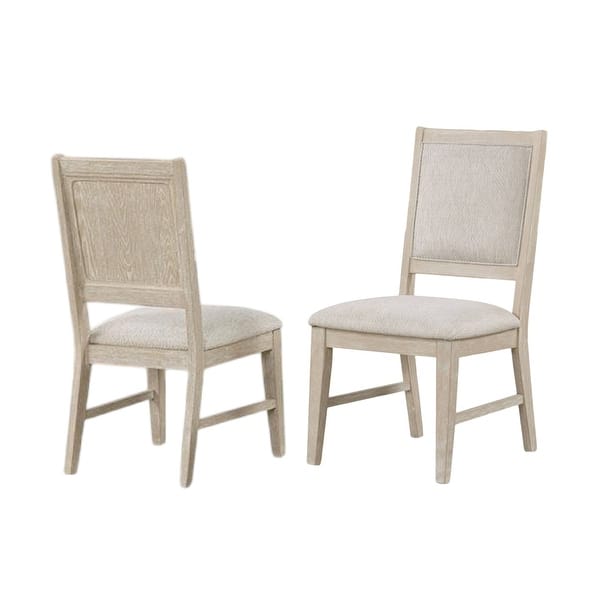
Poplar is softer and less dense than both teak and cedar. It dents and scratches more easily. Its lower hardness means it might not last as long outside without damage. Poplar is better for covered or less exposed outdoor areas.
Credit: www.bedbathandbeyond.com
Treatment And Maintenance
Poplar wood is soft and light, making it easy to work with for outdoor furniture. Yet, its natural properties require good treatment and care. Without proper protection, poplar can absorb moisture and wear down quickly. Regular maintenance keeps furniture looking fresh and lasting longer. Understanding how to treat poplar wood helps protect it from sun, rain, and insects.
Protective Finishes For Poplar
Applying a protective finish shields poplar from weather damage. Use exterior-grade paint or varnish to create a strong barrier. Oil-based finishes penetrate the wood and repel water well. Polyurethane coatings add a hard layer to resist scratches and moisture. Sealants prevent the wood from swelling and cracking. Reapply finishes every year or two to keep protection strong.
Regular Maintenance Tips
Clean poplar furniture regularly with mild soap and water. Avoid harsh chemicals that can strip finishes. Dry the furniture completely after washing to stop mold growth. Check for cracks or peeling finish and repair quickly. Sand rough spots gently before adding new finish. Cover furniture or store it indoors during harsh weather. Small steps in care extend the life of poplar outdoor furniture.
Cost And Availability
Cost and availability play a big role in choosing wood for outdoor furniture. These factors affect your budget and project timeline. Poplar wood often fits well within many budgets. It is easy to find in many places. This makes it a practical choice for outdoor furniture projects.
Price Range Compared To Other Woods
Poplar wood usually costs less than hardwoods like oak or teak. It offers a budget-friendly option for those on a tight budget. Pine and fir are often cheaper but less durable outside. Poplar balances cost and quality well. You get decent strength without a high price.
Sourcing Poplar Wood
Poplar grows widely in North America and Europe. This wide growth makes it easy to source locally. Many lumber suppliers stock poplar year-round. It is also available in various sizes and grades. You can find poplar in big home centers or specialty wood stores. This ready availability helps reduce shipping costs and wait times.
Credit: woodworkly.com
Best Uses For Poplar Outdoors
Poplar wood has unique qualities that make it useful outdoors. It is lightweight and easy to work with. Though not as durable as hardwoods, it can still serve well in many outdoor applications. Proper treatment and maintenance help poplar last longer outside.
Suitable Furniture Types
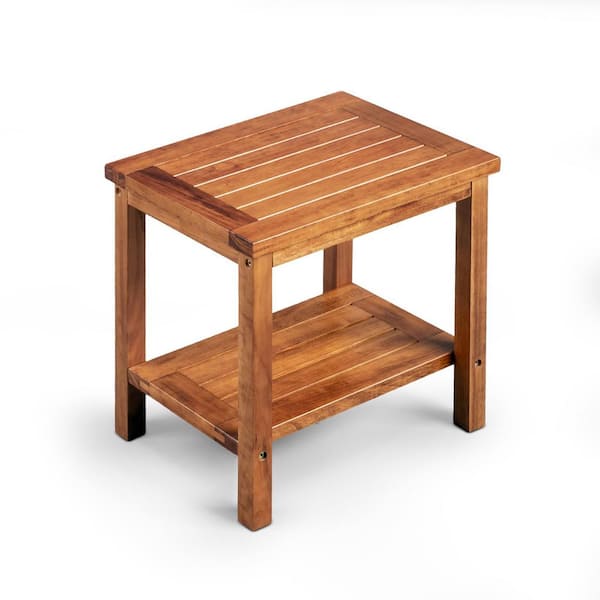
Poplar works well for outdoor furniture with light use. It suits chairs, benches, and side tables. These pieces do not face heavy wear or constant moisture. Poplar is ideal for decorative items or those in covered spaces. It can also be good for planters and garden boxes. These items benefit from poplar’s smooth surface and easy painting.
Design Considerations
Design poplar furniture with protection in mind. Use paint or sealant to guard against moisture and sun. Keep pieces off the ground to reduce water damage. Add cushions or covers to extend life and comfort. Choose simple shapes to avoid weak spots. Proper joinery and fasteners improve strength. Regular upkeep is key to maintaining poplar outdoors.
Credit: www.homedepot.com
Frequently Asked Questions
Is Poplar Wood Durable For Outdoor Furniture?
Poplar wood is moderately durable but not naturally resistant to moisture or insects. It needs sealing and treatment for outdoor use. Without protection, poplar can warp or rot over time when exposed to weather elements.
How Does Poplar Wood Compare To Other Outdoor Woods?
Poplar is softer and less weather-resistant than woods like teak or cedar. It is more affordable but requires more maintenance for outdoor furniture. Proper finishing can improve its lifespan outdoors but it’s not the best natural option.
Can Poplar Wood Withstand Rain And Humidity?
Poplar wood does not naturally withstand rain or humidity well. It absorbs moisture easily, leading to swelling and decay. Applying waterproof sealants regularly is essential to protect poplar furniture outdoors.
What Treatments Improve Poplar Wood’s Outdoor Performance?
Using water-resistant sealants, stains, and varnishes can enhance poplar wood’s durability outside. Regular reapplication is necessary to maintain protection against moisture and UV damage. These treatments help prevent warping, cracking, and fungal growth.
Conclusion
Poplar wood offers a budget-friendly option for outdoor furniture. It is lightweight and easy to work with, making it popular for DIY projects. While it lacks natural resistance to weather, proper sealing can protect it well. Regular maintenance keeps poplar furniture looking good longer.
Choose poplar if you want affordable and versatile wood. Just remember to treat it to withstand outdoor conditions. This wood can be a smart choice for many outdoor uses.