
Choosing the right wood for your outdoor furniture can make all the difference between a beautiful, long-lasting piece and one that quickly fades or breaks down. You want something sturdy, weather-resistant, and easy to maintain.
But with so many options out there, how do you know which wood is best for your patio or garden? This guide will help you discover the types of wood that stand up to sun, rain, and time—so you can enjoy your outdoor space without worry.
Keep reading to find out which wood will give you the perfect blend of durability and style for your outdoor furniture.
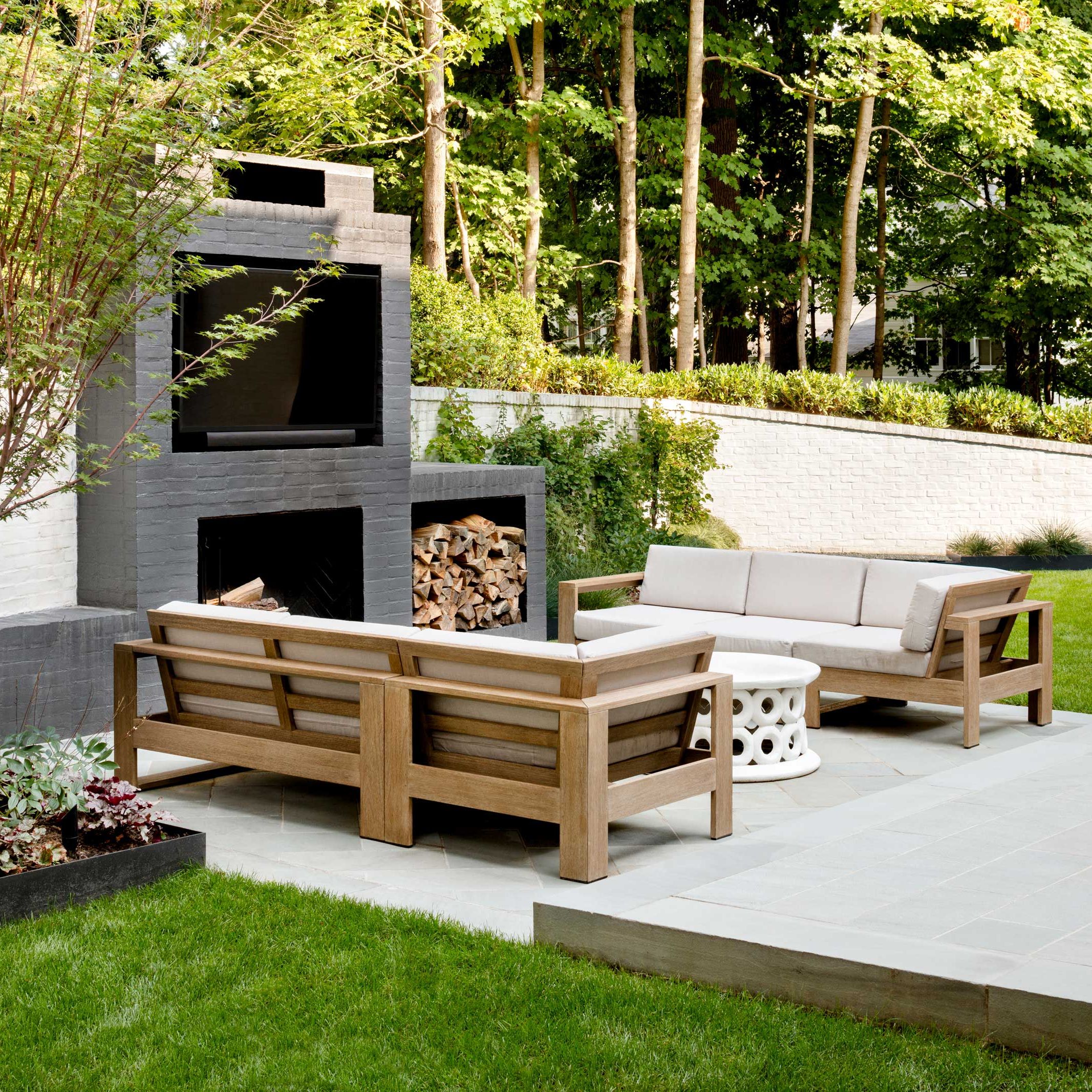
Credit: www.livingetc.com
Best Woods For Outdoor Furniture
Choosing the right wood for outdoor furniture is important for durability and style. Some woods handle weather and insects better. Others offer a beautiful look that lasts for years. Below are some of the best woods for outdoor furniture that suit various budgets and tastes.
Teak: The Classic Choice
Teak is famous for its strength and natural oils. These oils protect the wood from rain and sun. Teak furniture can last many years without much care. It has a warm, golden color that ages to a soft gray. This wood resists warping, cracking, and insects well.
Cedar: Natural Resistance
Cedar contains natural oils that fight off decay and bugs. It feels light and smells pleasant. Cedar wood stays stable in changing weather. It is easy to work with and has a reddish hue. This wood is a good pick for outdoor use on a budget.
Redwood: Elegant And Durable
Redwood offers a rich color and smooth finish. It resists moisture and insects naturally. This wood is strong but still lightweight. Redwood furniture holds up well against rain and sun. It adds a classic and elegant look to any space.
Eucalyptus: Affordable Alternative
Eucalyptus is a fast-growing hardwood with good durability. It has natural oils that protect it outdoors. This wood looks similar to teak but costs less. Eucalyptus furniture needs regular oiling to keep its color. It is a smart choice for budget-friendly outdoor pieces.
Acacia: Stylish And Sturdy
Acacia wood is hard, dense, and water-resistant. It has a rich, dark color with unique grain patterns. This wood works well for modern and rustic styles. Acacia furniture is strong and lasts long outside. It requires some maintenance to keep its finish fresh.
Factors Influencing Wood Durability
Choosing wood for outdoor furniture involves understanding what makes wood last. Durability depends on several key factors. These factors help wood resist weather and wear over time. Knowing them helps pick wood that stays strong and beautiful.
Moisture Resistance
Wood exposed to rain and humidity can rot or warp. Some woods absorb less water. This helps them avoid swelling and cracking. Woods like teak and cedar have natural oils that repel moisture. Choosing wood with high moisture resistance is crucial for outdoor use.
Insect And Fungi Resistance
Insects and fungi cause damage to many woods. Certain woods have natural chemicals that keep pests away. These woods resist decay and insect attacks better. Examples include redwood and cypress. Wood that resists pests lasts longer outdoors.
Grain And Density
Wood grain and density affect strength and durability. Tight, straight grain usually means stronger wood. Dense wood has fewer pores, making it harder for water to enter. Hardwoods like oak and mahogany have tight grains and high density. These woods hold up well outside.
Maintenance Requirements
All wood needs some care to stay durable. Some woods need regular sealing or oiling. Others can last longer with less care. Knowing how much maintenance wood needs helps pick the right one. Low-maintenance woods save time and effort while still lasting long.
Comparing Wood Types By Climate Suitability
Choosing the right wood for outdoor furniture depends on the climate where it will be used. Different woods handle weather changes in unique ways. Some woods resist moisture well. Others stand up to heat or cold. Understanding climate suitability helps pick wood that lasts longer and looks better.
Hot And Humid Conditions
Teak is a top choice for hot and humid areas. It contains natural oils that repel water and bugs. Cedar also works well. It resists rot and stays stable in moisture. Both woods need little maintenance in these climates.
Cold And Wet Environments
Redwood and cypress suit cold, wet places. They resist decay and absorb less water. These woods maintain strength during freezing temperatures. Proper sealing increases their life span outdoors.
Dry And Arid Areas
In dry, arid zones, eucalyptus and acacia are good options. They handle heat and dry air without cracking. These woods stay strong and keep their color longer. Regular oiling helps prevent dryness damage.

Credit: authenteak.com
Treatment And Finishing Tips
Wooden outdoor furniture needs care to last long and look good. Treatment and finishing keep wood safe from weather and bugs. Proper care stops wood from cracking, fading, and rotting. Follow simple steps to protect your outdoor pieces.
Sealing And Staining
Seal wood to block water and sun damage. Use a good wood sealer before staining. Staining adds color and extra protection. Choose a stain with UV protection to prevent fading. Apply sealers and stains on clean, dry wood. Let each coat dry fully before adding another.
Regular Cleaning
Clean furniture often to stop dirt buildup. Use mild soap and water with a soft brush. Avoid harsh chemicals that can damage wood. Rinse well and dry with a cloth. Regular cleaning keeps wood fresh and ready for sealing or staining.
Repairing And Refinishing
Check furniture for cracks or loose parts. Fill small cracks with wood filler made for outdoors. Sand rough spots gently to smooth the surface. Strip old finish if it peels or looks worn. Refinish by applying new stain or sealer. Fixing damage early saves wood and money later.
Sustainable Wood Choices
Choosing wood for outdoor furniture involves thinking about the planet. Sustainable wood choices help protect forests and reduce waste. These options use wood responsibly and keep nature safe. Sustainable wood also lasts long outdoors, making it a smart pick for furniture.
Certified Wood Sources
Certified wood comes from forests managed with care. Organizations like FSC ensure trees are cut without harming the ecosystem. This wood supports healthy forests and wildlife. It also means the wood is legal and responsibly harvested. Using certified wood helps keep forests strong for future generations.
Reclaimed Wood Options
Reclaimed wood is old wood saved from buildings or furniture. It gets a new life as outdoor furniture. This wood reduces the need to cut new trees. Reclaimed wood often has unique colors and textures. It’s a smart way to recycle and add character to your space.
Eco-friendly Alternatives
Some woods grow fast and need less care, like bamboo. Bamboo is strong and good for outdoor use. Other options include woods treated with natural oils, not chemicals. These choices lower harm to the environment. They offer durable, green options for outdoor furniture.
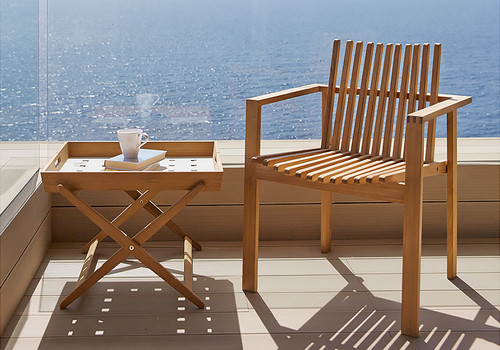
Credit: www.tablelegsonline.com
Cost Vs. Longevity Considerations
Choosing wood for outdoor furniture means weighing cost against how long it lasts. Some woods cost more but stay strong for years. Others are cheaper but may need replacing soon. Understanding this balance helps pick the best wood for your needs and budget.
Initial Investment
Some woods like teak or mahogany have a high upfront price. They resist weather and insects well. Cheaper woods like pine or cedar cost less at first. They need more care and may not last as long outdoors.
Long-term Value
Expensive woods often save money over time. They need less repair and last many years. Cheaper woods might wear out faster and need replacement. This can add up and cost more in the long run.
Balancing Budget And Quality
Pick wood that fits your budget and lasts enough. Consider how much time and effort you want to spend on care. Sometimes mid-priced woods with regular maintenance work best. This balance keeps your furniture looking good and saves money.
Frequently Asked Questions
What Wood Lasts Longest For Outdoor Furniture?
Teak wood is known for its longevity and resistance to weather. It contains natural oils that protect it from moisture and insects. This makes teak an excellent choice for durable outdoor furniture that requires minimal maintenance.
Is Cedar Wood Good For Outdoor Furniture?
Yes, cedar is great for outdoor furniture. It naturally resists rot, decay, and insect attacks. Cedar also has a pleasant aroma and a beautiful reddish hue, making it both functional and attractive for outdoor use.
How Does Eucalyptus Wood Perform Outdoors?
Eucalyptus wood is durable and weather-resistant, ideal for outdoor furniture. It offers good strength and resists decay if properly treated. Its affordability and sustainability make it a popular alternative to traditional hardwoods.
Can Pine Be Used For Outdoor Furniture?
Pine can be used outdoors but requires treatment. It is a softer wood prone to decay if untreated. Applying sealants or paint helps protect pine furniture from moisture and insects, extending its outdoor lifespan.
Conclusion
Choosing the right wood makes outdoor furniture last longer. Teak, cedar, and redwood resist weather well. Each type has its own look and feel. Think about your budget and style too. Treating wood can help protect it further. Good wood means less maintenance and more enjoyment.
Pick wood that suits your climate and needs. Your outdoor space will look great with the right choice. Simple care keeps furniture strong and beautiful for years. Wood quality matters for comfort and durability outside.

