Your outdoor patio furniture is more than just seating—it’s where you relax, entertain, and create memories. But have you noticed how it starts to look worn out over time?
You might wonder what exactly causes this wear and how to spot the signs before it’s too late. You’ll discover the common things that wear out on your outdoor furniture and simple tips to keep it looking fresh longer. Keep reading to protect your investment and enjoy your patio in comfort and style for years to come.
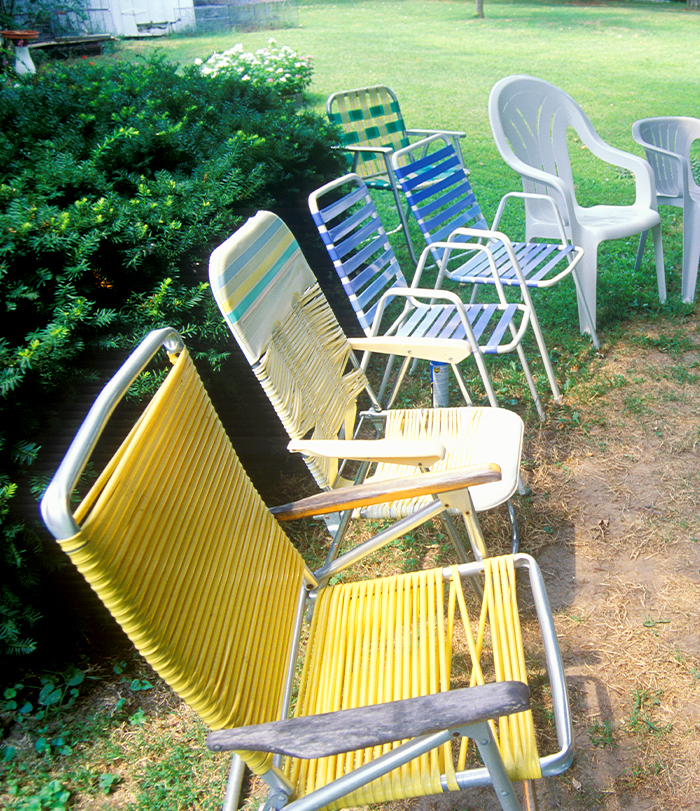
Credit: newagainpatiofurniture.com
Common Wear On Patio Furniture
Outdoor patio furniture faces many challenges from weather and daily use. Over time, these pieces show signs of wear. Recognizing common wear helps extend their life. It also guides proper care and timely repairs.
Fading And Discoloration
Sunlight breaks down the colors on furniture surfaces. Bright hues turn dull and pale. Plastic and painted finishes lose their shine. This fading happens faster in strong sun. Shade or covers can slow the process.
Rust And Corrosion
Metal frames often develop rust spots. Rain and humidity cause metal to corrode. Rust weakens the structure and looks bad. Regular cleaning and protective coatings help prevent rust. Aluminum and stainless steel resist rust better.
Cracks And Splits
Wood and plastic parts can crack over time. Changes in temperature and moisture cause expansion and contraction. This leads to splits and breaks. Cracks let water seep in, causing further damage. Sealing and repairing cracks keeps furniture strong.
Loose Joints And Wobbly Frames
Repeated use loosens screws and bolts. Joints can separate, making furniture unstable. Wobbly chairs and tables risk accidents. Tightening hardware regularly restores stability. Check frames often to catch looseness early.
Fabric Tears And Fraying
Outdoor cushions and covers face wear from sun and use. Fabrics fade, tear, or fray along edges. Rough handling or pets increase damage. Washing and storing fabrics properly extends life. Choose durable, weather-resistant materials for outdoor use.
Material-specific Wear Patterns
Outdoor patio furniture faces many challenges from weather and use. Different materials show wear in unique ways. Understanding these wear patterns helps keep furniture in good shape longer.
Each material reacts differently to sun, rain, and temperature changes. Some materials warp, others crack or peel. Knowing what to expect guides proper care and maintenance.
Wood: Warping And Rot
Wood patio furniture often warps due to moisture. Rain and humidity cause wood to swell and bend. Over time, wood can also develop rot, especially if water stays on the surface. Rot weakens the structure and damages the wood fibers. Regular sealing or staining helps protect wood from these issues.
Metal: Oxidation And Peeling Paint
Metal furniture faces oxidation from air and moisture. This causes rust to form on exposed surfaces. Rust weakens metal and can create rough patches. Painted metal may show peeling or chipping paint. This exposes metal underneath to rust. Proper coating and touch-ups reduce these problems.
Plastic: Brittleness And Cracking
Plastic furniture can become brittle after long sun exposure. UV rays break down plastic molecules, making them fragile. This often leads to cracks and breaks under pressure. Plastic is lightweight but less durable over time outdoors. Storing plastic furniture in shade extends its life.
Wicker: Unraveling And Breakage
Wicker furniture weaves thin strands tightly together. Exposure to sun and rain causes these strands to dry out and unravel. Broken strands reduce the strength and look of wicker pieces. Synthetic wicker resists damage better but still needs care. Cover wicker furniture when not in use.
Fabric Cushions: Mold And Mildew
Fabric cushions absorb moisture from rain and dew. This creates a perfect place for mold and mildew to grow. Mold stains fabric and causes a bad smell. Mildew can also damage the fabric fibers over time. Using water-resistant covers and drying cushions quickly prevents these issues.
Environmental Factors Affecting Wear
Outdoor patio furniture faces many environmental challenges. These factors cause wear and tear over time. Understanding them helps you care for your furniture better. Each element affects materials differently. Some cause fading, others lead to rust or mold. Awareness can extend your furniture’s life.
Sun Exposure And Uv Damage
The sun’s rays break down furniture materials. UV light fades colors quickly. Fabrics lose their brightness and strength. Plastic parts become brittle and crack. Wood dries out and may splinter. Metal can heat up and weaken. Constant sun exposure speeds up this damage.
Moisture And Rain Effects
Rain and moisture cause several problems. Water can soak into wood, causing swelling. It can lead to mold and mildew growth. Metal parts may rust and corrode. Cushions and fabrics stay damp and smell bad. Moisture can also attract insects and pests. Proper drainage and drying are important.
Temperature Fluctuations
Outdoor furniture faces hot and cold changes daily. Heat makes materials expand and soften. Cold causes shrinking and brittleness. These shifts create cracks and breaks. Wood can warp or split from temperature stress. Metal may become brittle and weaker. Temperature swings speed up wear.
Wind And Debris Impact
Strong winds move furniture and cause scratches. Flying debris can dent or chip surfaces. Dust and dirt settle in cracks and crevices. These particles wear down finishes over time. Loose cushions may blow away or get dirty. Wind protection helps reduce this damage.
Pests And Insects
Insects and pests create hidden damage. Termites and ants eat wood frames. Spiders and bugs build webs in corners. Birds leave droppings that stain surfaces. Small animals may scratch or chew furniture. Regular cleaning and inspections can prevent pest problems.
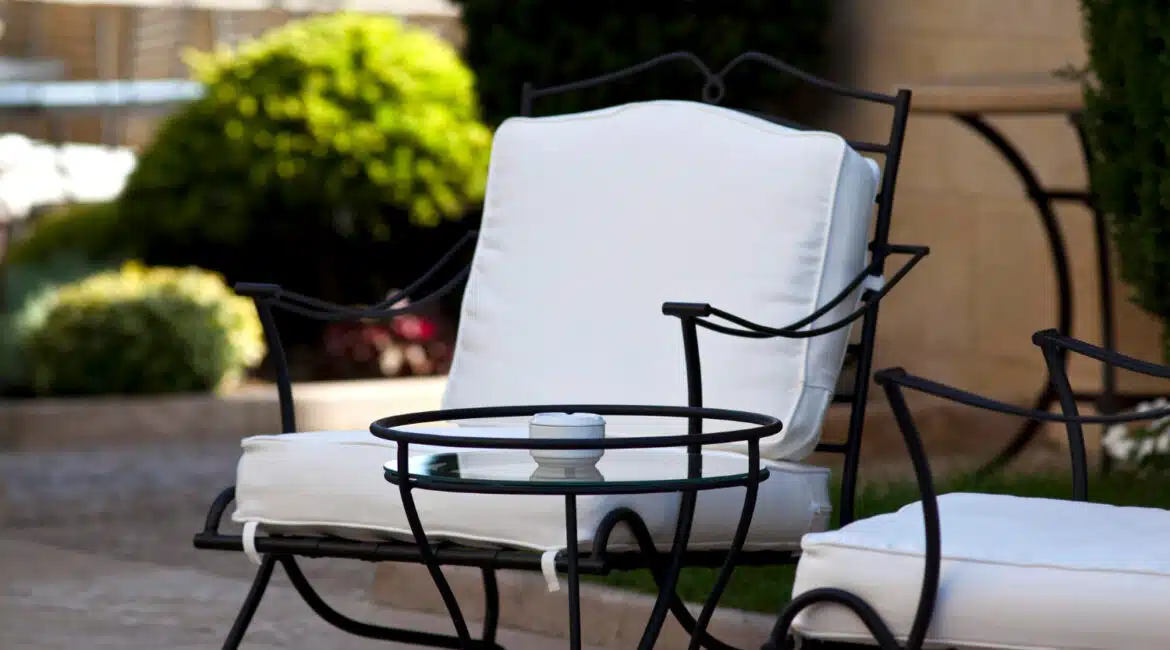
Credit: palmcasual.com
Signs You Need Repairs Or Replacement
Outdoor patio furniture faces many challenges. Sun, rain, wind, and daily use cause wear and tear. Knowing when to repair or replace your furniture helps keep your patio safe and comfortable. Here are clear signs that your outdoor furniture needs attention.
Visible Structural Damage
Look for cracks, breaks, or loose joints. Bent or broken frames signal serious problems. Rust on metal parts weakens furniture strength. Wood that splinters or rots cannot hold weight. These damages reduce stability and lifespan.
Uncomfortable Seating
Worn cushions lose their support quickly. Foam that feels flat or hard causes discomfort. Fabric that tears or sags affects how you sit. If your furniture feels unstable or awkward, it’s time to act. Comfort is key for relaxing outdoors.
Persistent Stains And Odors
Outdoor furniture often collects dirt and spills. Some stains soak deep and don’t go away. Mold or mildew creates unpleasant smells. Lingering odors make your space less inviting. Persistent stains and smells suggest replacement or thorough cleaning needed.
Difficulty In Cleaning
Old furniture may trap dirt in cracks and crevices. Rough surfaces or broken parts make cleaning tough. If cleaning takes too long or is ineffective, consider repair. Easy maintenance keeps your patio looking fresh and ready.
Safety Hazards
Loose screws or nails can cause injury. Sharp edges from broken parts are dangerous. Wobbly chairs or tables risk falls. Safety issues should never be ignored. Fix or replace furniture that threatens your family’s well-being.
Preventive Measures To Extend Life
Outdoor patio furniture faces many challenges. Sun, rain, dirt, and wind wear it down. Taking steps to protect your furniture helps keep it looking good. These measures also save money by avoiding early replacement. Follow easy steps to extend the life of your outdoor furniture.
Regular Cleaning Routines
Cleaning removes dirt and grime that cause damage. Use mild soap and water for most materials. Wipe down surfaces weekly to stop buildup. Avoid harsh chemicals that harm finishes. Clean cushions and fabrics gently and let them dry fully. Regular cleaning keeps furniture fresh and prevents stains.
Protective Covers And Storage
Covers shield furniture from rain, sun, and dust. Choose waterproof and breathable covers for best results. Use covers whenever furniture is not in use. Store furniture indoors during harsh weather or winter months. Proper storage prevents rust, fading, and mold growth.
Seasonal Maintenance Tips
Check furniture for loose screws or broken parts each season. Tighten bolts and replace damaged pieces promptly. Apply protective sealants or paint to wood and metal. Clean and dry cushions before storing them away. Seasonal care keeps furniture sturdy and attractive.
Choosing Durable Materials
Materials affect how long furniture lasts outdoors. Aluminum, teak, and synthetic wicker resist weather well. Avoid untreated wood or cheap metals prone to rust. Look for UV-resistant fabrics for cushions. Durable materials reduce wear and lower maintenance needs.
Proper Placement And Usage
Place furniture in shaded areas to reduce sun damage. Avoid placing pieces directly on grass or soil. Use furniture on solid surfaces like patios or decks. Lift furniture when moving to prevent scratches. Correct use and placement help maintain strength and beauty.
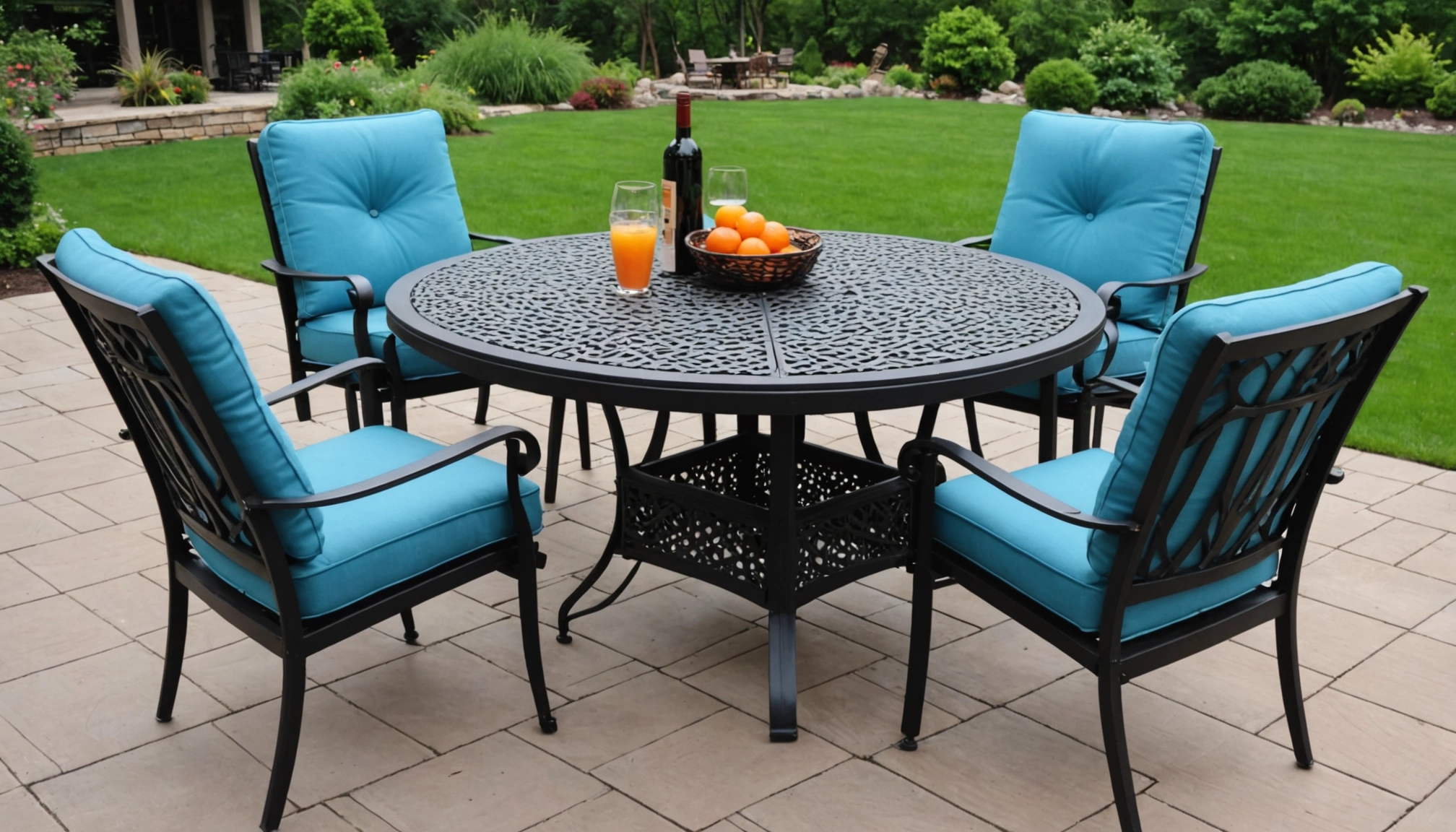
Credit: hauserspatio.com
Frequently Asked Questions
What Materials Wear Out Fastest On Outdoor Patio Furniture?
Fabric cushions and wooden surfaces usually wear out fastest. Sun exposure, moisture, and dirt cause fading, cracking, and mildew. Metal parts may rust if not treated. Regular cleaning and protective covers can extend their lifespan significantly.
How Does Sun Exposure Affect Patio Furniture Durability?
Sun exposure causes fading, cracking, and weakening of materials. UV rays break down fabrics and finish on wood or metal. Using UV-resistant coatings and shade can help protect furniture from sun damage.
Can Moisture Damage Outdoor Patio Furniture?
Yes, moisture can cause wood to rot, metal to rust, and fabrics to develop mold. Proper drainage, waterproof covers, and storing cushions indoors during wet weather reduce moisture damage.
How Often Should Outdoor Furniture Be Maintained?
Maintenance should be done seasonally or after heavy weather exposure. Clean surfaces, tighten screws, and apply protective finishes regularly. This prevents wear and prolongs furniture life effectively.
Conclusion
Outdoor patio furniture faces wear from sun, rain, and dirt. Fabrics fade and cushions lose shape over time. Metal parts can rust, and wood may crack or warp. Regular care helps furniture last longer and look better. Simple cleaning and covering pieces protect them well.
Choose materials that fit your weather and use. Remember, small efforts keep your patio inviting and cozy. Enjoy your outdoor space without worry.