Are you wondering if Polycrylic is the right choice to protect your outdoor wood furniture? You want your pieces to look great and last longer, but not every finish can handle the tough outdoor elements.
Choosing the wrong product could mean peeling, cracking, or fading that ruins your investment. You’ll discover whether Polycrylic can truly stand up to sun, rain, and wear outside—and what you need to know before applying it to your wood. Keep reading to make the best decision for your furniture’s beauty and durability.
Polycrylic Basics
Understanding polycrylic is essential before using it on outdoor wood furniture. This clear finish offers unique features and limits. Knowing its basics helps you decide if it fits your project.
Polycrylic works well for many wood surfaces. Yet, its performance outdoors depends on several factors. Let’s explore what polycrylic is and how it behaves.
What Is Polycrylic
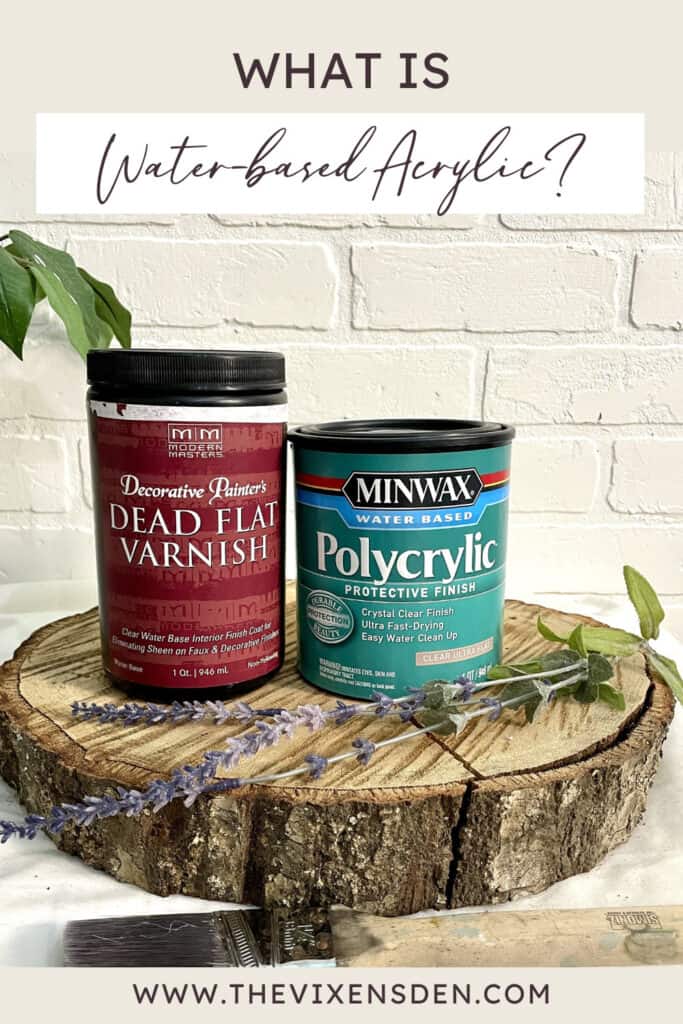
Polycrylic is a water-based protective finish. It creates a clear, hard coating on wood surfaces. This finish dries fast and cleans up easily with soap and water. Polycrylic is less smelly than oil-based finishes. It protects wood from scratches and stains. It is available in gloss, semi-gloss, and satin sheens.
Common Uses Indoors
People often use polycrylic indoors on furniture and trim. It works well on cabinets, shelves, and tables. Polycrylic enhances wood’s natural look without adding color. It is popular for light-colored woods. It does not yellow over time like oil-based finishes. It also protects surfaces from moisture and wear.
Formulation And Properties
Polycrylic contains acrylic polymers suspended in water. This formula makes it fast-drying and low in odor. It forms a thin, clear film that resists scratches. Polycrylic is less flexible than some other finishes. It can peel if exposed to constant moisture or sun. It is best suited for indoor use or covered areas.
Polycrylic On Outdoor Wood
Polycrylic is a popular clear finish used on wood indoors. Many people wonder if it works well on outdoor wood furniture. Outdoor furniture faces tough conditions like rain, sun, and temperature changes. Understanding how polycrylic performs outside helps you choose the right finish for your wood pieces.
Durability Factors
Polycrylic creates a hard, clear coat on wood surfaces. It protects against scratches and stains. But it is thinner than some outdoor finishes. Over time, outdoor exposure can cause polycrylic to peel or crack. It may need frequent reapplication to keep wood safe. Wood type and furniture use also affect how long polycrylic lasts outside.
Water Resistance
Polycrylic is water-based and offers some water resistance. It helps prevent water from soaking into wood. Still, it is not fully waterproof. Heavy rain or constant moisture can damage the finish. Water can seep under the polycrylic and cause wood swelling or warping. For better protection, use polycrylic with other water-resistant treatments.
Uv Protection Limitations
Polycrylic has limited protection against UV rays from the sun. UV rays cause wood to fade and finish to break down. Without strong UV blockers, polycrylic can yellow or peel outdoors. It does not stop wood from graying over time. Using a finish with UV inhibitors is better for sun-exposed furniture.
Comparing Polycrylic With Other Finishes
Choosing the right finish for outdoor wood furniture is important. Polycrylic is popular for indoor use, but how does it compare to other finishes outdoors? Understanding the differences helps pick the best option for lasting protection and beauty. Below, we compare Polycrylic with common finishes to see which suits outdoor wood best.
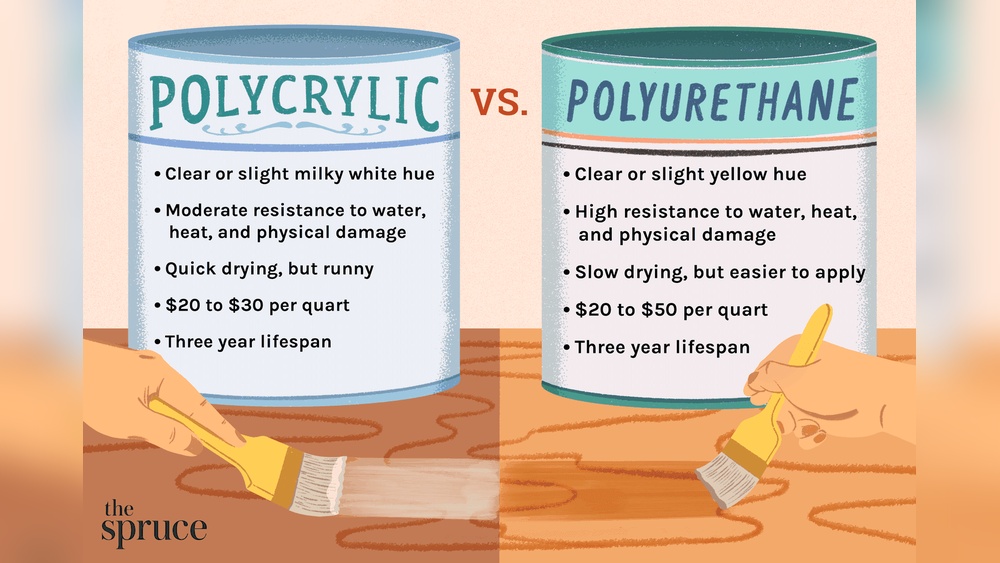
Polyurethane Vs Polycrylic
Polyurethane offers strong protection against water and wear. It works well outside because it resists moisture and UV rays better than Polycrylic. Polycrylic dries clear and fast but is water-based and less durable outdoors. It may peel or cloud under sun and rain. Polyurethane, especially oil-based types, forms a tougher coat for outdoor use.
Spar Varnish And Marine Finishes
Spar varnish and marine finishes are made for outdoor wood. They flex with wood movement and resist water deeply. These finishes protect wood in harsh weather and salt air. Polycrylic lacks flexibility and strong UV blockers. Spar varnish creates a long-lasting, glossy shield. Marine finishes offer the highest defense for wood exposed to water.
Oil-based Vs Water-based Options
Oil-based finishes soak into wood and protect from inside. They last longer outdoors and handle moisture well. Water-based finishes like Polycrylic dry quickly and have low odor. They are easy to clean but wear down faster outside. Oil-based options often yellow over time. Water-based finishes keep wood color but need more reapplication outdoors.
Credit: www.cravingsomecreativity.com
Application Tips For Outdoor Use
Applying polycrylic on outdoor wood furniture needs care and attention. Proper steps help protect wood from sun, rain, and wear. Follow these tips for best results and longer-lasting finish.
Surface Preparation
Clean the wood thoroughly before applying polycrylic. Remove dirt, dust, and old finishes. Sand the surface with fine-grit sandpaper until smooth. Wipe off dust with a damp cloth. Let the wood dry completely to avoid trapping moisture.
Number Of Coats Needed
Apply at least three coats of polycrylic for outdoor use. Each coat adds a layer of protection against moisture and UV rays. Use a high-quality brush or foam applicator. Allow light sanding between coats to ensure good adhesion.
Drying And Curing Time
Let each coat dry for 2 to 3 hours in a well-ventilated area. Avoid applying in direct sunlight or high humidity. Full curing takes about 24 to 48 hours. During this time, keep furniture away from water and heavy use.
Maintenance And Longevity
Maintaining outdoor wood furniture treated with Polycrylic is key to its long life. Proper care helps keep the finish strong and protects the wood from weather damage. Understanding how to spot wear, when to reapply, and how to clean the surface will extend the furniture’s beauty and durability.
Signs Of Wear
Look for dull spots or areas where the shine fades. Peeling or cracking of the finish shows the Polycrylic is breaking down. Water may soak into the wood, causing dark spots or swelling. These signs mean the protective layer is thinning and needs attention.
Reapplication Frequency
Polycrylic does not last forever outdoors. Reapply the finish every one to two years for best protection. More often if the furniture faces strong sun, rain, or heavy use. Light sanding before each coat helps the new layer stick well.
Cleaning And Care
Clean the furniture regularly with mild soap and water. Avoid harsh chemicals that can damage the finish. Use a soft cloth or brush to remove dirt gently. Dry the surface thoroughly to prevent moisture damage. Proper cleaning keeps the Polycrylic looking fresh longer.
Credit: thevixensden.com
Expert Recommendations
Polycrylic is a popular choice for wood finishing inside homes. Many wonder if it suits outdoor wood furniture too. Experts share clear advice about its use outside. Understanding their tips helps you protect your furniture better.
This section covers when to use polycrylic outdoors, best ways to apply it, and alternatives for tough weather.
When To Use Polycrylic Outdoors
Polycrylic works well on wood in covered outdoor areas. It suits places shielded from direct rain and sunlight. Use it on porch furniture under a roof or patio sets with umbrellas. It is not ideal for wood exposed directly to harsh weather.
Experts say choose polycrylic only for light outdoor use. It offers a nice finish but lacks strong water and UV protection.
Best Practices
Clean and sand wood before applying polycrylic. Use a high-quality brush for smooth coats. Apply thin, even layers and let each dry fully. Two to three coats improve durability. Avoid thick layers to prevent peeling. Reapply every year for fresh protection.
Store furniture indoors or cover it during heavy rain or snow. This helps polycrylic last longer outdoors.
Alternatives For Harsh Conditions
For wood fully exposed to weather, experts recommend stronger finishes. Exterior-grade polyurethane or spar varnish offer better water and sun resistance. These finishes protect wood for years against rain, sun, and temperature changes.
Using marine varnish works well for coastal or very humid areas. These products form a tough, flexible layer. They prevent cracking and fading much better than polycrylic.
Credit: jenwoodhouse.com
Frequently Asked Questions
Does Polycrylic Protect Outdoor Wood Furniture Well?
Polycrylic offers a clear finish but is not ideal for outdoor use. It lacks UV resistance and water protection, leading to peeling and damage over time.
Can Polycrylic Withstand Weather Exposure Outdoors?
Polycrylic is water-based and not designed for harsh weather. It may crack, peel, or discolor when exposed to sun, rain, or humidity.
What Finish Is Better Than Polycrylic For Outdoor Wood?
Oil-based spar urethane or exterior-grade polyurethane provide superior durability and UV protection for outdoor wood furniture.
How Should I Apply Polycrylic On Outdoor Furniture?
Polycrylic is best applied indoors on smooth, dry wood. For outdoor use, multiple coats and frequent maintenance are necessary but not recommended.
Conclusion
Polycrylic can protect outdoor wood, but it has limits. It works best in dry places with little sun or rain. For tough weather, stronger finishes suit better. Always prepare wood well before applying any coating. Regular maintenance keeps furniture looking fresh longer.
Choose the right product for your climate and use. This helps your outdoor wood last and stay beautiful. Simple care makes a big difference in furniture life.


