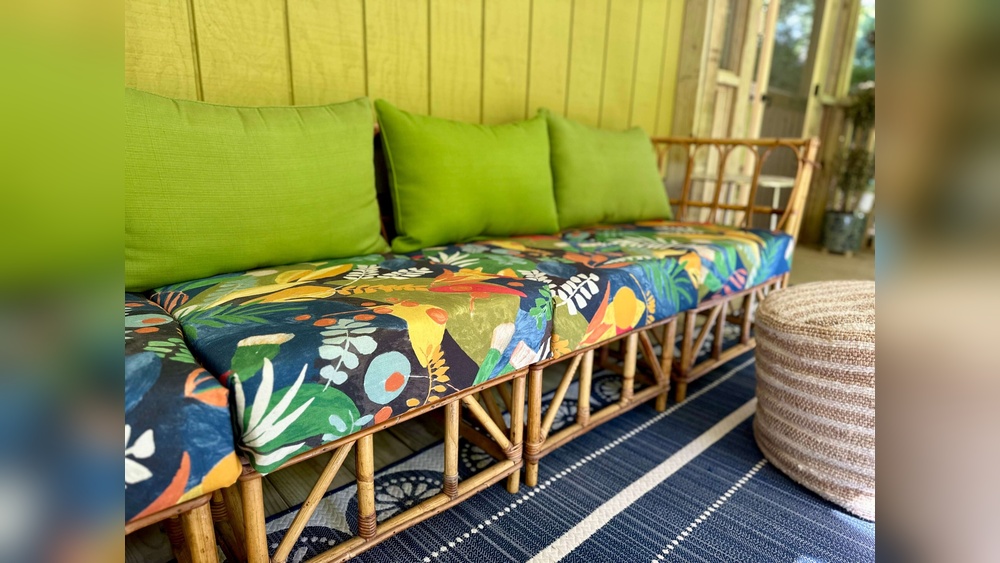
Are you looking to add a touch of natural beauty and comfort to your outdoor space? Making your own rattan outdoor furniture can be a rewarding project that transforms your patio or garden into a cozy retreat.
Imagine having unique pieces that reflect your style and craftsmanship, all while enjoying durable and stylish seating. In this guide, you’ll discover simple steps and expert tips to create stunning rattan furniture that lasts. Ready to bring your outdoor area to life with handmade charm?
Let’s dive in and get started!
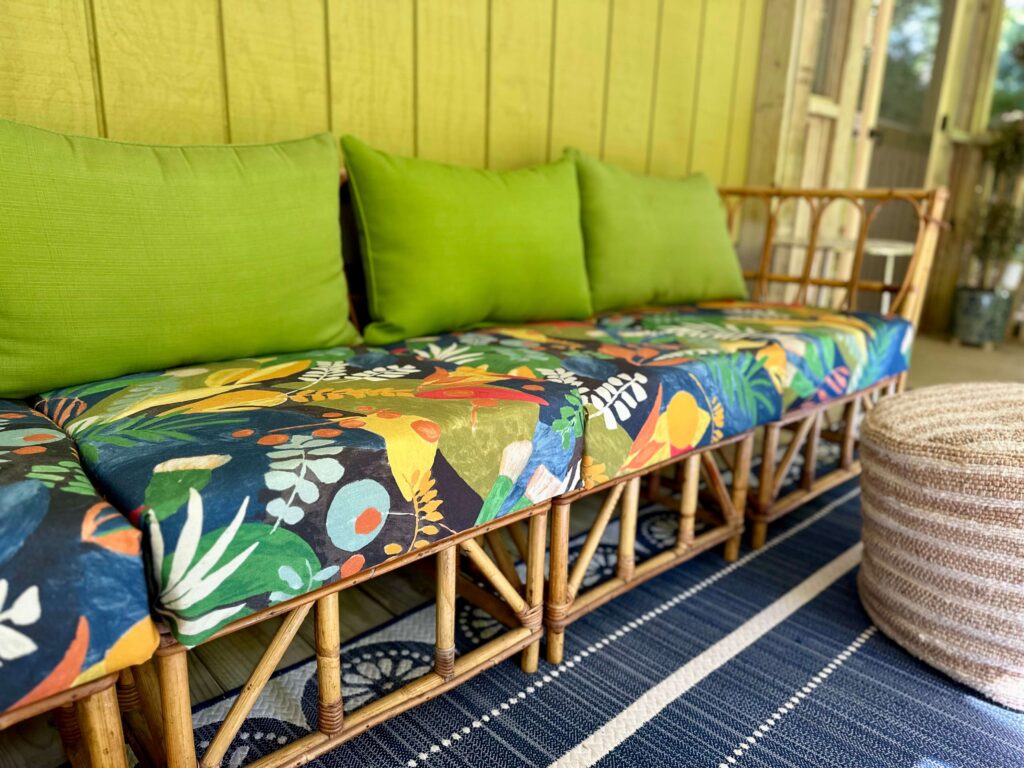
Credit: alifeunfolding.com
Choosing The Right Rattan
Choosing the right rattan is key to making durable outdoor furniture. The type of rattan affects look, feel, and how long the furniture lasts. It also changes how much care the furniture needs. This section helps you pick the best rattan for your project.
Natural Vs Synthetic Rattan
Natural rattan comes from palm plants. It feels warm and looks organic. It is lightweight and flexible, making it easy to shape. But natural rattan can break if wet for long. It may fade in strong sunlight.
Synthetic rattan is made from plastic fibers. It looks like natural rattan but is stronger. It resists water, sun, and insects. Synthetic rattan lasts longer outside with little care. Choose synthetic for durability and low maintenance.
Selecting Quality Materials
Good rattan has tight, even weaving without gaps. Check for smooth finishes and no cracks. The color should be even and rich. Avoid rattan that feels brittle or too soft.
For natural rattan, select pieces that are fully dried. This reduces the chance of mold or warping. For synthetic, pick UV-resistant and thick fibers. These resist fading and damage over time.
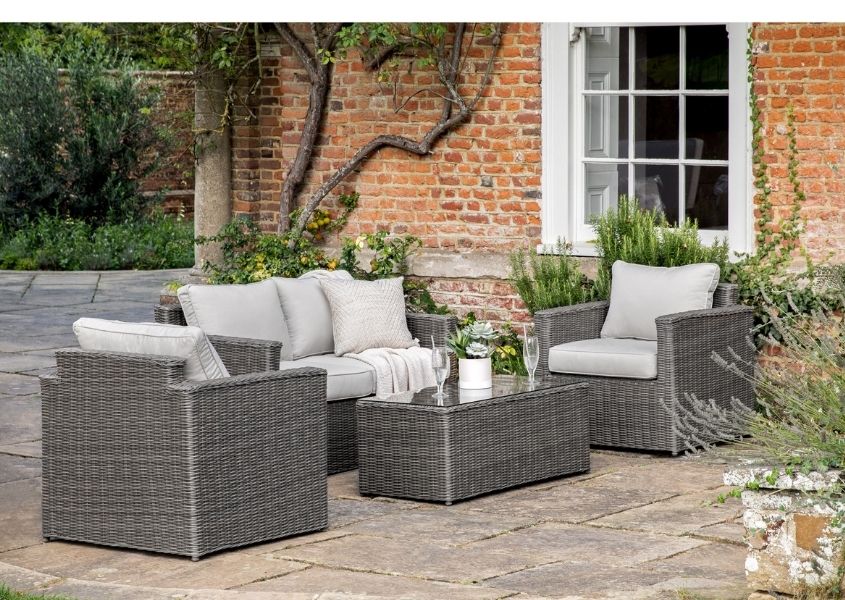
Credit: timberly.co
Essential Tools And Materials
Making rattan outdoor furniture requires certain tools and materials. These help shape, weave, and secure the rattan into sturdy pieces. Having the right items makes the process easier and the results better.
Gathering all essentials before starting saves time and avoids interruptions. It also ensures safety and quality in your work.
Basic Tools Needed
- Measuring tape – for accurate dimensions
- Sharp scissors – to cut rattan cleanly
- Hammer – to drive in nails or fix frames
- Drill – for making holes in wood or metal frames
- Pliers – to bend and hold wires
- Sandpaper – to smooth rough edges
- Utility knife – for detailed trimming
Additional Supplies
- Rattan cane or synthetic rattan strips
- Wood or metal frame for support
- Outdoor glue – to secure joints
- Varnish or sealant – to protect from weather
- Upholstery foam – for cushions
- Outdoor fabric – for cushion covers
- Small nails or screws – for assembly
Designing Your Furniture
Designing rattan outdoor furniture starts with a clear vision. The design sets the tone and function of the piece. It influences comfort, style, and usability.
Good design balances beauty with practicality. It reflects your taste and suits your outdoor space. Thoughtful planning saves time and materials during building.
Planning The Style
Decide the look you want. Rustic, modern, or classic styles work well with rattan. Think about shapes, colors, and patterns. Choose a style that matches your home and garden.
Consider the furniture’s purpose. A lounge chair needs a different style than a dining set. Keep comfort in mind. Add cushions or finishes that enhance the style.
Measuring And Sketching
Measure your outdoor area carefully. Note the space where the furniture will sit. Allow room for movement around the pieces.
Draw simple sketches of your design. Include dimensions for height, width, and depth. Sketching helps visualize the final product. It guides the construction process clearly.
Check measurements twice. Accurate size ensures your furniture fits perfectly and looks balanced.
Preparing The Rattan
Preparing rattan is a key step in making outdoor furniture. It ensures the material is flexible and ready to shape. Proper preparation helps avoid cracks and breakage during weaving. This part focuses on soaking and cutting the rattan correctly.
Soaking And Softening
Rattan is naturally hard and stiff. Soaking makes it soft and easy to bend. Use warm water for soaking. Let the rattan sit for about 30 minutes. Soft rattan bends smoothly without snapping. Avoid soaking too long to prevent damage.
Cutting Techniques
Cutting rattan needs care and precision. Use sharp scissors or a craft knife. Cut at a slight angle for smooth edges. Measure twice before cutting to avoid mistakes. Clean cuts help the rattan fit tightly in the frame. Handle cut pieces gently to keep their shape.
Weaving Techniques
Weaving is the heart of making rattan outdoor furniture. It shapes the look and strength of each piece. Good weaving techniques ensure the furniture lasts long and feels comfortable. Understanding these techniques helps you create beautiful and sturdy designs.
Basic Weave Patterns
Start with simple patterns like the plain weave. It goes over one strand, under the next. Repeat this to make a tight, even surface. Another pattern is the twill weave. It moves over two strands, then under one. This creates a diagonal design and adds texture. These patterns are easy to learn and work well for chairs and tables.
Creating Strong Joints
Joints hold the furniture together. Use tight weaving around corners and edges. Wrap the rattan strands several times for extra strength. Bind joints with thinner strips to avoid gaps. Secure knots firmly but keep them neat. Strong joints prevent the furniture from wobbling and breaking.
Assembling The Frame
Assembling the frame is the foundation of making rattan outdoor furniture. A strong frame ensures your furniture lasts long and stays stable. This step requires patience and precision. Follow the instructions carefully to build a sturdy base and attach the weaved sections properly.
Building The Base
Start by arranging the rattan poles or metal tubes for the base. Measure and cut them to fit your design. Use screws or strong adhesive to join the pieces securely. Check that the base is even and balanced. A level base prevents wobbling and keeps your furniture steady.
Attaching The Weaved Sections
Once the base is ready, attach the woven rattan panels. Align them with the frame edges carefully. Use clips, nails, or glue to fix the weaving tightly. Make sure there are no loose ends or gaps. Tight weaving gives the furniture a neat look and extra strength.
Finishing Touches
Finishing touches make your rattan outdoor furniture look great and last longer. These final steps protect the piece and improve its feel. Careful work here brings out the best in your creation.
Sanding And Smoothing
Start by sanding the entire furniture piece. Use fine-grit sandpaper for a smooth surface. Sand all corners and edges carefully. This removes rough spots and splinters. Smooth surfaces feel better and look neater.
Wipe off dust with a clean cloth after sanding. Check every part for any rough patches. Repeat sanding if needed. This step prepares the furniture for sealing and painting.
Applying Sealant And Paint
Choose a waterproof sealant to protect the rattan. Use a brush to apply an even coat. Let the sealant dry completely before the next step. Sealant keeps moisture out and prevents damage.
Pick paint made for outdoor use if you want color. Apply thin, even layers with a brush. Allow each layer to dry well. This adds style and extra protection. The right finish helps your furniture stay strong in all weather.

Credit: www.walmart.com
Maintenance Tips
Maintaining rattan outdoor furniture keeps it looking fresh and lasting longer. Regular care prevents damage and wear. Simple steps protect your investment and keep furniture comfortable.
Cleaning Your Furniture
Dust rattan furniture often to stop dirt buildup. Use a soft brush or cloth for gentle cleaning. For deeper dirt, mix mild soap with warm water. Wipe with a damp cloth, then dry with a towel. Avoid soaking rattan, as water can cause damage.
Protecting Against Weather
Keep rattan furniture out of direct sunlight to prevent fading. Use covers during rain or snow to protect the material. Move furniture to a sheltered area in bad weather. Apply a protective sealant once a year to strengthen the fibers.
Frequently Asked Questions
What Materials Do I Need For Rattan Outdoor Furniture?
You need rattan cane or synthetic rattan, a sturdy frame, outdoor-grade glue, paint or sealant, and basic tools like scissors and pliers. Using weather-resistant materials ensures durability for outdoor use.
How Do I Prepare Rattan For Outdoor Use?
Clean and dry the rattan thoroughly. Apply a UV-resistant sealant or outdoor varnish to protect it from moisture and sun damage, extending its lifespan outdoors.
Can I Build Rattan Furniture Without Professional Skills?
Yes, basic woodworking and weaving skills are sufficient. Start with simple designs and follow step-by-step guides to create sturdy, attractive rattan furniture for your outdoor space.
How Long Does Rattan Outdoor Furniture Last?
With proper care and maintenance, rattan furniture can last 5 to 10 years outdoors. Regular cleaning and resealing improve its durability and appearance over time.
Conclusion
Creating rattan outdoor furniture takes time and patience. Choose quality materials and work carefully. Each step adds to the beauty and strength of your piece. Enjoy crafting something unique for your outdoor space. With practice, your skills will grow. This project brings both fun and satisfaction.
Give your garden or patio a fresh, natural look. Keep your furniture clean and dry to last longer. Simple care helps maintain its charm. Start small, and watch your creation come alive.