When a hurricane is heading your way, your outdoor furniture can become a serious problem. You might worry about damage, loss, or even dangerous flying debris.
But don’t panic—there are smart steps you can take right now to protect your furniture and keep your space safe. You’ll discover simple, effective ways to prepare your outdoor furniture for a hurricane. By following these tips, you’ll save time, money, and stress when the storm hits.
Keep reading to find out exactly what you need to do to safeguard your outdoor space.
Prepare Your Furniture Early
Preparing your outdoor furniture early is key before a hurricane hits. It helps protect your furniture and keeps your outdoor space safe. Taking action ahead of time reduces damage and saves money on repairs. Start early to stay calm and ready for the storm.
Check Weather Alerts
Watch local weather reports every day. Pay attention to hurricane warnings and updates. Early alerts give you time to protect your furniture. Set phone notifications for weather alerts. This ensures you never miss important news.
Assess Furniture Durability
Look closely at your outdoor furniture. Some materials handle storms better than others. Metal and plastic furniture often withstand wind and rain. Wooden furniture may need extra care or moving indoors. Knowing your furniture’s strength helps you decide what to do.
Gather Necessary Tools
Collect tools to secure and move furniture quickly. You may need tarps, ropes, and straps. A screwdriver or wrench can help disassemble pieces. Keep everything in one place for fast access. Being ready saves time and effort during the storm.
Secure Lightweight Items
Securing lightweight outdoor furniture before a hurricane is crucial. These items can easily blow away and cause damage. Taking steps to protect them saves money and keeps your space safe. Focus on anchoring, tying down, and storing soft pieces properly.
Use Heavyweights And Anchors
Place heavy objects on or near lightweight furniture. Bricks, sandbags, or large stones work well. These weights stop furniture from lifting off the ground. Anchors can also hold items firmly in place. Secure table legs or chair feet with ground anchors.
Tie Down With Ropes Or Straps
Use strong ropes or straps to bind furniture pieces. Wrap them tightly around tables, chairs, or umbrellas. Attach the ropes to fixed points like railings or posts. This prevents items from flying away in strong winds. Check knots to ensure they do not slip.
Store Cushions And Fabrics Indoors
Remove all cushions, pillows, and fabric covers. Store them inside to keep dry and clean. Wet cushions can grow mold and mildew. Keeping fabrics indoors extends their life and keeps them fresh. Use waterproof bags for extra protection if needed.
Move Furniture Indoors
Moving outdoor furniture indoors is the safest way to protect it during a hurricane. This step helps prevent damage from strong winds and heavy rain. Bringing furniture inside also keeps your property safe by reducing flying debris. Start early to avoid last-minute stress. Clear a path and prepare your home for the extra items.
Identify Safe Storage Spaces
Find rooms or areas free of moisture and dirt. Garages, basements, or spare rooms work well. Choose spaces away from windows and doors. Avoid places prone to flooding or leaks. Make sure there is enough space for all furniture. Clear clutter to create an organized storage spot.
Disassemble Large Pieces If Needed
Take apart big furniture to save space indoors. Remove cushions, legs, or detachable parts carefully. Use tools like screwdrivers or wrenches as needed. Label pieces to make reassembly easier later. Keep screws and small parts in sealed bags. Handle each piece gently to avoid damage.
Protect Floors And Walls
Place soft pads or blankets under furniture legs. This prevents scratches on hardwood or tile floors. Use wall protectors to avoid dents or marks. Avoid dragging heavy furniture across surfaces. Lift and carry items to keep walls safe. Check that all furniture is stable and secure.

Credit: suncoastfurniture.com
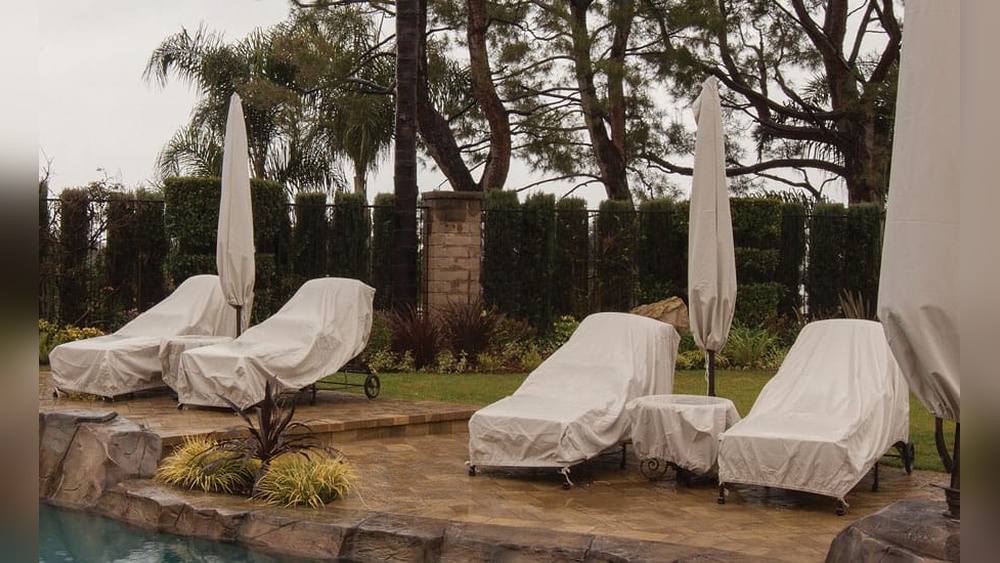
Cover And Protect Remaining Furniture
After a hurricane, some outdoor furniture may still be usable. It is important to cover and protect these pieces. Proper care prevents damage and extends their life. Protecting furniture helps avoid costly repairs or replacements. Simple steps can keep your furniture safe from rain, wind, and dirt.
Use Waterproof Covers
Choose covers made from waterproof material. These covers stop water from soaking into the furniture. Make sure the covers fit tightly to avoid wind blowing them off. Secure the covers with ties or straps if possible. Waterproof covers are the best shield against rain and moisture.
Ensure Proper Ventilation
Allow air to flow under the covers. Good ventilation stops mold and mildew from growing. Avoid sealing the furniture completely. Leave small gaps or use breathable covers. Proper airflow keeps the furniture dry and fresh.
Avoid Plastic Sheeting Wrapping
Do not wrap furniture with plastic sheeting. Plastic traps moisture, causing damage over time. It can lead to mold, rust, and wood decay. Choose breathable covers instead. This keeps furniture safe without trapping moisture inside.
After The Hurricane
After a hurricane, outdoor furniture often needs care and attention. The storm can cause dirt, water damage, or broken parts. Taking the right steps helps save your furniture and keep your outdoor space welcoming.
Inspect For Damage
Start by checking every piece of furniture carefully. Look for cracks, loose screws, or broken parts. Check cushions and fabric for tears or mold. Small problems can grow if ignored.
Clean And Dry Furniture
Remove all dirt and debris from your furniture. Use mild soap and water for cleaning. Rinse well to avoid soap residue. Dry everything completely to stop mold and mildew growth.
Repair Or Replace As Needed
Fix minor issues like tightening screws or patching small holes. Replace cushions that are too damaged or wet. Consider new furniture if damage is severe. Taking action quickly saves money and effort later.

Credit: mobilebaymag.com
Preventive Measures For Future Storms
Preparing outdoor furniture for future storms helps protect your investment. Taking steps now reduces damage and stress later. Small changes make a big difference during hurricanes or strong winds.
Choose Storm-resistant Materials
Select furniture made from durable materials. Aluminum, teak, and synthetic wicker resist water and wind well. Avoid wood that easily cracks or metal that rusts fast. These materials last longer through storms.
Invest In Foldable Or Lightweight Designs
Pick furniture that folds or is easy to move. Lightweight pieces allow quick storage indoors before a storm. This reduces chances of furniture blowing away or breaking. Foldable sets save space and provide convenience.
Regular Maintenance Tips
Keep furniture clean and check for damage often. Tighten screws and oil hinges to prevent rust. Cover or store furniture during off-seasons. Good care extends life and improves storm readiness.
Credit: shopatzing.com
Frequently Asked Questions
How To Protect Outdoor Furniture During A Hurricane?
Secure furniture indoors or in a shed before the storm. Use heavy-duty covers and tie items down to prevent damage and flying debris.
Can Outdoor Furniture Be Damaged By Hurricanes?
Yes, hurricanes can cause severe damage through high winds, flying debris, and heavy rain. Proper precautions reduce risks significantly.
What Materials Withstand Hurricanes Best For Outdoor Furniture?
Furniture made of metal, teak, or synthetic resin resists hurricane damage well. Avoid lightweight plastic or untreated wood during storms.
Should Outdoor Cushions Be Stored Before A Hurricane?
Yes, remove and store cushions indoors. This prevents water damage, mold, and fading caused by strong winds and heavy rain.
Conclusion
Protecting outdoor furniture during a hurricane takes simple steps. Move items inside or secure them tightly outdoors. Cover furniture with waterproof sheets to avoid damage. Check for loose parts and tighten them before storms. After the hurricane, clean and dry everything quickly.
These actions help keep your furniture safe and lasting longer. Stay prepared and act early for the best results. Your outdoor space will thank you after the storm passes.


