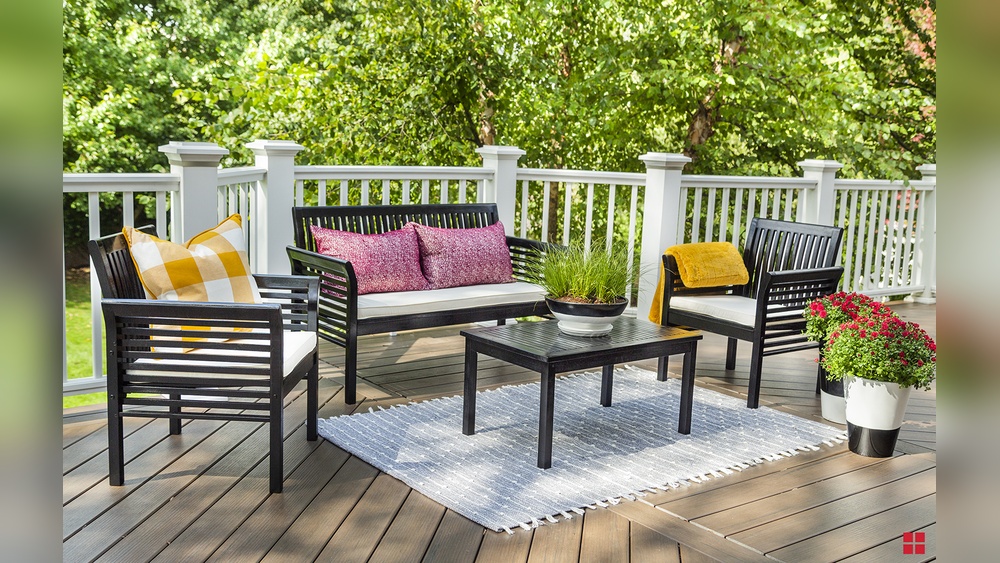
Are you ready to give your outdoor furniture a fresh, vibrant look that lasts? Choosing the right paint can make all the difference in protecting your pieces from sun, rain, and wear while boosting your outdoor space’s style.
But with so many options out there, how do you know what to paint outdoor furniture with? You’ll discover simple, effective choices that keep your furniture looking great season after season. Keep reading to find the perfect paint for your outdoor makeover.
Choosing The Right Paint
Choosing the right paint for outdoor furniture is important. The paint must protect against weather and last long. It should also look good and be easy to apply. Different paints work better on wood, metal, or plastic. Knowing the options helps you pick the best one for your furniture.
Types Of Paint For Outdoor Use
There are many paints designed for outdoor furniture. Acrylic latex paint is popular. It dries fast and resists cracking. Oil-based paint is another option. It forms a strong, smooth coat. Chalk paint offers a matte finish but needs sealing. Each paint type suits different materials and needs.
Benefits Of Oil-based Vs. Latex Paint
Oil-based paint lasts longer against rain and sun. It sticks well to wood and metal. The finish is smooth and shiny. Latex paint is easier to clean with soap and water. It dries quickly and has less odor. Latex paint is more flexible and resists peeling better in cold weather.
Specialty Outdoor Paints
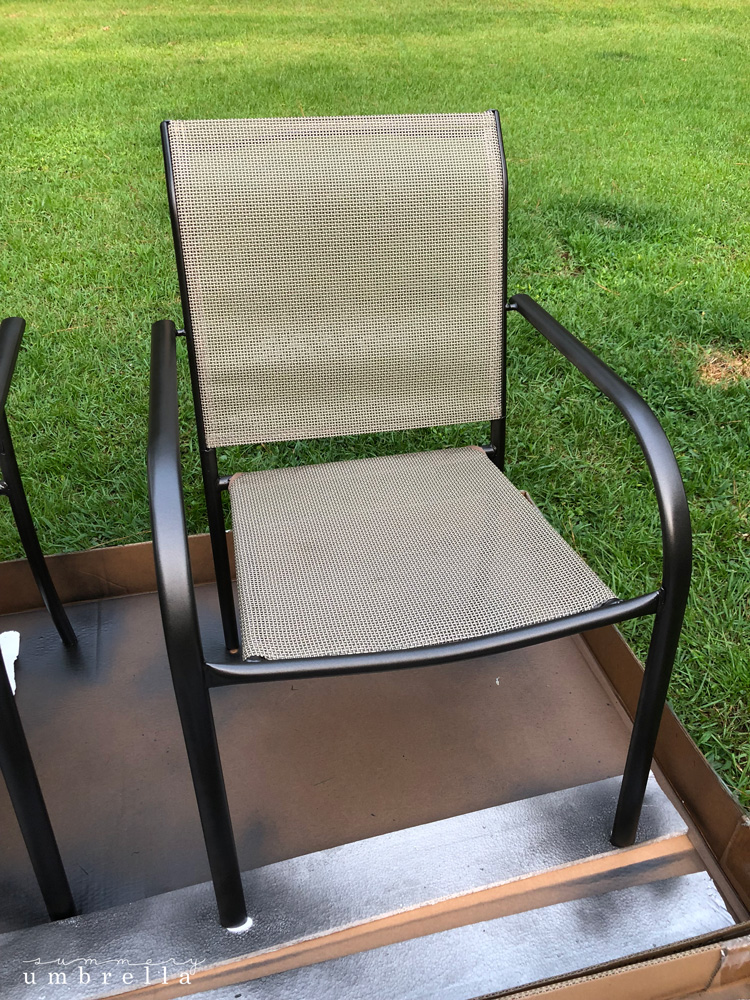
Specialty paints offer extra protection. Marine paint protects against water and salt. Rust-resistant paint works best for metal furniture. Textured paint hides scratches and adds grip. These paints need proper surface prep for best results. They keep your furniture safe and looking fresh.
Credit: thesummeryumbrella.com
Preparing Furniture For Painting
Preparing outdoor furniture for painting is essential for a long-lasting finish. Proper preparation improves paint adhesion and durability. It also helps the furniture look smooth and fresh. Skipping these steps may cause peeling or uneven color.
Cleaning And Sanding Surfaces
Start by cleaning the furniture to remove dirt, dust, and grease. Use soap and water or a mild cleaner. Rinse well and let it dry completely. After cleaning, sand the surface using medium-grit sandpaper. Sanding removes old paint and rough spots. It also creates a smooth surface for the new paint to stick to.
Repairing Damages And Imperfections
Check the furniture for cracks, holes, or loose parts. Fill small holes and cracks with wood filler or putty. Let the filler dry and sand it smooth. Tighten any loose screws or joints. Fixing these issues ensures the paint covers evenly and prevents damage later.
Priming For Better Adhesion
Apply a primer designed for outdoor furniture. Primer helps paint stick better and last longer. It also blocks stains and prevents wood from absorbing too much paint. Use a brush or spray for even coverage. Let the primer dry fully before painting the furniture.
Painting Techniques For Durability
Painting outdoor furniture requires careful techniques to ensure lasting protection. The right method helps the paint stick well and resist weather damage. This section covers key painting tips for durable outdoor furniture.
Follow these steps to keep your furniture looking fresh and strong for years.
Using Brushes Vs. Sprayers
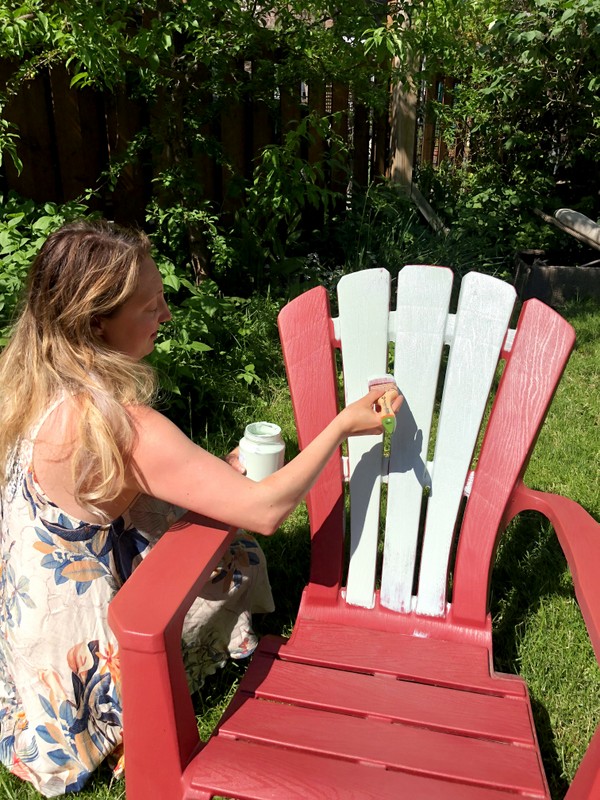
Brushes work well for small areas and detailed parts. They give you control and allow smooth paint application. Brushes are best for wood and uneven surfaces.
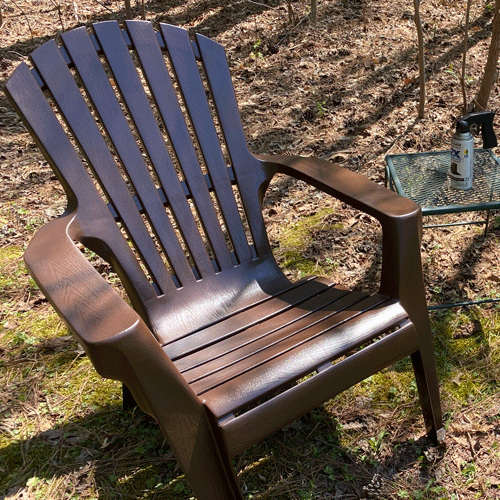
Sprayers cover large areas quickly. They create a thin, even coat without brush marks. Sprayers suit metal and plastic furniture with simple shapes.
Choose the tool that matches your furniture type and size.
Applying Multiple Coats
One coat rarely offers enough protection outdoors. Apply at least two to three thin coats. Thin layers dry faster and reduce drips or bubbles.
Let each coat dry fully before adding the next. This helps paint build a strong, even shield against weather.
Multiple coats improve color richness and prevent peeling over time.
Drying And Curing Times
Drying means paint feels dry on the surface. Curing means paint hardens fully inside. Both are important for durability.
Follow the paint label for drying times between coats. Usually, it takes a few hours to dry.
Curing can take days or weeks. Avoid heavy use until paint cures fully to prevent damage.
Proper drying and curing keep your furniture safe from cracks and fading.
Protecting Painted Furniture
Painting outdoor furniture adds charm and style to your garden or patio. Protecting that paint is key to keeping your furniture beautiful for a long time. The right protection stops peeling, fading, and damage from sun and rain. Follow these simple steps to keep your painted furniture fresh and strong.
Choosing The Right Sealant
A sealant forms a tough layer over painted furniture. It guards against water, dirt, and sunlight. Pick a sealant made for outdoor use. Look for one that matches your paint type—latex or oil-based. Clear sealants keep the paint color bright. Some sealants also add a slight shine or matte finish. Apply sealant in thin, even coats. Let each coat dry fully before adding another.
Weatherproofing Tips
Place furniture in spots that get shade during the hottest hours. Use covers when furniture is not in use. Covers block rain and dust. Avoid letting water sit on the furniture for long. Keep furniture away from wet grass or soil. Use furniture pads or feet to lift pieces off the ground. These steps help paint last longer by reducing weather damage.
Maintenance And Touch-ups
Check your furniture regularly for chips and cracks. Clean it gently with mild soap and water. Avoid harsh scrubbing or strong chemicals. Fix small paint chips quickly to stop rust or wood rot. Light sanding before repainting helps paint stick better. Reapply sealant every year or after heavy weather. Regular care keeps your furniture looking fresh and new.
Color And Finish Choices
Choosing the right color and finish for your outdoor furniture can change the entire look of your space. The color sets the mood, while the finish protects your furniture from weather and wear. Both work together to keep your furniture looking fresh and inviting for a long time.
Popular Outdoor Color Trends
Bright colors like turquoise, coral, and sunny yellow bring energy to outdoor spaces. Earth tones such as olive green, terracotta, and warm browns blend well with natural surroundings. Soft pastels like pale blue and mint green create a calm, relaxing vibe. Neutral shades like white, gray, and beige offer a clean, modern look. Choosing trending colors can refresh your patio or garden effortlessly.
Matte Vs. Glossy Finishes
Matte finishes give a smooth, subtle look that hides dirt well. They suit rustic or natural styles and feel soft to the eye. Glossy finishes shine bright and highlight colors vividly. They are easier to clean but may show scratches more clearly. Both finishes protect your furniture but offer very different looks and textures.
Customizing With Stencils And Patterns
Stencils add fun shapes and designs to plain furniture surfaces. Patterns like stripes, florals, or geometric shapes create visual interest. Use stencils to personalize your furniture and make it unique. Layering colors with patterns adds depth and style. This simple step can turn basic pieces into eye-catching focal points.
Credit: fusionmineralpaint.com
Credit: acookandherbooks.com
Frequently Asked Questions
What Type Of Paint Is Best For Outdoor Furniture?
Use exterior acrylic latex paint for durability and weather resistance. It adheres well and resists fading, cracking, and peeling, ensuring long-lasting protection.
Can I Use Spray Paint On Outdoor Furniture?
Yes, spray paint designed for outdoor use provides even coverage and quick drying. Choose rust-resistant spray paint for metal furniture to prevent corrosion.
How Do I Prepare Outdoor Furniture Before Painting?
Clean thoroughly, sand rough spots, and apply a primer suited for the furniture material. Proper prep improves paint adhesion and extends the finish life.
Is Oil-based Paint Good For Outdoor Furniture?
Oil-based paint offers a hard, durable finish but takes longer to dry and emits strong fumes. It’s ideal for wooden furniture in harsh climates.
Conclusion
Choosing the right paint protects your outdoor furniture well. Use paint made for outdoor use to prevent damage. Clean and dry the furniture before painting for best results. A good paint job lasts longer and looks fresh. Remember to apply thin, even coats for smooth finish.
Take your time and enjoy the process. Your furniture will look great and stay strong through seasons. Painting outdoor furniture is simple with the right steps. Start today to refresh your outdoor space with color.

