When it comes to choosing outdoor furniture, the material it’s made from can make all the difference. You want pieces that look great, feel comfortable, and most importantly, stand up to the weather.
But with so many options out there, how do you know which material is right for your space? You’ll discover the most popular materials used for outdoor furniture, what makes each one unique, and how to pick the perfect fit for your lifestyle.
Keep reading to find out how to make your outdoor area both beautiful and durable.
Popular Outdoor Furniture Materials
Choosing the right material for outdoor furniture is important. It affects durability, comfort, and style. Outdoor furniture materials must handle weather and wear. Some materials offer natural beauty, while others provide strength and ease of care. Below are popular options that suit various outdoor settings.
Wood Varieties
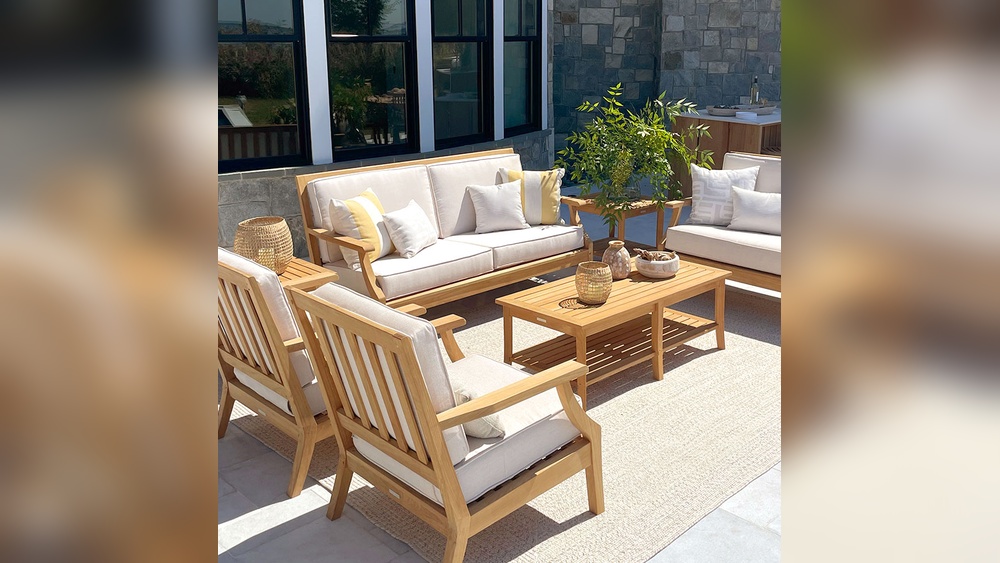
Wood is a classic choice for outdoor furniture. Teak is famous for its resistance to rain and sun. Cedar offers a pleasant smell and resists insects. Redwood is strong and holds color well. Wood furniture often requires sealing or oiling to last longer. It gives a warm and natural look to any space.
Metal Options
Metal furniture is tough and long-lasting. Aluminum is light and does not rust easily. Steel is very strong but needs coating to avoid rust. Wrought iron offers a decorative and sturdy option. Metal can be painted in many colors. It fits modern and traditional outdoor designs.
Plastic And Resin
Plastic furniture is affordable and easy to clean. Resin, a type of plastic, mimics natural materials like wood or wicker. These materials resist water and fading well. Plastic and resin furniture is lightweight and easy to move. They suit casual and busy outdoor areas.
Wicker And Rattan
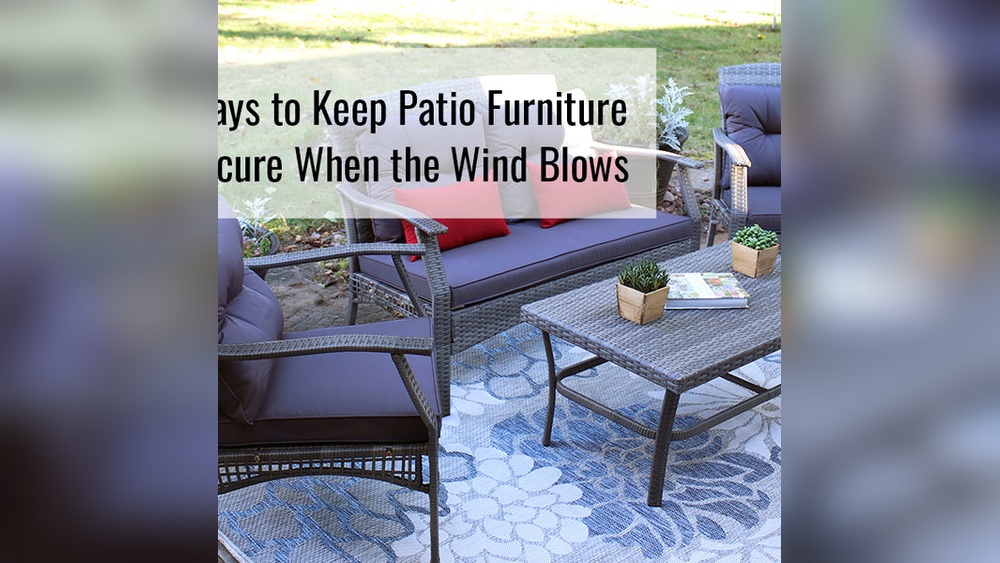
Wicker and rattan bring a cozy, woven look. Natural rattan is beautiful but not very weatherproof. Synthetic wicker made from resin lasts longer outdoors. It is lightweight and easy to maintain. These materials fit tropical or rustic outdoor themes.
Concrete And Stone
Concrete and stone furniture is very sturdy and stable. They handle harsh weather without damage. Concrete can be molded into many shapes and styles. Stone offers a natural and solid appearance. These materials are low maintenance but heavy to move.

Credit: www.amishoutletstore.com
Durability Factors To Consider
Choosing the right material for outdoor furniture means thinking about durability. Outdoor furniture faces many challenges like sun, rain, and wind. It must last long and stay good-looking. Durability depends on how well the material handles these conditions. This section explains key durability factors to help pick the best outdoor furniture.
Weather Resistance
Outdoor furniture must resist rain, snow, and heat. Some materials absorb water and get damaged. Others stay dry and strong. Weather-resistant furniture keeps its shape and color. Look for materials that do not warp or crack easily. Strong weather resistance means less worry about bad weather.
Maintenance Needs
Some materials need more care than others. Furniture that cleans easily saves time and effort. Materials that resist stains and dirt are better. Check if the furniture needs regular sealing or painting. Low-maintenance furniture lasts longer without much work. Choose materials that fit your cleaning habits.
Uv Protection
Sunlight can fade colors and weaken materials. UV protection keeps furniture looking new. Some materials have built-in UV blockers. Others may need extra coatings or covers. Good UV protection prevents cracking and discoloration. This helps furniture stay attractive for years.
Rust And Corrosion Resistance
Metal furniture can rust if not treated well. Rust makes furniture weak and ugly. Look for rust-proof metals like aluminum or stainless steel. Protective finishes also stop corrosion. Rust-resistant furniture lasts longer in wet or salty air. It stays strong even near the sea.
Wood Types For Outdoor Use
Wood is a popular choice for outdoor furniture. It offers natural beauty and comfort. Some wood types resist weather and insects better. This makes them last longer outside. Choosing the right wood helps keep furniture strong and good looking.
Teak
Teak is a top wood for outdoor furniture. It has natural oils that protect it from rain and sun. This wood does not crack or warp easily. Its rich golden color looks great in any garden. Teak furniture needs little care to stay beautiful.
Cedar
Cedar wood smells nice and resists bugs well. It stays stable in wet and dry weather. Cedar is lighter than teak and easier to move. Its reddish color can fade to soft gray over time. Treating cedar can keep its bright color longer.
Eucalyptus
Eucalyptus is a strong and affordable wood option. It handles moisture and insects with ease. This wood is dense, so it holds paint and stain well. Eucalyptus furniture can last many years outside. Regular oiling helps protect its surface.
Acacia
Acacia wood is hard and durable for outdoor use. It has a warm color and smooth texture. This wood resists water and insect damage naturally. Acacia furniture is a good choice for budget-conscious buyers. It needs regular cleaning to maintain its look.
Metal Materials For Longevity
Metal materials are popular for outdoor furniture because they last a long time. They stand strong against weather like rain, sun, and wind. Metals also offer a modern look and need little care. Choosing the right metal helps keep furniture looking good for years.
Aluminum
Aluminum is light and easy to move. It does not rust, which makes it perfect for wet places. Aluminum furniture often has a powder coat that protects it from scratches. It stays cool in the sun and is simple to clean. This metal is great for many outdoor styles.
Steel
Steel is very strong and hard to bend. It holds up well in tough weather. To stop rust, steel is often coated with paint or a special layer. This metal feels heavy and solid. Steel furniture adds a bold look to gardens or patios.
Wrought Iron
Wrought iron is thick and very durable. It has a classic style with detailed designs. This metal can rust if not cared for, so it needs paint or sealant. Wrought iron furniture is heavy and stable. It suits traditional outdoor spaces well.
Synthetic Materials And Their Benefits
Synthetic materials have become popular choices for outdoor furniture. They offer many benefits that natural materials might not. These materials resist weather damage and require less care. They also last a long time and stay looking good in sun and rain. Synthetic options come in many styles and colors, fitting any outdoor space.
High-density Polyethylene (hdpe)
HDPE is a strong plastic used in outdoor furniture. It stands up to rain, sun, and wind without cracking. This material does not absorb water, so it avoids mold and mildew. HDPE is easy to clean with just soap and water. It feels smooth but is very durable. Many furniture pieces made from HDPE also use recycled plastics.
Resin Wicker
Resin wicker looks like natural wicker but is made from synthetic fibers. It resists fading and breaking under sunlight. Resin wicker handles moisture well and does not rot or warp. This material is lightweight and easy to move around. Cleaning is simple, often just wiping with a damp cloth. Resin wicker gives a classic look with modern strength.
Plastic Composites
Plastic composites mix plastic with other materials for better strength. These composites resist dents and scratches better than plain plastic. They do not fade easily in the sun. Plastic composite furniture needs little maintenance and stays sturdy over time. This material can mimic the look of wood or metal. It is a good choice for families and busy outdoor areas.
Comparing Maintenance Requirements
Outdoor furniture comes in many materials. Each type needs different care to keep it looking good. Knowing the maintenance needs helps choose the right furniture. It saves time and effort in the long run.
Cleaning Tips For Wood
Wood furniture looks warm and natural outside. Clean it regularly with a soft brush and mild soap. Avoid harsh chemicals that can damage the wood. Dry the furniture well after washing to stop mold growth. Apply a wood sealant every year to protect against water and sun.
Protecting Metal Furniture
Metal furniture is strong but can rust over time. Wipe it down often to remove dirt and dust. Use a rust-resistant paint or coating for extra protection. Cover the furniture or bring it indoors during heavy rain or snow. Check for rust spots and fix them quickly with sandpaper and paint.
Care For Synthetic Materials
Synthetic materials like plastic or resin are low maintenance. Clean them with soap and water using a soft cloth. Avoid abrasive cleaners that can scratch the surface. Synthetic furniture usually resists sun and rain well. Store cushions separately to keep them dry and fresh.
Choosing Materials Based On Climate
Choosing the right material for outdoor furniture depends greatly on the climate. Different weather conditions affect materials in unique ways. Selecting the proper material helps furniture last longer and stay beautiful.
Each climate requires materials that can handle specific challenges. Moisture, heat, cold, and sun exposure all impact durability. Understanding these effects guides the choice for outdoor furniture.
Humid And Rainy Conditions
Materials must resist water and prevent mold in humid areas. Teak wood is popular because it naturally repels water. Synthetic wicker made from resin also works well and stays strong.
Metal furniture with powder coating prevents rust in rainy climates. Avoid untreated wood or metal that can rot or corrode quickly. Plastic furniture is another good option as it does not absorb water.
Hot And Sunny Climates
Sun exposure can fade colors and weaken some materials. Aluminum furniture resists heat and won’t get too hot to touch. Fabric cushions should be UV-resistant to avoid fading and cracking.
Teak and eucalyptus woods handle sun well and stay sturdy. Avoid plastics that can warp or become brittle under intense sun. Wicker made from synthetic fibers works better than natural wicker here.
Cold And Snowy Areas
Furniture must withstand freezing temperatures and moisture from snow. Metal furniture made of aluminum or stainless steel resists rust and cold damage. Wood needs to be sealed tightly to avoid cracking from cold.
Plastic furniture can become brittle in freezing weather. Store cushions indoors to protect them from snow and ice. Folding furniture offers easy storage during winter months.
Eco-friendly Outdoor Furniture Options
Eco-friendly outdoor furniture helps protect nature while furnishing your space. These options use materials that reduce waste and pollution. They last long and often need less maintenance. Choosing green furniture supports a healthier planet and a safer home.
Sustainable Wood Choices
Wood from responsibly managed forests is a top eco-friendly choice. Teak, cedar, and eucalyptus grow fast and handle weather well. These woods need little chemical treatment. Certified wood, like FSC, ensures forests stay healthy and wildlife safe.
Recycled Materials
Furniture made from recycled plastics or metals cuts down on trash. These materials stop waste from filling landfills and oceans. They often look stylish and feel sturdy. Recycling means fewer new resources are used, lowering pollution and energy use.
Biodegradable Options
Biodegradable furniture breaks down naturally after use. Materials like bamboo or rattan return to soil without harming it. These items avoid long-lasting waste problems. Choosing biodegradable pieces helps keep the environment clean and green.
Trends In Outdoor Furniture Materials
Outdoor furniture materials have changed a lot recently. New trends focus on durability, style, and comfort. These materials resist weather and stay attractive for years. They also make outdoor spaces more inviting and easy to maintain.
Innovative Composites
Composites mix different materials for strength and lightness. They often combine wood fibers with plastic. This blend resists rot, insects, and moisture. Composites look like wood but last longer outdoors. They need less care than traditional wood furniture.
Smart Coatings
Smart coatings protect furniture from sun, rain, and dirt. These coatings repel water and reduce fading. Some coatings also stop mold and stains. They keep furniture looking new and clean. Smart coatings extend the life of outdoor pieces.
Lightweight Designs
Lightweight materials make moving furniture easier. Aluminum and resin are popular choices. These materials resist rust and weather damage. Lightweight furniture is perfect for small spaces. It offers flexibility without sacrificing strength or style.
Credit: fj-outdoors.com

Credit: www.shutterstock.com
Frequently Asked Questions
What Materials Are Best For Outdoor Furniture?
Durable materials like teak, aluminum, and synthetic wicker are ideal. They resist weather and require low maintenance. These materials offer strength, comfort, and style for outdoor use.
Is Teak Wood Good For Outdoor Furniture?
Yes, teak is excellent for outdoor furniture. It naturally resists water, insects, and decay. Teak also weathers beautifully, making it a popular, long-lasting choice.
How Does Aluminum Compare For Outdoor Furniture?
Aluminum is lightweight, rust-resistant, and strong. It withstands harsh weather and is easy to clean. Aluminum furniture is ideal for modern, durable outdoor setups.
Are Synthetic Materials Suitable For Outdoor Furniture?
Synthetic materials like resin wicker are weatherproof and low maintenance. They mimic natural textures but last longer outdoors. These materials are great for stylish, durable outdoor pieces.
Conclusion
Choosing the right material makes outdoor furniture last longer. Materials like wood, metal, and plastic each have their strengths. Wood offers a natural look but needs care. Metal is strong and durable but may rust. Plastic is lightweight and easy to clean.
Think about your climate and how you use the furniture. A good choice means comfort and style outside. Enjoy your outdoor space with furniture that fits your needs well.