Are you ready to give your outdoor furniture a fresh new look? Choosing the right paint can make all the difference between a quick fix and a long-lasting transformation.
You want something that not only looks great but also stands up to sun, rain, and wear. You’ll discover exactly what to use to paint your outdoor furniture so it stays beautiful season after season. Keep reading, and you’ll learn simple tips that make your project easier and your results stunning.
Choosing The Right Paint
Choosing the right paint for outdoor furniture is key to lasting beauty and protection. The paint must resist weather, moisture, and sunlight. It should also stick well to different surfaces like wood, metal, or plastic. Picking the right type helps your furniture look fresh for years. This guide explains the main paint types, the difference between oil and water bases, and the value of UV protection.
Types Of Outdoor Paint
Outdoor paints come in several types. Latex paint is popular for wood and metal. It dries fast and cleans up with water. Enamel paint offers a hard, shiny finish. It suits metal furniture well. Acrylic paint is flexible and strong. It handles temperature changes without cracking. Choose paint made for outdoor use to ensure durability and good coverage.
Oil-based Vs. Water-based
Oil-based paints last longer and resist wear better. They create a tough barrier against moisture. These paints take longer to dry and need special cleaners. Water-based paints dry quickly and have less odor. They are easier to clean and safer for the environment. For furniture with fine details, water-based paints are easier to work with. Consider the surface and your needs before choosing.
Paints With Uv Protection
Sunlight causes paint to fade and peel. Paints with UV protection block harmful rays. They keep colors bright and surfaces strong. Some paints include UV blockers in their formula. Others require a clear UV-resistant topcoat. Using UV-protected paint extends the life of your furniture. It helps maintain its fresh look through sunny seasons.
Credit: fusionmineralpaint.com
Preparing Furniture For Painting
Preparing outdoor furniture for painting is a key step. Proper preparation helps paint stick better and last longer. It also makes the final look smooth and clean. Skipping preparation can cause peeling and uneven color. Follow these steps for the best results.
Cleaning And Sanding
Start by cleaning the furniture well. Use soap and water to remove dirt and grime. Let it dry completely before sanding.
Sanding removes old paint and rough spots. Use medium-grit sandpaper for this job. Sand evenly to create a smooth surface. This helps the new paint hold on better.
Repairing Damages
Check the furniture for cracks or holes. Use wood filler or putty to fix these areas. Apply it with a putty knife and smooth it out.
Let the filler dry fully. After drying, sand the repaired spots lightly. This step ensures a flat surface for painting.
Priming Tips
Use a primer designed for outdoor furniture. Primer helps paint stick and prevents peeling. Apply a thin, even coat with a brush or roller.
Allow the primer to dry as per instructions. Primer also protects furniture from weather damage. Skip this step, and paint may not last long.
Painting Techniques
Painting outdoor furniture requires the right techniques. Good techniques help the paint last longer and look better. Using the right tools and methods can save time and effort. It also protects your furniture from weather damage. Here are some key painting techniques to follow.
Brush Vs. Spray Application
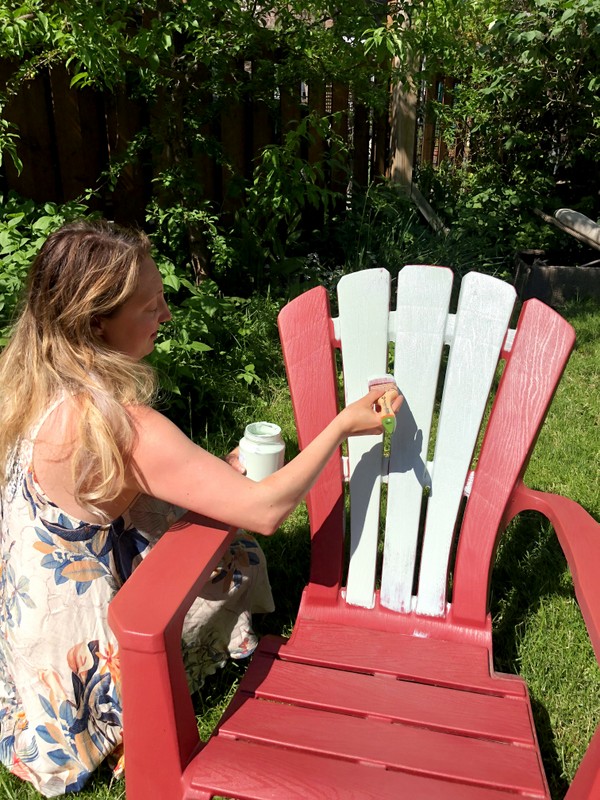
Brush painting gives more control on small areas and edges. It helps to cover detailed parts smoothly. Spray painting covers large surfaces quickly and evenly. Spraying creates a smooth finish without brush marks. Choose brush for small jobs and spray for big pieces.
Applying Thin Coats
Thin coats dry faster and prevent drips. Applying thick paint can cause cracks and uneven surfaces. Multiple thin layers build up color and protection. Let each layer dry before adding the next. Thin coats make the paint last longer outdoors.
Drying Times Between Coats
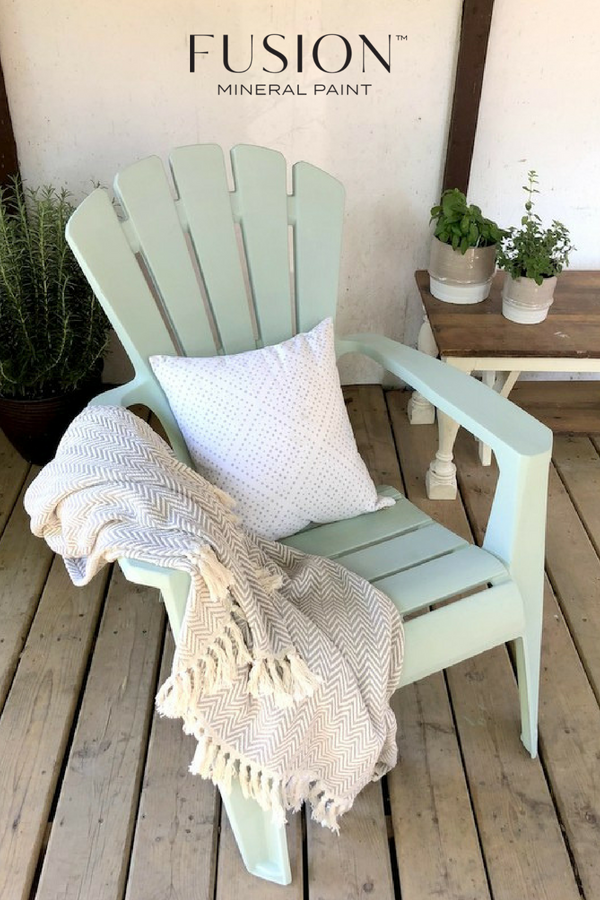
Wait for the paint to dry before the next coat. Drying time depends on the paint type and weather. Usually, wait at least one hour between coats. Rushing can cause smudges and poor adhesion. Proper drying ensures a strong, smooth finish.
Credit: fusionmineralpaint.com
Enhancing Durability
Outdoor furniture faces many challenges. Sun, rain, wind, and dirt all wear it down. Enhancing durability keeps your furniture looking good longer. It protects the paint and material underneath. This saves money and effort over time. Simple steps can make a big difference.
Sealing With Clear Coats
Clear coats protect paint from scratches and fading. They form a hard, invisible layer on the surface. Use a clear polyurethane or varnish for outdoor use. Apply two or three thin layers for best results. Let each layer dry fully before the next. This seals the paint and stops water damage.
Weatherproofing Methods
Weatherproofing shields furniture from harsh outdoor elements. Use paint designed for outdoor use with weather resistance. Add water-repellent sprays to stop moisture from soaking in. Cover furniture during heavy rain or snow. Store cushions inside to avoid mildew and mold. These methods keep furniture strong through seasons.
Regular Maintenance
Check your furniture often for chips and cracks. Clean dirt and dust with mild soap and water. Touch up small paint chips quickly to avoid rust or rot. Tighten loose screws and fix broken parts. Regular care extends the life of your painted furniture. It keeps your outdoor space inviting and fresh.
Avoiding Common Mistakes
Painting outdoor furniture can refresh your space and protect the wood or metal. Avoid common mistakes to get the best results. These errors can cause paint to peel, fade, or chip quickly.
Simple steps prevent costly repairs and keep furniture looking great longer. Focus on the right products, proper preparation, and weather awareness.
Choosing Incompatible Products
Use paint made for outdoor use. Indoor paint fades and cracks under sun and rain. Choose paints labeled for wood, metal, or plastic. Match the paint with the furniture material. Avoid mixing different paint types. Oil-based paint and water-based paint do not work well together. This mistake causes poor adhesion and uneven finish.
Skipping Surface Prep
Clean furniture before painting. Remove dirt, dust, and old paint flakes. Sand rough spots for a smooth surface. Painting over grime or peeling paint leads to bad results. Use primer to help paint stick better. Primer also blocks stains and prevents rust on metal furniture. Skipping these steps shortens the life of your paint job.
Ignoring Weather Conditions
Paint in dry weather with mild temperatures. Avoid painting on rainy or very hot days. Paint dries too fast in heat and can crack. Rain washes away fresh paint and causes streaks. Check the forecast before starting your project. Proper weather ensures paint dries evenly and lasts longer.
Credit: www.rustoleum.com
Frequently Asked Questions
What Type Of Paint Is Best For Outdoor Furniture?
Use exterior acrylic latex paint for durability and weather resistance. It adheres well and resists cracking, peeling, and fading over time.
Should I Prime Outdoor Furniture Before Painting?
Yes, priming improves paint adhesion and longevity. Use a primer suitable for the furniture material, such as wood or metal.
Can I Use Spray Paint On Outdoor Furniture?
Spray paint is effective for quick, even coverage. Choose spray paint designed for outdoor use and apply in thin, multiple coats.
How Many Coats Of Paint Are Needed For Outdoor Furniture?
Two to three coats are ideal for full coverage and protection. Allow each coat to dry completely before applying the next.
Conclusion
Choosing the right paint protects your outdoor furniture well. Use paint made for outside use to stop damage from rain and sun. Clean the furniture before painting to help the paint stick better. Apply thin, even coats for a smooth finish.
Let each coat dry fully before adding the next. This keeps your furniture looking fresh and strong longer. A good paint job saves money and time on repairs. Enjoy your outdoor space with furniture that stays bright and safe.