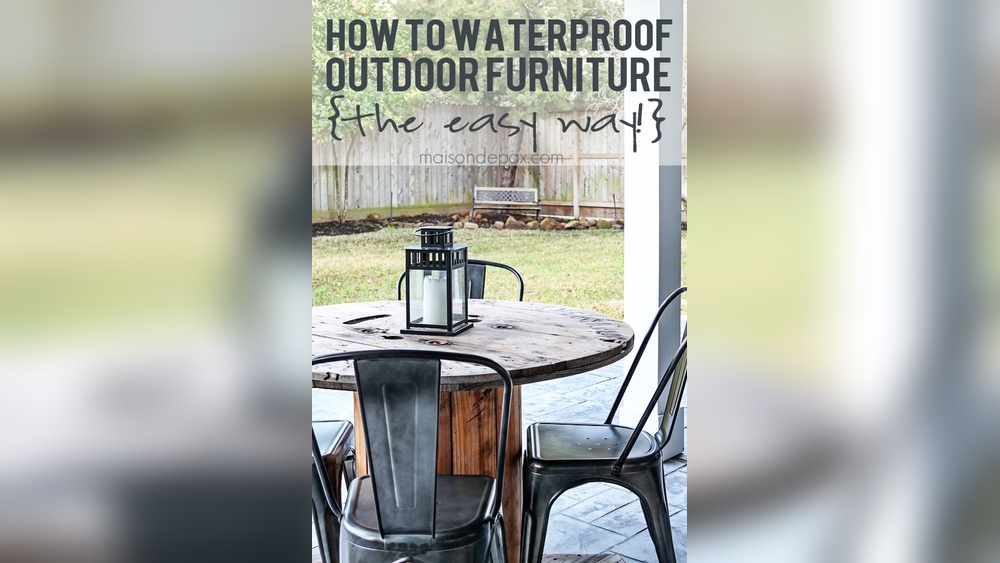
Your outdoor wood furniture adds charm and comfort to your space, but harsh weather can quickly wear it down. Imagine sitting on that beautiful chair next season, knowing it looks just as good as the day you bought it.
You can protect your investment and keep your furniture looking great year-round. In this guide, you’ll discover simple, effective ways to weatherize your outdoor wood furniture. By the end, you’ll have the confidence to shield your pieces from sun, rain, and cold, saving you time and money on repairs.
Ready to make your furniture last? Let’s dive in.
Credit: www.charlestoncrafted.com
Choosing The Right Wood
Choosing the right wood is key to making outdoor furniture last longer. Wood faces rain, sun, wind, and cold. Some wood types handle these challenges better. Picking durable wood reduces damage and saves money over time. This section explains which woods work best and how to treat them for outdoor use.
Durable Wood Types
Teak is strong and naturally resists water and pests. It stays beautiful without much care. Cedar has oils that protect it from rot and insects. It is light and easy to work with. Redwood is tough and resists decay. It holds up well in wet places. Pine is cheaper but needs more care to last outdoors. Hardwoods like oak can work if sealed well. Choose wood that fits your budget and weather conditions.
Wood Treatment Options
Applying sealant helps wood resist water and sun damage. Use clear sealers to keep the wood’s natural look. Stains add color and protect against UV rays. Oils soak into the wood and keep it from drying out. Paint covers the wood and provides strong protection. Sand the wood before applying any treatment. Reapply treatments every year or after heavy weather. Proper treatment extends furniture life and keeps it looking good.

Credit: www.resortchairs.com
Cleaning Your Furniture
Cleaning outdoor wood furniture is the first step to protect it from weather damage. Dirt, dust, and debris can harm the wood’s surface and cause stains. Regular cleaning keeps the furniture looking fresh and extends its life. Start by removing loose dirt and use gentle cleaning methods to avoid damage.
Removing Dirt And Debris
Use a soft brush or cloth to remove dust and leaves. Sweep off loose dirt carefully. For stubborn dirt, rinse the furniture with water. Avoid using high-pressure water, which may damage the wood. Let the furniture dry completely before the next step.
Safe Cleaning Solutions
Choose mild cleaners that do not harm the wood. Mix warm water with a small amount of dish soap. Apply the solution with a soft cloth or sponge. Scrub gently to remove stains and grime. Rinse well with clean water and dry the furniture. Avoid bleach or harsh chemicals that can weaken the wood.
Sanding And Preparing
Sanding and preparing wood furniture is the first step to protect it from weather damage. This process removes old paint, rough spots, and dirt. It helps new finishes stick better. Taking time to sand and prepare ensures your furniture lasts longer outdoors.
Sanding Techniques
Start with coarse sandpaper to remove old finishes. Use 80-grit sandpaper for rough areas. Sand in the direction of the wood grain. Avoid sanding against the grain to prevent scratches. After rough sanding, switch to finer sandpaper. Use 120 to 150 grit for smooth finishing. Sand all surfaces evenly for a uniform look. Clean dust off the furniture after sanding.
Surface Preparation Tips
Check for cracks or holes before finishing. Fill small gaps with wood filler and let it dry. Sand the filled areas smooth. Remove dirt and grease with a damp cloth. Let the wood dry completely before applying any sealant. Work in a well-ventilated area to avoid inhaling dust. Proper surface prep helps paint and sealants last longer.
Credit: www.mmsmilkpaint.com
Applying Protective Finishes
Applying protective finishes is a key step to keep outdoor wood furniture safe from weather damage. These finishes create a barrier against moisture, sun, and dirt. They also help maintain the wood’s natural beauty and extend its life. Choosing the right finish and applying it correctly is important for the best results.
Types Of Sealants
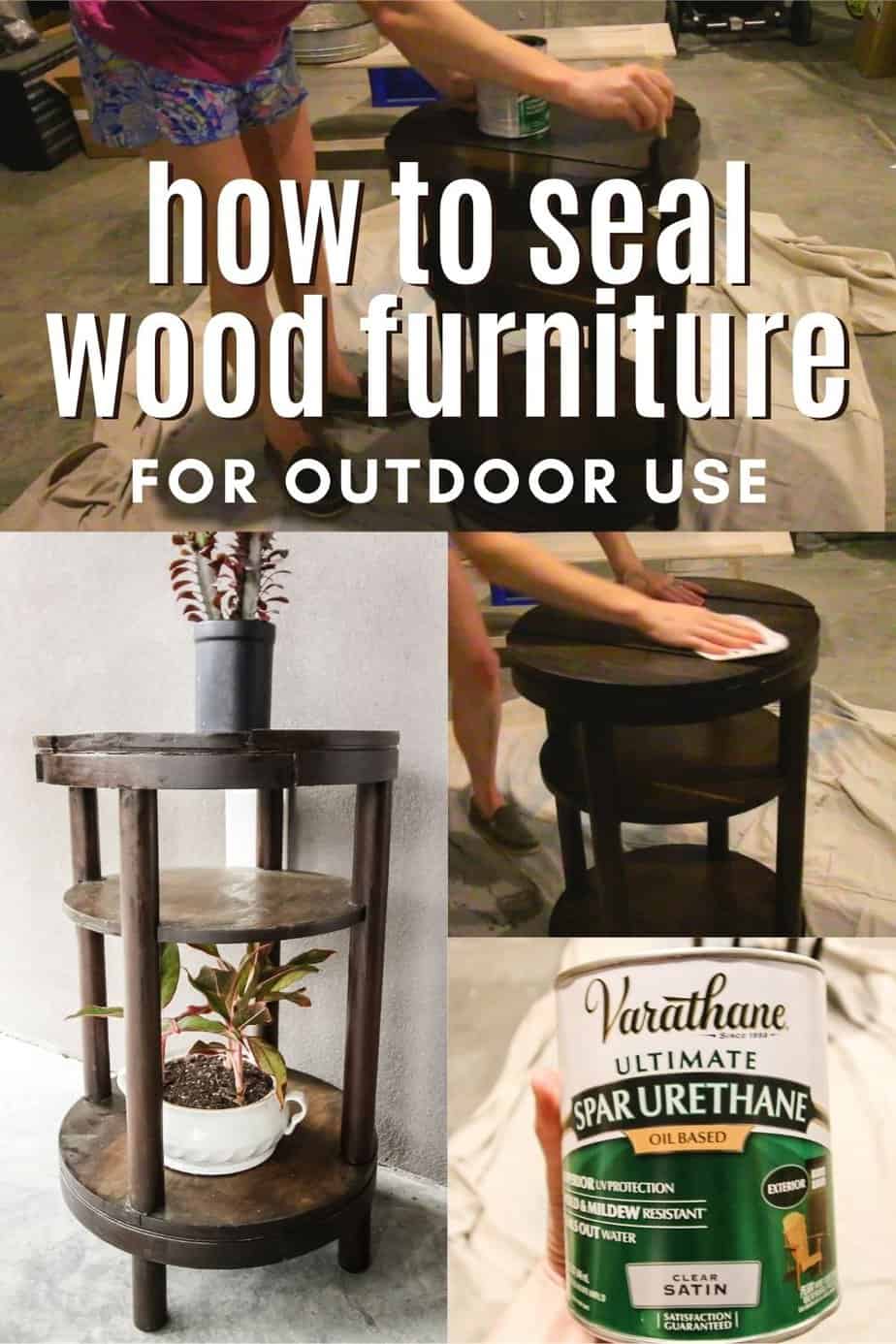
There are several sealants available for outdoor wood furniture. Varnish offers a hard, glossy finish that protects well. Polyurethane is tough and water-resistant, perfect for rainy climates. Oil-based sealants soak into the wood, enhancing its grain and color. Water-based sealants dry quickly and have less odor. Each type suits different needs and wood types.
How To Apply Sealants
Start by cleaning the furniture surface. Remove dirt and old finishes with sandpaper. Use a brush or cloth to apply the sealant evenly. Work with the grain of the wood for smooth coverage. Apply thin coats to avoid drips and bubbles. Let each coat dry before adding the next. Two to three coats are usually enough for good protection.
Drying And Curing Times
Drying time depends on the sealant type and weather. Water-based finishes dry faster, often within an hour. Oil-based and polyurethane finishes may take several hours. Curing takes longer and means the finish is fully hardened. Avoid using furniture until it cures completely. Check product instructions for exact drying and curing times.
Using Weatherproof Covers
Using weatherproof covers is a simple way to protect outdoor wood furniture. These covers shield your furniture from rain, sun, wind, and dust. They help keep the wood dry and prevent damage. Choosing the right cover and covering your furniture properly can make a big difference in how long it lasts.
Choosing The Best Covers
Pick covers made from strong, waterproof material. Look for fabrics like polyester or vinyl with a water-resistant coating. The cover should fit your furniture well without being too tight or loose. Ventilation is important to stop moisture build-up under the cover. Some covers come with air vents or breathable fabric. Choose covers with straps or ties to keep them secure in windy weather.
Proper Covering Methods
Before covering, clean and dry the furniture completely. Dirt and moisture can cause damage if trapped inside. Place the cover over the furniture, starting from the top. Make sure the cover reaches the ground to protect the legs. Use straps or ties to fasten the cover tightly. Avoid folding the cover directly on the wood to prevent scratches. Check the cover regularly for tears or loose areas. Replace or repair covers to keep protection strong.
Regular Maintenance
Regular maintenance helps your outdoor wood furniture last longer. It keeps the wood safe from weather damage and wear. Small efforts now prevent big repairs later. Follow simple steps to keep your furniture strong and looking good.
Inspecting For Damage
Check your furniture often for cracks, splinters, or loose joints. Look under and around the legs for signs of rot or insect damage. Early spotting stops small problems from growing. Use a soft brush to clean dirt and dust before inspection.
Reapplying Finishes
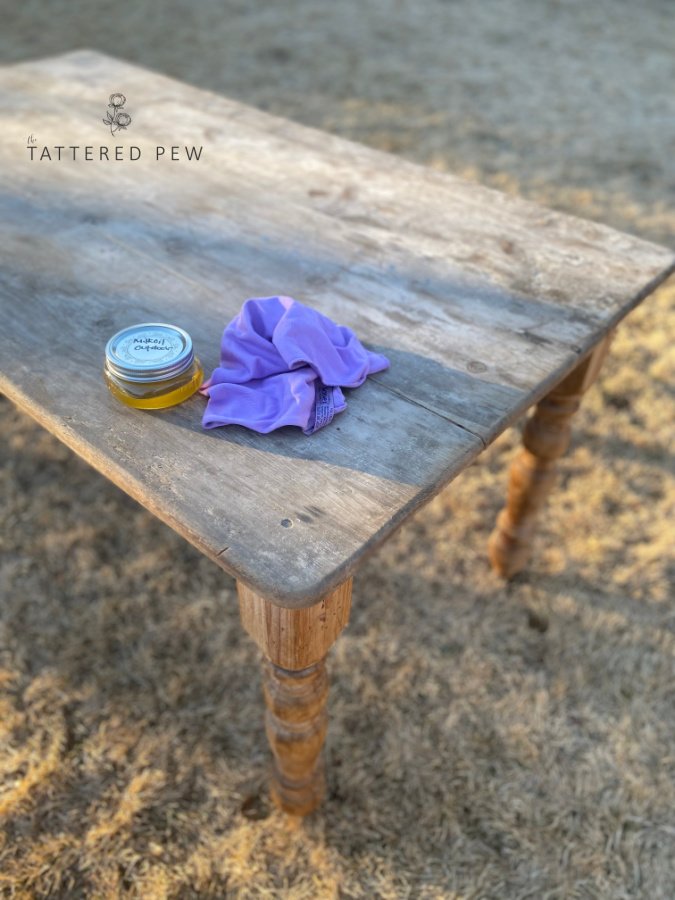
Wood finishes protect against water and sun damage. Reapply finishes like sealants, varnishes, or oils every year or two. Lightly sand the surface first to remove old finish and smooth rough spots. Choose a finish made for outdoor use to keep your furniture safe.
Seasonal Care Tips
Store furniture in a dry, covered place during winter or heavy rain. Use waterproof covers if storage is not possible. Clean the furniture before covering or storing to prevent mold growth. Move pieces away from direct sun in summer to avoid fading and cracking.
Frequently Asked Questions
How Do I Prepare Wood Furniture For Weatherproofing?
Clean the wood surface thoroughly by removing dirt and dust. Sand rough spots to smooth the surface. Allow the furniture to dry completely before applying any weatherproofing products.
What Types Of Sealants Protect Outdoor Wood Best?
Use water-repellent sealants or outdoor wood oils. These products prevent moisture absorption and resist UV damage. Choose sealants designed specifically for outdoor wood furniture.
How Often Should I Weatherize Outdoor Wood Furniture?
Weatherize your furniture at least once a year. Inspect it regularly and reapply sealant or oil as needed. Frequent maintenance extends the furniture’s lifespan.
Can I Weatherproof Wood Furniture Without Sanding?
Light sanding is recommended for better sealant adhesion. However, if the surface is smooth and clean, you can apply sealant directly. Avoid skipping sanding if the wood is rough or old.
Conclusion
Protecting your outdoor wood furniture extends its life and beauty. Regular cleaning and sealing keep wood safe from rain and sun. Covering furniture during bad weather adds extra protection. Small steps make a big difference over time. Enjoy your outdoor space longer with simple care.
Weatherizing wood furniture is worth the effort. Keep it strong, fresh, and ready for every season.

