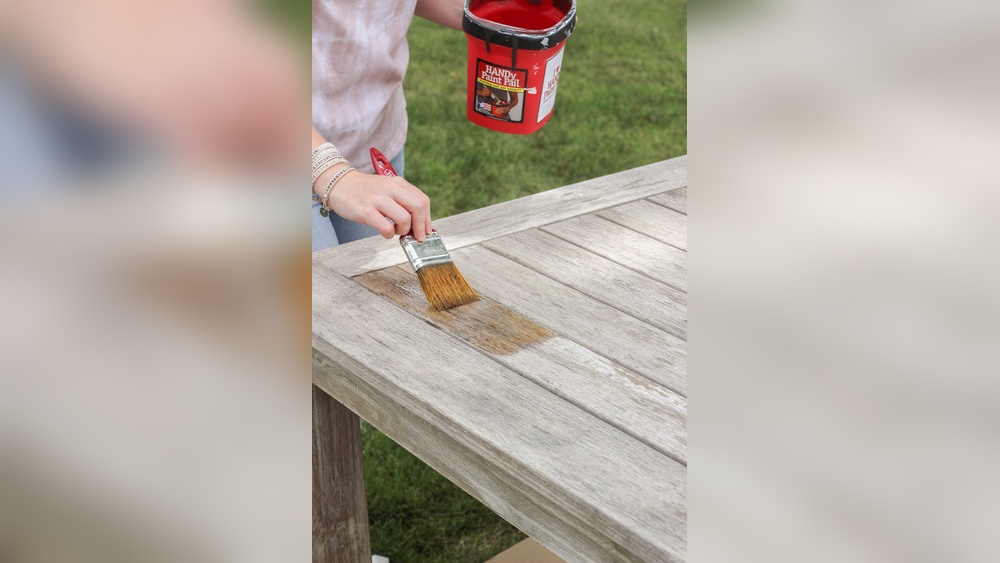
Have you ever wondered how safe your outdoor furniture really is during the pandemic? You might be touching tables, chairs, or benches without knowing if the coronavirus is still lurking on the surface.
Understanding how long the virus lives on your outdoor furniture can help you protect yourself and your loved ones. You’ll discover simple facts and practical tips that make a big difference in keeping your outdoor spaces safe. Keep reading to find out what you need to know right now.
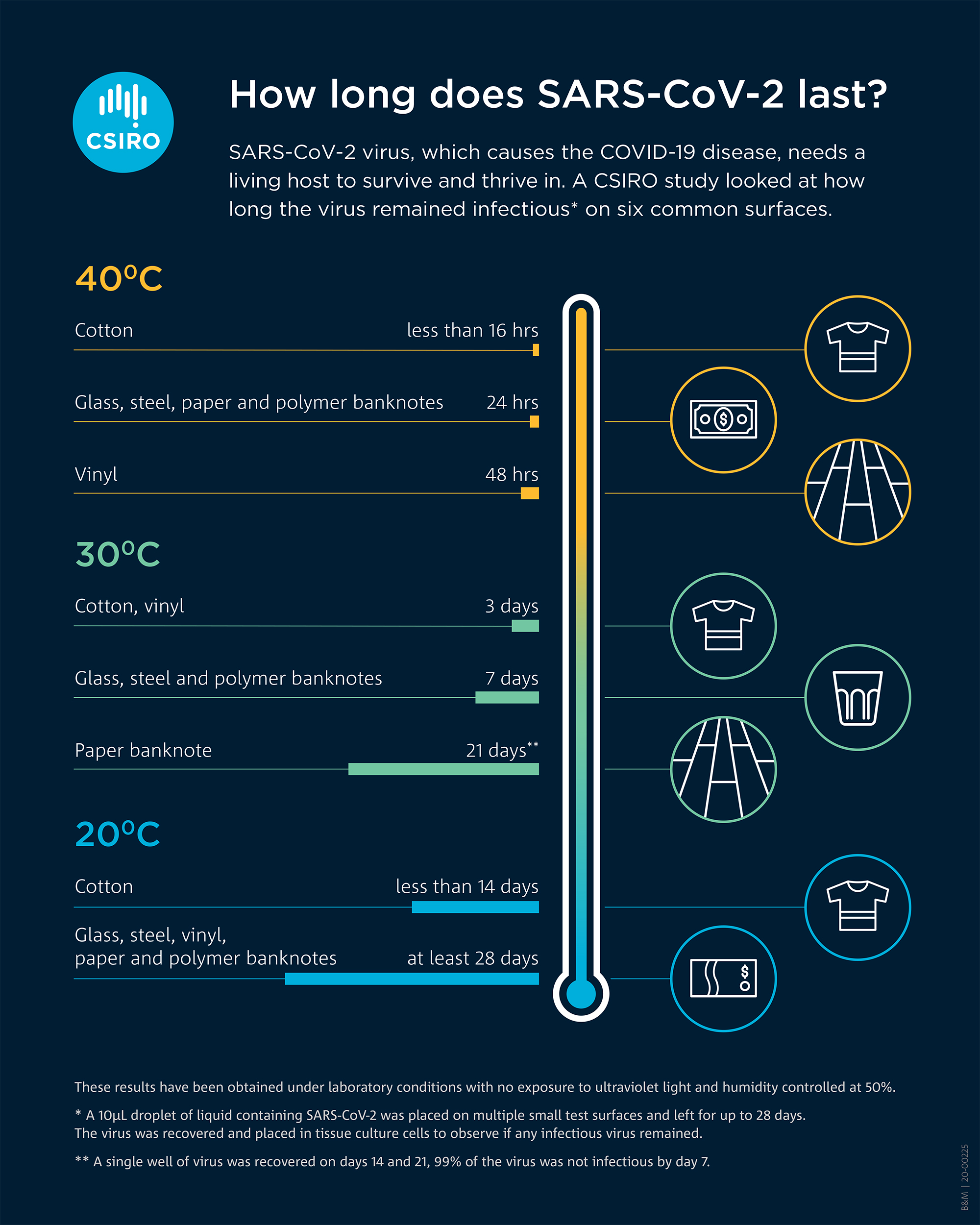
Credit: www.csiro.au
Virus Survival On Different Materials
Coronavirus can stay on outdoor furniture surfaces for different times. The material type affects how long the virus lives. Understanding this helps keep outdoor spaces safer. Some materials let the virus survive longer, others shorter. Cleaning and sunlight also reduce the virus on surfaces.
Metal Surfaces
Metal surfaces like aluminum and steel can hold the virus for days. The virus can last up to 3 days on smooth metal. Cold and shady areas help the virus survive longer. Regular cleaning lowers the risk of infection on metal furniture.
Plastic And Resin
Plastic and resin furniture can keep the virus for up to 3 days. The virus survives better on smooth, non-porous surfaces. These materials are common in outdoor chairs and tables. Wiping with disinfectant helps remove the virus quickly.
Wood And Natural Fibers
Wood and natural fibers absorb moisture, which shortens virus life. The virus usually lives less than 24 hours on wood. Rough textures and pores trap the virus and dry it out. Still, cleaning wooden furniture is important to stay safe.
Glass And Ceramic
Glass and ceramic surfaces allow the virus to survive for about 3 days. These smooth materials do not absorb moisture. The virus stays longer if surfaces are cool and dry. Cleaning with soap or disinfectant removes the virus well.
Impact Of Weather Conditions
Weather plays a big role in how long coronavirus stays on outdoor furniture. Different weather conditions can change the virus’s survival time. Understanding these effects helps keep outdoor spaces safer.
Sunlight And Uv Exposure
Sunlight can reduce the virus on surfaces quickly. UV rays damage the virus’s outer layer, making it inactive. Outdoor furniture under direct sunlight sees less virus survival. The stronger the sunlight, the faster the virus dies.
Temperature Effects
Higher temperatures cut the virus’s lifespan on surfaces. Warm weather speeds up virus breakdown. Cold temperatures help the virus last longer. Outdoor furniture in cold areas may hold the virus for more days.
Humidity Levels
Humidity also impacts virus survival on furniture. Low humidity can dry the virus faster, reducing its life. High humidity keeps the virus moist, helping it live longer. Weather with moderate humidity creates mixed effects on the virus.
Factors Influencing Virus Longevity
The length of time coronavirus stays on outdoor furniture depends on several factors. These factors affect how long the virus can survive and remain infectious. Understanding them helps in keeping outdoor spaces safer.
Surface Texture
Rough surfaces tend to trap virus particles more than smooth ones. The virus lasts longer on smooth, non-porous surfaces like plastic or metal. Porous materials like wood absorb moisture and can reduce virus survival time.
Presence Of Moisture
Moisture can either help or harm virus survival. Damp surfaces may protect the virus from drying out quickly. Dry conditions usually cause the virus to die faster. Rain or dew can wash away or dilute the virus on furniture.
Air Circulation
Good air flow speeds up the drying of surfaces. Faster drying reduces virus survival time. Outdoor furniture in windy or open areas tends to have lower virus longevity. Stagnant air can allow the virus to stay longer on surfaces.
Credit: www.houstonpublicmedia.org
Cleaning And Disinfection Tips
Cleaning and disinfecting outdoor furniture helps reduce the risk of coronavirus spread. The virus can survive on surfaces for hours to days. Proper cleaning removes dirt and germs. Disinfection kills the virus on surfaces. Using the right methods keeps your outdoor space safe.
Safe Cleaning Agents
Use mild soap and water to clean furniture. This removes dirt and grime. Avoid harsh chemicals that damage surfaces. Soap breaks down oils and germs effectively. Rinse well to remove any residue. Always test cleaners on small areas first.
Effective Disinfection Methods
Disinfect after cleaning for best results. Use solutions with at least 70% alcohol or diluted bleach. Spray or wipe the surface evenly. Let it sit for several minutes. This kills viruses and bacteria. Wear gloves to protect your skin. Ensure good ventilation during disinfection.
Frequency Of Cleaning
Clean and disinfect regularly if many people use the furniture. At least once a day in busy areas. After bad weather, clean to remove dirt and germs. Frequent cleaning keeps surfaces safer. Adjust frequency based on use and exposure risk.
Reducing Risk On Outdoor Furniture
Outdoor furniture can carry viruses like coronavirus for hours or days. This makes it important to lower the risk of infection. Simple actions help keep your space safer for everyone.
Taking care of outdoor furniture and habits around it can reduce virus spread. Small changes make a big difference in staying healthy.
Using Protective Covers
Protective covers block the virus from settling on furniture surfaces. They are easy to clean and stop dirt and germs. Choose covers made from waterproof materials for best results. Wipe covers often with disinfectant to keep them safe.
Limiting Touch Points
Less touching means less chance to catch the virus. Avoid sharing items like cushions or blankets. Use individual seating and personal items. Ask guests to keep hands off surfaces unless necessary. This keeps the virus from spreading between people.
Encouraging Hand Hygiene
Clean hands stop the virus from moving to furniture and faces. Place hand sanitizer nearby for easy use. Remind everyone to wash hands before and after touching outdoor furniture. Good hand habits protect you and others.

Credit: www.booking.com
Frequently Asked Questions
How Long Does Coronavirus Survive On Outdoor Furniture?
Coronavirus can survive on outdoor furniture surfaces from a few hours up to 3 days. The exact time depends on material type, temperature, and humidity. Porous materials like wood may harbor the virus for shorter periods than non-porous metals or plastics.
Does Sunlight Reduce Coronavirus On Outdoor Furniture?
Yes, sunlight helps reduce coronavirus survival on outdoor furniture. UV rays from sunlight effectively inactivate the virus by breaking down its genetic material. Outdoor exposure to direct sunlight typically shortens the virus’s lifespan significantly compared to shaded areas.
What Materials On Outdoor Furniture Affect Virus Longevity?
Non-porous materials like plastic and metal allow coronavirus to survive longer. Porous materials such as wood or fabric tend to reduce virus survival times. Temperature and moisture levels also influence how long the virus remains infectious on these surfaces.
How Often Should Outdoor Furniture Be Disinfected?
Disinfect outdoor furniture daily during high virus transmission periods. Use EPA-approved disinfectants effective against coronavirus. Regular cleaning limits virus presence and reduces transmission risk, especially in frequently touched areas.
Conclusion
Coronavirus can stay on outdoor furniture for hours to days. Sunlight and fresh air help reduce the virus quickly. Cleaning surfaces often lowers the risk of infection. Use soap and water or disinfectants to wipe down furniture. Avoid touching your face after contact with outdoor items.
Staying cautious keeps you and others safer. Remember, simple steps protect your health outdoors. Keep your space clean and enjoy fresh air safely.