You want your outdoor wood furniture to look beautiful and last for years. But choosing the right oil can be confusing.
Which one will protect your wood from sun, rain, and wear? Using the wrong oil could damage your furniture or leave it looking dull. You’ll discover exactly what kind of oil works best to keep your outdoor wood vibrant and strong.
Keep reading, and you’ll learn simple tips to make your furniture shine and stay protected season after season.
Types Of Oils For Wood
Choosing the right oil helps protect outdoor wood furniture. Oils keep wood strong, water-resistant, and looking good. Different oils work in different ways. Knowing the types helps you pick the best one for your furniture.
Natural Oils
Natural oils come from plants and trees. Examples include linseed oil, tung oil, and teak oil. These oils soak deep into the wood and protect it from moisture. They give a warm, natural look. Natural oils are safe and eco-friendly. They need regular reapplication to keep wood protected.
Synthetic Oils
Synthetic oils are made in labs using chemicals. They create a strong barrier on wood surfaces. These oils resist water and UV rays well. Synthetic oils often last longer than natural ones. They can make furniture look shiny or matte. Some may contain harmful chemicals, so check labels before use.
Blended Oils
Blended oils combine natural and synthetic oils. They offer benefits from both types. Blends protect wood deeply and form a tough outer layer. These oils balance durability and natural look. They usually require less frequent application. Blended oils work well for heavy-use outdoor furniture.
Benefits Of Using Oil On Outdoor Furniture
Oiling outdoor wood furniture brings many benefits. It keeps the wood strong and looking good for years. Proper oil protects the wood from damage caused by sun and rain. It also makes the furniture easier to clean and maintain.
Protection Against Weather
Oil forms a shield on the wood surface. This shield blocks moisture from rain and dew. It prevents water from soaking into the wood. Sunlight can dry and fade wood, but oil helps slow this effect. The wood stays healthier and lasts longer outdoors.
Enhancing Wood Grain
Applying oil brings out the natural beauty of wood. It darkens the wood slightly and makes the grain stand out. This makes the furniture look richer and more attractive. Oiled wood also feels smooth and soft to touch.
Preventing Cracks And Splits
Wood can dry out and crack without care. Oil keeps the wood moist and flexible. It stops the wood from shrinking and splitting. This keeps the furniture strong and safe to use. Regular oiling reduces the need for repairs.
Top Natural Oils For Outdoor Wood
Natural oils protect outdoor wood furniture from weather damage. They soak deep into the wood. This strengthens and seals the surface. Choosing the right oil keeps wood looking fresh and lasts longer. Here are the top natural oils for outdoor wood furniture.
Tung Oil
Tung oil is a popular choice for outdoor wood. It comes from the seeds of the tung tree. This oil dries quickly and forms a strong, water-resistant finish. It keeps wood flexible and stops cracking. Tung oil also enhances the wood’s natural color and grain.
Teak Oil
Teak oil is made from a blend of natural oils. It is ideal for hardwoods like teak and mahogany. This oil penetrates deeply and protects against moisture and sun damage. It helps restore the wood’s rich, warm tone. Teak oil leaves a smooth, slightly glossy finish.
Linseed Oil
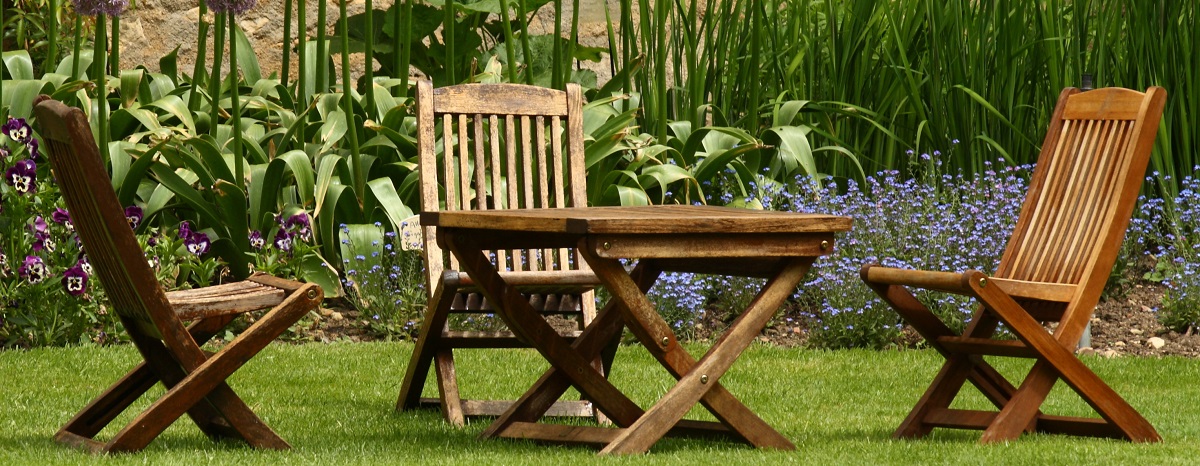
Linseed oil comes from flax seeds. It is one of the oldest wood treatments. This oil soaks into the wood and hardens over time. It protects wood from drying out and splitting. Linseed oil gives wood a soft, natural look but may take longer to dry.
Credit: www.furnitureclinic.co.uk
Best Synthetic And Blended Oils
Synthetic and blended oils offer strong protection for outdoor wood furniture. These oils combine natural and man-made ingredients. This mix provides durability and easy maintenance. They keep wood looking fresh longer. Also, they resist weather damage better than pure natural oils.
Many synthetic and blended oils penetrate wood deeply. This helps prevent cracking and warping. These oils often dry faster. This means less waiting time before using the furniture again. They provide a smooth finish that repels dirt and moisture.
Polymer-enhanced Oils
Polymer-enhanced oils contain small plastic-like molecules. These polymers create a thin, tough layer on the wood. This layer shields the furniture from water and sun damage. It also makes cleaning easier.
These oils improve wood’s resistance to scratches and stains. They keep the wood flexible, stopping it from becoming brittle. Polymer-enhanced oils work well on all outdoor wood types. They extend the life of furniture with regular use.
Water-resistant Formulas
Water-resistant oils stop water from soaking into the wood. This prevents swelling and rotting over time. These formulas often include synthetic ingredients to boost protection.
Water-resistant oils create a barrier against rain, dew, and spills. They help maintain the wood’s natural color and texture. Furniture treated with these oils needs less frequent oiling. The wood stays strong and healthy, even in wet climates.
How To Choose The Right Oil
Choosing the right oil for outdoor wood furniture helps protect and keep it looking good. Oils soak into the wood and guard against water, sun, and dirt. The right oil depends on the wood type, weather conditions, and how often you maintain the furniture.
Wood Type Considerations
Different woods need different oils. Hardwoods like teak and mahogany absorb oil well and last long. Softwoods like pine need more protection and a thicker oil. Check if the oil matches your wood type for best results.
Climate Impact
Climate affects how wood reacts to oil. In wet places, use oils that block water well. In hot, sunny areas, choose oils with UV protection. This stops the wood from cracking and fading.
Maintenance Frequency
How often you oil furniture matters. Some oils last longer but need less frequent use. Others soak in fast but need more regular application. Pick an oil that fits your maintenance routine.
Credit: www.jarrimber.com.au
Application Tips For Long-lasting Finish
Applying oil to outdoor wood furniture protects it from weather damage. Proper application helps the oil soak deep into the wood. This extends the life of your furniture and keeps it looking good longer. Follow these tips for a smooth, long-lasting finish.
Surface Preparation
Start with clean, dry wood. Remove dirt, dust, and old finishes with a brush or sandpaper. Sanding opens wood pores for better oil absorption. Wipe off sanding dust with a dry cloth. Let the wood dry completely before applying oil.
Proper Application Techniques
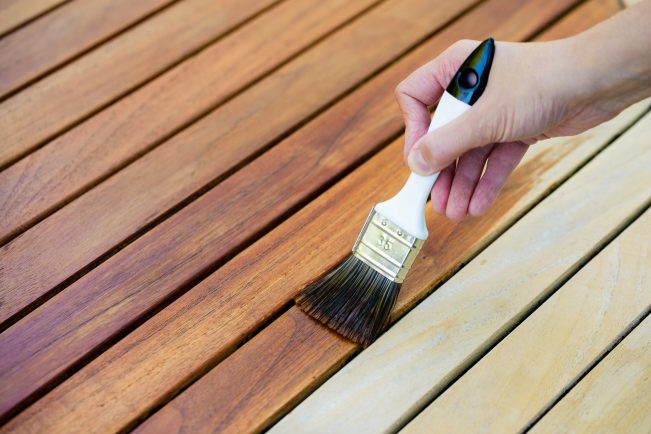
Use a soft brush or cloth to apply oil evenly. Work along the wood grain to avoid streaks. Apply thin coats to prevent sticky buildup. Let each coat soak for 15 to 30 minutes. Wipe off any extra oil that does not absorb. Repeat the process for best results.
Drying And Curing Times
Allow the oil to dry in a well-ventilated area. Drying time varies by oil type and weather. Most oils need at least 24 hours to dry. Avoid using or covering furniture during this time. Full curing can take up to a week. This ensures deep protection and durability.
Common Mistakes To Avoid
Choosing the right oil for outdoor wood furniture is important. Many people make mistakes that harm their wood. Avoiding common errors helps your furniture last longer and look better. Learn these key mistakes to keep your wood safe and beautiful.
Over-oiling
Applying too much oil can damage wood. It creates a sticky surface that attracts dirt. Excess oil also takes longer to dry. This may cause the wood to stay wet inside. Use a thin, even coat instead. Let the oil soak in fully before adding more.
Ignoring Weather Conditions
Weather affects how oil works on wood. Oiling furniture just before rain can wash the oil away. Applying oil in very hot sun can dry it too fast. Choose a calm, dry day with mild temperatures. This helps the oil penetrate and protect better.
Using Incompatible Products
Not all oils suit every wood type. Some oils react badly with previous finishes. Mixing different products can cause peeling or discoloration. Check the label to match oil and wood type. Test a small area first to see the result.
Credit: www.joalexander.co.uk
Frequently Asked Questions
What Is The Best Oil For Outdoor Wood Furniture?
Teak oil is the best choice for outdoor wood furniture. It penetrates deeply, protects against moisture, and enhances natural wood grain. It also resists UV damage, preventing fading and cracking over time. Regular application keeps furniture durable and looking fresh.
Can I Use Linseed Oil On Outdoor Wood Furniture?
Yes, boiled linseed oil works well for outdoor wood. It soaks into the wood, protecting against water and sun damage. However, it takes longer to dry and may require multiple coats. It’s affordable and boosts wood’s natural appearance.
How Often Should Outdoor Wood Furniture Be Oiled?
Oil outdoor wood furniture every 6 to 12 months. Frequency depends on weather exposure and wood type. Regular oiling prevents drying, cracking, and fading. It also maintains wood’s water resistance and extends furniture life.
Is Tung Oil Good For Outdoor Wood Furniture?
Tung oil is excellent for outdoor wood. It creates a flexible, waterproof finish that resists mold and UV rays. Pure tung oil penetrates deeply, enhancing wood grain and durability. Multiple coats improve protection and appearance.
Conclusion
Choosing the right oil keeps outdoor wood furniture strong and beautiful. Natural oils like teak or linseed protect wood from water and sun damage. Regular oiling stops cracks and fading. Applying oil is simple and helps furniture last longer. Remember to clean wood before oiling for best results.
Caring for wood with the proper oil saves money on repairs. Your outdoor furniture will look great season after season. Keep your wood healthy with good oil and enjoy its natural beauty.