Have you ever noticed how your outdoor furniture starts to look worn out faster than you expected? If you want to keep your patio or garden set looking fresh and inviting, covering it is one simple step you might be missing.
Imagine saving money, protecting your investment, and enjoying your outdoor space without worrying about damage from rain, sun, or dust. You’ll discover why covering your outdoor furniture isn’t just a good idea—it’s essential. Keep reading to learn how a small change can make a big difference in the life and look of your favorite outdoor pieces.

Credit: www.amazon.com
Benefits Of Covering Outdoor Furniture
Covering outdoor furniture offers many important benefits. It protects your investment and keeps the furniture in good shape. A cover shields your furniture from harsh weather and dirt. This simple step helps save money and effort over time.
Extending Furniture Lifespan
Covers protect furniture from sun damage and fading. They block harmful UV rays that weaken materials. This protection helps furniture last longer and stay strong. Using covers reduces the chance of cracks and breaks. Your outdoor pieces stay attractive for many years.
Preventing Weather Damage
Rain, snow, and wind can harm outdoor furniture. Covers keep moisture away, preventing rust and mold. Wind can cause scratches and dents without protection. A cover acts as a barrier against all types of weather. It keeps furniture dry and safe during storms.
Reducing Cleaning And Maintenance
Furniture covers stop dust, dirt, and bird droppings from settling. This means less cleaning is needed to keep furniture nice. Covers save time by reducing scrubbing and washing. They also prevent stains and wear, lowering repair costs. Regular use of covers makes maintenance easier and quicker.
Common Threats To Outdoor Furniture
Outdoor furniture faces many challenges that can damage its look and strength. Covering it protects from these common threats. Understanding these dangers helps keep furniture safe and lasting longer.
Sun Exposure Effects
Sunlight can fade colors and weaken materials. UV rays break down fabrics and wood finishes. Plastic parts may become brittle and crack. Constant sun exposure shortens furniture life.
Rain And Moisture Damage
Rain soaks into cushions and wood, causing mold and rot. Metal parts can rust over time. Moisture creates a breeding ground for mildew. Water damage ruins comfort and appearance.
Pests And Insects
Insects like ants, termites, and spiders can harm furniture. Termites eat wood, causing structural damage. Bugs can nest in cushions and crevices. Pest damage is hard to fix and costly.
Dirt And Debris Accumulation
Dust, leaves, and dirt gather on furniture surfaces. Debris can scratch finishes and clog crevices. Dirt buildup looks unattractive and invites pests. Regular cleaning is needed, but covers reduce mess.
Choosing The Right Furniture Covers
Choosing the right furniture covers protects your outdoor furniture from weather damage. It helps keep furniture clean and extends its life. Picking covers carefully saves money and effort. Knowing what to look for makes a big difference.
Material Options
Covers come in many materials. Polyester is strong and light. It resists tears and stains. Vinyl covers block water well but can trap heat. Canvas is tough and breathable but heavier. Pick a material that suits your climate and furniture type.
Size And Fit Considerations
Good covers fit snugly without gaps. Too loose covers let dirt and water in. Too tight covers can strain seams and tear. Measure your furniture’s length, width, and height. Choose covers with adjustable straps or elastic edges for a secure fit.
Waterproof And Breathable Features
Waterproof covers stop rain and snow from soaking furniture. Breathable fabrics let air flow. This stops mold and mildew from growing. Covers with vents reduce condensation. Balancing waterproof and breathable features keeps furniture dry and fresh.
Proper Covering Techniques
Proper covering techniques help protect your outdoor furniture from damage. Covers shield against rain, dust, sun, and dirt. Using the right methods keeps your furniture clean and extends its life. Follow simple steps to cover your furniture correctly and avoid common problems.
Cleaning Before Covering
Always clean furniture before covering it. Remove dirt, leaves, and dust. Use a mild soap and water solution. Rinse well and let it dry completely. Wet furniture under covers can cause mold and mildew. Clean surfaces prevent stains and keep covers fresh longer.
Securing Covers Against Wind
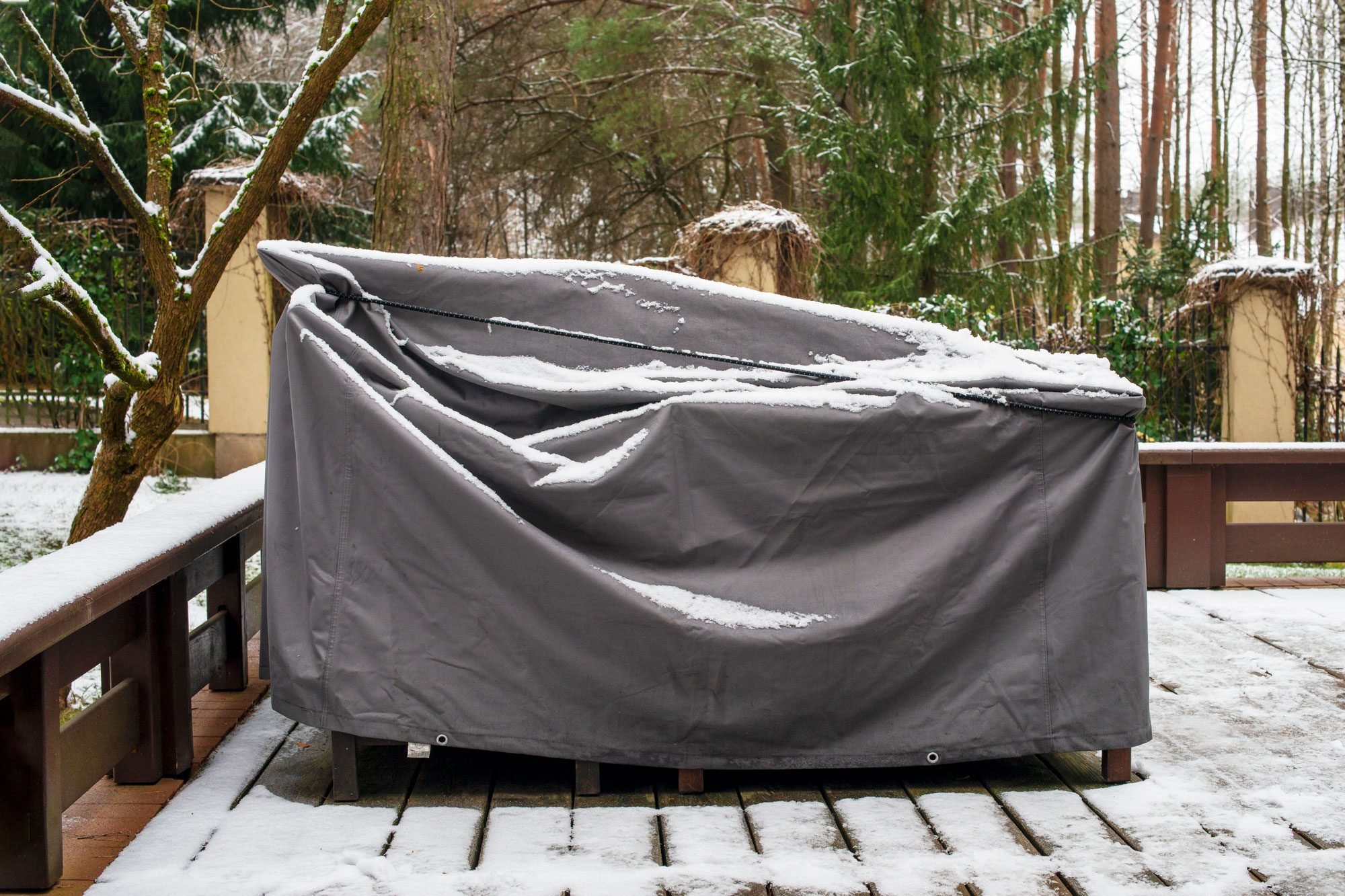
Wind can lift or blow away covers. Use straps, ties, or bungee cords to secure them. Make sure covers fit snugly around furniture edges. Tighten loose ends to avoid flapping. A well-secured cover stays in place during storms and strong winds.
Storage Tips During Off-season
Store furniture in a dry, shaded place during the off-season. Avoid direct sunlight and moisture. If indoor storage is not possible, use high-quality waterproof covers. Elevate furniture off the ground to prevent water damage. Proper storage keeps your furniture in good condition for next use.
Additional Protection Strategies
Covering outdoor furniture is important, but extra steps help even more. These steps protect furniture from sun, rain, dust, and insects. They keep your furniture looking new and last longer. Simple actions can save you money and time.
Using Furniture Sealants
Furniture sealants form a thin, protective layer on surfaces. They stop water and dirt from damaging wood or metal. Applying sealant regularly helps prevent cracks and rust. Use sealants made for your furniture type. This keeps the material strong and bright.
Placing Furniture In Sheltered Areas
Put outdoor furniture under roofs or patios when possible. Sheltered spots block rain and harsh sun. This reduces wear and tear. Even a small cover or umbrella can protect your furniture. Shelters keep cushions dry and fabric colors fresh.
Regular Inspection And Maintenance
Check your furniture often for damage or dirt. Clean off dust, leaves, and stains quickly. Fix small problems like loose screws or scratches right away. Regular care stops damage from getting worse. This keeps your furniture safe and comfortable.
Credit: www.familyhandyman.com
:max_bytes(150000):strip_icc()/spr-otk-fj-outdoor-patio-furniture-covers-waterproof-uv-resistant-anti-fading-cover-x-large-round-table-chairs-set-dburreson-13-d5f0f236a2d34497bb8f72b8b5fd51bc.jpeg)
Credit: www.thespruce.com
Frequently Asked Questions
Why Is Outdoor Furniture Cover Important?
Covering outdoor furniture protects it from rain, sun, dirt, and pests. This prevents damage, fading, and rust. It extends the furniture’s lifespan and maintains its appearance, saving money on repairs or replacements.
How Does Covering Outdoor Furniture Prevent Damage?
Covers shield furniture from UV rays, moisture, and dust. This reduces fading, cracking, and mold growth. It also blocks debris and bird droppings, keeping furniture clean and intact for longer use.
What Materials Are Best For Outdoor Furniture Covers?
Waterproof, UV-resistant, and breathable fabrics like polyester or vinyl are ideal. These materials protect furniture from weather while preventing moisture buildup underneath. They offer durability and easy cleaning, ensuring effective long-term protection.
Can Outdoor Furniture Covers Save Maintenance Time?
Yes, covers reduce cleaning frequency and repair needs. They keep furniture dry and clean, minimizing wear and tear. This saves time and effort spent on upkeep and prolongs the furniture’s usability.
Conclusion
Covering outdoor furniture protects it from rain, sun, and dust. This keeps the furniture looking new for a longer time. It also saves money on repairs and replacements. Covers prevent mold and fading, which damage the material. Using covers is a simple way to extend furniture life.
It keeps your outdoor space neat and inviting. Choose the right cover for your furniture type and size. A small effort leads to big benefits in the long run. Protect your investment and enjoy your outdoor area more.