Your outdoor furniture is an investment that deserves the best care. But how do you keep it safe from rain, dust, and sun damage?
The answer lies in using the right outdoor furniture cover. If you want to protect your furniture and make it last longer, this guide will show you exactly how to use an outdoor furniture cover the smart way. Keep reading to discover simple tips that can save you time, money, and frustration.
Your outdoor space deserves to look great all year round—let’s make that happen together.

Credit: www.amazon.com
Choosing The Right Cover
Choosing the right outdoor furniture cover protects your investment. It keeps your furniture safe from dirt, rain, and sun damage. A good cover lasts long and fits well. Consider a few key points before buying one.
Material Types
Outdoor covers come in different materials. Polyester is light and dries quickly. Vinyl is thicker and blocks water well. Canvas is strong but heavier and may take time to dry. Pick a material that suits your climate and furniture type.
Size And Fit
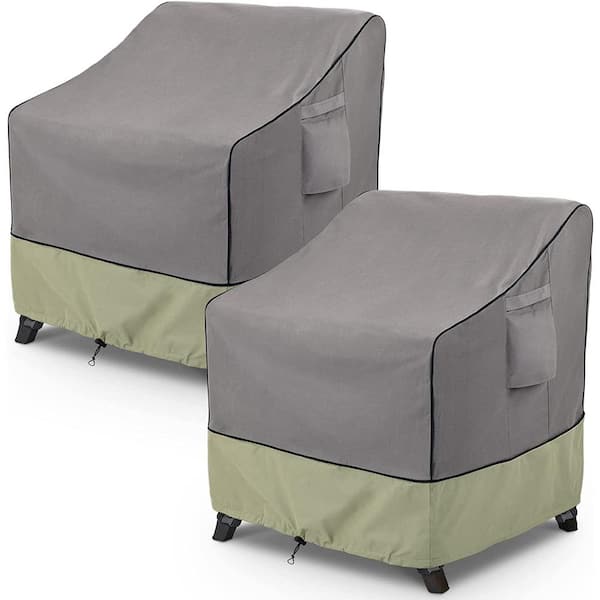
Measure your furniture before choosing a cover. A tight fit keeps dust and water out. Too loose covers can blow away in wind. Look for covers with adjustable straps or elastic hems for a secure fit.
Weather Resistance
Weather resistance matters for outdoor covers. Choose covers that resist water and UV rays. Waterproof covers keep rain away. UV protection stops colors from fading. Good weather resistance extends the cover’s life and keeps furniture fresh.

Credit: www.grandinroad.com
Preparing Furniture For Covering
Preparing your outdoor furniture for covering is an important step. It helps protect your furniture from weather damage and keeps it looking new. Taking time to prepare ensures the cover fits well and lasts longer.
Cleaning Before Covering
Start by cleaning your furniture thoroughly. Remove dirt, dust, and leaves. Use a soft brush or cloth with mild soap and water. Clean every corner, including under the seats and legs. Clean furniture prevents mold and stains under the cover.
Drying Completely
Let your furniture dry fully before covering. Moisture trapped under the cover causes mold and rust. Air-dry cushions and frames in a sunny spot. Make sure no water remains on the surface or in joints.
Removing Cushions And Accessories
Take off all cushions, pillows, and accessories. Store these items indoors to keep them safe. Covers work best on bare furniture frames. Removing extras prevents damage and keeps cushions dry and clean.
Proper Covering Techniques
Proper covering techniques extend the life of your outdoor furniture. Covers protect from rain, dust, sun, and wind. Using the right methods keeps your furniture safe and dry. Follow simple steps to avoid damage and make covering easy.
Securing The Cover
Place the cover tightly over the furniture. Make sure it fits well without gaps. Tuck edges under legs or base to hold it firm. This stops wind from blowing it away. A snug fit keeps dirt and bugs out.
Avoiding Trapped Moisture
Do not cover wet furniture. Moisture trapped inside causes mold and rust. Let furniture dry before covering. Leave small gaps for air to flow. Good airflow stops dampness and bad smells.
Using Straps And Ties
Use straps or ties to hold the cover in place. Fasten them around legs or frame. This prevents the cover from flapping in strong wind. Adjustable straps work best for different furniture sizes. Secure covers stay longer and protect better.
Maintaining Covered Furniture
Maintaining your outdoor furniture cover is key to protecting your furniture. A well-kept cover lasts longer and keeps your furniture safe from weather damage. Small steps can make a big difference in preserving both the cover and the furniture underneath.
Regular Inspection
Check your furniture cover often for tears or holes. Fix small damages quickly to stop them from getting worse. Look at the seams and zippers to ensure they work well. A tight and intact cover shields your furniture better.
Cleaning The Cover
Clean the cover regularly to remove dirt and dust. Use mild soap and water with a soft brush or cloth. Avoid harsh chemicals that can weaken the fabric. Let the cover dry fully before placing it back on your furniture.
Storing Covers When Not In Use
Store covers in a dry, cool place when not covering furniture. Fold them neatly to avoid creases and damage. Keep covers away from direct sunlight and moisture. Proper storage helps covers stay in good shape for the next season.
Common Mistakes To Avoid
Using outdoor furniture covers protects your items from weather damage. Many people make simple mistakes that reduce cover effectiveness. Avoiding these errors helps keep your furniture in good shape. Here are common mistakes to watch out for.
Ignoring Ventilation
Not allowing air to flow under the cover causes moisture buildup. This moisture leads to mold and mildew growth. Always choose covers with vents or lift them occasionally. Proper ventilation keeps furniture dry and fresh.
Covering Wet Furniture
Placing a cover on wet furniture traps water underneath. This moisture damages wood and metal parts over time. Wait until furniture is fully dry before covering it. This step prevents rust and decay.
Using Incompatible Covers
Using covers made from the wrong material harms your furniture. Some covers can trap heat or scratch surfaces. Select covers designed for your furniture type and size. Proper fit and material extend furniture life.
Seasonal Tips For Protection
Outdoor furniture needs special care through different seasons. Using covers is one of the best ways to protect your furniture. Each season has unique challenges. Knowing how to cover and protect your furniture helps keep it in good shape.
Seasonal tips make your furniture last longer. Follow these easy steps for each season.
Winterizing Outdoor Furniture
Before winter, clean your furniture well. Remove dirt and moisture to prevent damage. Use a thick, waterproof cover that fits tightly. This stops snow and ice from reaching the furniture. Store cushions inside if possible. Avoid leaving water on surfaces as it can freeze and crack materials.
Protecting From Sun Damage
Sun can fade colors and weaken materials. Use covers made of UV-resistant fabric. Cover your furniture during the hottest part of the day. Move lightweight furniture to shaded areas if possible. Regularly check for signs of sun damage and clean dust off to avoid buildup.
Handling Rain And Snow
Rain and snow cause rust and mold. Use water-resistant covers that allow air to flow. This stops moisture from being trapped underneath. Make sure covers are secured tightly to prevent water pooling. Dry your furniture after rain or snow melts. Store cushions indoors or in a dry place.
Credit: www.homedepot.com
Frequently Asked Questions
How Do I Choose The Right Outdoor Furniture Cover?
Select a cover that fits your furniture size precisely. Choose waterproof, UV-resistant material for durability. Consider ventilation features to prevent mold and mildew growth. A good cover protects against rain, dust, and sun damage effectively.
When Should I Use An Outdoor Furniture Cover?
Use the cover whenever furniture is not in use. Cover during rain, snow, or intense sun to extend furniture life. Also, cover during long storage periods or off-season times to prevent damage.
How Do I Clean And Maintain Furniture Covers?
Clean covers regularly with mild soap and water. Avoid harsh chemicals that degrade fabric. Allow covers to dry completely before storing or re-covering furniture. Proper maintenance prolongs cover lifespan and effectiveness.
Can Outdoor Furniture Covers Prevent Mold And Mildew?
Yes, covers with breathable fabric reduce moisture buildup. Proper ventilation prevents mold and mildew growth. Always ensure furniture is dry before covering to avoid trapping moisture inside.
Conclusion
Using an outdoor furniture cover keeps your furniture safe and clean. It protects against rain, dust, and sun damage. Covers also help your furniture last longer. Choose the right size and material for best results. Remember to dry furniture before covering to avoid mold.
Clean the cover regularly to maintain its quality. Store the cover properly when not in use. Taking these simple steps saves money and effort. Enjoy your outdoor space with well-protected furniture all year round. Simple care makes a big difference.