Your wood furniture adds charm and warmth to your outdoor space. But have you noticed how weather, sun, and moisture can quickly wear it down?
If you want to keep your wooden pieces looking fresh and sturdy year after year, you need the right protection. You’ll discover simple, effective ways to shield your outdoor wood furniture from damage. Keep reading to learn how to extend the life of your favorite pieces and enjoy them for many seasons to come.
Choosing Durable Wood Types
Choosing the right wood type is key to protecting outdoor furniture. Wood outdoors faces sun, rain, and bugs. Not all wood types handle these challenges well. Durable woods last longer and need less care.
Some woods resist moisture and insects naturally. Others need regular treatment to stay strong. Knowing the best woods helps you pick furniture that stays beautiful.
Best Woods For Outdoor Use
Teak is a top choice. It has natural oils that protect against water and pests. Cedar is light and smells good. It resists rot and insects but is softer than teak. Redwood also fights decay well. It stays strong in different weather.
Acacia is affordable and durable. It has a rich color and stands up to rain. White oak is tough and water-resistant. It can last many years with some care.
Pros And Cons Of Common Woods
Teak’s pros: very durable, low maintenance, and beautiful grain. Its con is the high price. Cedar’s pros: light, insect-resistant, and easy to work with. Its con is it can scratch easily.
Redwood’s pros: strong and resists decay. Its con is it may fade in strong sun. Acacia’s pros: affordable and durable. Its con is it needs regular oiling.
White oak’s pros: tough and water-resistant. Its con is it can be heavy and hard to move. Choosing wood depends on your budget and care time. Durable wood cuts down repair and replacement costs.

Credit: osmouk.com
Preparing Wood For Protection
Preparing wood for protection is the first step to keep outdoor furniture strong and beautiful. Proper preparation helps the wood absorb sealants or paint better. It also stops dirt and damage from ruining the finish. Clean and smooth wood allows protective layers to stick well. This makes the wood last longer under sun, rain, and wind.
Cleaning And Sanding
Start by cleaning the wood to remove dust and dirt. Use a soft brush or cloth with mild soap and water. Rinse well and let the wood dry completely. Dirt can block sealants and cause peeling later.
Next, sand the surface lightly with fine sandpaper. Sanding removes old finishes and smooths rough spots. Always sand in the direction of the wood grain. This avoids scratches that stand out. Clean off sanding dust with a dry cloth before moving on.
Repairing Damage
Check for cracks, holes, or loose joints in the wood. Small cracks can let water inside, causing rot. Fill cracks and holes with wood filler and let it dry. Sand the filled areas smooth to blend with the wood.
Tighten loose joints using wood glue or screws. Fixing damage now prevents bigger problems later. Well-repaired wood holds protective coatings better and stays strong longer.
Applying Protective Finishes
Applying protective finishes is a key step to keep wood furniture safe outside. It helps stop water, sun, and dirt from damaging the wood. Finishes also make the wood look nicer and last longer. Choosing the right finish and applying it well can protect your furniture for many years.
Types Of Sealants And Varnishes
Sealants create a barrier that stops water and moisture from entering the wood. They come in clear or tinted versions. Some sealants dry fast and keep wood color natural. Others add a slight shine to the surface.
Varnishes are thicker finishes that protect wood from sun damage. They usually contain UV blockers to prevent fading. Varnishes come in gloss, semi-gloss, or matte finishes. They form a hard, durable coat that resists scratches and wear.
Choosing between sealants and varnishes depends on your wood type and exposure. Sealants suit softer woods or furniture under cover. Varnishes fit hardwood and fully exposed furniture. Both protect wood from water and sun damage.
How To Apply Finishes Correctly
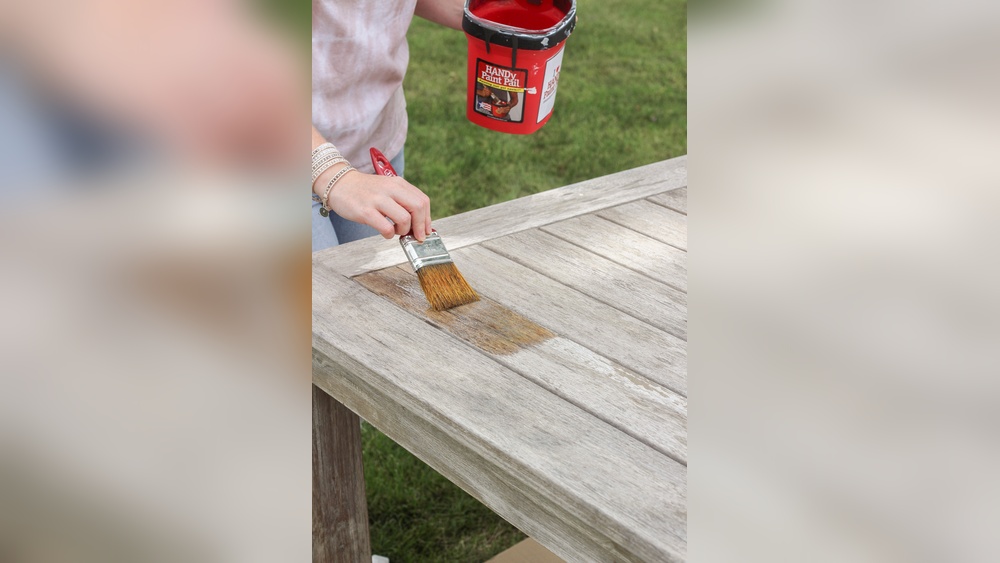
Start by cleaning the wood surface. Remove dirt, dust, and old finish if needed. Sand the wood lightly to create a smooth surface. Use a brush or cloth to apply the finish evenly. Follow the wood grain for best results.
Apply thin coats to avoid drips and bubbles. Let each coat dry fully before adding the next. Usually, two to three coats give good protection. Lightly sand between coats for a smooth finish. Work in a well-ventilated area and protect surrounding spaces.
Check the weather forecast before applying finishes. Avoid rainy or very humid days. Dry, mild weather helps the finish cure properly. Proper application keeps your wood furniture strong and beautiful outdoors.
Using Wood Oils And Treatments
Using wood oils and treatments is a simple way to protect outdoor wood furniture. These products soak into the wood, creating a barrier against water, sun, and dirt. They help keep the wood healthy and looking good for a long time.
Wood oils penetrate deep, nourishing the wood fibers. Treatments often include ingredients that prevent mold and mildew. Together, they slow down the damage caused by weather changes and insects.
Benefits Of Natural Oils
Natural oils like teak, linseed, and tung oil keep wood strong. They do not form a hard film but soak into the wood. This stops cracking and warping caused by drying out.
These oils bring out the wood’s natural color and grain. They give a soft, warm glow instead of a shiny surface. Natural oils are safe for the environment and easy to apply.
Frequency Of Reapplication
Reapply oils and treatments every six to twelve months. Outdoor wood faces sun, rain, and cold, which wear down protection. Check the furniture’s surface for dull or dry spots.
Apply more oil if water no longer beads on the surface. Regular maintenance keeps the wood strong and looking fresh. Follow the product’s instructions for the best results.
Preventing Moisture Damage
Wood furniture outdoors faces a big enemy: moisture. Water can cause wood to swell, crack, or rot over time. Protecting wood from moisture keeps it strong and looking good. Simple steps can greatly reduce moisture damage and extend furniture life.
Waterproof Covers And Placement
Use waterproof covers to shield wood from rain and dew. Choose covers that fit snugly and allow some air flow. Avoid plastic tarps that trap moisture and cause mold. Place furniture under a roof or porch for extra protection. Position pieces away from direct rain paths to reduce water exposure.
Improving Drainage And Ventilation
Good drainage stops water from pooling around furniture legs. Place furniture on gravel or a raised platform instead of bare soil. Keep grass and plants trimmed to improve air flow. Open spaces under and around furniture help wood dry faster. Proper ventilation lowers moisture and prevents mold growth.
Protecting Against Sun Damage
Sunlight can harm wood furniture outdoors. It causes fading, drying, and cracking. Protecting wood from sun damage keeps furniture strong and beautiful. Simple steps help extend the life of your outdoor pieces.
Uv-resistant Coatings
Apply UV-resistant coatings on wood surfaces. These coatings block harmful rays and reduce fading. Choose clear finishes to keep the natural look of wood. Reapply coatings every year for best results. Use brushes or sprayers for even coverage. Let the coating dry fully before using the furniture.
Shading And Positioning Tips
Place furniture in shaded areas when possible. Shade lowers direct sun exposure and heat. Use umbrellas or awnings to add shade. Move furniture regularly to avoid one-sided sun damage. Position pieces near trees or walls for natural shade. These small changes protect wood from harsh sunlight.
Regular Maintenance Tips
Regular maintenance keeps outdoor wood furniture strong and beautiful. It stops damage early and extends the life of your pieces. Simple habits can protect wood from weather and wear.
Daily care is easy and helps your furniture last longer. Focus on cleaning and checking for small problems. Fixing these can save you money and effort later.
Cleaning Routines
Dust and dirt can harm wood surfaces. Clean your furniture weekly with a soft brush or cloth. Use mild soap mixed with water for deeper cleaning. Avoid harsh chemicals that can strip wood finish.
Rinse with clean water and dry well to stop water spots. Keep furniture dry after rain to prevent mold and rot. Cover or move pieces inside during bad weather if possible.
Inspecting For Wear And Tear
Look closely at your furniture every month. Check for cracks, splinters, or loose joints. Early signs of damage need quick repair to avoid bigger problems.
Check the finish for peeling or fading. Apply a fresh coat of sealant or paint as needed. Tighten screws and bolts to keep furniture stable and safe.
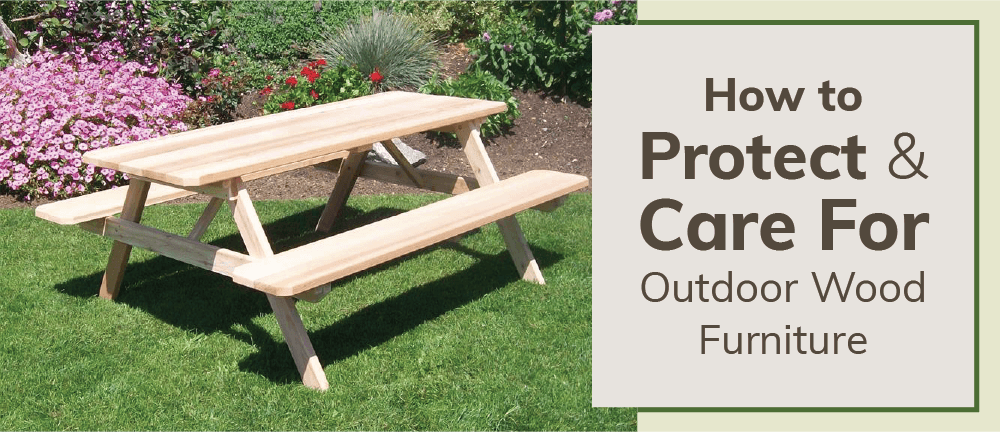
Credit: www.dutchcrafters.com
Winterizing Outdoor Wood Furniture
Winter can be tough on wood furniture kept outdoors. Cold temperatures, snow, and moisture cause damage. Protecting wood furniture before winter helps it last longer. Taking simple steps prevents cracks, warping, and fading. Proper care keeps furniture looking good for years.
Storage Solutions
Storing wood furniture indoors is best for winter. A dry garage or shed works well. Keep furniture off the ground to avoid moisture. Use pallets or wooden blocks under legs. Cover furniture with breathable fabric covers. Avoid plastic covers that trap moisture. Proper storage reduces exposure to cold and wet conditions.
Preparing Furniture For Cold Weather
Clean furniture thoroughly before winter. Remove dirt, leaves, and dust. Use mild soap and water for cleaning. Let furniture dry completely outside. Apply a protective sealant or wood oil. This stops water from soaking in. Tighten loose screws and fix any damage. Preparing furniture well reduces winter wear and tear.

Credit: www.andersonlumbercompany.com
Frequently Asked Questions
How Often Should I Seal Outdoor Wood Furniture?
You should seal outdoor wood furniture at least once a year. Sealing protects wood from moisture, UV rays, and temperature changes. Regular sealing extends furniture life and maintains its appearance. Use a high-quality, weather-resistant sealant for best results.
What Type Of Finish Is Best For Outdoor Wood?
Oil-based finishes like teak oil or linseed oil are ideal. They penetrate wood, providing moisture resistance and a natural look. Avoid water-based finishes as they may peel or crack outdoors. Reapply finishes annually for continued protection and beauty.
Can I Use Paint To Protect Outdoor Wood Furniture?
Yes, paint offers a strong protective barrier against weather. Use exterior-grade paint designed for wood surfaces. Painting helps prevent moisture damage and UV fading. Ensure the wood is clean and dry before application for best adhesion.
How Do I Prevent Mold On Outdoor Wood Furniture?
Keep furniture clean and dry to prevent mold growth. Regularly wipe surfaces and avoid prolonged moisture exposure. Use a mold-resistant wood treatment or sealant. Proper ventilation around furniture also helps reduce mold formation.
Conclusion
Protecting wood furniture outdoors takes regular care and simple steps. Clean the furniture often to remove dirt and dust. Use covers or move pieces under shade to avoid sun damage. Apply sealants or oils to keep the wood strong and healthy.
Watch for signs of wear and fix problems quickly. These small efforts help your furniture last longer and look good. Enjoy your outdoor space with wood furniture that stays safe and beautiful.