
Are you ready to give your outdoor wood furniture a fresh, beautiful look? Painting your wooden chairs, tables, or benches can completely transform your outdoor space.
But maybe you’re wondering how to do it the right way so the paint lasts through sun, rain, and changing seasons. This guide will walk you through simple, clear steps to help you paint your outdoor wood furniture like a pro.
By the end, you’ll have the confidence to refresh your furniture and make your outdoor area inviting and vibrant. Let’s get started!
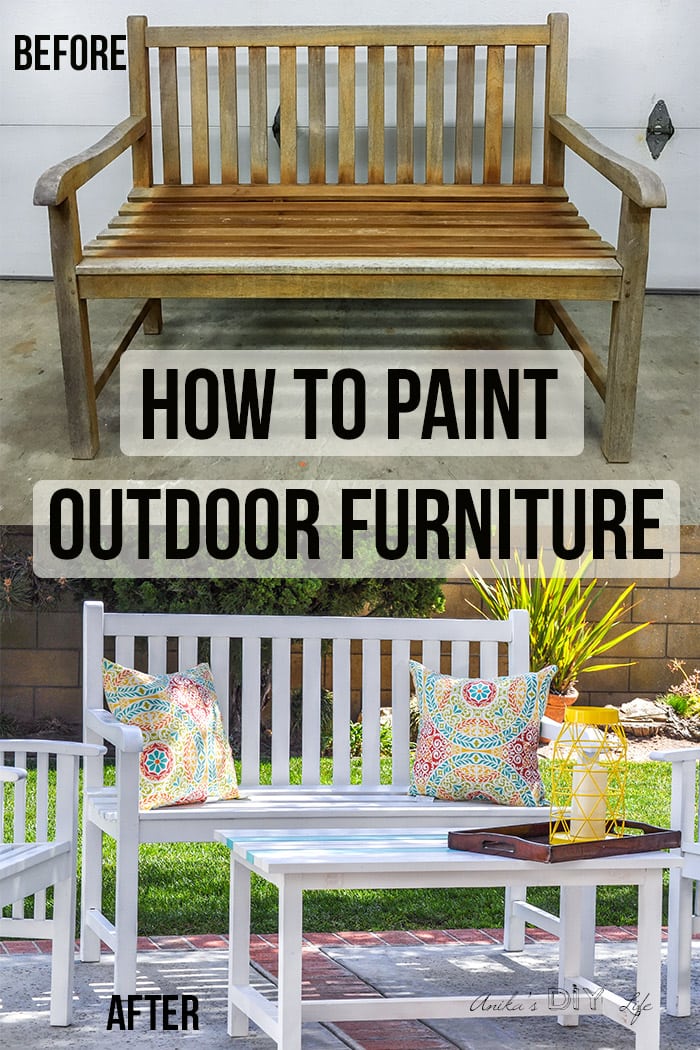
Credit: www.anikasdiylife.com
Choosing The Right Paint
Choosing the right paint for outdoor wood furniture is very important. The paint protects the wood from damage and makes it look nice. Different paints work better in different weather and on different wood types. Picking the correct paint helps your furniture last longer and stay beautiful.
Types Of Outdoor Paints
There are several types of paint for outdoor wood. Latex paint is easy to clean and dries fast. Oil-based paint sticks well and lasts long. Acrylic paint is flexible and resists cracking. Choose paint made for outdoor use to handle sun and rain.
Selecting The Perfect Color
Color affects the look and feel of your furniture. Light colors keep wood cooler in the sun. Dark colors hide dirt better but can get hot. Pick a color that matches your outdoor space and style. Test paint on a small spot first to see how it looks.
Considering Weather Resistance
Outdoor furniture faces sun, rain, wind, and cold. Paint should protect wood from these elements. Look for paint labeled as weather-resistant or waterproof. Some paints also resist mildew and fading. A good paint will keep your furniture safe and fresh for a long time.
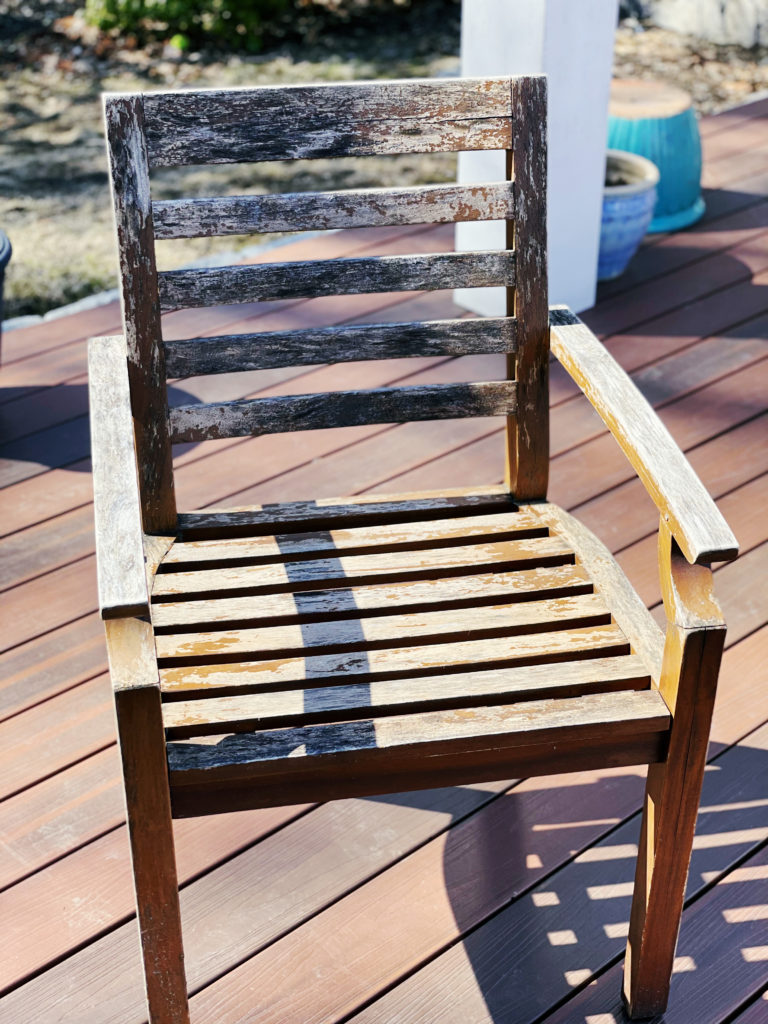
Credit: whitneysowles.com
Preparing The Wood Surface
Preparing the wood surface is the first step for painting outdoor wood furniture. This step helps paint stick better and last longer. Good preparation protects the wood from weather damage. It also makes the furniture look smooth and fresh. Follow simple steps to get your wood ready for painting.
Cleaning And Sanding
Start by cleaning the furniture with soap and water. Remove dirt, dust, and old grime completely. Let the wood dry fully before the next step. Use sandpaper to smooth the surface. Sanding removes rough spots and opens wood pores. This helps the paint to stick well. Always sand in the direction of the wood grain.
Repairing Damages
Check the wood for cracks, holes, or loose parts. Use wood filler to fix small cracks and holes. Press the filler into the damaged spots and smooth it out. Let it dry before sanding again. Tighten or replace any loose screws or nails. Repairing ensures the furniture stays strong and stable.
Removing Old Paint
Old paint can peel or flake after painting. Remove loose or peeling paint with a scraper or wire brush. For stubborn paint, use a paint stripper or heat gun carefully. Sand the surface after paint removal to make it smooth. Removing old paint helps the new paint stick better and last longer.
Priming For Durability
Priming outdoor wood furniture is the key to long-lasting paint. It forms a strong base for paint to stick. Primer protects wood from moisture and weather damage. This step helps paint look smooth and last longer. Skipping primer leads to peeling and fading quickly.
Benefits Of Primer
Primer blocks stains and wood tannins from bleeding through paint. It seals the wood surface to stop moisture entry. This reduces cracking and blistering of paint. Primer improves paint adhesion for a smooth finish. It also helps the paint color look bright and even.
Choosing The Best Primer
Pick a primer made for outdoor wood. Look for water-resistant or oil-based primers. These types work well on wood exposed to rain and sun. Choose a primer that blocks stains if your wood has knots. Check the drying time to fit your painting schedule. A good primer saves time and effort in the long run.
Proper Primer Application
Start with clean, dry wood before priming. Sand the surface lightly to help primer stick better. Use a brush or roller to apply an even coat. Cover all edges and corners fully. Let the primer dry completely before painting. Apply a second coat if the wood is rough or very porous.
Painting Techniques
Painting outdoor wood furniture requires good techniques for a smooth, lasting finish. Proper methods help the paint stick well and resist weather. This section explains key painting techniques to get the best results.
Brush Vs. Spray Painting
Brush painting offers control and precision. It works well for small areas and detailed spots. Brushes help spread paint evenly and reach corners. Spray painting covers large surfaces quickly. It creates a smooth, uniform coat without brush marks. Spraying works best outdoors with good ventilation. Choose brush painting for detail. Use spray painting for speed and smoothness.
Applying Thin Coats
Thin coats dry faster and last longer. Thick paint layers can drip or peel over time. Apply several thin coats instead of one thick one. Wait for each coat to dry fully before adding the next. Thin coats give a cleaner, more even finish. They also reduce the risk of cracking.
Avoiding Drips And Streaks
Drips and streaks ruin the paint’s look. Use a good quality brush or spray gun for even coverage. Keep the brush or sprayer moving steadily. Avoid overloading paint on the brush or nozzle. If you see drips, smooth them out immediately with the brush. Check your work in natural light to catch streaks early. Patience helps create a perfect finish.
Sealing And Protecting
Sealing and protecting outdoor wood furniture is key to keeping it safe from weather damage. A good sealant stops water, sun, and dirt from hurting the wood. This step helps the paint last longer and keeps the wood looking fresh.
Types Of Sealants
Choose a sealant based on your furniture’s needs. Polyurethane creates a strong, clear coat that resists scratches. Spar varnish works well for outdoor use because it bends with the wood. Water-based sealants dry fast and have less odor. Oil-based sealants soak deep into the wood for better protection.
Application Tips
Apply sealant with a clean brush or cloth. Work in thin, even layers to avoid drips. Let each coat dry fully before adding another. Lightly sand between coats for a smooth finish. Always apply sealant in a well-ventilated area. Follow the product instructions for best results.
Maintaining The Finish
Check your furniture often for signs of wear. Clean it gently with mild soap and water. Avoid harsh chemicals that can break down the sealant. Reapply sealant every 1-2 years to keep protection strong. Store furniture under cover during harsh weather to extend its life.
Seasonal Care Tips
Taking care of outdoor wood furniture through the seasons keeps it looking fresh and strong. Seasonal care helps protect your paint and wood from weather damage. Follow simple steps to maintain your furniture all year round.
Winterizing Outdoor Furniture
Winter can be harsh on wood furniture. Start by cleaning the pieces to remove dirt and dust. Use a mild soap and water solution. Let the furniture dry completely before covering.
Cover furniture with a breathable cloth or tarp. Avoid plastic covers that trap moisture. Store smaller items indoors if possible. This prevents cracking and peeling caused by cold and moisture.
Regular Cleaning Routines
Clean your furniture regularly to keep paint fresh. Dust and dirt can wear down the paint finish over time. Use a soft brush or cloth to remove debris.
For deeper cleaning, use mild soap and water. Avoid harsh chemicals that can damage the paint. Rinse well and dry the furniture with a clean towel.
Touch-up Strategies
Small scratches and chips can ruin the look of your furniture. Inspect your pieces monthly for any damage. Keep paint touch-up kits handy for quick fixes.
Lightly sand the damaged area before applying new paint. Match the paint color carefully. Apply thin layers and let each dry fully. This keeps your furniture looking new longer.
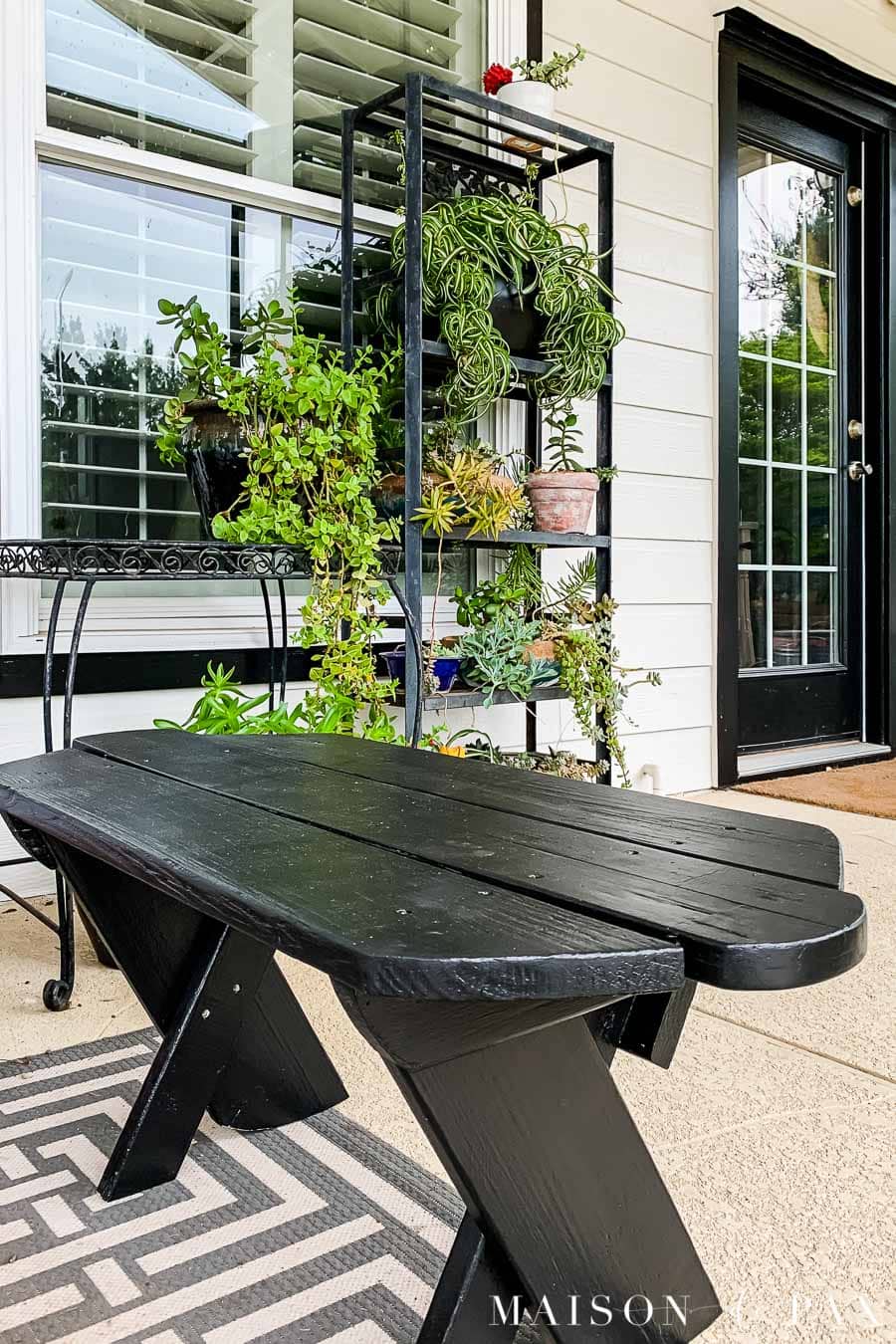
Credit: www.maisondepax.com
Frequently Asked Questions
How Do I Prepare Wood Furniture For Outdoor Painting?
Start by cleaning the wood thoroughly to remove dirt and grime. Sand the surface smoothly to ensure paint adhesion. Repair any cracks or holes with wood filler. Finally, wipe the wood clean before applying primer for best results.
What Type Of Paint Is Best For Outdoor Wood Furniture?
Use exterior acrylic latex paint for durability and weather resistance. It withstands moisture, UV rays, and temperature changes well. Avoid indoor paints as they lack protection against outdoor elements. Choose a high-quality brand for longer-lasting results.
How Many Coats Of Paint Should I Apply Outside?
Apply at least two coats of paint for even coverage and durability. Allow the first coat to dry fully before applying the second. Additional coats can enhance protection, especially in harsh weather conditions. Follow manufacturer drying time recommendations.
Should I Use A Primer Before Painting Outdoor Wood?
Yes, using a primer improves paint adhesion and longevity. It seals the wood pores and prevents moisture damage. Choose a primer compatible with your paint type. Priming is essential for rough or bare wood surfaces.
Conclusion
Painting outdoor wood furniture can brighten any space. Start with clean, dry wood for best results. Choose the right paint to protect against weather. Apply thin coats and let each dry fully. This process keeps furniture looking fresh and lasts longer.
A little effort brings big rewards. Enjoy your beautifully painted furniture all season. Keep it covered when not in use. Simple steps make your outdoor furniture shine.


