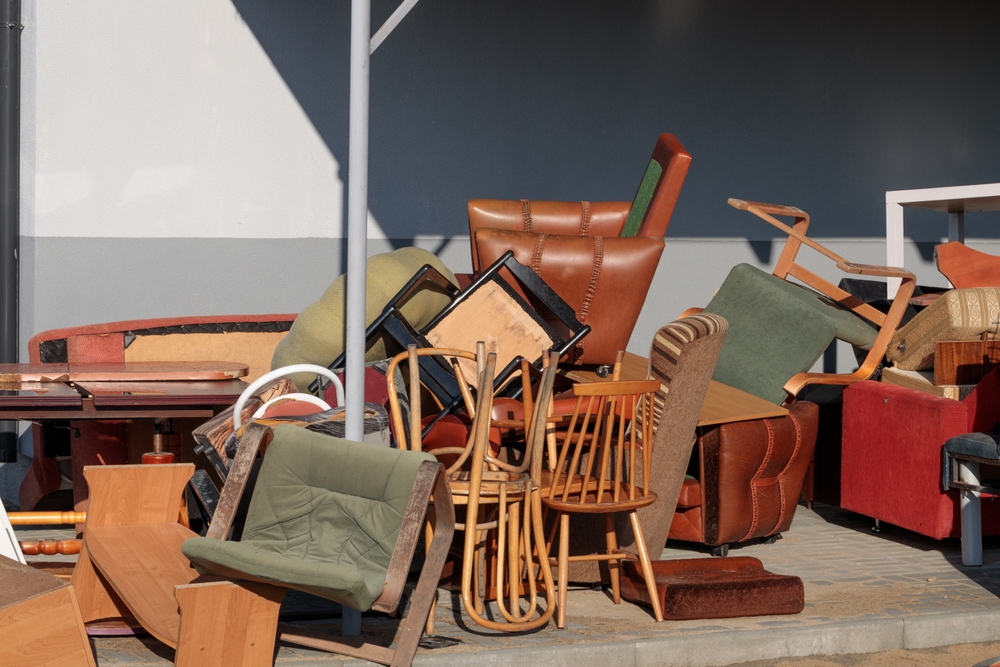
Is your old outdoor furniture taking up space and making your yard look cluttered? You’re not alone.
Getting rid of worn-out chairs, tables, or benches can feel overwhelming. But what if you could clear out that space quickly and easily, making room for new, fresh pieces or just more open air? You’ll discover simple, effective ways to say goodbye to your old outdoor furniture without stress.
Keep reading to find out how you can transform your outdoor space today.
Credit: standupguys.com
Assess Furniture Condition
Before deciding what to do with old outdoor furniture, it is important to assess its condition. This step helps you decide whether to keep, fix, or get rid of the pieces. Checking the furniture carefully saves time and money.
Look closely at every part of the furniture. This way, you know exactly what you are dealing with. Start by checking for damage and then decide if repair is possible.
Check For Damage
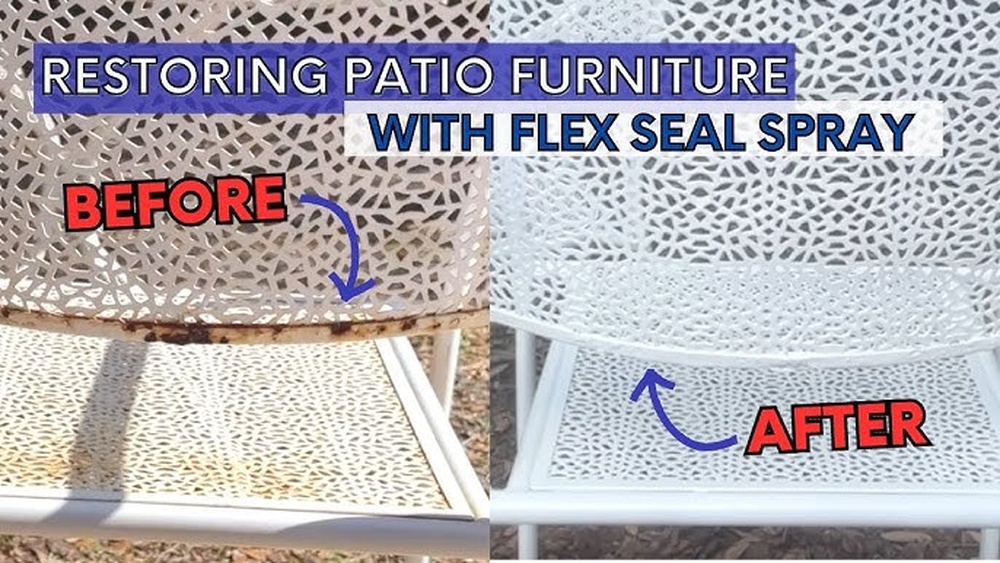
Look for cracks, broken parts, or rust on metal frames. Check if wooden pieces are rotting or splintering. Inspect fabric for tears, stains, or fading. Notice if cushions have lost shape or firmness. These signs show how much the furniture has worn out.
Determine Repairability
Think about how easy it is to fix the damage. Small scratches or loose screws may be simple to repair. Major cracks or rust could mean the furniture is beyond repair. Consider the cost of new parts and time needed for fixing. Decide if fixing is worth more than buying new furniture.

Credit: www.youtube.com
Repurpose Old Pieces
Old outdoor furniture does not have to end up in the trash. Repurposing these pieces gives them a new life. It also helps reduce waste and saves money. Many items can become useful again with a little creativity. This section shows easy ways to turn old furniture into fresh, practical items for your home and garden.
Create Garden Planters
Wooden chairs and tables can become garden planters. Remove the seat or tabletop to make space for soil. Paint the wood with weatherproof colors to protect it. Place plants or flowers inside to brighten your garden. Old drawers also work well as small planters. They add charm and a rustic look to outdoor spaces.
Convert Into Storage
Old benches and cabinets can turn into storage units. Clean and sand the surface before use. Add shelves or baskets inside to organize garden tools or outdoor toys. This creates handy storage without buying new furniture. Storage pieces keep your outdoor area neat and tidy.
Donate Or Sell
Donating or selling old outdoor furniture helps others and clears your space. Instead of throwing it away, consider giving it a new life. This way, you save the environment and benefit your community.
Find Local Charities
Many charities accept furniture donations. They give items to families in need or sell them to raise funds. Contact local shelters, community centers, or thrift stores. Check their rules about the furniture condition and pickup options.
Donating is simple and feels good. It helps people who cannot afford new furniture. Clean your pieces before donating. Make sure they are safe and usable. This increases their chances of being accepted quickly.
Use Online Marketplaces
Online marketplaces offer a quick way to sell your furniture. Platforms like Facebook Marketplace, Craigslist, or local buy-and-sell apps reach many buyers nearby. Upload clear photos and write honest descriptions.
Set a fair price based on the furniture’s condition. Respond quickly to messages and arrange safe meetups. Selling saves money and gives your furniture a second chance. It also helps buyers find affordable outdoor pieces.

Credit: flowyline.com
Recycle Materials
Recycling old outdoor furniture helps reduce waste and protect nature. It gives new life to materials like wood and metal. Breaking down furniture into parts makes recycling easier and more effective. This process saves resources and keeps harmful materials out of landfills.
Separate Wood And Metal
Start by removing nails and screws carefully. Separate wooden parts from metal frames and hardware. Clean wood pieces from paint or dirt if possible. Metal parts include screws, bolts, and steel frames. Sorting materials improves recycling quality and value.
Locate Recycling Centers
Find local recycling centers that accept wood and metal. Some places specialize in scrap metal or treated wood. Check if the center has rules for large furniture items. Many communities offer free drop-off days for recycling. Call ahead to confirm accepted materials and hours.
Dispose Responsibly
Disposing of old outdoor furniture responsibly protects the environment. It also helps keep your community clean. Proper disposal stops harmful materials from polluting the land and water.
Many outdoor furniture pieces contain plastics, metals, and treated wood. These materials need special handling. Throwing them in regular trash can cause damage. Responsible disposal ensures these items get recycled or handled safely.
Schedule Bulk Waste Pickup
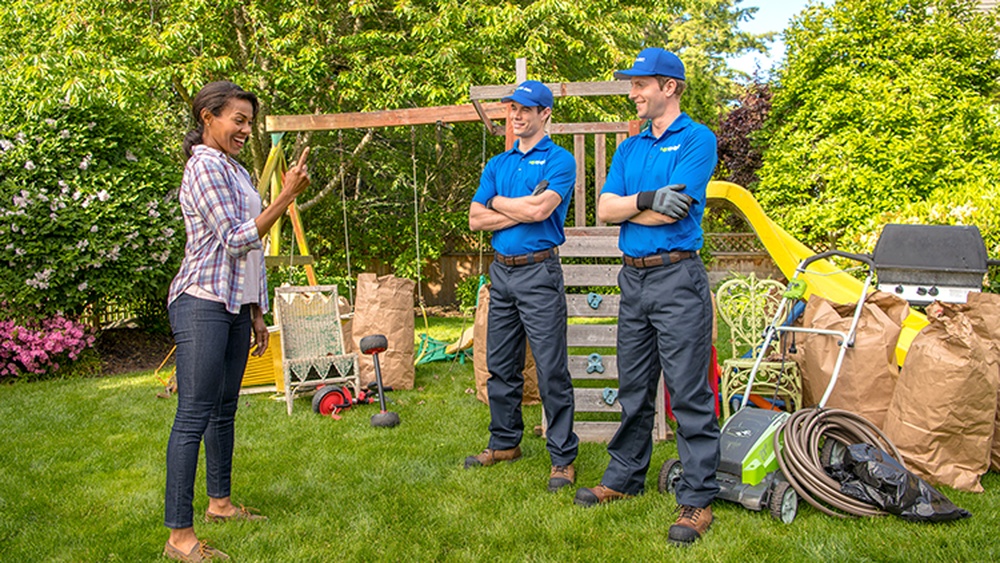
Many cities offer bulk waste pickup services for large items. Call your local waste department to arrange a pickup day. They will collect your old furniture from your home. This service saves you time and effort.
Prepare your furniture by breaking it down if possible. Remove cushions and other soft parts. Make sure the pieces are easy to handle for the workers. Check if there are any fees for this service in your area.
Follow Local Disposal Rules
Every community has rules for disposing of bulky waste. These rules protect the environment and public health. Check your city’s website or call the local office to learn the rules.
Some areas require you to take furniture to a special landfill or recycling center. Others ask for scheduled pickup or drop-off days. Following these rules helps your furniture get recycled or disposed of properly.
Ignoring local rules can lead to fines and harm the environment. Stay informed and comply with the guidelines. This keeps your neighborhood clean and safe for everyone.
Prevent Future Waste
Preventing future waste starts with smart choices today. Taking care of outdoor furniture extends its life. This reduces the need to throw away old pieces often. A little effort can save money and protect the environment.
Choose Durable Materials
Select furniture made from strong materials. Teak, metal, and synthetic wicker last longer outside. These materials resist weather damage better than wood or plastic. Investing in durability means fewer replacements over time. This choice helps reduce waste and saves resources.
Maintain Furniture Regularly
Clean outdoor furniture often to stop dirt buildup. Cover pieces during rain or snow to prevent damage. Check for loose screws or worn parts and fix them fast. Regular care keeps furniture sturdy and good looking. Small repairs prevent bigger problems and extend furniture life.
Frequently Asked Questions
How To Dispose Of Old Outdoor Furniture Responsibly?
Donate usable pieces to charities or community centers. Recycle materials like metal and wood through local programs. Avoid landfill by repurposing or selling items online. This approach reduces waste and benefits others.
Can Old Outdoor Furniture Be Repurposed Creatively?
Yes, old furniture can be upcycled into garden planters or benches. Sand and repaint wooden pieces for a fresh look. Use metal frames for DIY outdoor art projects. Creative reuse extends furniture life and adds charm.
What Are Safe Methods To Recycle Outdoor Furniture?
Separate materials like plastic, metal, and wood for proper recycling. Contact local recycling centers to confirm accepted items. Disassemble furniture to facilitate material sorting. Recycling reduces environmental impact and conserves resources.
Should I Sell Or Donate Old Outdoor Furniture?
Selling can generate extra cash if furniture is in good condition. Donating supports community members and charitable organizations. Both options prevent waste and give furniture a second life. Choose based on convenience and furniture quality.
Conclusion
Getting rid of old outdoor furniture does not have to be hard. You can donate, recycle, or sell your items. Some pieces might be perfect for a DIY project. Clearing space makes your outdoor area look fresh and neat. Taking small steps helps you finish the task quickly.
Choose the best way that fits your needs and time. Enjoy your clean, open space for new outdoor fun. The process feels good once you see the results. Start today and make your yard welcoming again.