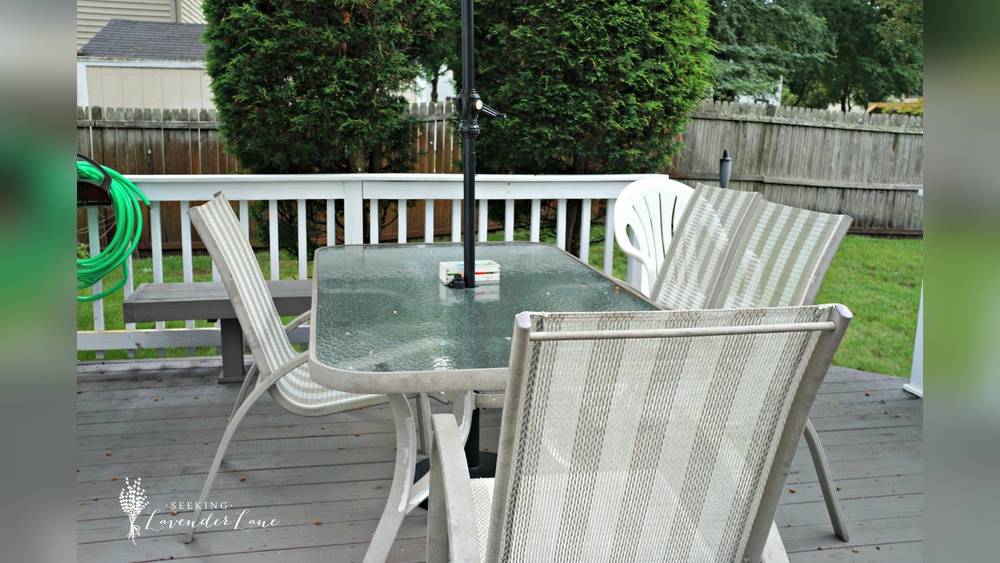
Is your outdoor furniture looking tired and worn out? You don’t need to spend a fortune on new pieces to make your patio shine again.
With a few simple updates, your old furniture can look fresh, inviting, and ready for countless gatherings. Imagine turning your outdoor space into a cozy retreat without breaking the bank or spending hours searching for replacements. Ready to discover easy, effective ways to breathe new life into your worn-out furniture?
Keep reading, and you’ll learn how to transform your outdoor area step by step.
Assess The Condition
Before updating old outdoor furniture, start by assessing its condition. This step helps decide what repairs or improvements are needed. A careful check saves time and money. It also ensures the furniture lasts longer after the update.
Check For Damage
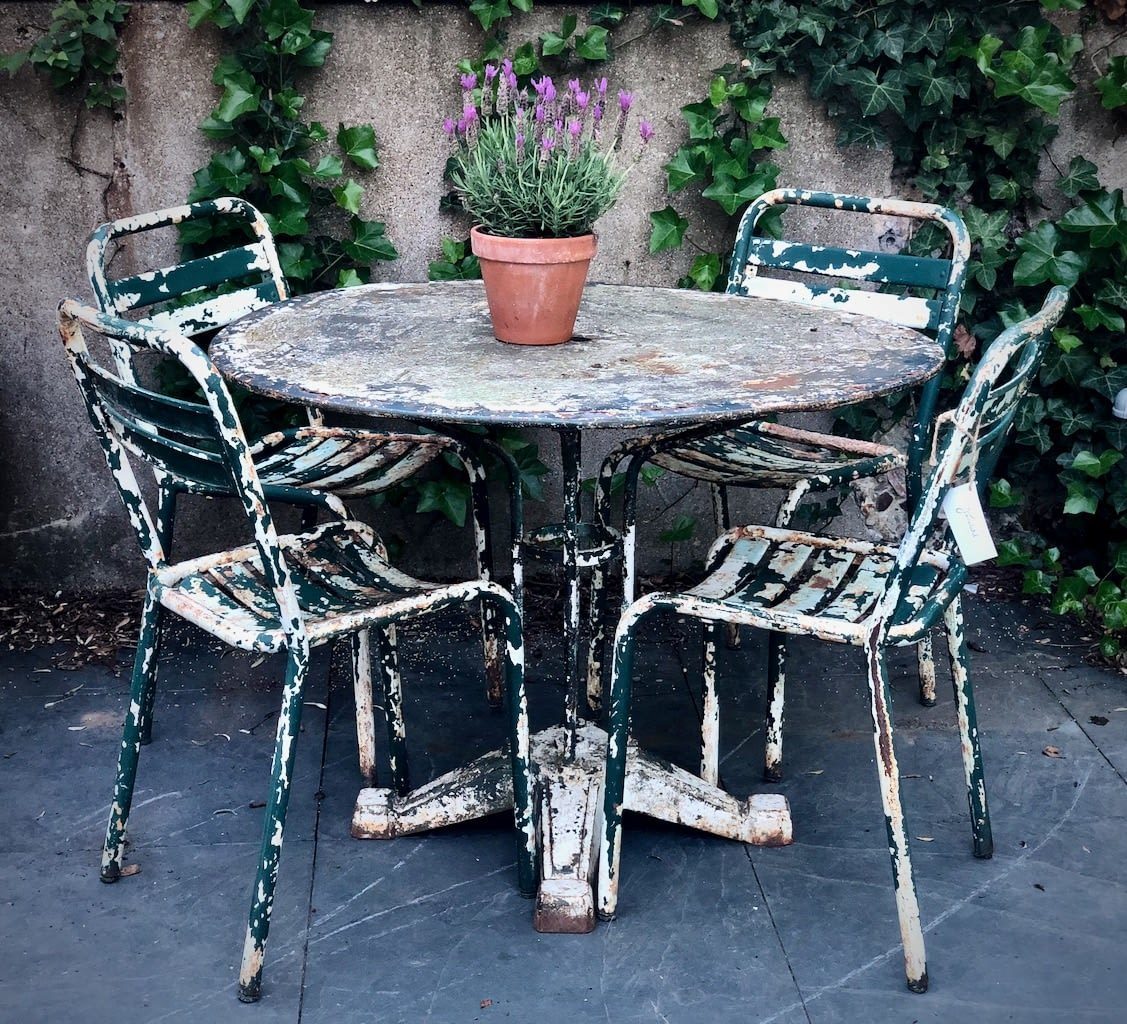
Look closely at each piece for cracks, rust, or loose parts. Check joints and screws to see if they are tight. Notice any broken or missing pieces that need fixing or replacing. Surfaces with deep scratches or stains might need sanding or repainting. Catching damage early helps in planning the repair work.
Identify Material Types
Know what materials your furniture is made of. Wood, metal, plastic, or wicker all need different care. Wood might require sanding and sealing. Metal could need rust removal and protective paint. Plastic furniture is easier to clean but may fade over time. Understanding materials guides the best update methods.

Credit: www.amazon.com
Clean Thoroughly
Cleaning old outdoor furniture is the first step to make it look fresh again. Dirt and dust build up over time. This layer hides the true condition of your furniture. A deep clean reveals any damage and prepares the surface for further work. Taking time to clean well can save effort later. It also protects the furniture material from harm.
Remove Dirt And Grime
Start by brushing off loose dirt with a soft broom or brush. Use a vacuum cleaner for fabric cushions to remove dust. For tougher grime, use a garden hose to rinse the furniture. Avoid high pressure that can damage surfaces. Scrub stubborn spots with a sponge or cloth dipped in warm water. Rinse thoroughly to clear all dirt and soap.
Use Appropriate Cleaners
Select cleaners based on the furniture material. Mild soap works well for plastic and metal. Wood furniture needs a special wood cleaner or a mix of vinegar and water. Avoid harsh chemicals that can strip paint or finish. Test any cleaner on a small hidden area first. This step ensures no damage or discoloration occurs.
Repair And Restore
Repair and restore are key steps to update old outdoor furniture. Fixing broken parts and making the structure strong again brings life back to your pieces. These tasks help your furniture last longer and look better without buying new items.
Fix Structural Issues
Check all joints and connections carefully. Tighten loose screws and bolts to make the frame steady. Use wood glue for small cracks or splits in wooden furniture. Replace rusted nails or screws with new ones to avoid weak spots. For metal frames, remove rust with sandpaper and apply rust-proof paint. A stable structure prevents accidents and improves comfort.
Replace Missing Parts
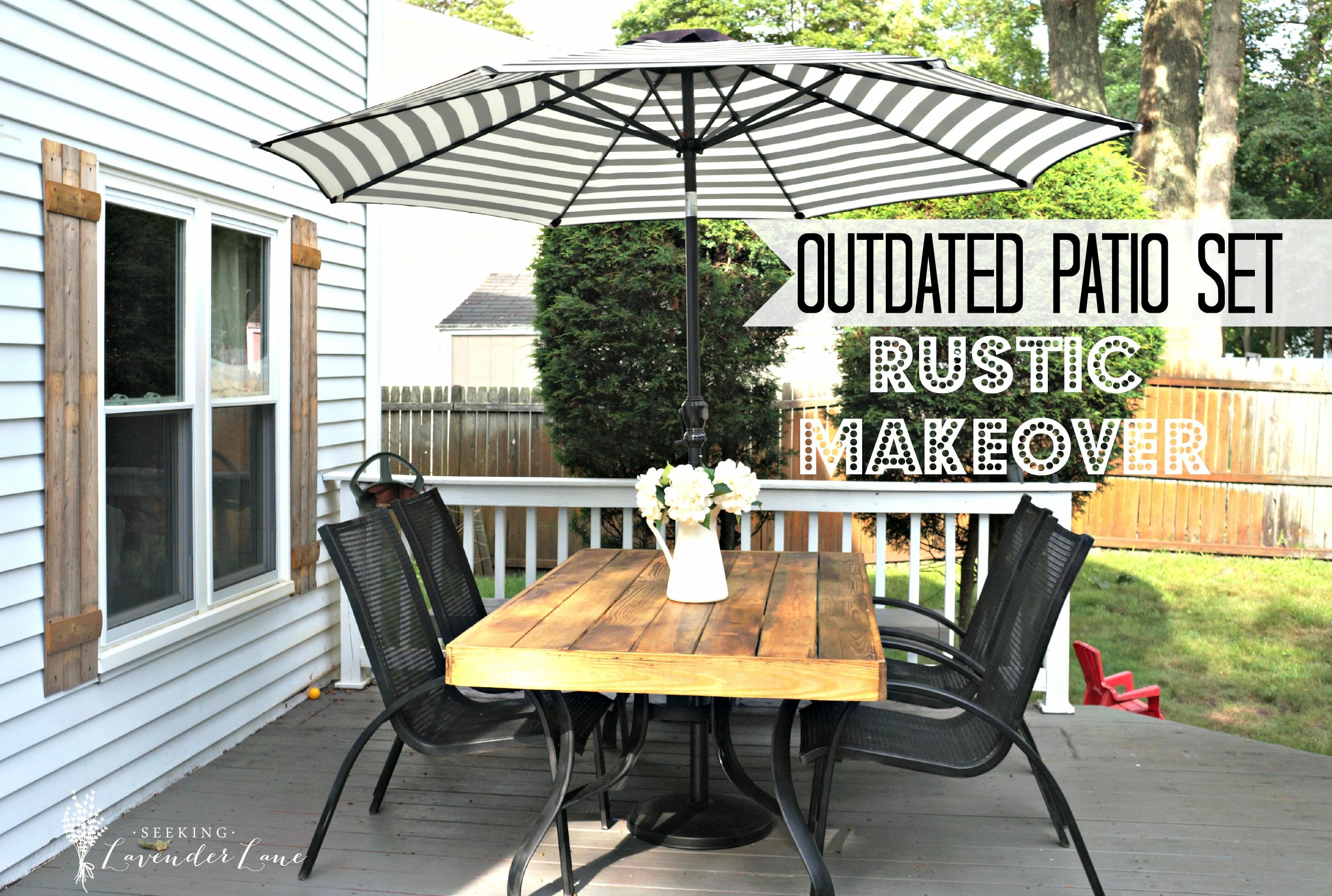
Look for any missing slats, cushions, or hardware. Buy new parts that match the style and size of your furniture. For wooden pieces, cut new slats or boards if needed. Replace broken or worn-out cushions with fresh, weather-resistant fabric. Small parts like knobs or handles can be found at hardware stores. Replacing missing parts completes the look and function of your furniture.
Credit: seekinglavenderlane.com
Refinish Surfaces
Refinishing outdoor furniture brings new life to old pieces. It protects them from weather damage and enhances appearance. The process starts by preparing the surfaces well. Proper refinishing creates a smooth, even base for paint or stain. It also helps the finish last longer. Follow these steps to refinish your outdoor furniture effectively.
Sanding Techniques
Begin by sanding the furniture to remove old paint or rough spots. Use medium-grit sandpaper to smooth the surface. Sand in the direction of the wood grain. This prevents scratches and keeps the wood healthy. For corners and tight areas, use a sanding sponge or small block. After sanding, wipe the dust off with a damp cloth. This cleans the surface for the next step.
Choosing Paint Or Stain
Pick paint or stain based on the look you want. Paint covers the wood fully and hides imperfections. Stain soaks into the wood and shows its natural texture. Choose outdoor-specific paint or stain for better durability. Water-resistant options help protect against rain and sun damage. Match the color to your outdoor space style. Lighter colors reflect heat and can last longer.
Applying Protective Coatings
After paint or stain dries, apply a protective coating. Use clear sealers designed for outdoor use. This layer shields the furniture from moisture and UV rays. Apply thin, even coats with a brush or sprayer. Let each coat dry fully before adding the next. Protective coatings extend the furniture’s life and keep it looking fresh. Regular reapplication keeps the protection strong over time.
Update Cushions And Fabrics
Updating cushions and fabrics is an easy way to refresh old outdoor furniture. New cushions bring comfort and style. Fabrics protect your seating from weather and dirt. This update brightens your outdoor space without much work.
Selecting Weatherproof Materials
Choose fabrics made to resist rain and sun. Look for water-resistant or waterproof materials. These fabrics dry quickly and stay clean longer. Colors should not fade under sunlight. Materials like acrylic and polyester work well outside.
Pick cushions with quick-dry foam inside. This type of foam does not trap water. It keeps cushions fresh and light. Weatherproof materials extend the life of your furniture.
Diy Cushion Covers
Making your own cushion covers saves money and adds style. Buy durable fabric from craft stores. Measure your cushions carefully before cutting fabric. Use a sewing machine or hand stitch strong seams.
Add zippers or Velcro for easy removal and cleaning. Choose fabric patterns that match your outdoor theme. DIY covers let you change looks each season. This simple project gives old cushions new life.
Add Decorative Touches
Adding decorative touches can bring new life to old outdoor furniture. Small changes make a big difference. These touches create a cozy and inviting space outside. You do not need to spend much. Simple ideas can refresh your outdoor area quickly.
Incorporate Outdoor Rugs
Outdoor rugs add color and comfort to your patio. They define the seating area and protect your feet. Choose rugs made from weather-resistant materials. Bright patterns can make the space feel lively. Place a rug under the furniture to tie everything together.
Use Throw Pillows And Accessories
Throw pillows bring softness and style to old chairs and benches. Pick pillows with vibrant colors or simple patterns. Accessories like lanterns and small plants add charm. These items make the space feel personal and warm. Change them seasonally to keep your outdoor area fresh.
Maintain For Longevity
Maintaining old outdoor furniture helps it last longer and stay attractive. Proper care keeps the materials strong and prevents damage from weather. Simple steps can protect your furniture and save you money over time.
Regular Cleaning Tips
Clean your outdoor furniture often to remove dirt and dust. Use a soft brush or cloth with mild soap and water. Avoid harsh chemicals that can harm the finish or fabric. Rinse well with clean water. Dry the furniture completely to stop mold and mildew growth. Check for rust or loose parts during cleaning. Fix small problems early to prevent bigger damage.
Seasonal Care Advice
Prepare furniture for each season to avoid wear and tear. In winter, cover or store pieces indoors to protect from snow and ice. Use waterproof covers for rain and humidity. In summer, place furniture in shaded areas to reduce sun damage. Reapply protective coatings like paint or sealant before each season. Inspect cushions and fabrics for fading or tears and replace if needed.
Credit: www.vinterior.co
Frequently Asked Questions
How Do I Clean Old Outdoor Furniture Effectively?
To clean old outdoor furniture, use mild soap and warm water. Scrub gently with a soft brush. Rinse thoroughly and let it dry completely. This removes dirt and prepares the surface for restoration or painting.
What Is The Best Paint For Outdoor Furniture?
Use weather-resistant paint like exterior acrylic or enamel. These paints protect against moisture, UV rays, and temperature changes. Always apply a primer first for better adhesion and durability.
How Can I Repair Damaged Wood Furniture Outdoors?
Fill cracks with wood filler and sand smooth. Replace broken parts if needed. Seal the wood with a waterproof finish to protect from further damage.
Should I Use Sealant On Outdoor Furniture?
Yes, applying a sealant protects furniture from moisture and sun damage. It extends the furniture’s life and maintains its appearance. Reapply sealant every year or as needed.
Conclusion
Updating old outdoor furniture brings new life to your space. Small changes can make a big difference. Clean, paint, or add cushions for comfort and style. These steps save money and reduce waste. Enjoy your refreshed furniture all season long.
Keep it simple and have fun with the process. Your outdoor area will look fresh and inviting again. Try these ideas to create a cozy spot outside.