Are you wondering how to protect and beautify your outdoor wood furniture? Choosing the right stain can make all the difference.
The right stain not only enhances the natural beauty of your wood but also shields it from sun, rain, and wear. But with so many options out there, how do you know which stain will keep your furniture looking great year after year?
You’ll discover the best stains for outdoor wood, what makes them effective, and how to pick the perfect one for your furniture. Keep reading, and you’ll have all the answers you need to make your outdoor space shine.
Credit: www.furnitureclinic.co.uk
Types Of Wood Stains
Choosing the right stain protects outdoor wood and shows its beauty. Different types of stains work best for various wood and weather conditions. Understanding these types helps you pick the perfect stain for your furniture.
Each stain type has unique features. Some soak into the wood, while others sit on the surface. Knowing how each stain works makes your wood last longer and look better.
Oil-based Stains
Oil-based stains soak deeply into wood fibers. They bring out natural wood colors and grain. These stains resist water well, making them good for outdoor use. Drying time is longer but allows better penetration. Clean tools with mineral spirits after use.
Water-based Stains
Water-based stains dry quickly and have low odor. They are easy to clean with soap and water. These stains offer bright colors and resist fading. They do not penetrate as deeply as oil stains. Water-based stains are eco-friendly and less harmful.
Gel Stains
Gel stains have thick, jelly-like texture. They sit on the surface, providing even color on rough or vertical wood. Gel stains are good for old or weathered wood. They reduce drips and runs during application. Clean up with mineral spirits or water, depending on type.
Solid Vs. Semi-transparent Stains
Solid stains cover wood completely, hiding grain and flaws. They offer strong protection against sun and moisture. Semi-transparent stains show wood grain and add some color. These stains balance beauty and protection. Choose solid for old wood and semi-transparent for new wood.
Factors To Consider
Choosing the right stain for outdoor wood furniture depends on several important factors. Each factor affects how well the stain protects and beautifies the wood. Understanding these details helps you pick the best product for your furniture’s needs.
Wood Type And Grain
Different woods absorb stain differently. Softwoods like pine soak in more stain than hardwoods like teak. The wood grain also plays a role. Tight grain woods need less stain, while open grain woods absorb more. Knowing your wood type helps choose the right stain formula.
Climate And Weather Exposure
Outdoor furniture faces sun, rain, wind, and snow. Some stains handle moisture better. Others resist UV rays to prevent fading. Consider your local weather. High humidity or strong sun needs a more durable stain. This keeps wood safe and looking good longer.
Desired Finish And Color
Stains come in many colors and finishes. Transparent stains show natural wood grain. Semi-transparent stains add color but keep wood texture visible. Solid stains cover the wood for a paint-like finish. Decide if you want natural look or bold color. This affects stain choice.
Durability And Maintenance
Some stains last longer and need less upkeep. Oil-based stains often protect well but may require reapplication. Water-based stains dry fast and clean easily but may wear quicker. Choose a stain that fits your time for maintenance and how long you want protection.
Best Stains For Popular Woods
Choosing the right stain for outdoor wood furniture protects the wood and enhances its beauty. Different woods need different types of stains to stay strong and look good. This guide covers the best stains for popular woods.
Teak And Hardwood Stains
Teak and other hardwoods have tight grains and natural oils. Use oil-based stains to keep these woods from drying out. These stains soak deep and protect against water damage and sun. Clear or slightly tinted oil stains work well to keep the wood’s natural color.
Softwood Stains
Softwoods like pine and fir have open grains and absorb stains quickly. Use a penetrating stain that seals and protects the wood. Choose a stain with UV blockers to prevent fading in sunlight. Semi-transparent stains add color but still show the wood grain.
Cedar And Redwood Stains
Cedar and redwood resist decay naturally. Use a stain that enhances their warm tones. Water-based stains are good because they dry fast and do not peel. A semi-transparent or transparent stain keeps the wood’s natural look and protects from weather.
Application Tips
Applying stain to outdoor wood furniture needs care and patience. Proper application helps protect the wood and keeps it looking good for years. Follow these simple tips for the best results.
Surface Preparation
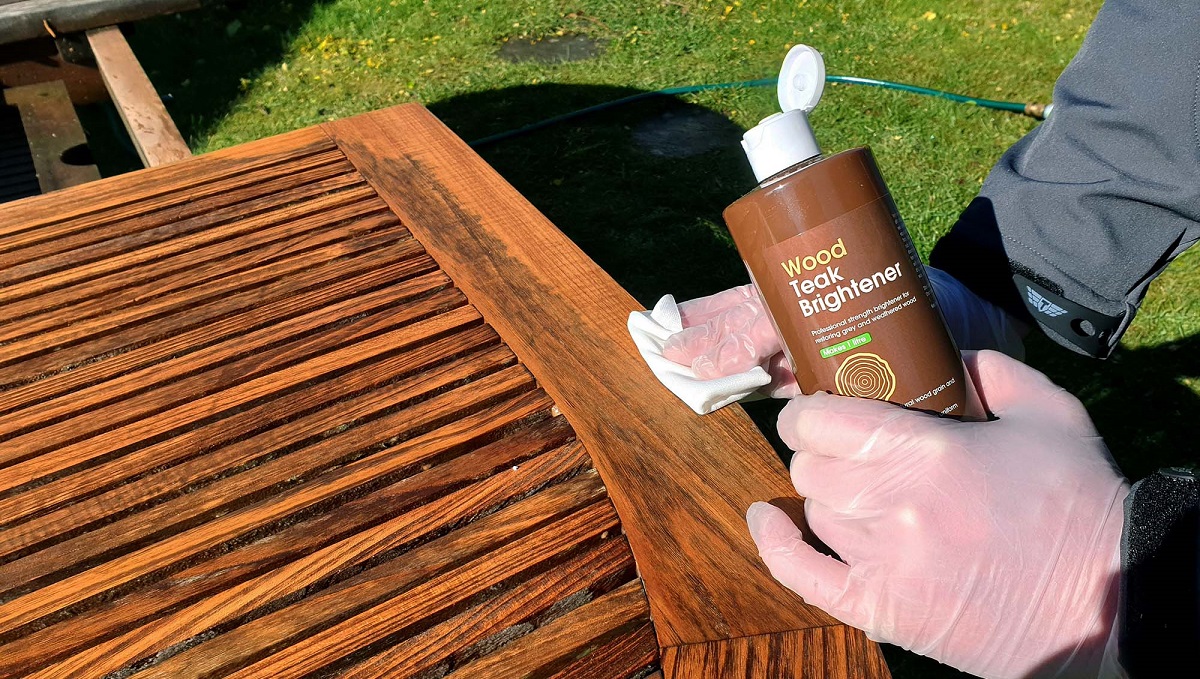
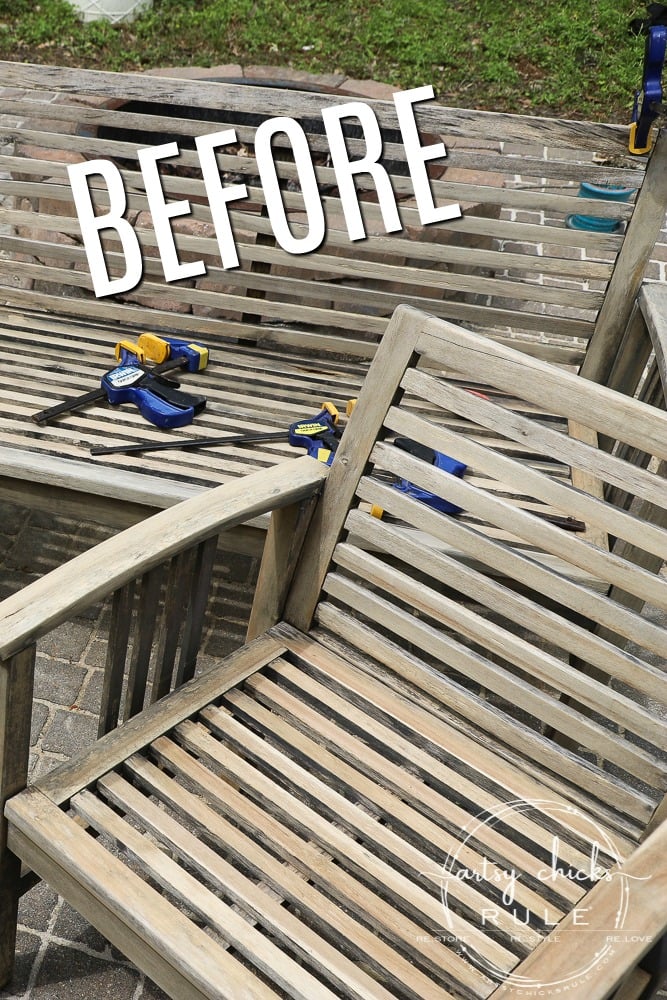
Clean the wood surface thoroughly. Remove dirt, dust, and old finishes. Sand rough spots with fine-grit sandpaper. This helps the stain soak evenly. Wipe the surface with a damp cloth to remove sanding dust. Let the wood dry completely before staining.
Tools And Techniques
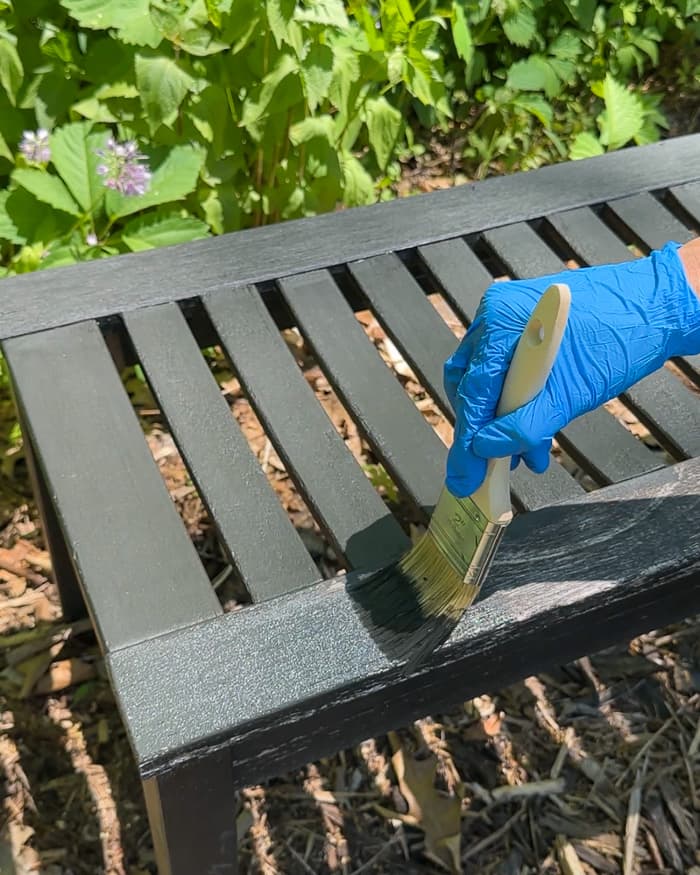
Use a natural-bristle brush or a clean cloth for applying stain. Work with the grain of the wood. Apply a thin, even coat to avoid drips and blotches. For large pieces, work in small sections. This ensures a smooth finish and better absorption.
Drying And Curing Times
Allow the stain to dry in a well-ventilated area. Drying times vary by product and weather, but usually take 24 hours. Avoid touching or placing objects on the furniture during this time. Full curing can take up to a week. This strengthens the wood’s protection.
Reapplication Frequency
Check the furniture every year for wear. Reapply stain as needed to keep the wood protected. Some areas may need more frequent touch-ups. Regular maintenance prevents damage from sun and moisture. Keep your outdoor furniture looking fresh and strong.
Common Mistakes To Avoid
Choosing the right stain for outdoor wood furniture matters. Avoiding common mistakes ensures a long-lasting finish. Many people ruin their wood by skipping key steps. Knowing what to avoid helps protect your investment and keeps furniture looking great.
Applying On Wet Wood
Never apply stain on wet wood. Moisture prevents the stain from soaking in properly. This leads to uneven color and peeling. Always let the wood dry completely before staining. Check the weather and avoid staining before rain.
Skipping Sanding
Sanding smooths the wood surface. It removes old finishes and opens the grain. Without sanding, stain won’t absorb evenly. This causes blotches and rough patches. Use fine-grit sandpaper for best results. Clean off dust before staining.
Using Incompatible Stains
Not all stains work with every wood type. Some stains are for softwoods, others for hardwoods. Oil-based stains won’t stick well on water-based finishes. Choose a stain that matches your wood and previous coatings. Test a small area first to check compatibility.
Ignoring Manufacturer Instructions
Each stain brand has specific rules. Ignoring these can cause poor results. Follow drying times, number of coats, and application methods. This ensures the stain lasts longer and looks better. Read the label carefully before starting.
Eco-friendly Stain Options
Choosing the right stain for outdoor wood furniture is important for both the wood and the environment. Eco-friendly stains protect your furniture without harming nature. These stains reduce pollution and keep your outdoor space safe.
Low-voc Stains
Low-VOC stains release fewer harmful chemicals into the air. They improve air quality around your home. These stains have less strong odors and dry quickly. Using low-VOC stains helps protect your health and the planet.
Natural And Non-toxic Ingredients
Stains made from natural ingredients are safer for people and pets. They avoid harsh chemicals like solvents and heavy metals. Oils from plants, beeswax, and natural pigments create beautiful finishes. These stains keep wood looking good and safe to touch.
Biodegradable Choices
Biodegradable stains break down naturally over time. They do not leave harmful residues in soil or water. This type of stain supports a clean environment. Choosing biodegradable stains means less impact on nature after use.
Maintaining Outdoor Wood Furniture
Maintaining outdoor wood furniture helps keep it beautiful and strong. Wood faces sun, rain, and dirt every day. Taking care of it makes the wood last longer. Simple habits protect your investment and save money. Here are easy ways to keep your wood furniture in top shape.
Cleaning Techniques
Clean wood furniture regularly to remove dirt and dust. Use a soft brush or cloth to wipe the surface. Mild soap with water works well for tough spots. Avoid harsh chemicals that can damage the wood. Rinse with clean water and dry with a soft towel. Cleaning prevents stains and mold growth.
Protective Treatments
Apply wood stain or sealant to protect the surface. These treatments block moisture and UV rays. Choose a product made for outdoor use. Follow the instructions for the best results. Reapply every one to two years. Protective coatings keep wood looking fresh and strong.
Seasonal Care
Check furniture before each season changes. Tighten screws and fix any loose parts. Cover or store furniture during harsh weather. Use waterproof covers to keep rain off. In winter, store inside if possible. Seasonal care prevents damage and extends furniture life.
Credit: www.artsychicksrule.com
Credit: averageinspired.com
Frequently Asked Questions
What Type Of Stain Is Best For Outdoor Wood Furniture?
Oil-based stains are ideal for outdoor wood furniture. They penetrate deeply, providing excellent protection against moisture and UV damage. These stains enhance wood grain and last longer than water-based stains, making them perfect for outdoor use.
How Long Does Outdoor Wood Stain Last?
Outdoor wood stain typically lasts 2 to 5 years. The lifespan depends on the stain type, weather conditions, and maintenance. Regular cleaning and reapplication extend the wood’s protection and appearance.
Should I Use A Clear Or Tinted Stain Outdoors?
Tinted stains offer better UV protection and hide imperfections. Clear stains enhance natural wood color but provide less protection. Choose tinted stains for durability and clear stains for a natural look.
Can I Apply Outdoor Wood Stain Over Paint?
It’s not recommended to apply stain over paint. Paint blocks stain absorption and causes peeling. Remove paint or strip the wood before staining for best results.
Conclusion
Choosing the right stain keeps outdoor wood furniture strong and beautiful. Oil-based stains protect better against rain and sun. Water-based stains dry fast and offer easy cleanup. Always pick a stain that suits your climate and wood type. Regular maintenance helps your furniture last longer.
This small effort saves money on repairs or replacements. Enjoy your outdoor space with furniture that looks great year-round.