Your outdoor furniture cushions can quickly become a breeding ground for mildew, especially after rain or in humid weather. If you’ve noticed those stubborn spots or a musty smell, you’re not alone—and you don’t have to replace your cushions just yet.
Imagine relaxing on fresh, clean cushions that look and feel like new. You’ll discover simple, effective steps to remove mildew safely and restore your outdoor space. Keep reading, and you’ll learn how to protect your cushions so mildew won’t come back anytime soon.
Causes Of Mildew On Cushions
Mildew on outdoor furniture cushions is a common problem. Understanding the causes helps prevent it. Mildew thrives in certain conditions that often occur outdoors. Knowing what causes mildew helps keep cushions clean and fresh.
Moisture And Humidity
Moisture is the main cause of mildew. Rain, dew, or spills keep cushions damp. Humidity in the air adds to the problem. Damp cushions create a perfect place for mildew to grow. Dry cushions reduce the chance of mildew forming.
Poor Ventilation
Poor air circulation worsens mildew growth. Cushions stored in tight spaces stay wet longer. Without airflow, moisture cannot evaporate. This trapped moisture encourages mildew to spread. Good ventilation helps cushions dry faster and stay clean.
Material Susceptibility
Some cushion materials attract mildew more than others. Natural fabrics like cotton hold moisture easily. Synthetic fabrics dry faster but can still get mildew. Cushions with poor water resistance are more vulnerable. Choosing mildew-resistant materials helps reduce growth.
Credit: www.furnituremaxi.com
Signs Of Mildew On Outdoor Cushions
Mildew on outdoor cushions is common in damp and shaded areas. It grows fast and harms the fabric and your health. Knowing the signs helps you act fast. Early detection stops mildew from spreading and ruining cushions. Watch for these clear signs to keep cushions clean and fresh.
Visible Spots And Stains
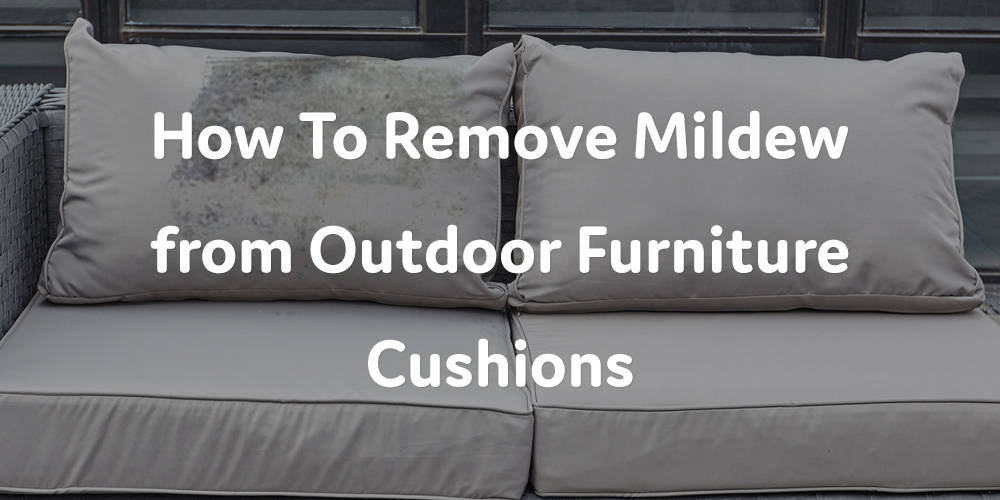
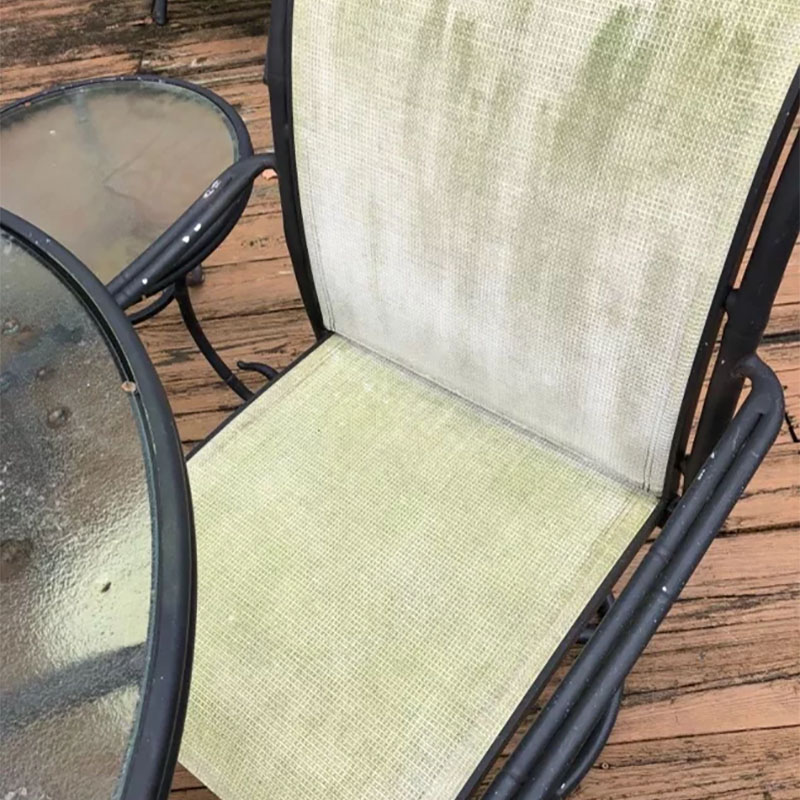
Dark or light spots show mildew growth on cushions. These spots often look fuzzy or powdery. They can be black, green, or gray. Stains may spread if not cleaned quickly. Check corners and seams where moisture stays longer.
Musty Odors
A strong, damp smell means mildew is present. This musty odor comes from mold spores. It can make outdoor spaces unpleasant. The smell often stays even after drying cushions. Fresh air alone does not remove it.
Fabric Damage
Mildew weakens cushion fabric over time. It causes fibers to break or discolor. You may see thinning or holes in the material. Damaged fabric loses comfort and looks old. Early cleaning prevents costly replacements later.
Preparing Cushions For Cleaning
Preparing outdoor furniture cushions for cleaning makes the process easier and more effective. It helps remove dirt and mildew safely without damaging the fabric. Taking time to prepare cushions ensures a better clean and extends their life.
Removing Loose Dirt
Start by brushing off loose dirt and debris from the cushions. Use a soft brush or vacuum cleaner with a brush attachment. This removes surface dust and particles that can interfere with cleaning. Do this gently to avoid pushing dirt deeper into the fabric.
Checking Care Labels
Look for care labels on the cushions before cleaning. These labels provide important instructions about washing and drying. Some fabrics may need special cleaning methods or products. Following these guidelines prevents damage and keeps cushions in good shape.
Gathering Cleaning Supplies
Collect all necessary supplies before starting to clean. Prepare mild detergent, water, soft brushes, and clean cloths. Have a bucket and spray bottle ready for easy application. Using the right tools makes the cleaning process smoother and more efficient.
Natural Cleaning Methods
Natural cleaning methods offer safe and effective ways to remove mildew from outdoor furniture cushions. These methods use simple ingredients found at home. They avoid harsh chemicals that can damage fabric or harm the environment.
Using natural solutions helps keep cushions fresh and extends their life. These easy techniques require little effort and deliver good results.
Vinegar And Water Solution
Mix equal parts white vinegar and water in a spray bottle. Spray the solution directly on the mildew spots. Let it sit for about 10 minutes to break down the mildew. Use a soft brush or cloth to scrub gently. Rinse with clean water and let the cushion dry outside.
Baking Soda Paste
Combine baking soda with a small amount of water to make a thick paste. Apply the paste on the mildew areas. Leave it for 15 minutes to absorb moisture and kill mildew. Scrub lightly with a brush and rinse well. Baking soda also helps remove odors.
Sun Drying
Place cushions in direct sunlight after cleaning. Sunlight naturally kills mildew spores and dries out dampness. Rotate cushions to expose all sides evenly. Avoid moisture buildup by drying cushions completely before storing them.
Commercial Cleaning Products
Commercial cleaning products offer a fast and effective way to remove mildew from outdoor furniture cushions. These products are made to fight mold and mildew, keeping your cushions fresh and clean. Using the right product can save time and effort while protecting your fabric.
Mildew Removers
Mildew removers are specially designed to break down mildew stains. They often contain ingredients that kill mold spores quickly. Spray the remover on the affected area and let it sit for a few minutes. Then, scrub gently and rinse with water. These removers help stop mildew from coming back soon.
Outdoor Fabric Cleaners
Outdoor fabric cleaners clean dirt and mildew without harming cushion material. These products are safe for fabrics exposed to sun and rain. Use a soft brush to apply the cleaner on cushions. Rinse well after scrubbing. Outdoor fabric cleaners keep cushions looking new and fresh.
Disinfectants
Disinfectants kill bacteria and mold on cushions. They help prevent mildew growth over time. Spray disinfectant on cushions after cleaning with a remover or fabric cleaner. Let cushions dry completely in the sun. Disinfectants add an extra layer of protection for your outdoor furniture.
Credit: www.furnituremaxi.com
Step-by-step Cleaning Process
Cleaning mildew from outdoor furniture cushions needs care and the right steps. Follow this clear process to remove mildew safely and quickly. This method helps keep cushions fresh and extends their life.
Spot Treating Mildew Areas
First, find all mildew spots on the cushions. Use a soft brush to remove loose mildew. Mix a solution of water and mild detergent. Apply the solution to mildew spots using a cloth. Let it sit for 10 minutes to break down mildew. Gently scrub the spots again with the brush. Wipe the area with a clean damp cloth.
Washing The Cushions
Remove cushion covers if possible. Check care labels for washing instructions. Use cold water and a mild detergent in a washing machine. Choose a gentle cycle to protect fabric. For cushions without removable covers, wash by hand. Use a soft brush and mild soap to clean all surfaces. Rinse thoroughly to remove soap and mildew residues.
Drying Techniques
Dry cushions in the sun to kill leftover mildew spores. Lay them flat on a clean surface for even drying. Flip cushions regularly to dry both sides. Avoid using a dryer as it may damage fabric. Ensure cushions are completely dry before use or storage. Dry cushions prevent mildew from returning quickly.
Preventing Mildew Growth
Mildew grows quickly on outdoor furniture cushions when damp and warm. Preventing mildew saves time and keeps cushions fresh longer. Simple steps help stop mildew before it starts. Focus on keeping cushions dry and clean.
Proper Storage Tips
Store cushions in a dry place after use. Avoid leaving them on wet grass or damp surfaces. Use a storage bin or closet to keep cushions safe. This stops moisture from settling and causing mildew. Keep cushions away from direct sunlight to avoid fading.
Using Waterproof Covers
Cover cushions with waterproof covers during rain or snow. These covers block water and stop dampness inside. Choose covers that fit well and have ventilation. Ventilation helps air flow and prevents trapped moisture. Remove covers on sunny days to air out cushions.
Regular Maintenance
Clean cushions regularly to remove dirt and spores. Brush off loose dirt before storing cushions. Wash cushions with mild soap and water every few weeks. Let cushions dry completely before storing them. Check cushions often for early signs of mildew. Early cleaning keeps cushions fresh and mold-free.
Credit: www.nationaloutdoorfurniture.com
Frequently Asked Questions
How Do I Remove Mildew From Outdoor Cushions?
To remove mildew, first brush off loose spores. Then, clean cushions with a mixture of water and mild detergent. Use a soft brush to scrub gently. Rinse thoroughly and let cushions dry completely in the sun to prevent mildew regrowth.
What Household Products Kill Mildew On Cushions?
White vinegar and baking soda are effective household products. Vinegar kills mildew spores, while baking soda deodorizes and removes stains. Mix vinegar with water or sprinkle baking soda on cushions. Scrub gently, then rinse and dry cushions in sunlight for best results.
Can I Machine Wash Outdoor Furniture Cushions?
Many outdoor cushions are machine washable, but check care labels first. Use mild detergent and cold water on a gentle cycle. Avoid bleach, which can damage fabric. Air dry cushions thoroughly to prevent mildew growth. Spot clean if washing isn’t recommended.
How Often Should I Clean Mildew From Cushions?
Clean mildew as soon as you notice it. Regular cleaning every few months helps prevent buildup. After rain or humidity, inspect cushions and dry them quickly. Frequent cleaning maintains cushion appearance and extends their lifespan.
Conclusion
Cleaning mildew off outdoor furniture cushions protects them and keeps your space fresh. Regular cleaning prevents stains and bad smells. Use gentle cleaners and dry cushions well to avoid mildew return. Taking care of cushions helps them last longer and look nice.
Simple steps make a big difference in maintaining outdoor comfort. Keep your cushions clean, and enjoy your outdoor furniture every season. Small efforts bring a cleaner, healthier outdoor area.