Are you wondering if you can leave your outdoor furniture outside during the cold winter months? It’s a question many homeowners face as the seasons change.
Leaving your furniture out might seem like the easiest option, but could it be harming your investment? Understanding what winter weather can do to your patio set will help you make the best choice for protecting your furniture—and your wallet.
Keep reading to discover simple tips that can save your outdoor pieces from damage and keep them looking great year after year.
Effects Of Winter On Outdoor Furniture
Winter weather can be hard on outdoor furniture. Cold, snow, and moisture create tough conditions. These elements can cause different types of damage. Understanding these effects helps keep furniture in good shape.
Impact Of Cold Temperatures
Cold temperatures make materials brittle and weak. Wood can crack or split from freezing. Metal parts may contract and become fragile. Plastic can lose flexibility and break easily. Constant cold weakens the structure over time.
Damage From Snow And Ice
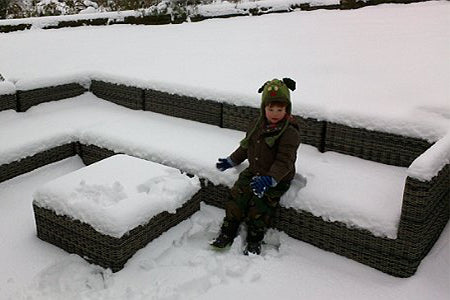
Snow and ice add extra weight to furniture. This pressure can cause bending or warping. Ice buildup may lead to surface cracks. Melting snow creates water pools that harm materials. Frozen water expands and damages joints and seams.
Risks Of Moisture And Humidity
Moisture causes rust on metal surfaces. Wood absorbs water, leading to swelling and rot. High humidity promotes mold and mildew growth. These problems degrade the look and strength of furniture. Dry, well-ventilated storage reduces moisture damage.
Credit: rattanyard.com
Material-specific Winter Care
Outdoor furniture needs special care in winter. Different materials react differently to cold, snow, and moisture. Understanding how to protect each type helps extend the life of your furniture. This guide explains simple steps for wooden, metal, plastic, and wicker pieces.
Wood Furniture Tips
Wood can crack or warp in cold weather. Clean your wood furniture before winter arrives. Use a gentle soap and water solution. Let it dry completely. Apply a protective sealant or wood oil to keep moisture out. Cover the furniture with breathable fabric to stop mold and mildew. Store cushions indoors to avoid damage.
Metal Furniture Tips
Metal furniture may rust from snow and rain. Remove dirt and dust with a soft brush or cloth. Dry the surface thoroughly. Use a rust-resistant spray or paint to protect the metal. Cover the furniture with a waterproof cover. Place furniture on a raised surface to avoid water pooling underneath.
Plastic And Resin Furniture Tips
Plastic and resin resist moisture but can fade or crack in cold. Clean pieces with mild soap and water. Avoid harsh chemicals that cause damage. Store plastic furniture in a shed or garage if possible. If left outside, cover with a UV-resistant tarp. Bring cushions indoors to keep them dry.
Wicker And Rattan Furniture Tips
Wicker and rattan need gentle care in winter. Dust off dirt using a soft brush. Use a damp cloth to wipe the surface. Avoid soaking the furniture to prevent damage. Store indoors or in a dry place. Cover with breathable fabric if left outside. Keep cushions inside to maintain shape and comfort.
Preparing Furniture For Winter
Preparing outdoor furniture for winter protects it from harsh weather. Cold, snow, and rain can damage materials and shorten furniture life. Taking steps to prepare your furniture helps keep it strong and looking good. A little care now saves money later.
Cleaning And Maintenance
Start by cleaning your furniture thoroughly. Remove dirt, dust, and debris with a soft brush or cloth. Use mild soap and water for stubborn spots. Avoid harsh chemicals that can damage surfaces. Dry all pieces completely to stop mold and rust. Check for loose screws or broken parts and fix them. This simple maintenance prevents bigger problems during winter.
Protective Covers And Storage Options
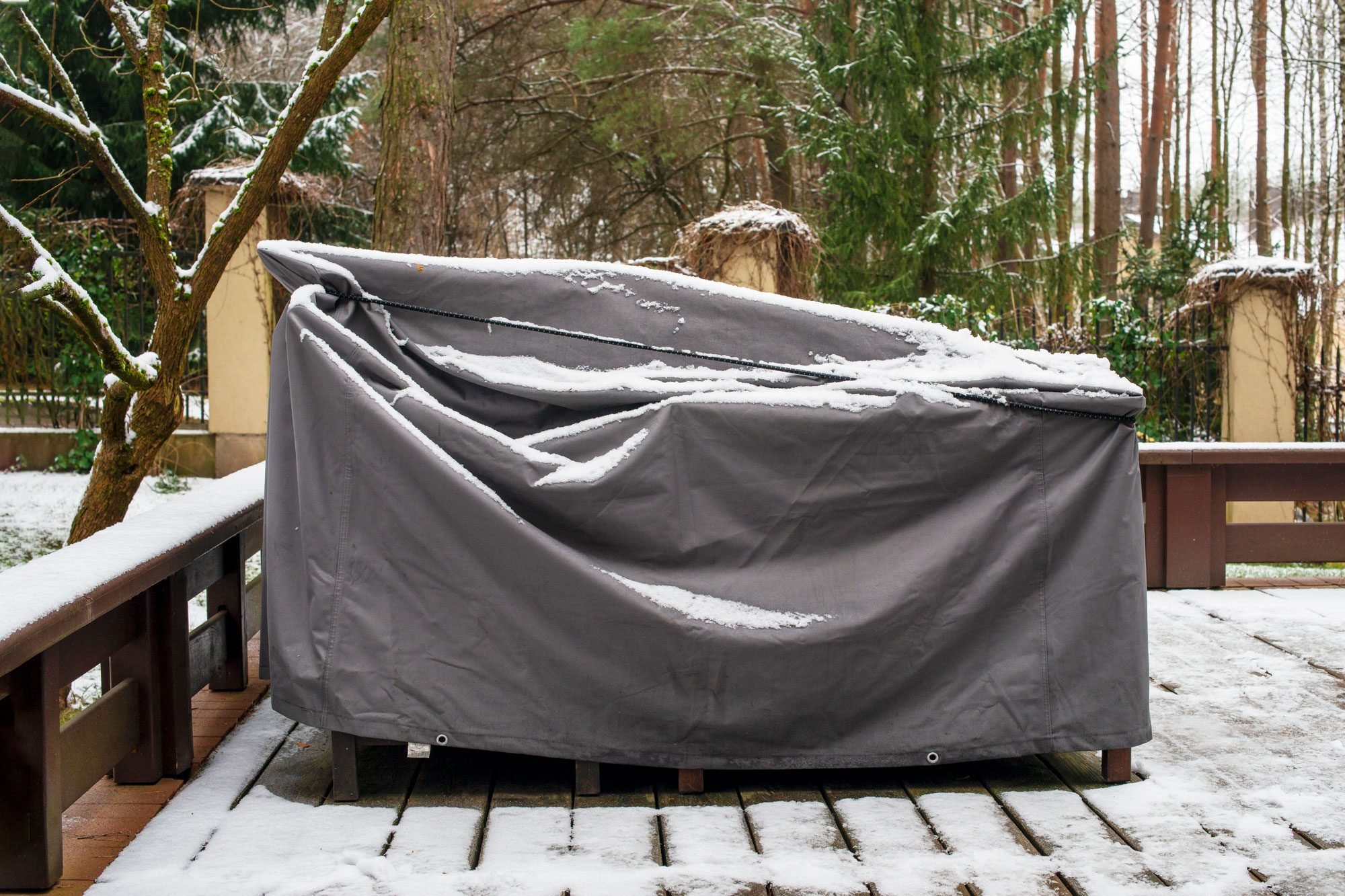
Cover furniture with waterproof and breathable covers. These protect against rain, snow, and ice. Choose covers that fit well to avoid wind damage. For best results, store furniture in a dry place like a garage or shed. If indoor storage is not possible, elevate furniture off the ground. This prevents water damage and keeps it dry. Proper storage extends the furniture’s life.
Applying Sealants And Treatments
Wood furniture benefits from sealants to block moisture. Apply a waterproof sealant before winter sets in. Follow product instructions carefully for best results. Metal furniture may need rust-resistant paint or coatings. These protect against corrosion caused by snow and ice. Reapply treatments every season to keep protection strong. Proper treatment preserves furniture quality through winter.

Credit: www.livingetc.com
Safe Outdoor Storage Solutions
Safe outdoor storage solutions protect your furniture during cold months. Proper care helps keep your pieces in good shape. Protecting them from snow, rain, and frost prevents damage. Using smart storage ideas saves money and effort in the long run.
Choosing The Right Location
Pick a spot shielded from wind and heavy rain. A covered porch or garage corner works well. Avoid places where water pools or snow piles up. Good airflow helps keep moisture away from furniture. A dry, shaded area reduces wear and tear.
Using Furniture Covers Effectively
Use covers made for outdoor furniture. They block moisture, dirt, and UV rays. Ensure covers fit tightly without gaps. Secure with straps or ties to stop wind from lifting them. Remove covers occasionally to air out the furniture.
Elevating Furniture Off The Ground
Keep furniture off wet or frozen ground. Use blocks, pallets, or risers to lift pieces. Elevation stops water from soaking legs and bases. It also improves air circulation underneath. This small step prevents rot and rust effectively.
When To Bring Furniture Indoors
Outdoor furniture faces many challenges during winter. Cold weather, snow, and ice can damage materials. Knowing the right time to bring furniture indoors helps protect your investment. It also keeps your furniture looking good longer.
Some furniture types need indoor storage sooner than others. Watch for signs that show your furniture needs extra care. Taking action early can save you money and effort later.
Signs Furniture Needs Indoor Storage
Look for cracks or peeling paint on wooden pieces. These signs show that cold weather harms the wood. Rust or discoloration on metal frames means moisture is causing damage. Cushions and fabrics that feel damp or have mold need to come inside. Loose joints or wobbly parts warn of weakening structure. If your furniture feels fragile or looks worn, bring it indoors.
Best Indoor Storage Practices
Clean furniture before moving it inside. Dirt and moisture cause damage over time. Dry cushions and fabrics completely. Store cushions in airtight bags to prevent mold. Place furniture in a dry, well-ventilated room. Avoid damp basements or garages. Use furniture covers or blankets to protect surfaces. Keep items off the floor to avoid moisture. Check furniture occasionally for signs of damage or pests.
Common Winter Furniture Mistakes
Winter is tough on outdoor furniture. Many people make mistakes that damage their pieces during cold months. Understanding these common errors helps protect furniture and extend its life. Avoiding these pitfalls means your furniture looks good when spring returns.
Ignoring Regular Maintenance
Skipping regular cleaning and checks harms outdoor furniture. Dirt and moisture build up, causing rust and mold. Small cracks grow larger without repair. Clean furniture before winter and fix small problems fast. This keeps pieces strong and ready for cold weather.
Using Improper Covers
Not all covers work well in winter. Cheap or wrong covers trap moisture, causing damage. Covers should be waterproof but breathable. This stops water from pooling and allows air flow. Use covers made for outdoor furniture and fit them tightly.
Leaving Cushions Exposed
Cushions left outside get wet and freeze. This breaks down the fabric and stuffing. Always remove cushions and store them inside. If storing inside is impossible, use special cushion bags. Dry cushions fully before putting them away to avoid mold.
Extending Furniture Lifespan Year-round
Outdoor furniture faces many challenges all year. Sun, rain, snow, and dirt can damage it. Taking simple steps helps keep your furniture strong and good-looking. Protecting your investment means enjoying it longer.
Small, regular care makes a big difference. A clear plan for cleaning, checking, and protecting your furniture helps it last through every season.
Routine Cleaning Schedules
Clean your outdoor furniture often to stop dirt build-up. Use mild soap and water for most materials. Avoid harsh chemicals that can damage finishes. Wipe dry after cleaning to prevent water spots. Regular cleaning keeps surfaces fresh and prevents mold or mildew.
Seasonal Checkups
Inspect your furniture at the start of each season. Look for cracks, rust, or loose parts. Tighten screws and fix small damages quickly. Check cushions for mold or wear. Early repairs stop small issues from becoming big problems.
Long-term Protection Strategies
Use covers to protect furniture during bad weather. Store cushions indoors or in dry places. Apply sealants or protective sprays for wood and metal. Move lightweight pieces to sheltered areas in winter. These steps shield your furniture from harsh elements and keep it strong.
Credit: www.familyhandyman.com
Frequently Asked Questions
Can Outdoor Furniture Withstand Winter Weather?
Most outdoor furniture can handle mild winter but harsh conditions may cause damage. Proper protection extends its lifespan.
Should I Cover Outdoor Furniture During Winter?
Yes, covering furniture prevents moisture, dirt, and frost damage. Use breathable, waterproof covers for best protection.
Is It Better To Store Outdoor Furniture Indoors?
Storing furniture indoors in winter is ideal to avoid weather damage. If space is limited, use protective covers.
How Do I Protect Wooden Outdoor Furniture In Winter?
Apply a waterproof sealant before winter. Cover or store furniture to prevent cracking and warping from moisture and cold.
Conclusion
Outdoor furniture can face tough winter weather damage. Covering or storing pieces protects them from snow and ice. Some materials handle cold better than others. Taking a few simple steps saves money and effort later. Protect cushions by bringing them indoors or using covers.
Regular care keeps furniture looking nice year after year. Winter doesn’t have to mean ruined outdoor sets. A little attention now means more enjoyment next season. Easy to do, worth the time. Don’t let winter wear down your outdoor space.