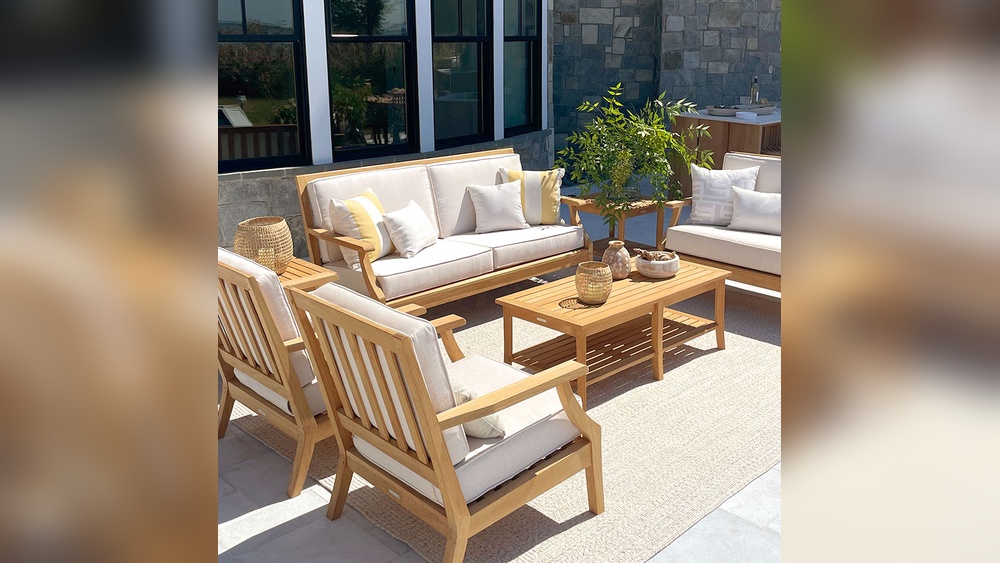
Are you wondering if you can bring your beautiful outdoor furniture inside without worrying about damage or fumes? Using pretreated water-based stained outdoor furniture indoors might seem like a quick way to refresh your space.
But is it really safe? Will it hold up well, or could it cause problems in your home? You’ll discover everything you need to know before making that move. Keep reading to find out how to protect your furniture and your living space at the same time.

Credit: www.amazon.com
Waterbased Stains For Outdoor Furniture
Waterbased stains for outdoor furniture protect wood from rain, sun, and dirt. They soak into the wood to add color and guard against damage. These stains dry fast and clean easily with soap and water. Many outdoor furniture pieces use waterbased stains for long-lasting beauty and strength.
Understanding different types and pretreatments helps choose the right stain for your furniture. This knowledge also shows how safe these stains are for indoor use after outdoor treatment.
Types Of Waterbased Stains
Waterbased stains come in various types for outdoor use. Transparent stains highlight wood grain but add little color. Semi-transparent stains add light color and show grain. Solid stains cover grain with full color, like paint. Each type suits different styles and wood conditions outdoors.
Benefits Of Waterbased Stains
Waterbased stains dry quickly and have low odor. They clean up easily with water and do not need harsh chemicals. These stains resist fading from sunlight and help wood resist moisture. They also allow wood to breathe, preventing cracks and peeling.
Common Pretreatment Methods
Pretreatment prepares wood for better stain absorption and protection. Cleaning removes dirt, mold, and old finishes. Sanding smooths the surface and opens wood pores. Some use wood brighteners to restore color before staining. Proper pretreatment helps stains last longer outdoors.

Credit: store.southernpaintandsupply.com
Suitability For Indoor Use
Using pretreated waterbased stained outdoor furniture inside needs careful thought. Outdoor finishes are designed for weather, not indoor air or surfaces. This affects how well the furniture fits indoors.
Understanding the differences and risks helps you decide if indoor use is safe and practical.
Differences Between Outdoor And Indoor Finishes
Outdoor finishes protect wood from rain, sun, and wind. They are thicker and more durable. Indoor finishes focus on smoothness and low odor. They allow wood to breathe better inside a home.
Outdoor stains may not blend well with indoor decor. Their look and texture can seem rough or dull indoors.
Potential Indoor Risks
Outdoor finishes can release chemicals and smells not meant for indoor air. These may cause discomfort or allergies. Some finishes might peel or crack faster inside due to different humidity and temperature.
Furniture treated for outdoors may not last long or look good inside. It can also damage indoor surfaces if the finish is not fully cured.
Health And Safety Considerations
Check the product label for indoor safety warnings. Some outdoor stains contain solvents harmful to breathe indoors. Use well-ventilated rooms if you bring outdoor-stained furniture inside.
Consider sealing with an indoor-safe topcoat to reduce fumes and improve safety. Always prioritize air quality and avoid materials that can harm your health.
Preparing Outdoor Furniture For Indoors
Preparing outdoor furniture for indoor use requires careful steps. Outdoor furniture faces different conditions outside. Inside, the air is drier and less harsh. This change can affect the wood or material. Proper preparation helps the furniture last longer indoors. It also keeps the look fresh and clean.
Following the right process makes the transition smooth. Each step improves the furniture’s surface. This protects it from indoor wear and tear. Here are key steps to prepare outdoor furniture for indoor use.
Cleaning And Surface Preparation
Start by cleaning the furniture thoroughly. Remove dirt, dust, and any loose paint. Use mild soap and water for cleaning. Avoid harsh chemicals that can damage the surface. After cleaning, let the furniture dry completely.
Next, sand the surface lightly to smooth rough spots. Sanding helps new coatings stick better. Wipe away sanding dust with a clean cloth. This step prepares the surface for better coating adhesion.
Additional Coating Options
Outdoor furniture often has water-based stain. It may not suit indoor use alone. Apply a clear indoor-grade finish over the stain. Polyurethane or varnish works well to protect indoors. These coatings add shine and prevent damage.
Choose a finish that matches the furniture’s look. Thin coats work best. Let each coat dry before applying the next. This layering creates a strong, protective barrier.
Drying And Curing Time
Allow enough drying time for all coatings. This avoids sticky or soft finishes later. Drying times vary by product and room conditions. Usually, wait 24 hours between coats.
Full curing can take up to a week. During curing, avoid heavy use or placing objects on furniture. Proper curing ensures durability and a smooth finish.
Maintaining Indoor Furniture With Outdoor Stains
Maintaining indoor furniture with outdoor stains requires special care. Outdoor stains protect wood from weather and moisture. Using them indoors can give furniture a strong finish. The finish resists dirt and spills well. Still, indoor conditions differ from outside. Proper upkeep keeps furniture looking great and lasting longer.
Cleaning Tips
Use a soft cloth to clean the surface. Avoid harsh chemicals that can damage the stain. Mild soap and water work best for regular cleaning. Wipe spills quickly to prevent stains. Avoid soaking the wood; excess water harms the finish. Dust furniture often to keep dirt away.
Preventing Damage
Keep furniture away from direct sunlight to avoid fading. Use coasters and placemats to protect from heat and moisture. Avoid sharp objects that may scratch the finish. Maintain stable indoor humidity to prevent wood cracking. Regularly check for chips or cracks and fix them fast.
Longevity And Durability
Outdoor stains add a tough layer to indoor furniture. This layer guards against scratches and stains. Proper cleaning and care extend the wood’s life. Reapply the stain every few years to keep protection strong. Well-maintained furniture stays beautiful and durable over time.
Expert Recommendations
Experts share useful advice about using pretreated water-based stained outdoor furniture indoors. This advice helps you make smart choices. It also protects your furniture and home environment.
Understanding the right situations and alternatives is important. Avoiding common mistakes keeps your furniture looking good and lasting longer.
When To Use Outdoor Stained Furniture Indoors
Use outdoor stained furniture indoors only if the room has good air flow. The stain might still release small odors. Choose rooms with natural light and low humidity. Avoid placing outdoor furniture near heat sources or vents. Check if the stain is safe for indoor use. Some water-based stains have low fumes and dry fast.
Alternatives To Consider
Look for furniture made specifically for indoor use. Indoor wood finishes are designed to be smooth and odorless. Consider using a clear topcoat on outdoor furniture to improve indoor safety. You can also find water-based stains made for both indoor and outdoor use. These options reduce risks and improve comfort inside your home.
Common Mistakes To Avoid
Do not assume all outdoor stains are safe indoors. Avoid placing outdoor furniture in poorly ventilated rooms. Never use outdoor furniture without checking the stain’s ingredients. Do not skip sealing the furniture if it is indoors. Avoid exposing stained furniture to direct sunlight indoors to prevent fading. These mistakes can cause damage and health issues.
Credit: www.doitbest.com
Frequently Asked Questions
Can I Use Pretreated Waterbased Stained Furniture Indoors?
Yes, you can use pretreated waterbased stained outdoor furniture indoors. It’s safe and durable for indoor use. However, ensure proper ventilation to avoid any slight odor. The stain protects against moisture, making it suitable for indoor environments too.
Does Waterbased Stain Emit Harmful Fumes Indoors?
Waterbased stains emit very low fumes compared to oil-based stains. They are generally safe for indoor use once fully dried. Always allow furniture to dry completely in a well-ventilated area before bringing it indoors to minimize any odor or fumes.
Will Outdoor Stained Furniture Damage Indoor Floors?
Outdoor stained furniture typically won’t damage indoor floors if it has proper feet or pads. Adding felt pads to furniture legs helps prevent scratches. Regular cleaning of furniture bottoms also reduces dirt transfer and floor damage risks.
How Durable Is Waterbased Stain On Indoor Furniture?
Waterbased stains are durable and resistant to moisture and UV damage. Indoors, they maintain color and finish longer due to less exposure to elements. This stain type offers easy maintenance and good protection for indoor furniture surfaces.
Conclusion
Using pretreated waterbased stained outdoor furniture indoors can work well. These finishes resist moisture and sunlight, but indoor air is different. Make sure the furniture is fully dry and free from outdoor dirt. Check for any strong smells before bringing it inside.
Regular cleaning helps keep the finish fresh. This type of furniture offers durability and style both outside and inside. Choose pieces that fit your indoor space and comfort needs. In short, with care, outdoor furniture can brighten your indoor rooms too.