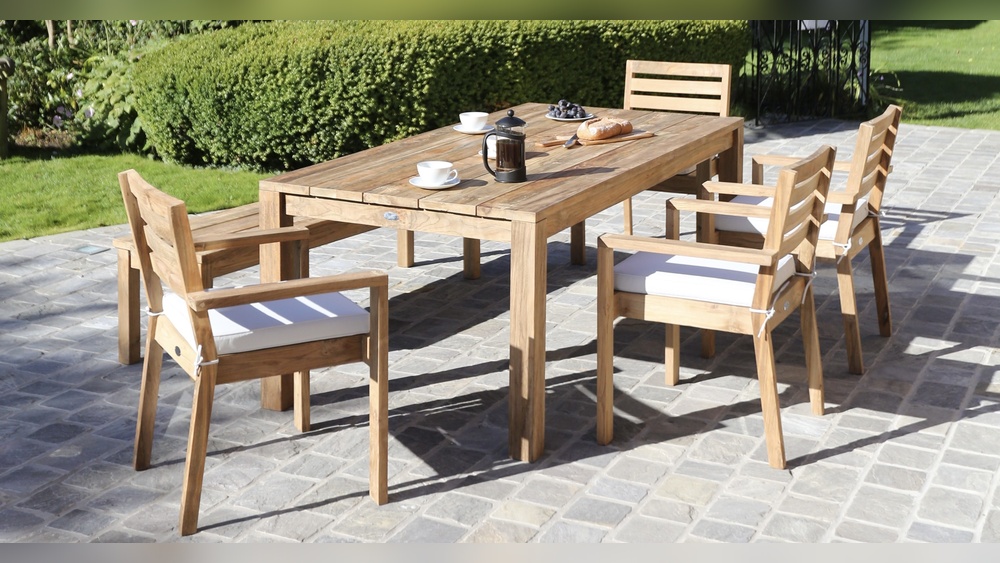
Your outdoor wooden furniture deserves the best care to stay beautiful and strong through every season. But with so many oils on the market, how do you choose the right one?
Using the wrong oil can leave your furniture dull, sticky, or even damaged. You’ll discover exactly which oils protect your wood, bring out its natural beauty, and make your outdoor space inviting all year long. Keep reading to find the simple secret that will keep your furniture looking fresh and lasting longer.
Credit: www.jarrimber.com.au
Choosing The Right Oil
Choosing the right oil for outdoor wooden furniture protects it from weather damage and keeps it looking fresh. The right oil nourishes the wood and prevents drying, cracking, and fading. Understanding different oils helps pick the best option for your furniture’s needs.
Types Of Oils For Wood
There are many oils used for wooden furniture. Common types include teak oil, linseed oil, tung oil, and Danish oil. Each oil has unique qualities that suit different wood types and outdoor conditions. Some oils soak deeply, while others create a surface layer. Knowing these differences helps choose the best protection.
Benefits Of Natural Oils
Natural oils come from plants and trees. They are safe and easy to apply. These oils keep wood healthy by soaking in and sealing moisture inside. Natural oils improve wood color and grain without harmful chemicals. They also allow wood to breathe, which prevents mold and mildew. Regular use keeps furniture strong and beautiful.
Synthetic Vs Natural Options
Synthetic oils often contain chemicals to increase durability. They can provide longer-lasting protection but may block wood’s natural breathability. Natural oils are gentler and better for the environment. Synthetic options may require less frequent application. Choosing depends on the balance between durability and natural care.
Credit: www.findingsilverpennies.com
Popular Oils For Outdoor Furniture
Outdoor wooden furniture needs protection from sun, rain, and dirt. Oils help keep wood strong and beautiful. They soak into the wood and stop water damage. Some oils also bring out wood’s natural color. Choosing the right oil can make your furniture last longer and look great.
Teak Oil
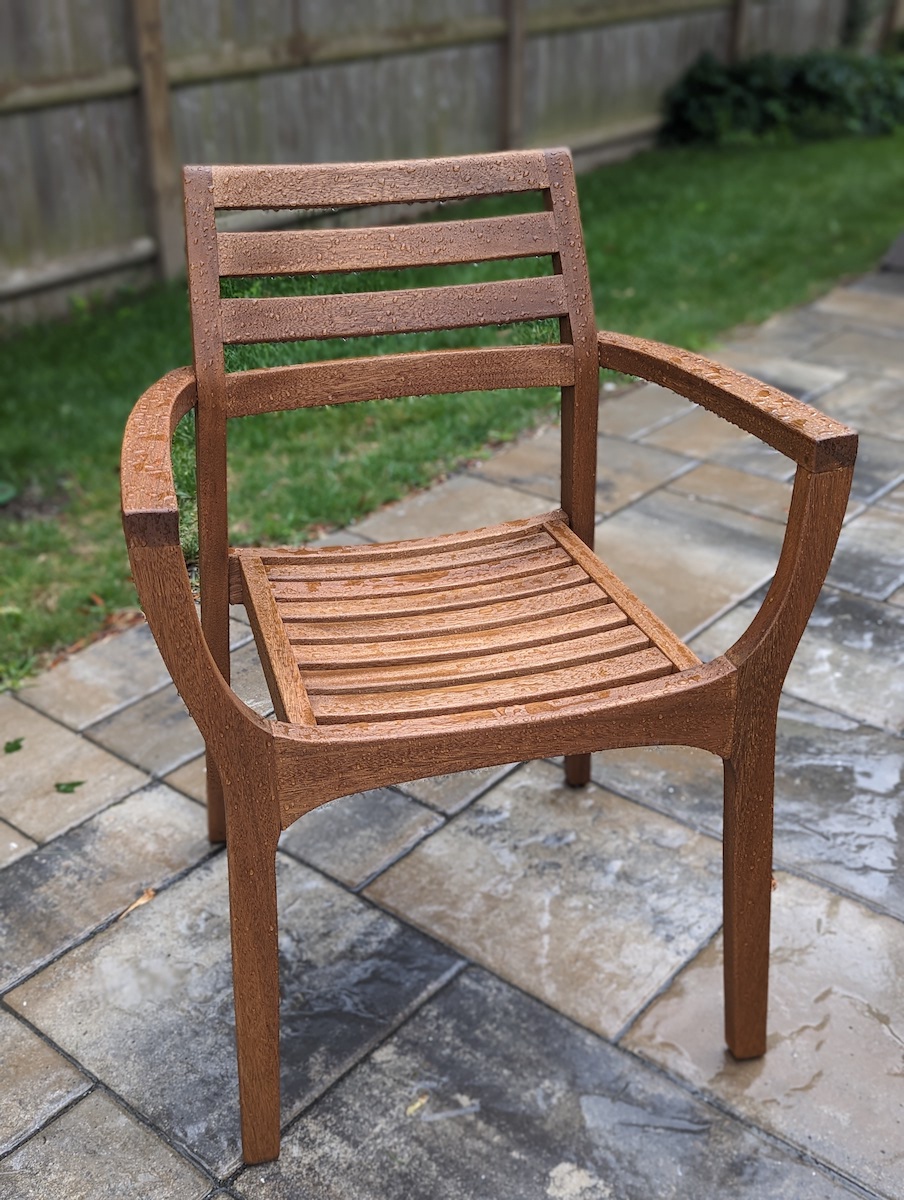
Teak oil works well on dense woods like teak and mahogany. It penetrates deep to protect against water and sun. This oil keeps wood from drying out and cracking. It also enhances the wood’s warm, rich color. Regular use of teak oil helps maintain outdoor furniture’s natural beauty.
Linseed Oil
Linseed oil is made from flax seeds. It soaks into wood and prevents it from drying. This oil gives wood a soft, warm glow. Raw linseed oil takes time to dry. Boiled linseed oil dries faster and is better for outdoor use. It protects wood from moisture and sun damage.
Tung Oil
Tung oil comes from the tung tree’s nuts. It forms a strong, water-resistant layer on wood. This oil dries clear and does not yellow over time. It also makes wood more flexible and less likely to crack. Tung oil is a good choice for outdoor furniture exposed to rain.
Danish Oil
Danish oil is a mix of oil and varnish. It soaks into wood and forms a thin protective coat. This oil enhances wood grain and gives a smooth finish. Danish oil dries faster than pure oils. It offers good protection from sun and water damage. It works well on different types of outdoor wood.
How To Apply Oil Properly
Applying oil to outdoor wooden furniture protects it from weather damage. It keeps the wood looking fresh and natural. Proper application helps the oil soak deep into the wood. This strengthens the furniture and extends its life. Follow these steps to apply oil correctly and get the best results.
Preparation Steps
Start by cleaning the furniture surface. Use a soft brush and mild soap with water. Remove dirt, dust, and old finishes. Let the wood dry completely before applying oil. Sand rough spots gently with fine-grit sandpaper. Wipe away dust with a clean cloth. Work in a shaded area to avoid direct sun.
Application Techniques
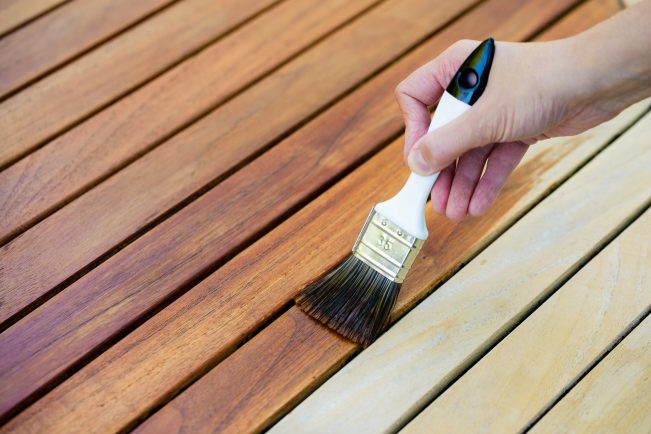
Use a clean, lint-free cloth or brush to apply oil. Pour a small amount of oil onto the wood. Spread it evenly along the grain. Apply thin coats to avoid sticky surfaces. Work in sections to cover all areas. Let the oil soak in for 10 to 15 minutes. Wipe off any excess oil with a clean cloth.
Drying And Curing Time
Allow the furniture to dry in a well-ventilated area. Drying usually takes 24 hours, but check the oil’s label. Avoid using the furniture while drying. For best results, apply 2 to 3 coats. Let each coat dry fully before the next. Complete curing can take up to a week. This process ensures deep protection and durability.
Maintaining Oiled Furniture
Maintaining oiled outdoor wooden furniture keeps it looking fresh and strong. The oil protects the wood from drying out and cracking. It also helps to keep the natural color and grain clear. Regular care is simple and helps your furniture last for years.
Regular Cleaning Tips
Clean your furniture gently with a soft brush or cloth. Use mild soap mixed with water for dirt and stains. Avoid harsh chemicals that can damage the wood or remove the oil. Rinse with clean water and dry with a towel. Do this every few weeks to stop dirt buildup.
When To Reapply Oil
Check the wood surface for dryness or a dull look. These signs mean the oil needs to be reapplied. Usually, oiling once or twice a year is enough. In hot or rainy climates, do it more often. Apply oil with a clean cloth and rub it in well. Let the wood soak up the oil for a few hours before use.
Protecting Against Weather
Cover your furniture with a waterproof cover during rain or snow. Move it to a shaded place to avoid direct sunlight. Sunlight can fade the wood and dry the oil faster. If possible, store furniture indoors during winter. This helps prevent damage from cold and moisture.
Common Mistakes To Avoid
Applying oil on outdoor wooden furniture can keep it looking great and lasting longer. Many people make simple mistakes that reduce the wood’s protection. Avoiding these errors helps maintain the furniture’s beauty and strength. Here are common mistakes to avoid.
Over-oiling Issues
Too much oil can cause sticky and uneven surfaces. The wood may stay wet for days, attracting dust and dirt. Over-oiling also blocks the wood from breathing, which can lead to damage. Use only the recommended amount and wipe off excess oil.
Using The Wrong Oil
Not all oils work well on outdoor wood. Some oils do not protect against water or sunlight. Avoid cooking oils or furniture oils made for indoor use. Choose oils made specifically for outdoor wooden furniture, like teak or linseed oil.
Ignoring Surface Preparation
Oiling dirty or rough wood causes poor results. Dirt and old finishes stop oil from soaking in. Always clean and sand the wood before applying oil. This step helps the oil absorb better and last longer.
Credit: www.furnitureclinic.com
Eco-friendly And Safe Choices
Choosing the right oil for outdoor wooden furniture matters. Eco-friendly and safe oils protect wood and the environment. These oils keep furniture healthy without harmful chemicals. They also keep your outdoor space safe for family and pets.
Non-toxic Oils
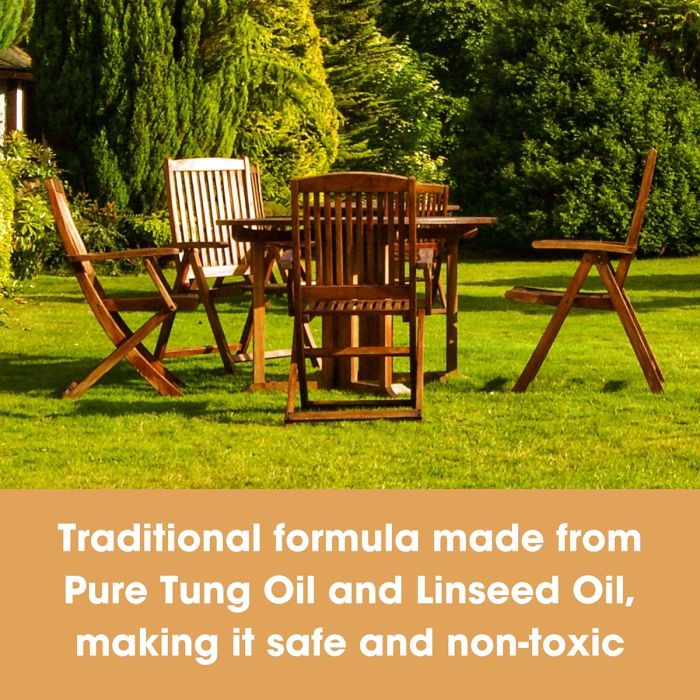
Non-toxic oils do not release harmful fumes. They are safe to use around children and pets. Common non-toxic options include linseed oil and tung oil. These oils soak deep into the wood. They protect and nourish without causing harm.
Sustainable Sourcing
Oils from sustainable sources help protect forests. They come from plants grown without harmful chemicals. Choosing sustainably sourced oils supports eco-friendly farming. This reduces damage to nature and wildlife. Look for labels that show responsible harvesting.
Allergy Considerations
Some oils can cause skin or breathing allergies. Test a small area before full use. Choose oils labeled hypoallergenic to reduce risks. Keep oil away from open wounds or sensitive skin. This helps keep your outdoor space safe and healthy.
Frequently Asked Questions
What Is The Best Oil For Outdoor Wooden Furniture?
Teak oil is ideal for outdoor wooden furniture. It penetrates deeply, enhancing wood’s natural beauty and protecting against moisture and UV damage.
How Often Should I Oil Outdoor Wooden Furniture?
Oil your outdoor wooden furniture every 6 to 12 months. Regular application maintains protection, prevents drying, and keeps the wood looking fresh and vibrant.
Can I Use Olive Oil On Outdoor Wood?
Olive oil is not recommended for outdoor wood. It can become sticky, attract dirt, and does not provide adequate protection against weather.
Does Teak Oil Protect Wood From Sun Damage?
Yes, teak oil contains UV blockers that shield wood from sun damage. It helps prevent fading, cracking, and drying caused by prolonged sun exposure.
Conclusion
Choosing the right oil protects your outdoor wooden furniture well. Natural oils like teak or linseed help keep wood strong and fresh. Apply oil regularly to stop cracking and fading. Clean the furniture before oiling for better results. Proper care makes your furniture last through all seasons.
Enjoy the beauty and comfort of well-maintained wood outdoors. Small effort brings big rewards for your outdoor space. Keep your wood healthy and looking great year-round.
