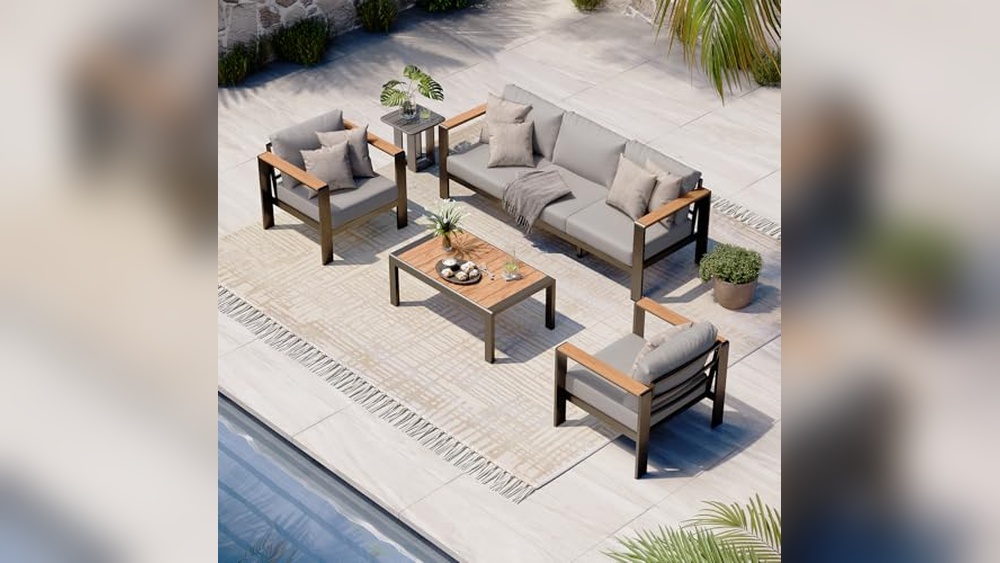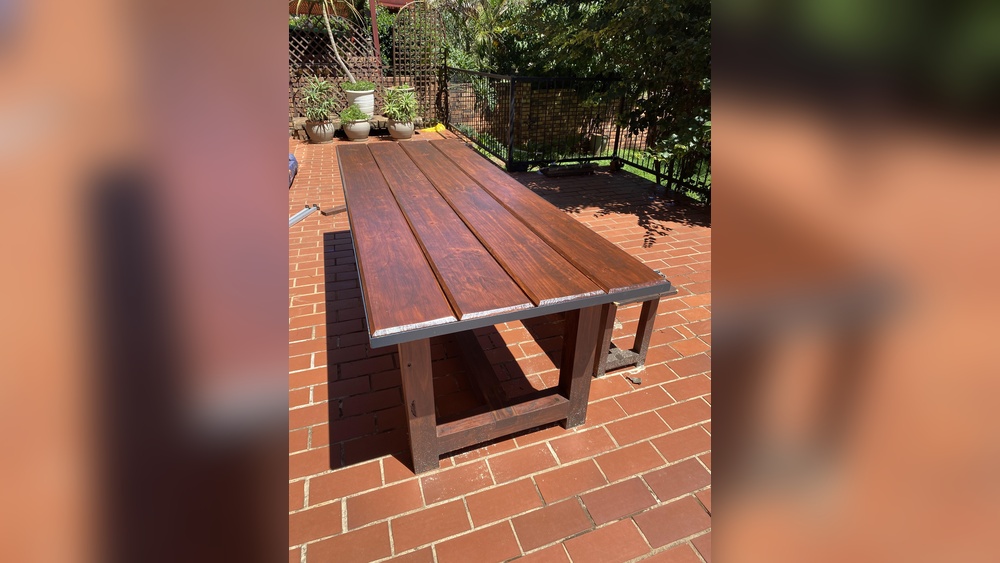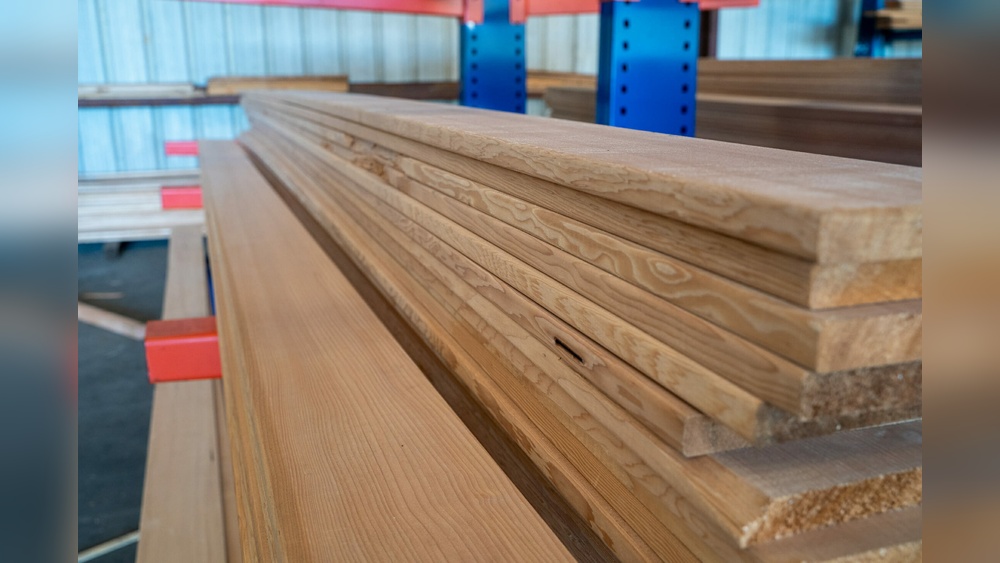
Choosing the right wood for your outdoor furniture can make all the difference in how it looks, lasts, and feels. You might be wondering, is cedar or hemlock better for your patio set or garden bench?
Both woods have their strengths, but which one truly fits your needs? By the end of this article, you’ll know exactly which option will keep your outdoor space inviting and durable through every season. Keep reading to discover the surprising facts that will help you make the best choice for your home.
Cedar And Hemlock Basics
Cedar and hemlock are popular wood choices for outdoor furniture. Each type has its own traits that affect how well it works outdoors. Understanding the basics helps in choosing the right wood for your needs.
Both woods are natural and offer different benefits. Knowing where they come from and their features makes the decision easier.
Origin And Characteristics
Cedar comes from trees in the cypress family. It grows mainly in North America and parts of Asia. The wood is light, soft, and has a reddish color. It smells nice and naturally resists bugs and decay.
Hemlock grows mostly in the Pacific Northwest of the United States and Canada. It is a softwood with a pale color. Hemlock is strong but less resistant to insects and weather than cedar. It does not have a strong smell.
Common Uses In Furniture
Cedar is often used for garden furniture, decks, and fences. It stays durable outside and requires less maintenance. The wood’s aroma also helps keep insects away.
Hemlock is popular for indoor furniture and some outdoor uses. It needs treatment or paint to last well outdoors. Hemlock is affordable and easy to work with, making it a good choice for custom pieces.
Durability And Weather Resistance
Durability and weather resistance are key factors for outdoor furniture. These qualities ensure furniture lasts through changing seasons and rough weather. Cedar and hemlock both offer unique strengths. Understanding these helps you pick the right wood for your needs.
Resistance To Rot And Decay
Cedar naturally resists rot and decay. It contains oils that protect against moisture and insects. This makes cedar a top choice for outdoor use. Hemlock lacks these natural oils. It can decay faster if not treated or sealed well. Proper maintenance can improve hemlock’s lifespan outdoors.
Performance In Different Climates
Cedar performs well in wet and humid climates. It handles rain and snow without warping much. Hemlock suits dry, mild climates better. It can absorb moisture and swell in very wet areas. Sun exposure may cause hemlock to crack more than cedar. Both woods benefit from protective finishes to last longer.
Appearance And Aesthetics
Choosing the right wood for outdoor furniture often depends on its look. Cedar and hemlock each have unique visual traits. These traits affect how the furniture blends with your outdoor space. Appearance and aesthetics play a big role in this choice. Let’s explore their colors, grain patterns, and how they age over time.
Color And Grain Patterns
Cedar has a warm, reddish-brown color. This shade adds a cozy, natural feel. The grain is straight but can show knots and small streaks. These details give cedar a rustic charm.
Hemlock shows a lighter, pale brown to almost beige color. It has a fine, even grain with fewer knots. This smooth look suits modern, clean designs well. Both woods have different but attractive grains and colors.
Aging And Patina Over Time
Cedar changes color gracefully as it ages. It turns a silvery gray when exposed to sun and rain. This natural patina is popular for a weathered, vintage look.
Hemlock also fades but keeps a more uniform tone. It does not develop the same silver-gray color. Instead, it may darken slightly or stay light. Both woods show character with time, but in different ways.
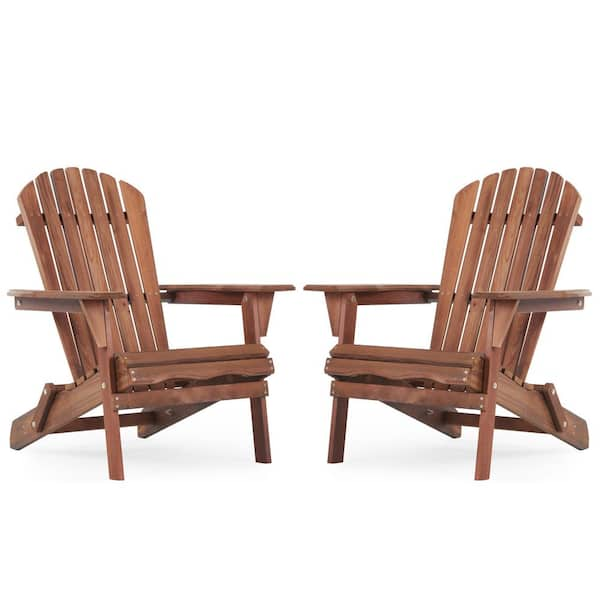
Credit: www.homedepot.com
Maintenance Requirements
Choosing between cedar and hemlock for outdoor furniture means understanding their maintenance needs. Both woods require care to keep their beauty and strength over time. Knowing how to clean and seal them helps protect against weather damage. Proper care extends their life and keeps your furniture looking fresh.
Cleaning And Sealing
Cedar and hemlock both need regular cleaning to remove dirt and debris. Use a soft brush and mild soap with water. Avoid harsh chemicals that can damage the wood surface. After cleaning, let the furniture dry completely.
Sealing is important to block moisture and sunlight. Apply a clear wood sealant or oil designed for outdoor use. This prevents cracking and fading. Reseal the furniture every one to two years for best results.
Longevity With Proper Care
With regular cleaning and sealing, cedar furniture can last many years. Cedar’s natural oils help resist rot and insects. Hemlock is less oily, so it needs more protection from moisture.
Proper care means checking for signs of wear like cracks or peeling finish. Sand and reseal damaged areas quickly. Well-maintained furniture stays strong and looks good season after season.
Cost And Availability
Cost and availability are key factors when choosing wood for outdoor furniture. Both cedar and hemlock offer unique benefits, but their prices and how easy they are to find can vary. Knowing these details helps you decide which wood fits your budget and project needs.
Price Comparison
Cedar tends to be more expensive than hemlock. Its natural oils and resistance to decay add to the cost. Hemlock is usually cheaper and still strong enough for many outdoor uses. The price difference can affect the total cost of your furniture project.
Sourcing And Sustainability
Cedar is often harvested from forests in the Pacific Northwest. It is widely available but sometimes comes from older trees. Hemlock grows faster and is more common in many areas. This makes hemlock easier to source in larger quantities.
Both woods can be sustainable if sourced responsibly. Look for certified lumber to ensure eco-friendly practices. Choosing local wood reduces transportation impact and supports sustainability.
Environmental Impact
Choosing the right wood for outdoor furniture affects the environment. Cedar and hemlock differ in how they impact nature. Understanding their environmental impact helps make better choices.
Both woods come from trees that grow in forests. The way these trees are harvested and treated matters for the planet. Let’s explore the eco-friendliness and sustainability of cedar and hemlock.
Eco-friendliness
Cedar is naturally resistant to insects and decay. This means fewer chemicals are needed to protect it. Hemlock lacks natural resistance, so it often needs more treatments. Using less chemical treatment is better for soil and water.
Cedar also lasts longer outdoors. Furniture made from cedar does not need to be replaced often. This reduces waste and the need for new wood. Hemlock may wear out faster, leading to more frequent replacement.
Sustainability Practices
Cedar trees grow slowly, but many are harvested from managed forests. These forests follow rules to replant trees after cutting. Hemlock grows faster and is often used in large-scale logging. Some hemlock comes from less controlled sources.
Choosing wood certified by groups like FSC ensures sustainable practices. Both cedar and hemlock can have this certification. Checking for certification helps support responsible forest management.
Choosing Based On Furniture Type
Choosing the right wood for outdoor furniture depends on the type of furniture you want. Different pieces need different qualities from the wood. Some woods work better for certain furniture types because of strength, appearance, or comfort. Understanding these differences helps in picking cedar or hemlock for your outdoor space.
Suitability For Different Outdoor Pieces
Cedar is strong and resists decay well. It suits furniture exposed to rain and sun, like benches and Adirondack chairs. Its natural oils protect it from insects and rot.
Hemlock is lighter and less oily. It works well for covered furniture like porch swings or tables under a patio roof. It needs more care to avoid weather damage.
For large items like picnic tables, cedar’s durability is a big plus. Hemlock can be used but might need extra treatment to last long.
Comfort And Functionality
Cedar feels warm and smooth, making it comfortable for seating. It stays cooler in the sun, ideal for chairs and loungers.
Hemlock is sturdy but can feel rougher without finishing. It may need sanding and sealing to improve comfort.
Cedar’s natural scent can also make furniture more pleasant to use outdoors. Hemlock has little smell, which some people prefer.

Credit: www.amazon.com
Final Recommendations
Choosing the right wood for outdoor furniture depends on your needs and environment. Both cedar and hemlock have strengths. Knowing their best uses helps you pick the perfect one.
Best Uses For Cedar
Cedar resists moisture and insects well. It lasts long in wet climates. Its natural oils protect the wood. Cedar is ideal for garden benches and porch swings. It also works well for patio tables. The wood’s rich color adds beauty to outdoor spaces. It stays strong without much care. Cedar furniture feels warm and inviting.
Best Uses For Hemlock
Hemlock is strong and easy to shape. It suits painted or stained furniture. Use it for outdoor chairs and picnic tables. Hemlock fits well in dry or mild climates. It is budget-friendly and widely available. The wood needs regular sealing to last. Hemlock offers a smooth finish for painting. It is good for simple, classic designs.

Credit: www.g-locbrakes.com
Frequently Asked Questions
Which Wood Lasts Longer: Cedar Or Hemlock?
Cedar generally lasts longer outdoors due to its natural oils. These oils resist rot and insects better than hemlock. Hemlock is less durable and requires more treatment to withstand weather.
Is Cedar Or Hemlock More Weather-resistant?
Cedar is more weather-resistant because it naturally repels moisture and pests. Hemlock absorbs water easily, making it prone to decay unless sealed properly.
Which Wood Is Better For Outdoor Furniture Appearance?
Cedar offers a rich, reddish color that ages to a graceful silver. Hemlock has a lighter, pale color and a more uniform grain, which some prefer for a clean look.
Does Hemlock Require More Maintenance Than Cedar?
Yes, hemlock requires more frequent sealing and treatment to prevent rot. Cedar’s natural oils reduce maintenance needs, making it easier to care for outdoors.
Conclusion
Cedar and hemlock both work well for outdoor furniture. Cedar lasts longer and resists insects naturally. Hemlock is strong and usually less costly. Think about your budget and style needs. Choose wood that fits your climate and care habits. Either way, good maintenance helps your furniture stay nice.
Enjoy your outdoor space with wood you trust.