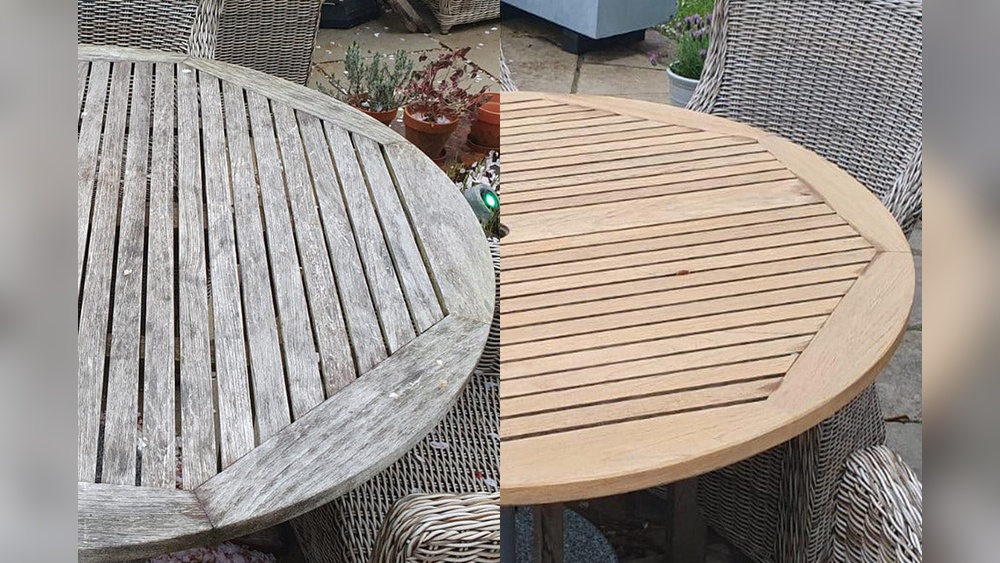
Are you wondering if you should sand your teak outdoor furniture? You’re not alone.
Teak is known for its beauty and durability, but over time, it can lose its shine and start to look weathered. Sanding can bring back that smooth, rich finish, but it’s not always the best choice for every situation. Before you grab your sandpaper, it’s important to understand when sanding will help and when it might actually harm your teak pieces.
Keep reading to discover the simple truth about sanding teak outdoor furniture—and how to keep your furniture looking its best for years to come.
Benefits Of Sanding Teak Furniture
Sanding teak furniture offers many benefits that improve its look and lifespan. It helps keep the wood smooth and fresh. Sanding also prepares the surface for protective finishes. These benefits make teak furniture last longer and look better.
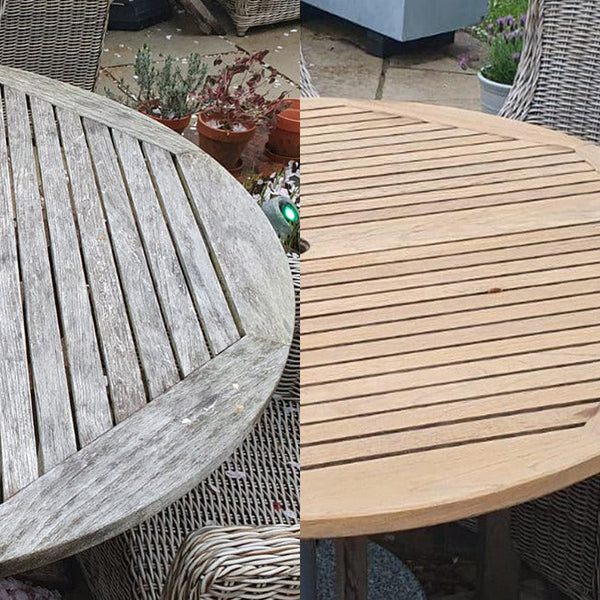
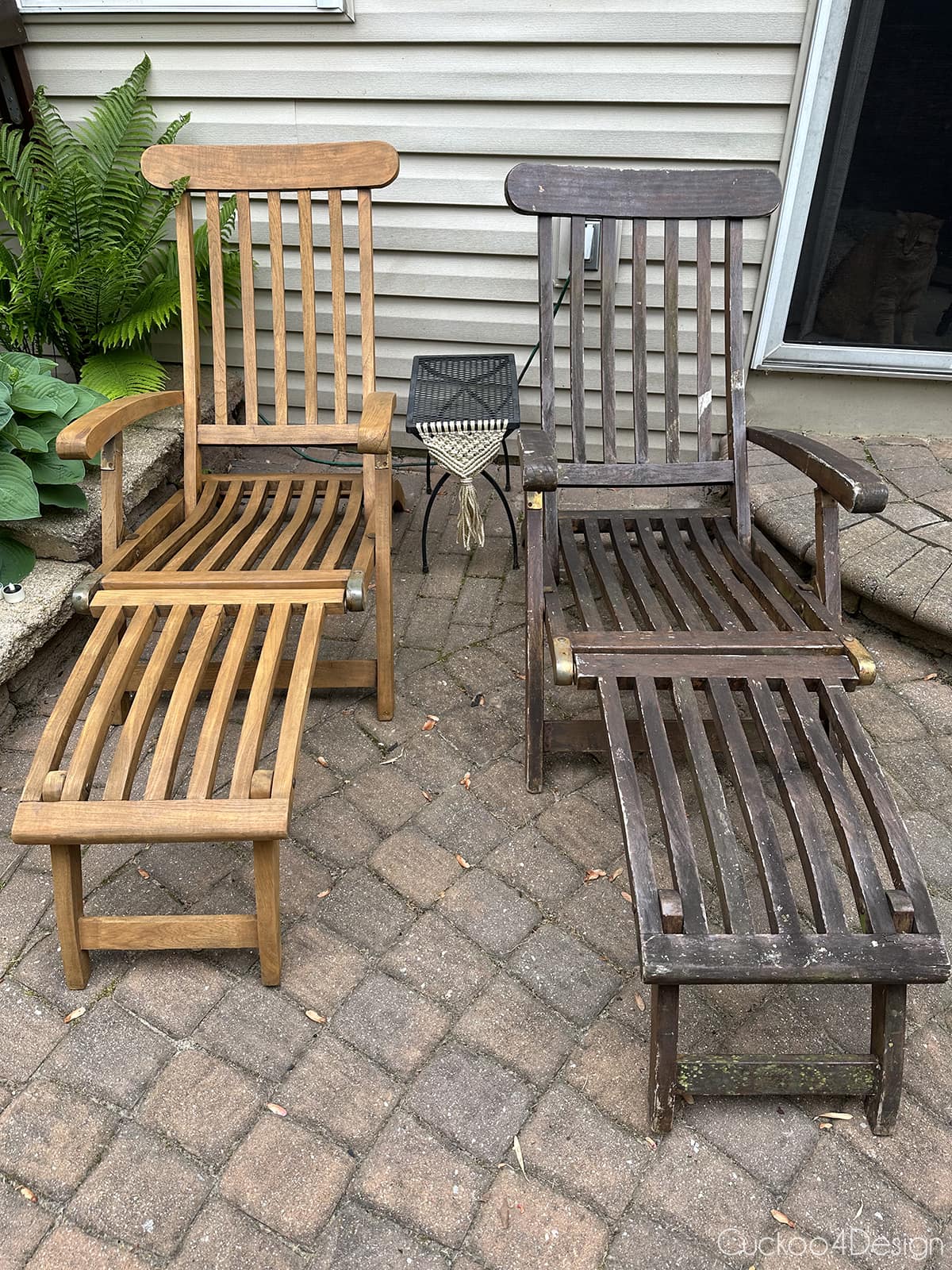
Teak is a strong wood but can develop rough spots or stains over time. Sanding removes these problems. It also brings out the wood’s natural color and grain. This simple step can make old furniture look almost new again.
Enhancing Natural Beauty
Sanding teak brightens the wood’s rich color. It removes dullness caused by dirt or weather. The natural grain stands out more clearly. This gives furniture a warm and inviting look. Freshly sanded teak feels smooth and pleasant to touch.
Removing Surface Imperfections
Teak furniture can get scratches, stains, or rough patches. Sanding gets rid of these surface flaws. It smooths out rough edges and removes old finishes. This step makes the wood safe and comfortable to use. It also helps prevent dirt buildup on rough areas.
Preparing For Finishing
Sanding creates a clean, even surface for finishes like oil or varnish. This helps the finish stick better and last longer. Without sanding, finishes may peel or look uneven. Proper preparation keeps teak furniture protected from weather. It also keeps the wood looking fresh and cared for.
When To Avoid Sanding Teak
Knowing when to avoid sanding teak outdoor furniture helps keep its beauty intact. Sanding is not always the best choice. Sometimes, it can harm the wood or remove the unique look teak naturally gains over time. Recognizing the right moments to skip sanding saves your furniture from damage and keeps it lasting longer.
Maintaining Natural Patina
Teak develops a soft, silver-gray patina as it ages outdoors. This natural look many people love comes from weather exposure without sanding. Removing this layer by sanding takes away teak’s character and charm. Some owners prefer this aged look and should avoid sanding to keep it intact.
Risk Of Damage
Sanding teak too often can thin the wood. This weakens the furniture and may cause cracks or splinters. Aggressive sanding also removes teak’s natural oils, which protect it from water and pests. Avoid sanding if the wood feels thin or fragile to prevent damage.
Frequency Considerations
Sanding teak too often wears it down fast. Most furniture only needs sanding every few years. Too frequent sanding causes uneven surfaces and rough spots. Wait for clear signs of roughness or stains before sanding again. This keeps the wood healthy and smooth for longer.
Tools And Materials Needed
Before sanding teak outdoor furniture, gather the right tools and materials. Proper preparation makes the task easier and ensures better results. The right supplies protect the wood and keep you safe. Below are the essentials you need to start sanding teak furniture.
Choosing The Right Sandpaper Grit
Start with medium grit sandpaper, around 120 grit, to remove rough surfaces. Use finer grit, like 220, to smooth the wood afterward. Avoid very coarse sandpaper; it can damage teak’s surface. Using the right grit helps keep the wood’s natural beauty.
Safety Gear Essentials
Wear safety glasses to protect your eyes from dust and splinters. A dust mask keeps you from breathing in fine wood particles. Gloves protect your hands from rough surfaces and splinters. Proper safety gear makes sanding safer and more comfortable.
Additional Supplies
Have a soft cloth or tack cloth to wipe dust between sanding steps. Use a vacuum or brush to clean sanding debris from the furniture. A sanding block or sanding sponge can help reach corners and curves. These extra supplies improve the sanding process and final finish.
Credit: www.luxushomeandgarden.com
Step-by-step Sanding Process
Sanding teak outdoor furniture improves its look and feel. It removes old finishes and smooths rough spots. This process helps the wood absorb oil better. Follow these steps for effective sanding.
Cleaning The Furniture
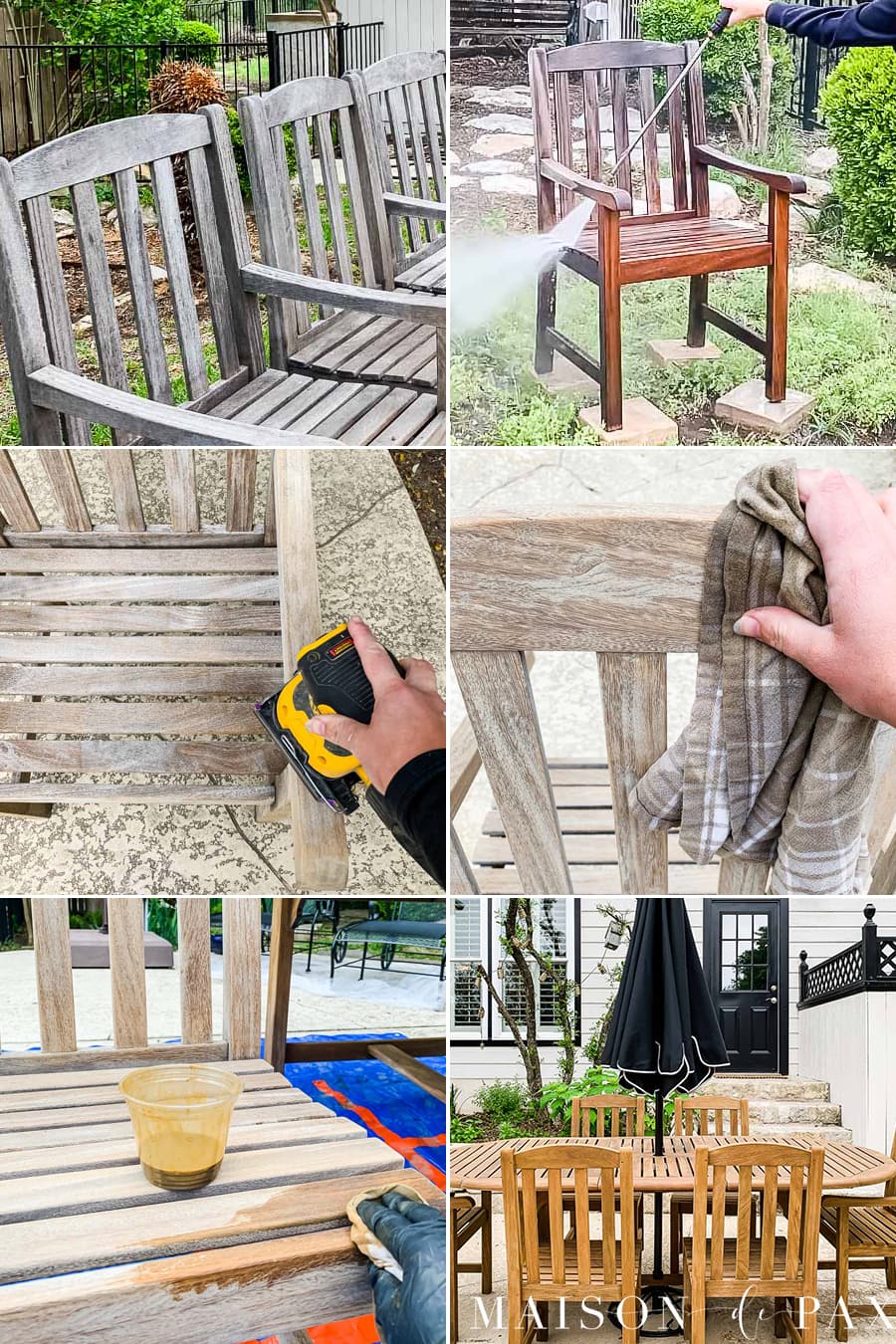
Start by cleaning the teak furniture. Use a soft brush to remove dirt and dust. Mix mild soap with water for washing. Rinse the furniture well and let it dry fully. Clean wood sands more evenly and looks better.
Sanding Techniques
Choose fine to medium grit sandpaper. Sand along the wood grain, never across it. Use gentle, even strokes for smoothness. Pay attention to corners and curves. Avoid sanding too hard to prevent damage. Change sandpaper if it clogs or wears out.
Finishing Touches
Remove dust with a clean cloth or vacuum. Apply teak oil or sealer to protect wood. Let the oil soak in for at least 15 minutes. Wipe off excess oil with a dry cloth. Repeat oiling yearly to keep wood healthy and bright.
Alternative Maintenance Methods
Maintaining teak outdoor furniture does not always require sanding. There are other ways to keep your furniture looking great and lasting longer. These alternative methods save time and protect the wood’s natural beauty. They also reduce the risk of damaging the surface.
Oiling And Sealing
Oiling teak furniture helps keep the wood hydrated and rich in color. Use teak oil or a natural wood oil designed for outdoor use. Apply oil with a soft cloth in thin, even layers. This method protects the wood from drying and cracking. Sealing the wood adds an extra layer of defense against water and dirt. Regular oiling and sealing extend the furniture’s life without rough sanding.
Cleaning Without Sanding
Cleaning teak furniture gently removes dirt and grime without sanding. Use a soft brush or sponge with mild soap and water. Avoid harsh chemicals that can strip natural oils. Rinse thoroughly and let the furniture dry in shade. Regular cleaning keeps the wood fresh and ready for oiling or sealing. This method preserves the wood’s texture and color naturally.
Using Teak Cleaners
Teak cleaners are specially made for this wood type. They remove stains, mildew, and old oils safely. Apply the cleaner as instructed, usually with a soft brush. Rinse off completely after cleaning. These products restore the wood’s natural look without rough sanding. Teak cleaners help maintain beauty and strength over time.
Credit: www.maisondepax.com
Common Mistakes To Avoid
Sanding teak outdoor furniture can refresh its look. But many make simple mistakes. These errors can damage the wood or reduce its lifespan. Avoiding these common pitfalls helps keep your furniture beautiful and strong.
Over-sanding
Sanding too much removes the wood’s natural oils. These oils protect teak from weather and pests. Over-sanding also makes the surface rough and uneven. Sand gently and stop once the surface feels smooth.
Ignoring Wood Grain Direction
Sanding against the grain leaves scratches. These scratches show up clearly on teak. Always sand in the same direction as the grain. This method keeps the surface smooth and clean.
Skipping Protective Finishes
After sanding, teak needs protection. Skipping this step exposes wood to moisture and sun damage. Apply teak oil or sealant to keep the wood healthy. This finish extends the life of your furniture.
Expert Recommendations
Experts have clear advice on sanding teak outdoor furniture. Sanding helps keep teak smooth and looking fresh. But it needs care and proper timing. Too much sanding can damage the wood. Too little can leave it rough and dull. Following expert tips helps protect your furniture and keeps it beautiful for years.
Frequency Of Sanding
Teak furniture usually needs sanding every 1 to 3 years. This depends on weather and use. Harsh sun or rain may require more sanding. Light sanding each year can remove dirt and small marks. Heavy sanding should happen less often to avoid thinning the wood.
Best Practices For Longevity
Use fine sandpaper to avoid deep scratches. Sand along the grain, not across it. Clean the furniture before sanding to remove dust. After sanding, apply teak oil or sealant. This protects the wood from moisture and sun damage. Store furniture covered or indoors during winter.
Choosing Professionals Vs Diy
Professionals know how to sand teak without harm. They use the right tools and techniques. DIY sanding is possible with care and patience. Beginners should start with light sanding and test a small area. Professionals can save time and ensure even results. Decide based on your comfort and budget.
Credit: cuckoo4design.com
Frequently Asked Questions
Should I Sand Teak Outdoor Furniture Before Finishing?
Yes, sanding teak furniture smooths the surface and removes dirt. It helps finishes adhere better and enhances the wood’s natural beauty.
How Often Should Teak Furniture Be Sanded?
Sanding is usually needed every 1-3 years, depending on wear. Light sanding maintains appearance and prepares the surface for oil or sealant.
Can Sanding Damage Teak Outdoor Furniture?
Sanding too aggressively can remove too much wood and cause unevenness. Use fine-grit sandpaper and gentle pressure to avoid damage.
What Grit Sandpaper Is Best For Teak Furniture?
Start with medium grit (120-150) then finish with fine grit (220). This ensures smoothness without scratching or harming the teak.
Conclusion
Sanding teak outdoor furniture helps keep it smooth and fresh. It removes dirt and old finishes easily. Sanding also prepares the wood for oil or sealant. This protects teak from sun and rain damage. Avoid sanding too often to keep the wood strong.
Simple care can extend your furniture’s life. Choose sanding if your teak feels rough or looks dull. A little effort goes a long way in keeping teak beautiful. Your outdoor space will feel more inviting and neat.