Are your outdoor furniture cushions looking worn or faded? Making your own slipcovers can give them a fresh, new look without spending a fortune.
Imagine sitting outside on cushions that feel brand new, protected from the weather, and perfectly matching your style. In this guide, you’ll discover simple steps to create slipcovers that fit your cushions just right. Whether you’re a beginner or have some sewing experience, you’ll find easy tips to transform your outdoor space.
Keep reading to unlock the secret to stylish, durable slipcovers you’ll be proud of.
Materials Needed
Gathering the right materials is the first step to making slipcovers. Having quality fabric and proper tools makes the process easier and the results better. Choose materials that suit outdoor use and match your style.
Fabric Selection
Pick fabric designed for outdoor use. Look for water-resistant and UV-resistant types. Acrylic, polyester, and olefin are good choices. These fabrics resist fading and moisture. Choose a color or pattern that fits your furniture and outdoor space. Buy enough fabric to cover each cushion with extra for seams.
Tools And Supplies
Prepare basic sewing tools. You will need scissors, measuring tape, and pins. A sewing machine helps speed the work. Use outdoor thread or heavy-duty thread for durability. Get a zipper or Velcro for easy cushion removal. Chalk or fabric marker helps mark measurements on fabric.
Measuring Cushions
Measuring cushions is the first step to making slipcovers that fit well. Accurate measurements ensure the cover looks neat and stays in place. Take your time to measure each cushion carefully. Use a soft tape measure for best results. Write down every dimension clearly. This helps avoid mistakes when cutting fabric.
Taking Accurate Dimensions
Start by measuring the length and width of the cushion. Measure from edge to edge at the widest points. Next, measure the thickness or height of the cushion. Take all measurements in inches or centimeters. Measure each side separately if the cushion is not a perfect square or rectangle. Double-check your numbers before moving on.
Adding Seam Allowances
Seam allowances are extra fabric added to each measurement. They allow space for sewing the pieces together. Add about 1 to 2 inches to each side. This extra fabric prevents the cover from being too tight. It also helps create neat, strong seams. Mark the seam allowance clearly on your pattern or fabric before cutting.
Cutting Fabric
Cutting fabric is a key step in making slipcovers for outdoor furniture cushions. Accurate cutting helps the slipcover fit well and last longer. Take your time and follow the pattern closely. Prepare your fabric on a flat surface with enough space to work comfortably. Smooth out any wrinkles before you start cutting.
Marking Patterns
Use chalk or a fabric marker to trace your pattern on the fabric. Mark all edges and seam allowances clearly. Double-check measurements to avoid mistakes. Mark any places for zippers or buttons. Clear markings make sewing easier and more precise.
Cutting Tips
Use sharp fabric scissors for clean cuts. Cut slowly and follow the marked lines carefully. Avoid lifting the fabric while cutting to keep edges smooth. Cut all pieces in one go to maintain consistency. Keep your fingers away from the blade for safety.
Sewing The Slipcovers
Sewing slipcovers for outdoor furniture cushions brings a personal touch to your patio. This step shapes the fabric to fit the cushions perfectly. Careful sewing ensures durability and a neat look. Follow simple steps to make your slipcovers last and look great.
Stitching Seams
Start by pinning the fabric pieces together. Use a straight stitch for strong seams. Sew slowly to keep the lines even. Leave about half an inch for seam allowance. Double stitch at the corners for extra strength. Trim any loose threads to keep the seams clean.
Inserting Zippers Or Closures
Choose a zipper that matches the fabric color. Pin the zipper along the edge where you want it. Sew the zipper carefully to avoid puckering. Test the zipper to make sure it opens smoothly. Alternatively, use Velcro strips for easy removal. Secure all closures firmly to prevent slipping.
Fitting And Finishing
Fitting and finishing are key to making slipcovers look neat and last long. Good fitting protects cushions from dirt and weather. Proper finishing keeps seams strong and edges smooth. Take your time to get these steps right. They make your outdoor furniture look fresh and new.
Trying On The Covers
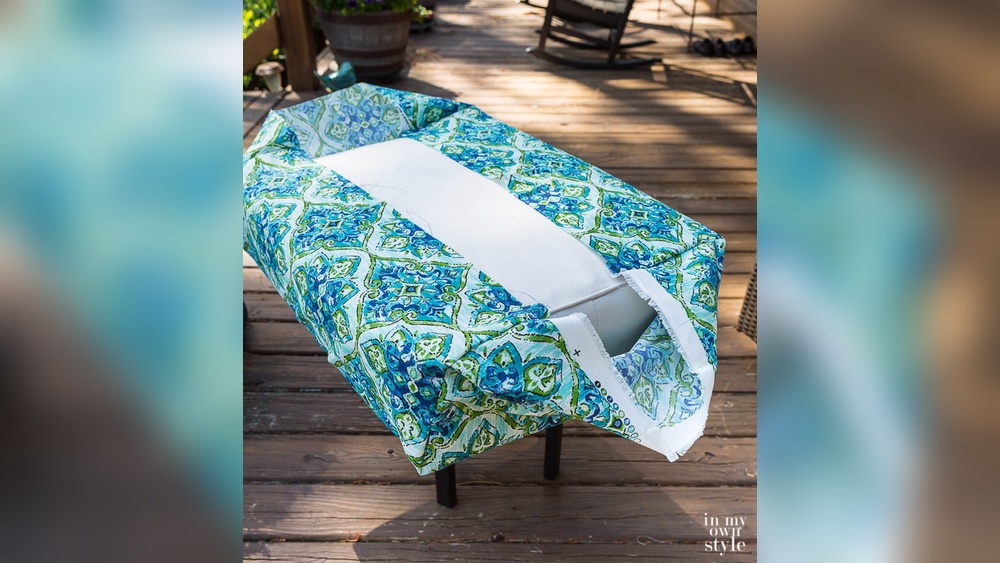
Put the slipcover on the cushion gently. Check how it fits on all sides. Look for tight spots or loose areas. Make sure the cover covers the cushion fully. Smooth out wrinkles and folds carefully. Move the cushion slightly to see if the cover stays in place. This step shows where to make changes.
Adjusting For Perfect Fit
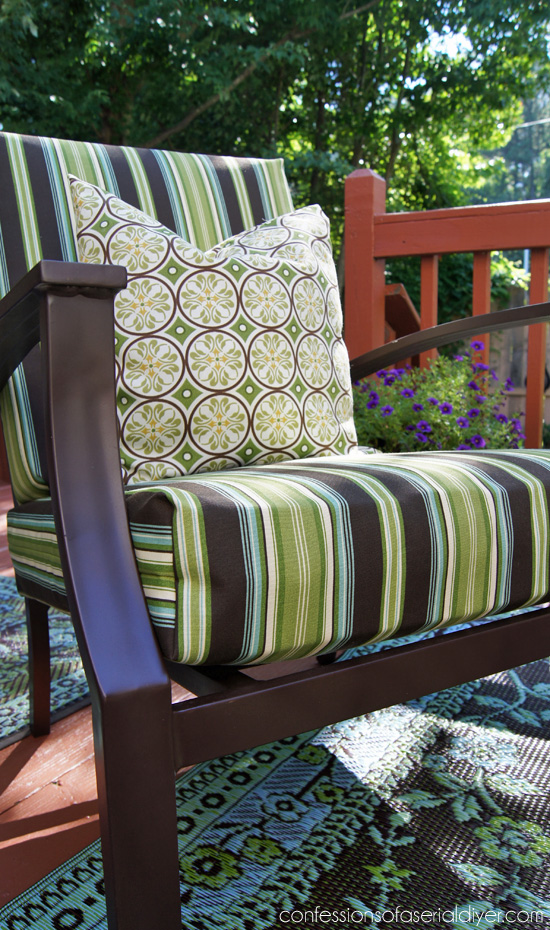
Pinch any extra fabric and mark it with pins or chalk. Cut off small amounts if needed. Sew seams tighter to remove slack. Add darts or tucks to shape the cover better. Check the fit again after each change. Make small fixes until the cover fits snugly. Finish edges with neat stitches or binding. This gives a clean, polished look.
Credit: www.gde.com.hk
Care And Maintenance
Proper care and maintenance extend the life of your outdoor furniture slipcovers. They keep the fabric fresh and looking good season after season. Regular cleaning and smart storage help protect the covers from dirt, sun, and moisture damage. Simple steps make a big difference in maintaining their quality.
Cleaning Tips
Use a mild soap and cold water to clean slipcovers. Avoid bleach or harsh chemicals that can weaken fabric fibers. Gently scrub stains with a soft brush or cloth. Rinse thoroughly to remove all soap. Let covers air dry completely before putting them back on cushions. Do not use a dryer, as heat can shrink or damage the fabric. Clean covers regularly to prevent dirt buildup and odors.
Storage Advice
Store slipcovers in a dry, cool place when not in use. Avoid folding them tightly to prevent creases and wear. Use breathable storage bags or containers to keep moisture away. Do not store covers in plastic bags for long periods. Moisture trapped inside can cause mildew and mold. Check covers before storage to ensure they are clean and dry. Proper storage keeps slipcovers ready for the next outdoor season.
Troubleshooting Common Issues
Troubleshooting common issues helps keep your slipcovers neat and durable. Some problems may appear as you sew or use the covers. Fixing these quickly saves time and makes your cushions look great. Below are solutions for two frequent issues.
Fixing Loose Fits
Loose slipcovers look messy and slide off easily. Check the measurements first. Measure the cushion again to see if the cover is too big. Take in the seams a little to make the cover tighter. Pin the fabric before sewing to keep it in place.
Add elastic bands at the edges for a snug fit. Sew the elastic inside the hem so it stays hidden. This helps the slipcover hug the cushion better. Try the cover on after adjustments to ensure it fits well.
Repairing Seams
Seams may rip or come apart after use. Check the seam for loose threads or holes. Use a strong needle and thread to stitch the seam back. Sew small, tight stitches close together for strength.
If the fabric near the seam is weak, reinforce it with a patch inside the cover. Iron-on patches work well for quick fixes. Always trim loose threads to prevent further damage.

Credit: www.thriftyandchic.com
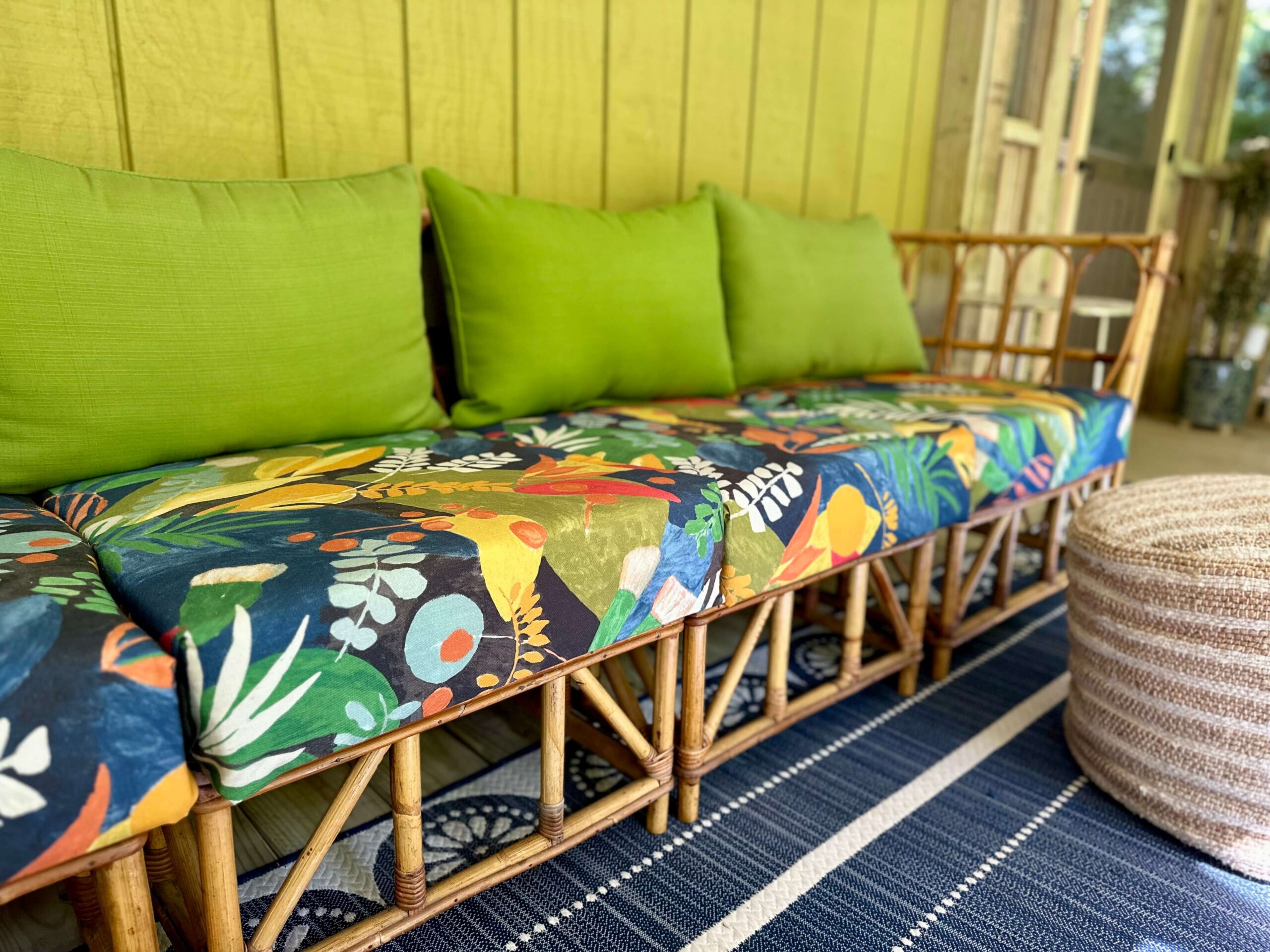
Credit: miedzyniebemaziemia.pl
Frequently Asked Questions
How Do I Choose Fabric For Outdoor Slipcovers?
Select durable, water-resistant fabrics like Sunbrella or polyester blends. These materials resist fading, mildew, and wear, perfect for outdoor cushions.
What Tools Are Needed To Make Slipcovers?
You’ll need fabric scissors, measuring tape, sewing machine, pins, thread, and a zipper or Velcro for closure.
Can I Make Slipcovers Without Sewing Skills?
Yes, use no-sew adhesive tape or pre-made kits. However, sewing offers a more durable and tailored fit.
How Do I Measure Cushions For Slipcovers?
Measure length, width, and thickness of each cushion. Add extra fabric for seams and ease when cutting.
Conclusion
Making slipcovers for outdoor cushions can save money and add style. Choose the right fabric that resists water and sun. Measure cushions carefully to get a good fit. Sew slowly and check your work often. You can change colors or patterns anytime you want.
This project is fun and useful for any home. Try it yourself and enjoy fresh, clean cushions outdoors. Simple steps lead to great results. Your outdoor space will feel cozy and new.