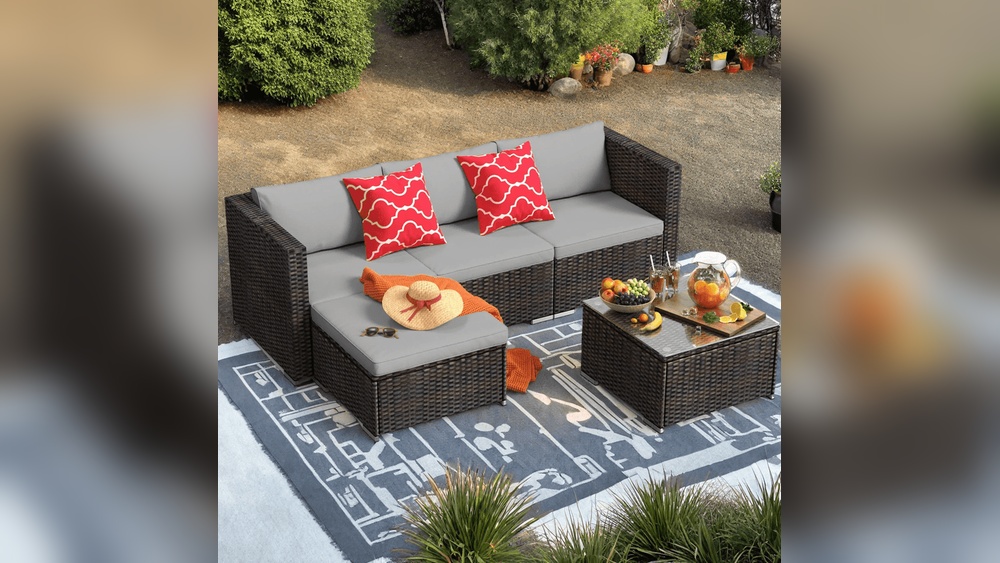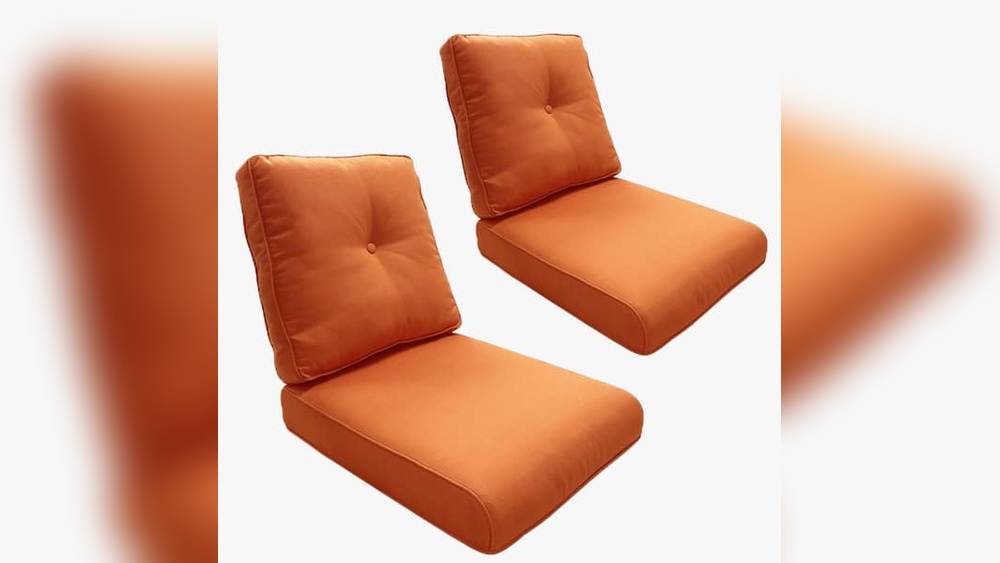
Is your outdoor furniture looking tired and uncomfortable? Worn-out cushions can make your favorite seating spot less inviting, but replacing them is easier than you think.
Imagine sinking into fresh, comfy cushions that bring new life to your patio or deck. In this guide, you’ll discover simple steps to choose and replace cushions that fit perfectly and last longer. Keep reading to transform your outdoor space into a cozy retreat you’ll want to enjoy every day.
Choosing The Right Cushion
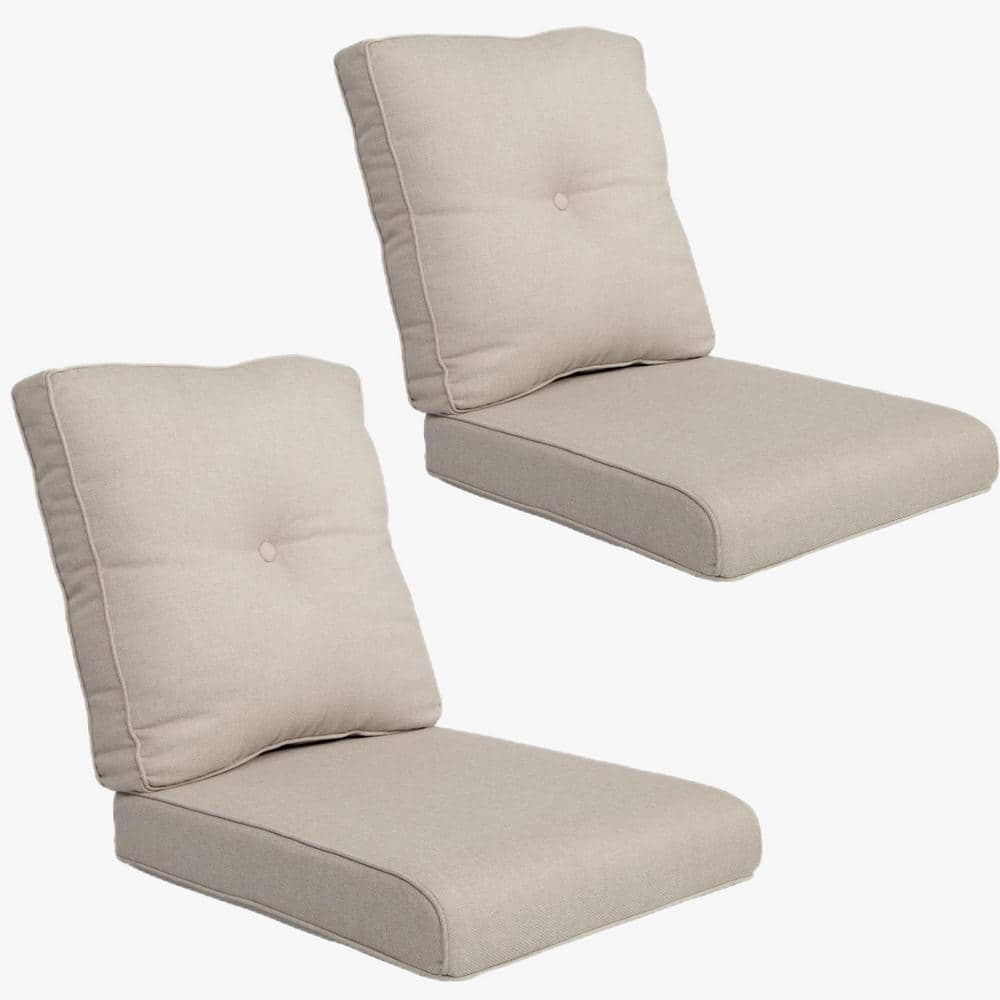
Choosing the right cushion for your outdoor furniture makes a big difference. It improves comfort and enhances your outdoor space’s look. The right cushion lasts longer and resists weather well. Focus on material, size, shape, color, and style to pick the best one.
Material Options
Outdoor cushions need strong, water-resistant fabric. Look for materials like acrylic, polyester, or olefin. These dry quickly and resist mold and fading. Foam inside should be quick-drying and firm. This keeps cushions comfortable and durable for outdoor use.
Size And Shape
Measure your furniture before buying cushions. Choose cushions that fit snugly on chairs or sofas. Common shapes include square, rectangular, and round. Correct size keeps cushions in place and looks neat. Avoid cushions that are too big or too small.
Color And Style
Pick colors that match your outdoor decor and mood. Bright colors create a lively atmosphere. Neutral tones give a calm, classic look. Patterns add personality but keep them simple for easy matching. Choose styles that fit your furniture’s design.
Credit: www.homedepot.com
Gathering Necessary Tools
Gathering the right tools makes replacing cushions easier and faster. Having everything ready helps you avoid interruptions. This step prepares you for a smooth cushion replacement process.
Basic Tools List
- Screwdriver – for removing screws from furniture frames
- Measuring tape – to measure cushion size accurately
- Staple remover – to take out old staples from cushion covers
- Scissors – to cut fabric or foam as needed
- Work gloves – to protect your hands during the work
Optional Accessories
- Fabric adhesive – to secure cushion fabric edges
- Spray adhesive – for attaching foam to fabric evenly
- Hot glue gun – useful for quick fixes and small repairs
- Seam ripper – to carefully open stitched seams without damage
- Protective mat – to keep your workspace clean and safe
Removing Old Cushions
Removing old cushions is the first step to freshen your outdoor furniture. It helps you check the condition of both cushions and frames. This step also prepares the furniture for new, clean cushions. Proper removal prevents damage and makes the whole process easier.
Detaching Covers
Start by unzipping or unclipping the cushion covers. Check for any buttons or ties holding the covers in place. Gently pull the covers off to avoid tearing. If covers are stuck, use a flat tool to loosen them carefully. Keep all zippers and fasteners safe for reuse or replacement.
Cleaning Frames
With cushions removed, inspect the furniture frames. Use a soft brush to remove dirt and dust. Wipe frames with a damp cloth and mild soap. Rinse with clean water and let dry completely. Clean frames help cushions last longer and keep furniture looking fresh.
Measuring For New Cushions
Measuring for new cushions is the first step to refresh your outdoor furniture. Accurate measurements ensure the cushions fit well and look great. Taking the time to measure carefully saves money and effort later.
Measuring Techniques
Start by removing the old cushions. Use a tape measure for length and width. Measure the cushion surface, not the frame. Measure from edge to edge at the widest points. Take measurements twice to avoid mistakes. Write down the numbers clearly for reference.
Accounting For Thickness
Thickness affects comfort and fit. Use a ruler or tape to measure the cushion’s height. Measure at the thickest part. Add a small allowance if you want a softer feel. Thickness also affects cushion covers and storage space. Note this dimension carefully for best results.
Selecting Cushion Foam
Choosing the right foam for your outdoor furniture cushions is important. The foam affects comfort and how long the cushions last outdoors. You want foam that stays firm but feels soft. It should resist moisture and sun damage. Understanding foam types helps you pick the best one for your needs.
Foam Types
Outdoor cushions usually use two main foam types: polyurethane and memory foam. Polyurethane foam is common and affordable. It offers good support but can soak up water if not treated. Memory foam molds to your body for comfort but can be expensive. Look for foam labeled as outdoor or quick-dry. These foams resist water and dry faster.
Durability And Comfort
Durability means how well foam holds up outside. Good outdoor foam resists mold and sun damage. It keeps shape after sitting many times. Comfort means the foam feels soft but supportive. High-density foam lasts longer and feels better. Low-density foam might flatten quickly. Choose foam that balances comfort with strong durability for best results.
Cutting And Shaping Foam
Cutting and shaping foam is a key step in replacing cushions for outdoor furniture. The foam must fit the cushion cover perfectly. Proper cutting and shaping ensure comfort and a neat look. This process is simple with the right tools and techniques.
Cutting Tools
Choose the best tools for smooth and clean cuts. A sharp utility knife works well for most foam types. Electric carving knives can cut thicker foam easily. Make sure blades are sharp for precise edges. A cutting board or firm surface helps keep foam steady.
Shaping Tips
Mark the foam with a pen or chalk before cutting. Cut slowly to avoid jagged edges or mistakes. Trim small amounts first, then shape more if needed. Sandpaper or a rasp can smooth rough edges. Test the foam in the cushion cover often for a perfect fit.
Choosing Fabric For Covers
Choosing the right fabric for outdoor furniture cushions is important. The fabric must handle sun, rain, and dirt well. It also needs to look good and feel comfortable. This choice affects how long your cushions last and how nice your outdoor space looks. Think about durability, style, and ease of cleaning.
Weather-resistant Fabrics
Outdoor cushions face harsh weather. Fabrics like solution-dyed acrylic and polyester resist fading and moisture. These fabrics dry quickly and resist mold. They keep colors bright even after long sun exposure. Choosing weather-resistant fabric helps cushions last longer and stay fresh.
Patterns And Colors
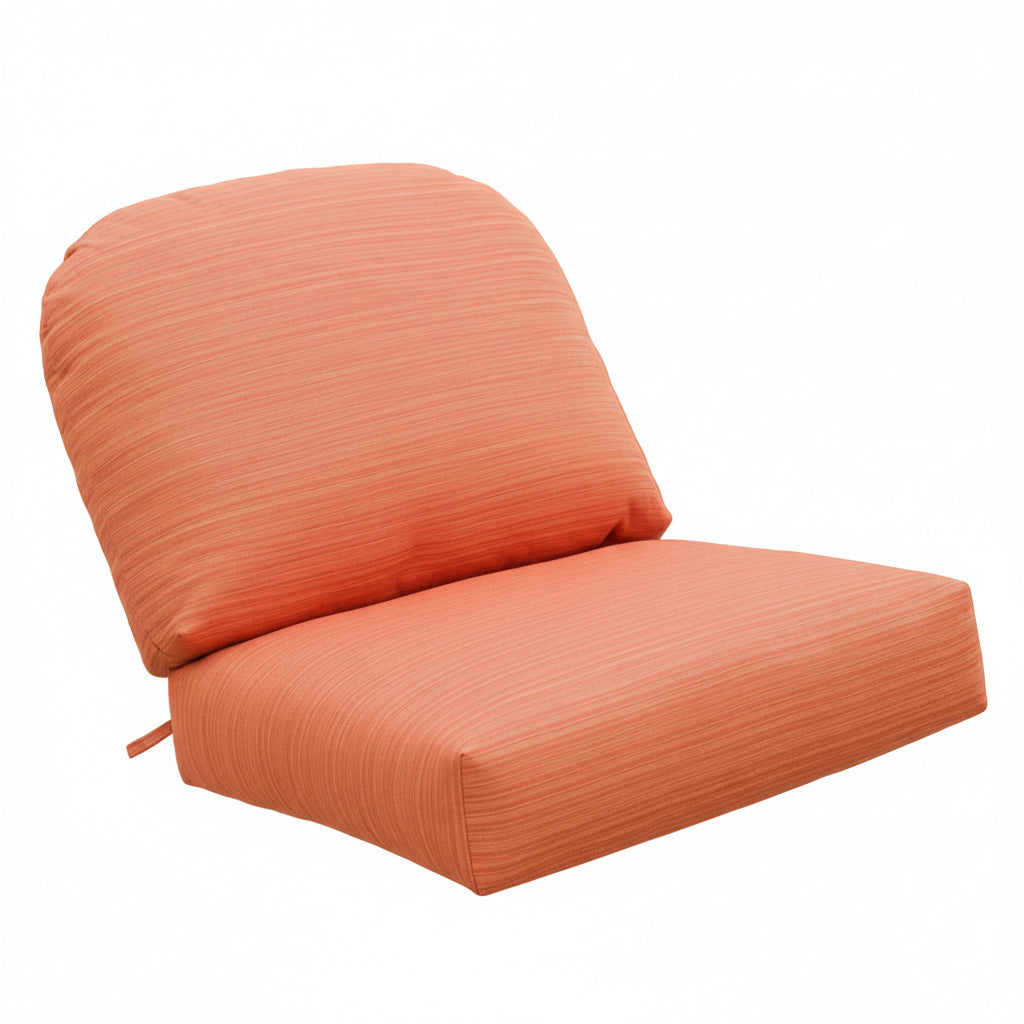
Patterns and colors create the mood of your outdoor area. Light colors keep cushions cool but may show dirt more. Dark colors hide stains but absorb heat. Simple patterns add style without overwhelming the space. Pick colors that match your outdoor furniture and surroundings. This creates a pleasant, inviting look.
Credit: modernwicker.com
Sewing New Cushion Covers
Sewing new cushion covers can refresh your outdoor furniture. It lets you choose colors and fabrics that match your style. Making covers yourself saves money and ensures a perfect fit. You only need basic sewing skills and some tools.
Start by measuring your cushions carefully. Cut fabric pieces with extra space for seams. Pin the pieces together before sewing. This keeps fabric from shifting. Sewing straight lines helps create neat covers.
Basic Sewing Techniques
Use a sewing machine or hand sew with a needle and thread. Start with a simple straight stitch. Sew two fabric pieces right sides together. Leave one side open for inserting the cushion. Backstitch at the beginning and end to secure stitches. Trim excess fabric to reduce bulk. Turn the cover right side out before finishing.
Adding Zippers Or Velcro
Zippers make covers easy to remove and wash. Choose a zipper length matching the open side. Pin the zipper in place along the edge. Sew slowly for smooth attachment. Velcro is a simple alternative. Sew one side of Velcro to fabric edge. Attach the matching side to the opposite edge. Velcro allows quick opening and closing without a machine.
Assembling New Cushions
Assembling new cushions for outdoor furniture is a simple task that refreshes your seating. It helps keep your furniture comfortable and looking good. Follow clear steps to put foam and covers together. This process gives your cushions a neat, polished look.
Inserting Foam
Start by choosing the right foam size for your cushion cover. Slide the foam carefully inside the cover. Push it gently into the corners to avoid wrinkles. Make sure the foam fills the cover fully. This step shapes the cushion and adds comfort.
Securing Covers
Once the foam is inside, close the cover’s zipper or fastener. Check that the cover fits snugly around the foam. Smooth out any folds or bumps on the surface. Secure fasteners tightly to keep foam in place. Proper sealing protects the foam from dirt and weather.
Maintaining Outdoor Cushions
Outdoor cushions add comfort and style to your patio or garden seating. Keeping them clean and well-stored extends their life. Proper care prevents damage from sun, rain, and dirt. Follow easy steps to maintain your cushions and enjoy them longer.
Cleaning Tips
Remove loose dirt by brushing or shaking the cushions. Use a mild soap mixed with water for stains. Gently scrub the fabric with a soft brush or cloth. Rinse thoroughly with clean water to remove soap. Let cushions dry completely in the sun before use. Avoid harsh chemicals that may damage fabric or color.
Storage Advice
Store cushions in a dry, cool place during bad weather. Use breathable storage bags or containers to prevent moisture buildup. Avoid stacking heavy items on top of cushions. Keep cushions off the ground to stop mold and mildew. Regularly check stored cushions for dampness or pests. Proper storage keeps cushions fresh and ready for use.

Credit: www.ohanawickerfurniture.com
Frequently Asked Questions
How Do I Measure Cushions For Outdoor Furniture?
Measure the length, width, and thickness of your current cushions. Use a tape measure for accuracy. Record all dimensions to ensure the new cushions fit perfectly and provide maximum comfort.
What Materials Are Best For Outdoor Cushion Covers?
Choose weather-resistant fabrics like Sunbrella or polyester blends. These materials resist fading, moisture, and mildew. They provide durability and comfort for outdoor use.
How Do I Remove Old Cushions Safely?
Check for ties or Velcro holding the cushions in place. Gently unfasten these attachments without tearing fabric. Lift cushions carefully to avoid damage to the furniture frame.
Can I Customize Outdoor Cushions At Home?
Yes, you can sew custom covers using outdoor fabric. Use foam padding for cushion filling. This allows you to match your style and improve comfort.
Conclusion
Replacing cushions for outdoor furniture is simple and rewarding. Choose cushions that fit your style and comfort needs. Measure carefully before buying new ones to avoid mistakes. Clean your furniture before placing the new cushions. Store cushions properly when not in use to keep them fresh.
This small change can brighten your outdoor space. Enjoy relaxing with fresh, comfy cushions all season long.