Are you ready to transform your outdoor space with beautiful, long-lasting furniture? Before you set up your chairs and tables outside, it’s crucial to prepare them properly.
Without the right care, your furniture can quickly fade, crack, or get damaged by sun, rain, and wind. But don’t worry—this guide will show you simple, effective steps to protect your pieces and keep them looking great season after season.
Keep reading, and you’ll discover easy tips that save you time, money, and frustration while turning your outdoor area into a cozy, inviting spot.
Choose Weather-resistant Materials
Choosing weather-resistant materials is key to long-lasting outdoor furniture. These materials stand up well to rain, sun, and wind. They need less care and keep looking good through all seasons.
Outdoor furniture faces harsh conditions. Picking the right material helps protect your investment. It also keeps your space comfortable and stylish.
Best Wood Types For Outdoors
Some woods resist weather better than others. Teak is very strong and naturally oily. It does not rot or crack easily.
Cedar also works well outside. It has natural oils that fight bugs and decay. Redwood is another good choice. It resists moisture and stays stable.
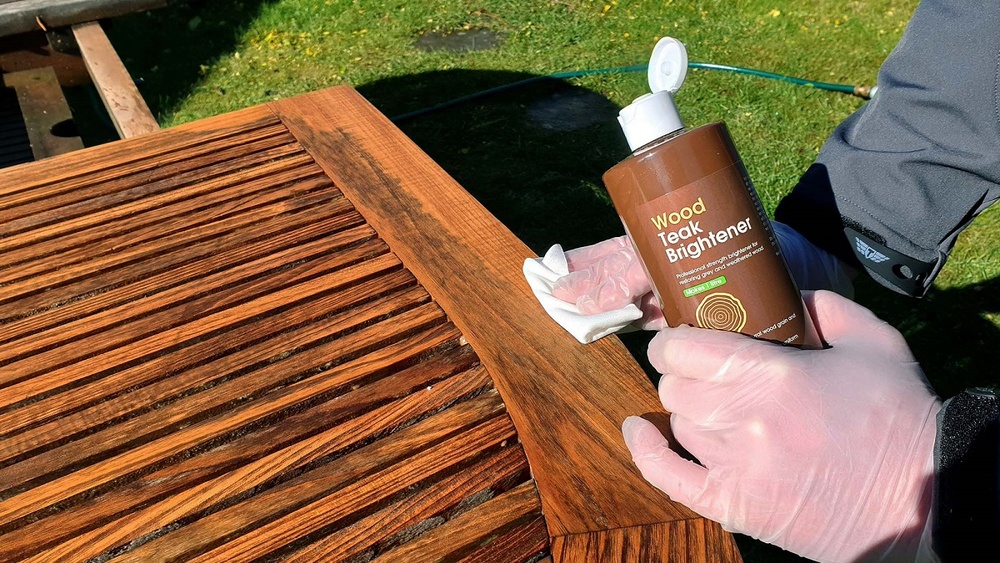
Use wood with a smooth finish. Apply sealant to protect it further. This keeps furniture looking fresh for years.
Metal Furniture And Rust Prevention
Metal furniture is sturdy and stylish. Aluminum resists rust and is lightweight. Steel is strong but can rust over time.
Choose powder-coated steel to prevent rust. This coating adds a tough layer to metal. Regular cleaning removes dirt that may cause damage.
Check joints and screws often. Tighten or replace them to keep furniture safe and stable.
Durable Synthetic Options
Synthetic materials need less maintenance than wood or metal. Resin wicker is flexible and weatherproof. It does not fade or crack easily.
Plastic furniture is light and affordable. Look for UV-protected options to avoid sun damage. Synthetic fabrics like solution-dyed acrylic dry fast and resist mold.
These materials offer comfort and long life with minimal care.
Credit: www.keoutdoordesign.com
Clean Furniture Thoroughly
Cleaning outdoor furniture is the first step to keep it looking good. Dirt, dust, and stains can damage the material over time. Thorough cleaning helps protect your furniture and extends its life. Start with a gentle approach to avoid harm. Use the right tools and cleaners for the best results.
Removing Dirt And Debris
Begin by brushing off loose dirt and leaves. Use a soft brush or cloth to avoid scratches. Pay attention to corners and crevices where dirt hides. For stubborn dirt, rinse with water before scrubbing. Avoid high-pressure water that can damage delicate surfaces.
Using Mild Cleaners
Choose gentle cleaners that suit your furniture’s material. Mix mild soap with warm water for a safe cleaning solution. Use a soft cloth or sponge to wash surfaces gently. Rinse well with clean water to remove soap residue. Dry furniture with a towel to prevent water spots.
Dealing With Mold And Mildew
Mold and mildew often grow in damp, shaded areas. Use a mixture of water and white vinegar to clean affected spots. Apply the solution with a soft cloth and scrub gently. Rinse thoroughly to remove all traces of mold. Allow furniture to dry completely in the sun to stop mold from returning.
Apply Protective Finishes
Applying protective finishes is a key step in preparing furniture for outdoor use. These finishes shield your furniture from rain, sun, and dirt. They also help keep the wood looking fresh and strong for years. Choosing the right finish and applying it well protects your investment and saves time on repairs.
Types Of Sealants And Varnishes
Sealants and varnishes come in many forms. Clear sealants protect wood without changing its color. They stop water from soaking in and reduce cracking. Varnishes add a shiny or matte coat on top. They guard against sun damage and wear. Some finishes include UV blockers for extra sun protection. Oil-based finishes soak deep, while water-based ones dry faster and have less odor.
How To Apply Finishes Correctly
Start by cleaning the furniture thoroughly. Sand rough spots to create a smooth surface. Use a brush or cloth to apply the finish evenly. Follow the wood grain for best results. Apply thin coats rather than thick ones. Let each coat dry fully before adding another. Work in a well-ventilated area to avoid fumes. Avoid applying finishes in direct sunlight or on hot days.
Reapplying For Long-term Protection
Protective finishes wear down over time. Check your furniture each season for signs of damage. Reapply the finish if the surface looks dull or dry. Clean and sand lightly before adding a new coat. Regular reapplication keeps the wood sealed and strong. This simple step extends your furniture’s life outdoors.
Credit: www.youtube.com
Cover Furniture Properly
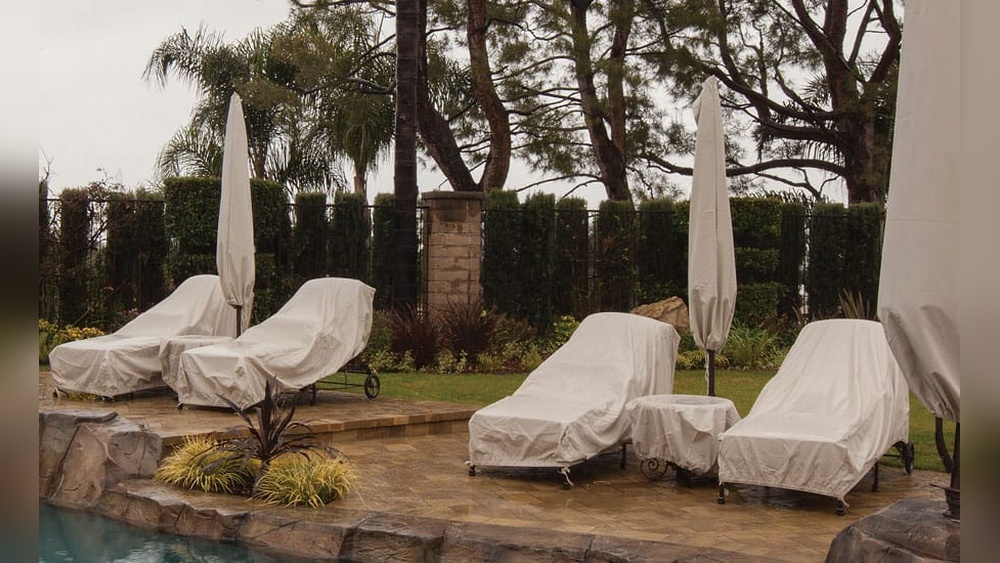
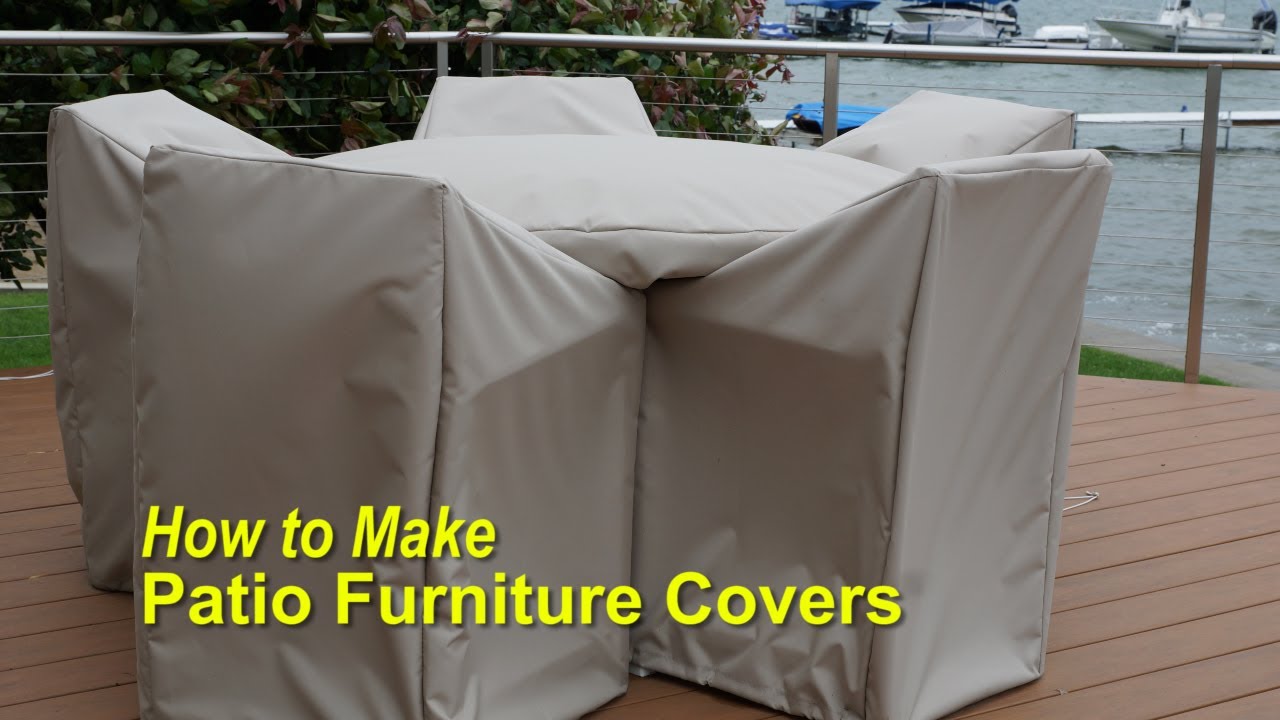
Covering outdoor furniture properly protects it from weather damage. It prevents dirt, rain, and sun from harming your pieces. Using the right covers keeps furniture looking new for years. Proper covering also stops mold and rust from forming. Let’s explore how to choose, secure, and store covers effectively.
Choosing The Right Covers
Select covers made of strong, waterproof material. Look for breathable fabric to stop moisture buildup. Choose covers that fit your furniture well. Avoid covers that are too tight or too loose. A good fit keeps covers from blowing off in wind. Dark colors hide stains better but may absorb heat. Light colors reflect sunlight and reduce heat damage.
Tips For Secure Covering
Secure covers with straps or elastic hems. Use bungee cords or clips for extra hold. Make sure covers reach the ground to block dust. Check covers regularly for tears or holes. Fix small damages quickly to keep protection strong. Remove covers during heavy windstorms to avoid damage. Always dry furniture before covering to prevent mold.
Storage Solutions For Covers
Store covers in a dry, cool place after use. Fold them neatly to avoid wrinkles and damage. Use a storage bag or box to keep covers clean. Avoid storing covers in direct sunlight or damp areas. Label storage containers for easy finding next season. Clean covers before storing to remove dirt and debris. Proper storage extends the life of your covers.
Store Furniture During Harsh Weather
Storing outdoor furniture during harsh weather protects it from damage. Rain, snow, and wind can cause wear and tear. Proper storage extends the life of your furniture. It also keeps it clean and ready for use.
Indoor Storage Options
Placing furniture inside your home is the best protection. Spare rooms, basements, or closets work well. Cover pieces with cloth or plastic to avoid dust. Ensure the storage area is dry to prevent mold.
Using Sheds And Garages
Sheds and garages offer good shelter from the elements. Keep furniture away from damp floors by using pallets. Use breathable covers for extra protection. Make sure the space is well-ventilated to reduce moisture buildup.
Elevating Furniture Off The Ground
Lift furniture off wet or cold ground to stop damage. Use blocks, pallets, or shelves to raise items. This prevents water from soaking into legs and cushions. Elevation also helps air circulate, reducing mold and rust risks.
Maintain Regular Care
Maintaining regular care for outdoor furniture keeps it strong and looking good. This care helps prevent damage from weather and daily use. It also extends the furniture’s life and saves money over time. Simple, consistent actions make a big difference in keeping your furniture fresh and ready to use.
Routine Cleaning Schedule
Clean your outdoor furniture at least once a month. Use mild soap and water to remove dirt and dust. Avoid harsh chemicals that can damage finishes. Rinse well and let the furniture dry completely. Regular cleaning stops mold and stains from building up.
Inspecting For Damage
Check your furniture regularly for cracks, rust, or loose parts. Look closely at joints and screws. Early detection helps you fix small problems before they get worse. Pay attention after storms or heavy use. This step keeps your furniture safe and stable.
Touch-up Repairs
Fix scratches, chips, or small rust spots quickly. Use paint or sealant made for outdoor furniture. Tighten loose screws and replace broken parts. Small repairs keep your furniture looking neat and prevent bigger damage. Regular touch-ups save time and money in the long run.

Credit: www.coverstore.com
Frequently Asked Questions
How Do I Clean Furniture Before Outdoor Use?
Clean furniture by removing dust and dirt with a soft brush or cloth. Use mild soap and water for stains. Rinse and dry completely to avoid moisture damage. Proper cleaning prepares the surface for protection and extends furniture life outdoors.
What Protective Coatings Work Best For Outdoor Furniture?
Use sealants, varnishes, or outdoor paint to protect furniture. Choose products designed for weather resistance and UV protection. Apply evenly and allow drying as per instructions. Protective coatings prevent damage from moisture, sun, and pests.
How To Prevent Wood Furniture From Outdoor Damage?
Apply a high-quality wood sealant or outdoor oil regularly. Cover furniture when not in use and avoid direct ground contact. Store indoors during harsh weather. These steps help maintain wood’s strength and appearance.
Can I Leave Metal Furniture Outside Year-round?
Metal furniture can rust if exposed to moisture continuously. Use rust-resistant paint or coatings for protection. Cover during rain and snow or store indoors in winter. Proper care prolongs metal furniture’s outdoor durability.
Conclusion
Preparing your furniture for outdoor use protects it from weather damage. Clean and dry each piece before moving it outside. Apply sealants or covers to keep moisture and dirt away. Store cushions in a dry place when not in use.
Regular care helps your furniture last longer and look good. Enjoy your outdoor space with confidence and comfort. Taking these simple steps saves time and money later. Your furniture will stay strong through sun, rain, and wind. Keep it ready for every season with easy maintenance.