Choosing the right material for your outdoor furniture can make all the difference in how your space looks and feels. You want something that not only matches your style but also stands up to the weather and lasts for years.
But with so many options out there, it’s easy to feel overwhelmed. What if you pick the wrong material and end up with furniture that fades, cracks, or breaks too soon? Keep reading, and you’ll discover which materials offer the best mix of durability, comfort, and beauty—so you can make the smartest choice for your outdoor space.
Choosing Outdoor Furniture Materials
Choosing the right material for outdoor furniture is important for comfort and durability. Outdoor furniture faces sun, rain, wind, and dirt daily. Picking a strong material helps your furniture last longer and look good.
Different materials offer different benefits. Some are light and easy to move. Others need less care but weigh more. Understanding these options helps you pick the best fit for your outdoor space.
Wood: Natural Beauty And Strength
Wood offers a warm, natural look for outdoor furniture. Teak and cedar resist water and insects well. They can last many years with simple care. Wood needs occasional sealing or oiling to stay strong. It may fade or crack if not cared for.
Metal: Durable And Modern
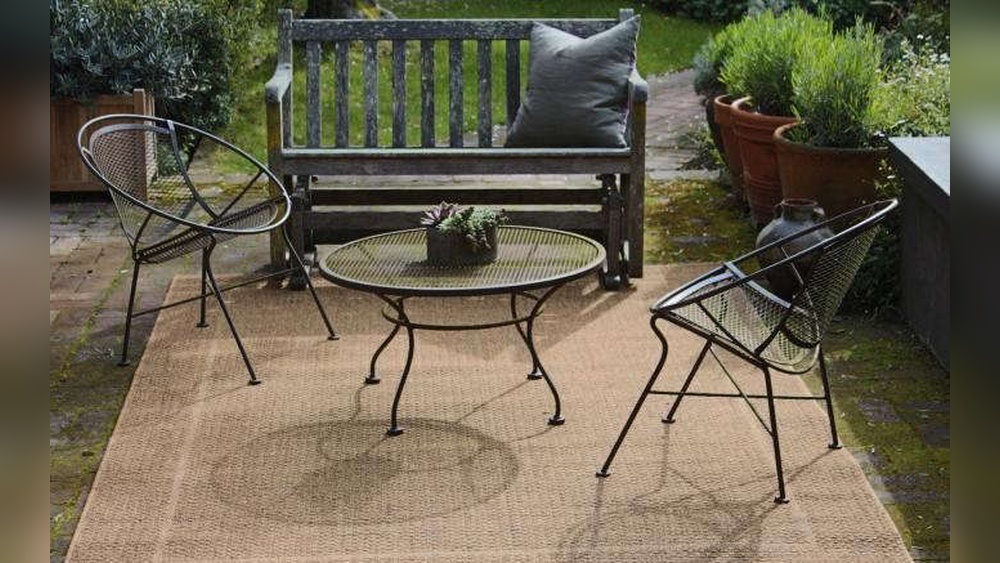
Metal furniture is strong and lasts a long time. Aluminum is light and won’t rust. Steel is heavier but very tough. Metal often comes with a protective coating. This helps stop rust and damage from weather. Metal suits modern and classic outdoor spaces.
Plastic And Resin: Easy And Affordable
Plastic and resin furniture is light and easy to clean. These materials resist water and stains well. They do not need painting or sealing. Plastic can fade under strong sun over time. Resin is more durable and looks like wood or metal.
Wicker And Rattan: Stylish And Comfortable
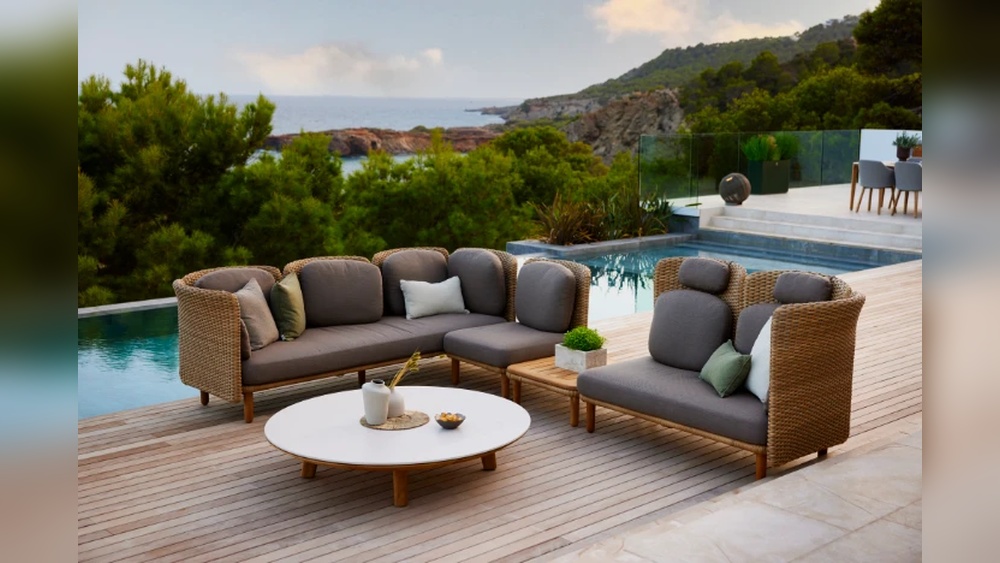
Wicker and rattan add a cozy feel to outdoor areas. Synthetic versions resist rain and sun damage. Natural rattan looks beautiful but needs shelter from rain. These materials are often paired with soft cushions. Cushions add comfort but need to be stored when wet.
Choosing Based On Climate And Use
Think about your local weather before choosing material. Wet climates need water-resistant furniture. Sunny places require UV-resistant materials. Also, consider how often you will use the furniture. Heavy use needs strong and easy-care materials. This keeps your outdoor space inviting and fresh.
Wood Materials
Wood is a popular choice for outdoor furniture. It offers a natural look and feels warm. Wood materials can handle outdoor conditions well. Some woods resist water and insects better than others. Choosing the right wood helps your furniture last longer.
Teak
Teak is a strong, durable wood. It has natural oils that protect it from rain and bugs. This wood stays sturdy even in harsh weather. Over time, teak changes to a nice silver-gray color. It needs little care to keep its strength.
Cedar
Cedar wood smells good and resists insects. It is light and easy to move. Cedar does well in wet places. The color ranges from light brown to reddish tones. Regular sealing helps cedar keep its look longer.
Eucalyptus
Eucalyptus wood is hard and dense. It resists rot and decay well. This wood is often more affordable than teak. It has a smooth texture and rich color. Treat eucalyptus with oil to keep it strong.
Acacia
Acacia is a fast-growing hardwood. It is tough and water-resistant. This wood has a deep, warm color. Acacia furniture looks great in any garden. Applying a sealant helps protect it from weather damage.
Metal Materials
Metal materials are popular for outdoor furniture. They offer strength and last a long time. Metals handle weather well and add style to any patio or garden. Each metal type has its own look and care needs. Choose the best metal based on your outdoor space and taste.
Aluminum
Aluminum is light and easy to move. It does not rust, even in rain. This metal needs little care to stay nice. Aluminum furniture often has a modern look. It works well in windy places because it is light.
Wrought Iron
Wrought iron is very strong and heavy. It shows classic, elegant designs that last for years. This metal can rust if not cared for. Painting it every few years keeps it safe. Wrought iron fits well in vintage or traditional settings.
Steel
Steel is tougher and heavier than aluminum. It can resist dents and scratches better. Steel furniture often has a sleek, modern style. Without a good finish, steel can rust outside. Choose powder-coated steel for better weather protection.
Plastic And Synthetic Materials
Plastic and synthetic materials are popular choices for outdoor furniture. They resist water, sun, and dirt well. These materials require little care and last a long time. They also come in many styles and colors. Perfect for patios, gardens, and balconies.
Polypropylene
Polypropylene is a strong, lightweight plastic. It does not fade or crack in sunlight. It feels smooth and is easy to clean. Polypropylene chairs and tables often stack for easy storage. This plastic is budget-friendly and durable.
Resin Wicker
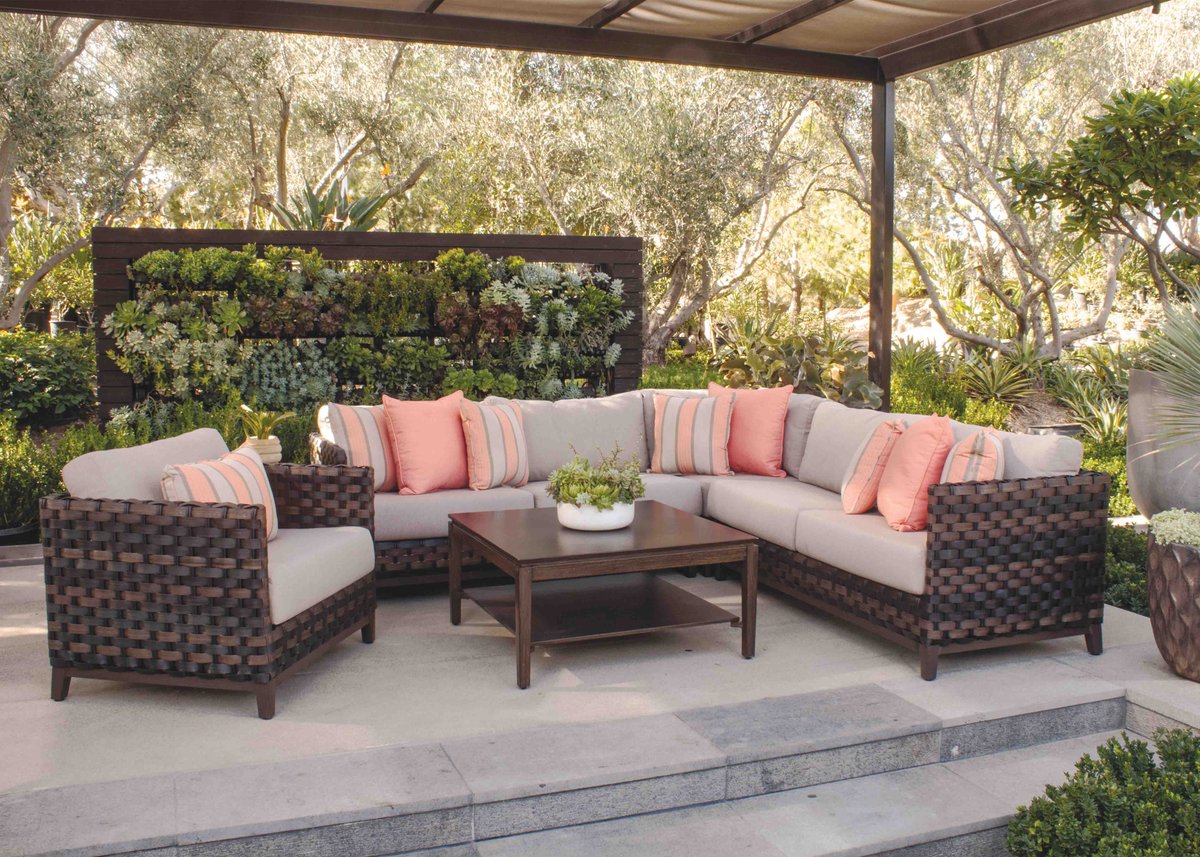
Resin wicker looks like natural rattan but is made from plastic. It is flexible and weaves tightly to form furniture. Resin wicker handles rain and sun without damage. It stays cool in the heat and does not splinter. A stylish choice with a natural look.
Recycled Plastics
Recycled plastics use old bottles and containers to make furniture. This helps reduce waste and protect the earth. These pieces are tough and weatherproof. They often mimic wood or stone finishes. A smart, eco-friendly option for outdoor spaces.
Fabric Options
Choosing the right fabric for outdoor furniture is key to comfort and durability. Fabrics face sun, rain, and dirt every day. The best choices resist fading, dry quickly, and feel soft. Here are three popular fabric options for outdoor use.
Sunbrella
Sunbrella is a top choice for outdoor furniture. It resists fading from strong sunlight. The fabric dries fast after rain. It also stops mold and mildew growth. Sunbrella feels soft but is very tough. It comes in many colors and patterns.
Olefin
Olefin is strong and light. It holds color well under the sun. The fabric dries quickly and resists stains. Olefin is also easy to clean. It works well for cushions and covers. This fabric stays comfortable in all weather.
Polyester
Polyester is common for outdoor fabrics. It is affordable and resists wrinkles. Polyester dries fast and holds color. It can resist mold if treated properly. This fabric offers good comfort and style. Polyester fits many outdoor furniture styles.
Credit: vevano.com
Durability Factors
Choosing the right material for outdoor furniture means thinking about durability. Outdoor pieces face many challenges every day. Rain, sun, wind, and dirt can harm furniture fast. Durability depends on how well a material stands up to these factors. This section explains key points to consider for lasting outdoor furniture.
Weather Resistance
Outdoor furniture must resist rain, snow, and heat. Some materials absorb water and swell. Others crack under freezing temperatures. Weather-resistant materials keep their shape and strength over time. They avoid warping or rotting, even in wet conditions.
Maintenance Needs
Durable furniture should need little care. Materials that clean easily save time. Some require special oils or paint to protect them. Others stay nice with just soap and water. Low-maintenance furniture lasts longer and looks better.
Uv Protection
Sunlight can fade colors and weaken materials. UV protection helps furniture keep its look. Some materials have built-in UV blockers. Others need coatings to prevent sun damage. UV-resistant furniture stays bright and strong in sunlight.
Rust And Corrosion
Metal furniture faces rust and corrosion risks. Salt air near the ocean speeds up rusting. Proper coatings or rust-resistant metals avoid damage. Furniture that resists rust lasts many years outdoors. Check if the metal has protective layers for outdoor use.
Style And Comfort Considerations
Choosing the right material for outdoor furniture affects both style and comfort. The material shapes the look and feel of your outdoor space. It also impacts how comfortable your furniture will be for relaxing and socializing. Consider design trends, color choices, and cushioning to create a balanced and inviting area.
Design Trends
Modern outdoor furniture often features clean lines and simple shapes. Natural materials like wood and rattan bring warmth and charm. Metal pieces offer a sleek, contemporary look. Mixing materials can create unique styles. Keep the design consistent with your outdoor space theme. Minimalist styles remain popular for their timeless appeal.
Color Choices
Neutral colors blend well with nature and last longer without fading. Earth tones like brown, green, and beige give a calm, cozy feel. Bright colors add energy and fun to the space. Consider how colors match your home’s exterior and garden. Light colors can make small spaces feel larger. Dark colors hide dirt and stains better.
Cushioning And Support
Comfort depends on good cushioning and strong support. Look for cushions with weather-resistant fabric to prevent mold and fading. Foam padding should be thick enough to sit on for hours. Removable cushions make cleaning easier. Chairs need sturdy frames to hold weight safely. Test seating to ensure it supports your back well.

Credit: www.amazon.com
Budget And Sustainability
Choosing the right material for outdoor furniture means thinking about budget and sustainability. Both affect your wallet and the planet. Balancing cost with eco-friendly choices helps you make smart decisions. Durable materials save money over time. Green options protect nature for future use.
Cost Comparison
Outdoor furniture comes in many materials with different prices. Plastic and aluminum often cost less upfront. Wood and wrought iron tend to be pricier. Synthetic wicker falls in the middle. Cheaper materials may need more repairs. Higher cost items can last longer. Consider both price and quality before buying.
Eco-friendly Materials
Natural wood from well-managed forests is a green choice. Bamboo grows fast and renews quickly. Recycled metal and plastic reduce waste and energy use. Avoid furniture with harmful chemicals or coatings. Look for certifications showing sustainable sourcing. Eco-friendly materials help reduce pollution and landfill waste.
Longevity And Value
Durable furniture lasts many seasons with little upkeep. Teak and cedar resist weather well and age nicely. Metal frames often endure harsh conditions. Longer lasting pieces save money and resources. Investing in quality means fewer replacements. This adds real value beyond the initial cost.
Caring For Outdoor Furniture
Caring for outdoor furniture helps keep it looking good and lasting longer. Weather, dirt, and use can cause damage over time. Simple care steps protect your investment and save money on replacements. Clean furniture looks fresh and invites you to relax outdoors. Regular upkeep prevents rust, fading, and wear. Follow these tips to keep your outdoor pieces in great shape year-round.
Cleaning Tips
Use mild soap and water for most materials. Avoid harsh chemicals that can damage finishes. Soft brushes or cloths remove dirt without scratching. Rinse thoroughly to avoid soap residue. Clean cushions with fabric-safe cleaners. Let furniture dry completely before use or storage.
Storage Solutions
Store furniture in a dry, covered place during bad weather. Use furniture covers made for outdoor use. Avoid plastic covers that trap moisture. Stack chairs and tables carefully to prevent scratches. Store cushions indoors to keep them dry and mold-free. Proper storage reduces weather damage and prolongs life.
Seasonal Maintenance
Inspect furniture for rust, cracks, or loose parts each season. Tighten screws and bolts as needed. Sand and repaint metal surfaces to prevent rust. Apply protective sealants to wood and metal. Clean and dry cushions thoroughly before storing. Seasonal checks keep furniture safe and comfortable for use.
Credit: blog.watsons.com
Frequently Asked Questions
What Are The Best Materials For Outdoor Furniture?
The best materials for outdoor furniture include teak, aluminum, and synthetic wicker. These materials resist weather, require low maintenance, and last long. They offer durability, comfort, and style for your outdoor spaces.
How Does Weather Affect Outdoor Furniture Materials?
Weather impacts outdoor furniture by causing rust, fading, or cracking. Materials like teak and aluminum withstand rain and sun better. Choosing weather-resistant materials ensures your furniture stays durable and attractive year-round.
Is Maintenance Important For Outdoor Furniture Materials?
Yes, maintenance is crucial. Proper care extends furniture life and keeps it looking new. Teak needs oiling, aluminum requires cleaning, and wicker benefits from protective sprays. Regular upkeep prevents damage from weather and wear.
Are Synthetic Materials Good For Outdoor Furniture?
Synthetic materials like resin wicker and plastic are excellent for outdoor use. They resist moisture, UV rays, and insects. They are lightweight, affordable, and easy to clean, making them practical choices for outdoor settings.
Conclusion
Choosing the right material for outdoor furniture matters a lot. It affects comfort, style, and how long it lasts. Think about weather, maintenance, and budget before buying. Materials like wood, metal, and plastic each have pros and cons. Your choice should fit your needs and outdoor space.
Good furniture can make your outdoor time better. Take your time and pick what works best for you. Enjoy your outdoor area with furniture that suits your life.