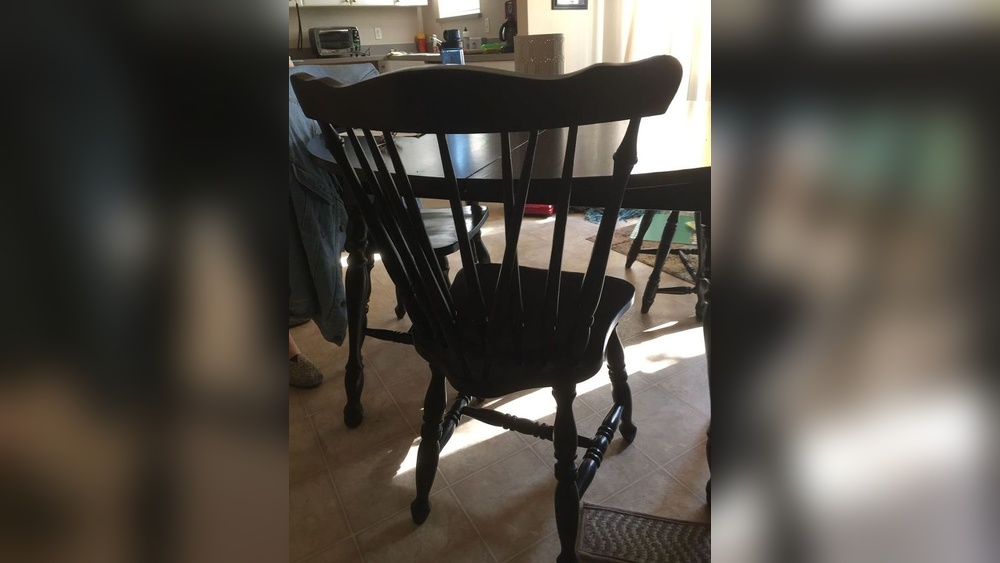
Are you wondering how to give your indoor furniture a fresh new life outdoors? Painting indoor furniture for outdoor use is a smart way to save money and add a personal touch to your patio or garden.
But it’s not as simple as grabbing any paint and brushing it on. You need the right steps to protect your furniture from weather damage while making it look amazing. You’ll discover easy and effective tips to transform your indoor pieces into durable outdoor favorites.
Keep reading, and you’ll learn exactly how to make your furniture last longer and stand out under the sun and rain.
Choosing The Right Furniture
Choosing the right indoor furniture for outdoor use is key. Not all furniture can handle outdoor conditions well. Picking the right piece ensures your project lasts longer and looks great outside. Take time to find furniture that can adapt to weather changes and wear.
Selecting Suitable Materials
Start with furniture made from solid wood, metal, or plastic. These materials stand up better to rain and sun. Avoid soft woods like pine or furniture with fabric cushions that absorb water. Look for pieces with smooth surfaces to make painting easier. Materials that resist moisture help prevent damage and peeling paint.
Evaluating Furniture Condition
Check the furniture for cracks, loose joints, or rot. Repair any damage before painting. Broken parts weaken the structure and reduce durability outside. Sand rough spots to create a smooth base for paint. Good condition means the paint will stick better and last longer outdoors.
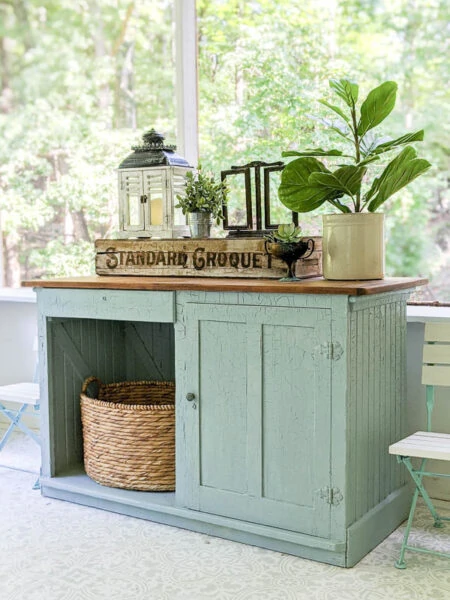
Credit: www.lovelyetc.com
Preparing The Furniture
Preparing indoor furniture for outdoor use is a key step before painting. It helps protect the wood and metal against weather. Proper preparation makes the paint last longer. It also improves the look of the furniture.
Cleaning And Sanding
Start by cleaning the furniture well. Remove dust, dirt, and grease using soap and water. Let it dry completely. Sand the surface with medium-grit sandpaper. Sanding removes old paint and smooths rough spots. Wipe off sanding dust with a damp cloth.
Repairing Damages
Check the furniture for cracks or holes. Use wood filler or putty to fix small damages. For metal parts, remove rust with a wire brush. Replace broken parts if needed. Let fillers dry and sand smooth before painting.
Priming For Outdoors
Choose a primer made for outdoor use. It seals the surface and blocks moisture. Apply a thin, even coat over the entire piece. Allow the primer to dry fully. This step improves paint adhesion and protects the furniture.
Picking Outdoor Paint
Choosing the right paint is key for turning indoor furniture into outdoor pieces. Outdoor paint protects furniture from rain, sun, and changes in temperature. It also helps furniture last longer and look good outside.
Types Of Paints For Outdoor Use
Oil-based paint is strong and water-resistant. It sticks well to wood and metal. This paint takes longer to dry but offers great protection.
Latex paint is water-based and dries fast. It is easy to clean with soap and water. Latex paint resists fading and cracking in sunlight.
Acrylic paint is a type of latex paint with added durability. It works well on many surfaces and holds color longer. Acrylic paint is a popular choice for outdoor furniture.
Color And Finish Choices
Choose colors that match your outdoor space and style. Light colors reflect sunlight and keep furniture cooler.
Dark colors absorb heat but hide stains better. Consider the climate and exposure of your furniture.
Glossy finishes shine and make cleaning easier. Matte finishes hide scratches and give a natural look.
Satin finishes balance shine and durability. They work well for most outdoor furniture pieces.
Painting Techniques
Painting indoor furniture for outdoor use needs special techniques. These ensure the paint sticks well and lasts long. Proper painting protects furniture from weather damage and keeps it looking good.
Follow these painting steps to make your furniture strong and beautiful outside.
Applying Paint Evenly
Start with clean, dry furniture. Use a good brush or roller for smooth paint. Apply paint in thin layers to avoid drips and bubbles. Paint in one direction for a uniform finish. Take your time to cover all corners and edges well.
Layering And Drying Times
Apply multiple thin coats rather than one thick coat. Let each layer dry completely before the next. Drying times depend on paint type and weather. Waiting helps paint stick better and prevents peeling. Usually, wait at least 2 hours between coats.
Using Protective Coatings
Seal the paint with a clear protective coating. Choose a coating made for outdoor use. This adds a waterproof layer to fight rain and sun. Apply the coating evenly over the dry paint. Reapply every year for best protection and shine.
Maintaining Painted Furniture
Maintaining painted furniture used outdoors is important to keep it looking good and lasting longer. Outdoor conditions can wear down the paint and the material underneath. Regular care helps protect your furniture from sun, rain, and dirt. This section shares simple ways to keep your painted furniture in top shape for years.
Cleaning Tips For Longevity
Clean the furniture often to remove dirt and dust. Use a soft cloth or sponge with mild soap and water. Avoid harsh chemicals or abrasive cleaners that can damage the paint. Rinse with clean water and dry with a soft towel. Do not let water sit on the surface for too long. Regular cleaning stops dirt from building up and breaking down the paint.
Touch-up And Repair
Check the furniture for chips or cracks in the paint. Fix small spots quickly to stop damage from spreading. Lightly sand the area before applying new paint. Use the same type and color of paint for touch-ups. Allow the paint to dry completely before using the furniture again. Repairing early keeps the furniture strong and looking fresh.

Credit: www.youtube.com
Common Mistakes To Avoid
Painting indoor furniture for outdoor use can extend its life and improve its look. Mistakes in this process can cause damage and shorten durability. Avoiding common errors helps ensure the furniture stays strong and attractive.
Many people skip important preparation steps. This leads to poor paint adhesion and peeling. Others use the wrong type of paint or finish. These errors expose furniture to weather damage quickly.
Skipping Proper Cleaning And Sanding
Paint sticks best to clean, smooth surfaces. Dirt, grease, and old finish block paint from sticking. Sanding roughs the surface for better grip. Skipping these steps causes paint to peel or chip fast.
Using Indoor Paint Instead Of Outdoor Paint
Indoor paint is not made to handle rain, sun, or temperature changes. Outdoor paint has special chemicals to resist weather. Using indoor paint outside causes fading, cracking, and peeling.
Not Applying A Primer
Primer helps paint stick and protects the wood. Skipping primer can make paint peel or bubble. Primer also blocks stains and prevents wood damage.
Applying Too Many Or Too Few Coats
Too few coats leave furniture unprotected. Paint wears off quickly. Too many coats cause cracking and uneven surfaces. Follow paint label instructions for best results.
Ignoring Drying Times Between Coats
Paint needs time to dry before the next coat. Rushing this step traps moisture and causes bubbles. Wait the recommended time for smooth, durable paint.
Forgetting To Seal The Paint
Sealer adds extra protection against water and sun. Without it, paint fades and chips fast. Use a clear outdoor sealer to keep paint fresh longer.
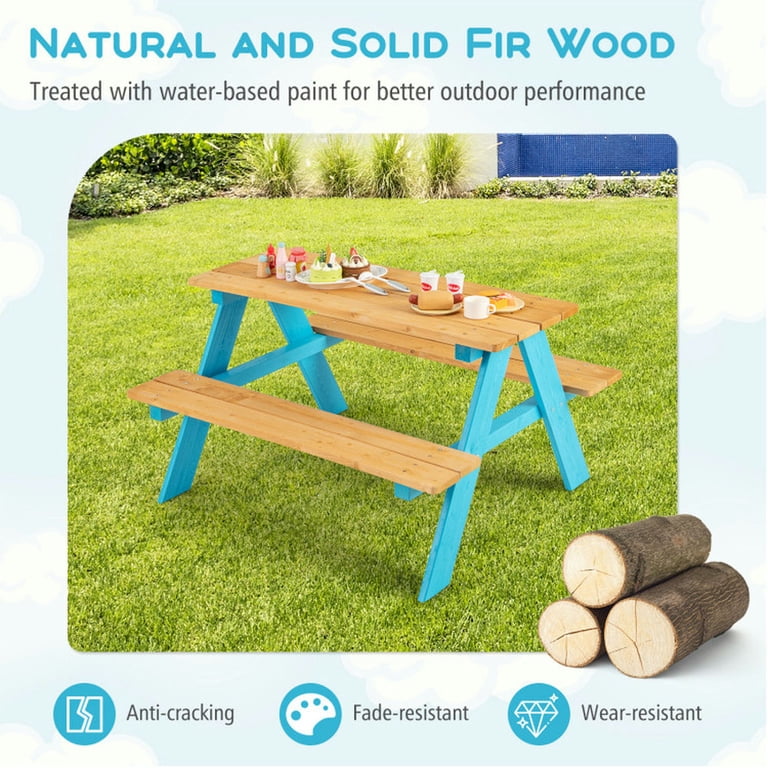
Credit: www.walmart.com
Frequently Asked Questions
How Do I Prepare Indoor Furniture For Outdoor Painting?
Start by cleaning the furniture thoroughly to remove dirt. Sand the surface to ensure paint adhesion. Use a primer suitable for outdoor use. This preparation helps paint last longer and withstand weather conditions.
What Type Of Paint Is Best For Outdoor Furniture?
Use exterior-grade paint designed for outdoor use. Acrylic latex paint is durable and resists fading. It withstands moisture and UV rays well. This ensures your furniture stays vibrant and protected outdoors.
Can I Use Regular Indoor Paint On Outdoor Furniture?
No, regular indoor paint lacks weather resistance. It can peel, crack, or fade quickly when exposed outdoors. Always use paint formulated for outdoor durability to protect your furniture effectively.
How Many Coats Of Paint Should I Apply?
Apply at least two coats of paint for even coverage. Allow each coat to dry completely before applying the next. Multiple coats improve durability and protection against outdoor elements.
Conclusion
Painting indoor furniture for outdoor use protects it from weather damage. Choose the right paint and primer for durability. Take time to prepare the surface well before painting. Apply several coats for better coverage and strength. Allow each layer to dry completely to avoid peeling.
This simple process helps your furniture last longer outside. Enjoy fresh, stylish pieces in your garden or patio. You can save money by reusing indoor furniture outdoors. With care, your painted furniture will stay beautiful through all seasons.


