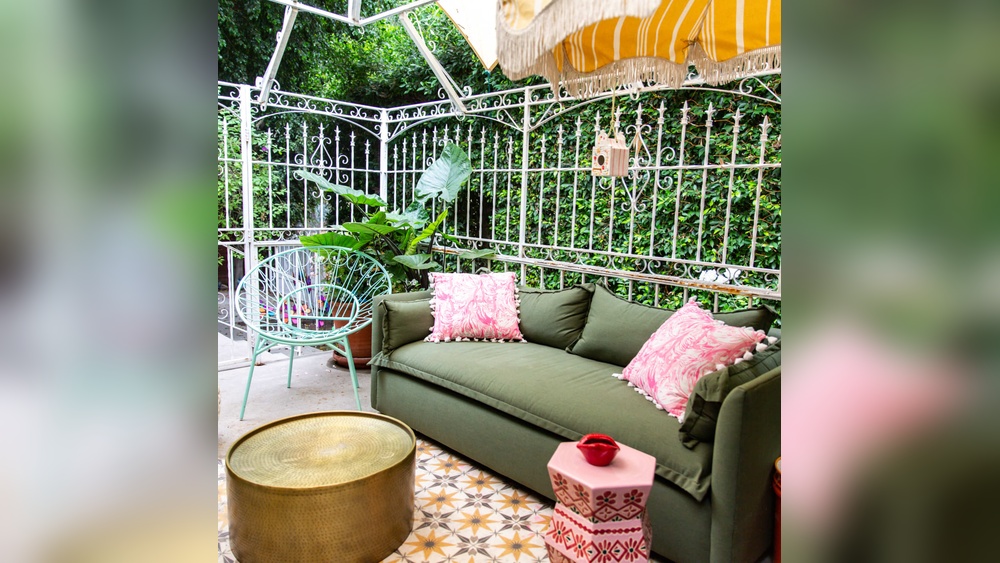
Are you tired of buying outdoor furniture that doesn’t quite match your style? What if you could bring your favorite indoor pieces outside without worrying about damage?
Weatherizing your indoor furniture for outdoor use is easier than you think. By making a few simple changes, you can protect your furniture from rain, sun, and dirt while keeping its charm intact. Keep reading, and you’ll discover practical tips that will help you transform your indoor furniture into durable outdoor favorites you’ll enjoy all year round.

Credit: www.apartmenttherapy.com
Choosing The Right Furniture
Choosing the right furniture is important for making indoor pieces last outside. Not all furniture can handle rain, sun, or wind. Picking items that stand up to weather keeps your outdoor space looking nice. It also saves money by avoiding frequent replacements.
Materials That Withstand Weather
Wood furniture needs special care to survive outside. Teak and cedar resist water and insects. Metal furniture, like aluminum and wrought iron, handles rain well but may need rust protection. Plastic and resin furniture do not absorb water and dry quickly. These materials resist fading and cracking under sun exposure. Avoid fabrics that soak up water or mold easily.
Selecting Durable Designs
Choose furniture with simple shapes and strong joints. Complex designs can trap water and dirt. Look for pieces with slats or gaps for quick drying. Heavy furniture stays stable in wind. Foldable or lightweight pieces may blow away. Furniture with removable cushions helps keep fabric dry. Think about how each design will hold up in different weather.
Cleaning And Preparing Furniture
Preparing indoor furniture for outdoor use starts with thorough cleaning and surface preparation. Dirt and grime can prevent protective coatings from sticking properly. Smooth surfaces help paint or sealant last longer. Proper cleaning and sanding extend the life of your furniture outdoors.
Removing Dirt And Debris
Begin by brushing off loose dirt and dust. Use a soft brush or cloth for gentle cleaning. For stubborn dirt, mix mild soap with warm water. Wipe the furniture with a damp cloth dipped in the solution. Avoid soaking the wood to prevent damage. Rinse with clean water and let it dry completely in a shaded area.
Sanding And Smoothing Surfaces
Sand the furniture to remove old finishes and rough spots. Start with medium-grit sandpaper to strip the surface. Follow with fine-grit sandpaper for a smooth finish. Sand in the direction of the wood grain to avoid scratches. Clean off sanding dust with a dry cloth before applying any finish. Smooth surfaces help paint and sealants stick better and last longer outdoors.
Applying Protective Coatings
Applying protective coatings is key to making indoor furniture last outdoors. These coatings shield the furniture from moisture, sun, and dirt. They create a barrier that keeps the material safe and strong.
Protective coatings also help maintain the furniture’s look. They prevent fading, cracking, and peeling. Using the right coating extends the life of your furniture and keeps it looking fresh.
Using Sealants And Varnishes
Sealants and varnishes protect wood and other materials from water damage. Sealants soak into the surface and block moisture. Varnishes form a hard, clear layer on top.
Choose a sealant or varnish made for outdoor use. Apply thin, even coats with a brush. Let each coat dry fully before adding another. This builds strong protection over time.
Reapply sealants or varnishes every year or when the finish looks worn. This keeps the barrier intact and prevents damage.
Waterproofing Techniques
Waterproofing stops water from soaking into furniture surfaces. Use sprays or liquids that repel water. They work well on fabric, wood, and metal.
Clean the furniture well before applying waterproofing products. Spray or brush the product evenly. Allow it to dry completely for best results.
Check for spots that need extra protection. Apply a second coat if needed. Good waterproofing reduces mold, stains, and damage from rain.
Credit: belleze.com
Using Weather-resistant Fabrics
Using weather-resistant fabrics is key to protect indoor furniture used outside. These fabrics help furniture last longer under sun, rain, and wind. They stop water from soaking in and prevent fading from sunlight. This section explains how to choose and treat fabrics for outdoor use.
Choosing Outdoor-grade Covers
Select covers made from materials designed for outdoor use. Look for fabrics labeled as water-resistant or UV-resistant. Polyester and acrylic covers work well. These fabrics dry quickly and resist mold and mildew. Choose covers that fit snugly to block dirt and moisture. A good cover saves your furniture from damage.
Waterproofing Indoor Fabrics
Use waterproof sprays to protect indoor fabrics outdoors. These sprays add a clear, protective layer. They stop water from soaking into the fabric. Apply the spray in a well-ventilated area. Let the fabric dry completely before using it outside. Repeat the treatment every few months for best results.
Maintaining Furniture Outdoors
Maintaining indoor furniture used outdoors takes effort. Protecting your furniture helps it last longer. Dirt, moisture, and sun can cause damage fast. Small habits keep your furniture looking good. Simple care routines prevent costly repairs. Follow these tips to keep your furniture strong and clean.
Regular Cleaning Tips
Clean furniture often to stop dirt build-up. Use a soft brush or cloth to remove dust. Mild soap and water work well for most materials. Avoid harsh chemicals that can damage surfaces. Rinse thoroughly and dry completely after washing. Check for mold or mildew in damp areas. Remove stains quickly to prevent permanent marks. Cover furniture during rain or heavy wind.
Seasonal Care Advice
Prepare furniture for changing weather each season. In colder months, bring cushions indoors or store them dry. Apply protective sealants to wooden furniture yearly. Check metal parts for rust and treat if needed. Use waterproof covers to shield pieces from snow. Inspect joints and screws for looseness or wear. Store furniture in a sheltered spot when possible. Rotate cushions and fabrics to avoid fading.

Credit: www.ebay.com
Additional Protective Measures
Protecting indoor furniture used outdoors requires more than just weatherproofing sprays. Extra steps help keep your furniture safe from rain, sun, and dirt. These additional measures increase the life of your furniture and keep it looking good longer.
Simple actions can prevent damage and reduce maintenance. Covering furniture and raising it off the ground are two effective ways to add protection. Both methods help avoid moisture buildup and wear from outdoor elements.
Furniture Covers And Storage
Use furniture covers made from waterproof fabric. Covers block rain, dust, and sunlight. Choose covers that fit snugly to avoid wind blowing them off. When not using furniture, store it in a dry place like a garage or shed. If storage space is limited, covers still provide good protection outdoors.
Elevating Furniture Off Ground
Keep furniture off the ground using blocks or pallets. Elevating prevents water from pooling under legs. This stops wood from rotting and metal from rusting. Good airflow under furniture reduces dampness and mildew. Even small lifts make a big difference in durability.
Frequently Asked Questions
How Can I Protect Indoor Furniture For Outdoor Use?
To protect indoor furniture outdoors, apply a water-resistant sealant or varnish. Use outdoor covers to shield from rain and sun. Elevate furniture to avoid ground moisture. Regularly clean and inspect for damage to ensure durability.
What Materials Work Best For Weatherproofing Indoor Furniture?
Polyurethane, marine varnish, and outdoor paint are ideal for weatherproofing. These materials resist moisture, UV rays, and temperature changes. Choose products specifically designed for outdoor use to prolong furniture life and maintain appearance.
How Do I Prevent Mold On Indoor Furniture Outside?
Keep furniture dry by using waterproof covers and placing it in shaded areas. Clean regularly with mold-inhibiting solutions. Ensure proper ventilation around the furniture to reduce moisture buildup and prevent mold growth.
Can Indoor Cushions Be Weatherized For Outdoor Use?
Yes, treat cushions with fabric waterproof sprays. Use quick-dry foam inserts designed for outdoor use. Store cushions indoors when not in use to extend their lifespan and prevent mildew formation.
Conclusion
Weatherizing indoor furniture for outdoor use protects it from rain and sun. Use sealants and covers to keep furniture safe and dry. Regular cleaning helps maintain the look and strength of your pieces. Choose materials that resist moisture and fading for best results.
With simple steps, your furniture lasts longer outside. Enjoy your outdoor space with comfort and style. Small efforts make a big difference in furniture care. Keep your investment safe and ready for every season.