Your outdoor pressure treated wooden furniture is an investment that adds charm and comfort to your space. But keeping it looking great and lasting longer takes the right care.
If you want to protect your furniture from weather damage, fading, and wear, you need to know the best ways to treat it. You’ll discover simple, effective steps to maintain your wooden pieces so they stay strong and beautiful year after year.
Keep reading to unlock easy tips that will make your outdoor furniture shine and stand the test of time.
Credit: www.wood-finishes-direct.com
Choosing The Right Wood Treatment
Choosing the right wood treatment is key to protect outdoor pressure treated wooden furniture. Wood faces many challenges outside. Sun, rain, and changing temperatures can cause damage. The right treatment helps keep the wood strong and looking good for years.
Wood treatments seal the surface. This stops water from soaking in and causing rot. It also shields the wood from fading and cracking. Picking the right type depends on the wood and how you use the furniture.
Types Of Wood Sealants
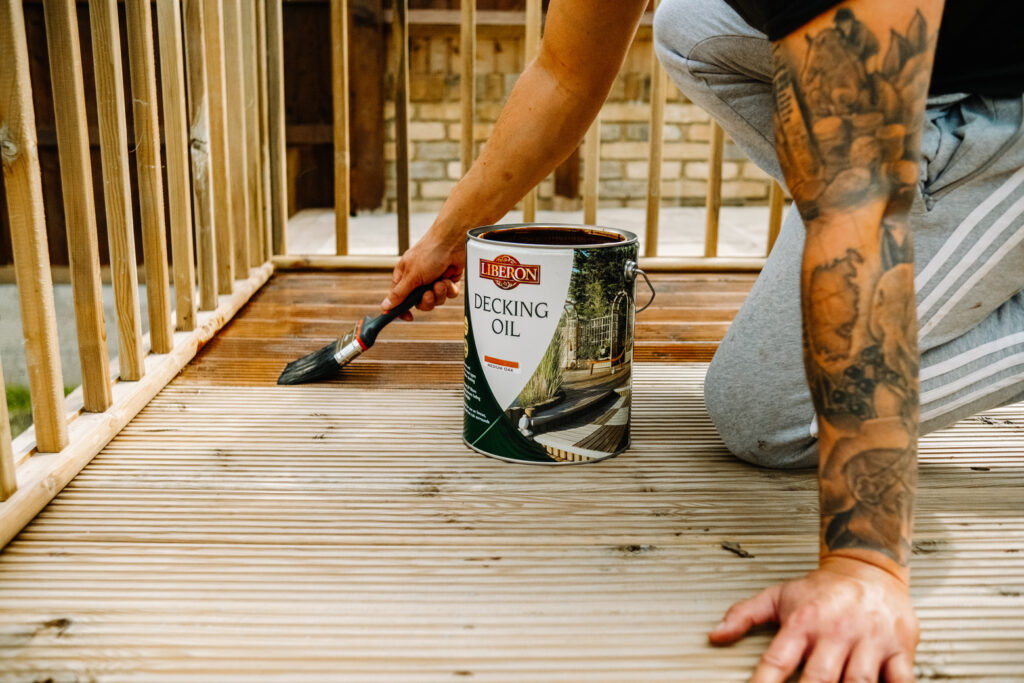
Wood sealants come in many forms. Some create a hard layer on the wood surface. Others soak deep inside the wood. Sealants include varnishes, oils, stains, and paints. Each type offers different protection levels. Consider how much water and sun your furniture faces. Some sealants give a natural look, while others add color or shine.
Oil-based Vs Water-based Options
Oil-based sealants penetrate wood deeply. They provide strong protection against moisture. These sealants often last longer than water-based ones. They can darken the wood slightly and take longer to dry. Water-based sealants dry fast and clean up easily with soap and water. They keep the wood color closer to natural. Water-based products are less smelly and better for indoor use. Both types work well, but oil-based is better for heavy outdoor use.
Eco-friendly Treatments
Eco-friendly wood treatments use natural ingredients. They avoid harsh chemicals. These treatments are safer for people and pets. They also reduce pollution. Common eco-friendly options include plant oils and natural waxes. They protect wood while keeping the environment in mind. Eco-friendly treatments may need more frequent application. They are a good choice for those who want green and safe products.
Preparing Furniture For Treatment
Preparing outdoor pressure treated wooden furniture for treatment is an important step. It helps the wood absorb finishes better and last longer. Clean and smooth surfaces allow the treatment to protect the wood effectively. Follow these steps carefully for the best results.
Cleaning And Sanding
Start by cleaning the furniture thoroughly. Remove dirt, dust, and any loose debris. Use a mild soap and water solution. Scrub gently with a soft brush. Rinse well and let it dry.
After cleaning, sand the wood lightly. Use fine-grit sandpaper for a smooth finish. Sanding removes rough spots and opens the wood grain. This helps the treatment soak in evenly.
Removing Old Finishes
Old paint, varnish, or stains can block the new treatment. Remove these finishes using a chemical stripper or sanding. Follow safety instructions carefully when using chemicals. Make sure to clear all old finishes before applying new treatment.
Drying Time Requirements
Dry wood absorbs treatment better. Allow the furniture to dry completely after cleaning and sanding. Drying time depends on weather and wood thickness. Usually, it takes 24 to 48 hours. Never treat damp or wet wood.
Applying Protective Coatings
Applying protective coatings is essential for outdoor pressure treated wooden furniture. These coatings shield the wood from moisture, sun damage, and wear. They help keep the furniture looking fresh and extend its life outdoors.
Choosing the right coating and applying it correctly makes a big difference. It prevents the wood from cracking, warping, or fading. This section explains how to apply these coatings effectively.
Best Application Techniques
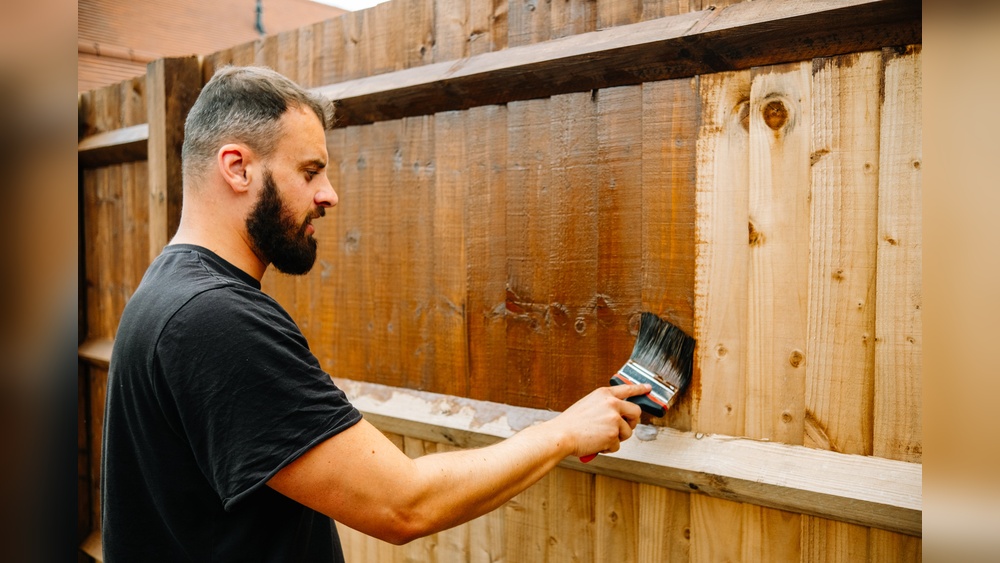
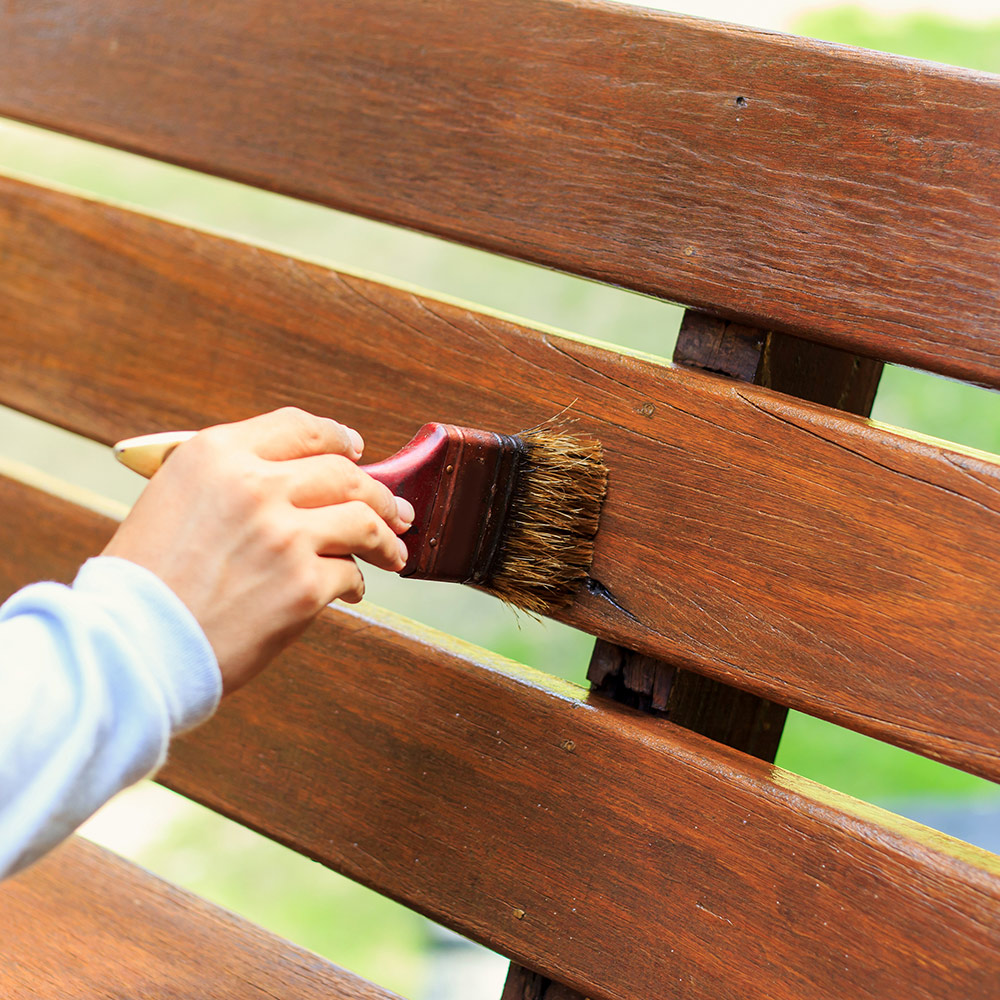
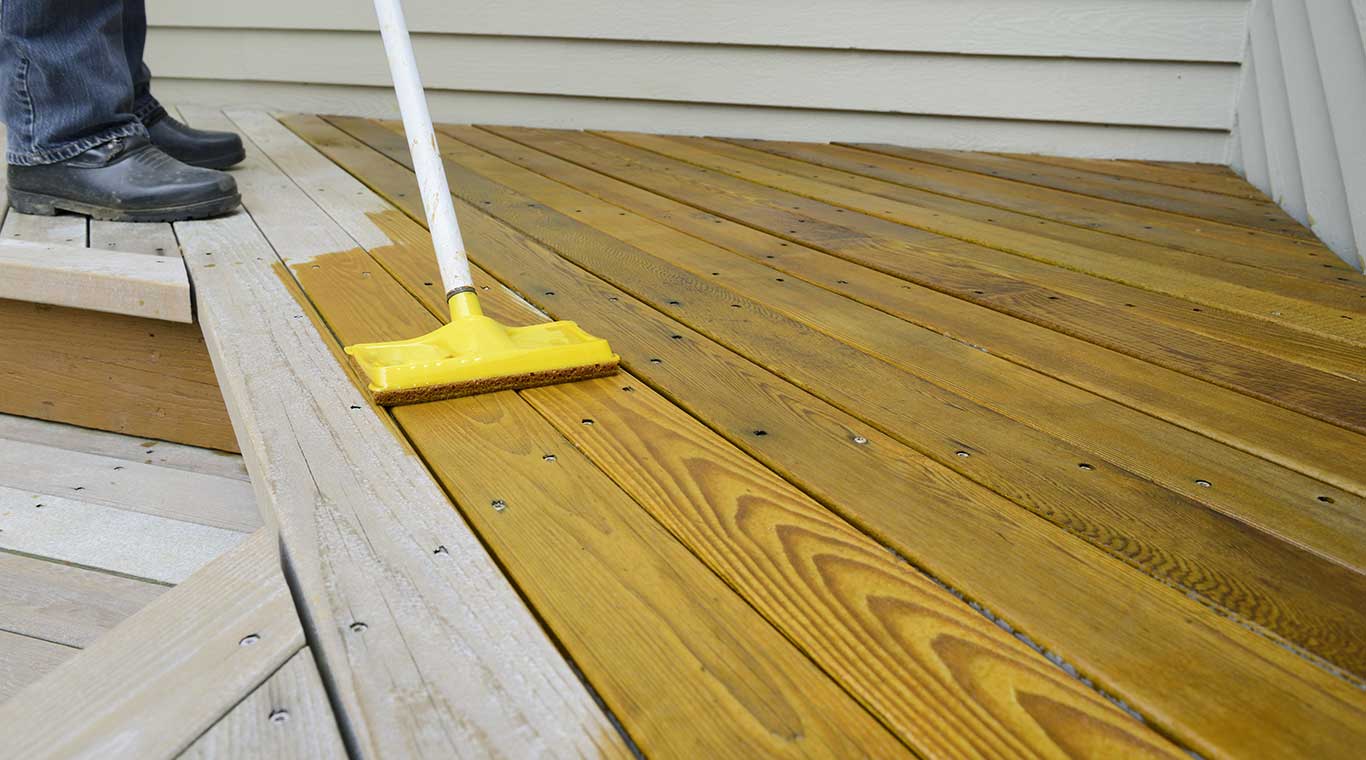
Start by cleaning the wood surface thoroughly. Remove dirt and dust with a soft brush or cloth. Use a paintbrush or a foam brush for the coating. Apply the coating evenly along the wood grain. Avoid thick layers; thin coats dry faster and last longer. For large areas, a sprayer can work well but still finish with a brush for smoothness.
Number Of Coats Needed
Apply at least two coats of protective finish. The first coat seals the wood and soaks in deeply. The second coat adds a strong protective layer. For extra durability, a third coat helps. Wait for the first coat to dry completely before adding the next. Thin coats build better protection than one thick coat.
Drying And Curing Tips
Drying time depends on the coating type and weather. Most finishes dry in 4 to 6 hours. Avoid using the furniture until it feels dry to the touch. Curing takes longer; it can take days or weeks. Keep furniture in a dry, shaded place while curing. Avoid rain and heavy sun during this time. Proper curing ensures the coating bonds well to the wood.
Credit: www.homedepot.com
Maintaining Treated Wood Furniture
Maintaining treated wood furniture keeps it strong and beautiful for years. Outdoor furniture faces sun, rain, dirt, and insects. Proper care stops damage and wear. Small tasks done often make a big difference.
Regular Cleaning Methods
Clean wood furniture every few weeks. Use a soft brush or cloth to remove dirt and dust. Mix mild soap with water for washing. Avoid harsh chemicals that can hurt the wood. Rinse with clean water and dry with a towel. This prevents mold and mildew buildup.
Spot Repairs And Touch-ups
Check furniture for cracks or chips. Sand rough spots gently with fine sandpaper. Apply wood sealant or stain on repaired areas. This protects the wood from water and sun. Fix small problems quickly to avoid bigger damage later.
Seasonal Care Advice
In cold or wet seasons, cover furniture or move it indoors. Use breathable covers to stop moisture buildup. Reapply protective sealant every year or two. Store cushions separately to keep them dry. These steps extend furniture life and keep it looking fresh.
Avoiding Common Mistakes
Taking care of outdoor pressure treated wooden furniture needs attention to detail. Avoiding common mistakes helps keep your furniture strong and looking good. Simple errors can lead to damage or shorten its life. Learn what to avoid for better results.
Over-treating Wood
Applying too much oil or sealant can harm the wood. It creates a sticky surface that traps dirt. The wood may also become too soft and weak. Treat only as much as the manufacturer suggests. Let each layer dry completely before applying more.
Ignoring Weather Conditions
Weather affects how wood absorbs treatments. Applying sealant in rain or high humidity stops proper drying. Strong sun can dry out the wood too fast, causing cracks. Choose mild, dry days for treatment. Check weather forecasts before starting work.
Using Incompatible Products
Not all sealants and oils work with pressure treated wood. Some products can peel or cause discoloration. Use products made for pressure treated wood only. Read labels carefully. Test a small hidden spot before full application to avoid surprises.
Credit: www.yellawood.com
Frequently Asked Questions
How Do I Prepare Pressure-treated Wood For Outdoor Use?
Start by cleaning the wood with a mild detergent and water. Let it dry completely. Sand rough spots lightly to ensure smoothness before applying any finish.
What Is The Best Sealant For Outdoor Pressure-treated Wood?
Use a high-quality water-repellent sealant or exterior wood preservative. These protect against moisture, UV damage, and mildew, extending your furniture’s lifespan.
How Often Should I Re-treat Outdoor Wooden Furniture?
Reapply sealant or protective finish every 1-2 years. Regular maintenance prevents wood from cracking, warping, and fading due to weather exposure.
Can I Paint Pressure-treated Outdoor Furniture?
Yes, but wait 4-6 weeks after treatment to let wood dry. Use a primer designed for pressure-treated wood before painting for better adhesion.
Conclusion
Caring for outdoor pressure treated wood keeps furniture strong and nice. Clean it often to avoid dirt and mold buildup. Apply a sealant or oil to protect from water and sun damage. Check for cracks or splinters and fix them quickly.
Simple steps make your furniture last longer and look better. Enjoy your outdoor space with wood that stays safe and beautiful. Keep these tips in mind for easy, lasting care. Your wooden furniture will thank you with many seasons of use.

