Are you worried your beautiful wood furniture won’t survive the harsh outdoor elements? You’re not alone.
Wood is natural and stunning, but it can quickly suffer from rain, sun, and cold if left unprotected. The good news is, with the right steps, you can weatherize your wood furniture and keep it looking great year-round. Imagine enjoying your favorite chair or table outside without worrying about cracks, warping, or fading.
Ready to learn how to make your wood furniture tough enough for the outdoors? Let’s dive in and transform your pieces into weatherproof treasures you’ll love for seasons to come.

Credit: www.resortchairs.com
Choosing The Right Wood
Choosing the right wood is the first step to weatherize wood furniture for outdoor use. The wood type affects how well your furniture handles rain, sun, and cold. Some woods last longer outside. Others may crack or rot quickly. Knowing wood qualities helps you pick the best one for your needs. This makes your furniture strong and beautiful for years.
Best Wood Types For Outdoors
Teak is a top choice for outdoor furniture. It resists water and insects naturally. Cedar is light and smells good. It fights rot and bugs well. Redwood also works well outside. It has natural oils that protect it from damage. White oak is strong and water-resistant. Pine is cheaper but needs good sealing to last.
Wood Durability Factors
Wood density helps with durability. Denser wood is harder to break or absorb water. Natural oils in wood protect against insects and rot. Tannin content also fights decay. Wood that shrinks less is better for outdoor use. Grain tightness keeps water out. Smooth surfaces resist weather damage more effectively.
Preparing Wood Furniture
Preparing wood furniture is the first step to make it ready for outdoor use. It helps protect the wood from weather damage. Proper preparation improves the furniture’s life and appearance. Start with cleaning and sanding to remove dirt and old finishes. Then, fix any damages to ensure the wood stays strong.
Cleaning And Sanding
Remove dust and dirt using a soft brush or cloth. Use mild soap and water for deeper cleaning. Let the wood dry completely before sanding. Sand the surface with fine-grit sandpaper to smooth rough spots. Sanding also helps new finishes stick better. Always sand in the direction of the wood grain. Wipe the dust off after sanding to keep the surface clean.
Repairing Damages
Check the wood for cracks, holes, or loose joints. Use wood filler to fill small holes and cracks. Let the filler dry and sand it smooth. Tighten any loose screws or nails to strengthen joints. Replace broken parts if needed to keep the furniture safe. Repairing damages stops further wood decay and keeps the furniture stable.
Applying Protective Coatings
Applying protective coatings is key to keeping wood furniture safe outdoors. These coatings guard against moisture, sun, and wear. They help wood last longer and look better. Choosing the right coating depends on the wood type and the weather it faces. Proper application ensures strong protection and a smooth finish.
Primers And Sealers
Primers and sealers prepare wood for outdoor use. They block moisture from entering the wood. This prevents swelling, cracking, and rotting. Sealers also create a smooth base for other coatings. Use a primer designed for outdoor wood. Apply it evenly and let it dry completely. This step improves the bond of paint or finish.
Waterproof Finishes
Waterproof finishes protect wood from rain and humidity. These finishes form a tough, water-resistant layer. Look for finishes labeled as “waterproof” or “water-repellent.” Apply multiple thin coats for better coverage. Allow each coat to dry before applying the next. Waterproof finishes help keep wood dry and strong.
Uv Protection
UV rays can fade and damage wood over time. UV protection blocks these harmful rays. Use finishes with UV inhibitors or additives. These coatings keep wood color vibrant and prevent surface cracks. Reapply UV-protective coatings every year or two. This keeps wood looking fresh and prevents sun damage.
Using Weatherproof Paints And Stains
Using weatherproof paints and stains protects wood furniture from rain, sun, and cold. These coatings create a strong barrier that stops moisture and UV rays from damaging the wood. Choosing the right type and applying it carefully helps your furniture last longer outdoors.
Choosing Paint Vs. Stain
Paint covers the wood surface completely. It hides imperfections and offers a thick layer of protection. Paint works well on older furniture or pieces with rough surfaces. It comes in many colors and finishes to match your style.
Stain soaks into the wood, enhancing its natural grain. It protects without hiding the wood’s texture. Stain allows the wood to breathe and is less likely to peel than paint. It is ideal for newer furniture or woods with beautiful patterns.
Both paint and stain have waterproof options. Pick one based on your furniture’s look and the level of protection needed. Always use products labeled for outdoor use to ensure durability.
Application Techniques
Start by cleaning the wood surface well. Remove dirt, dust, and old finishes with sandpaper or a scraper. This step helps paint or stain stick better.
Use a brush or spray for even application. Apply thin, smooth coats to avoid drips and bubbles. Let each coat dry fully before adding another one.
Follow the product instructions for the number of coats. Two or three coats usually work best for strong protection. Don’t rush the drying time to get the best results.
Seal the wood edges and joints carefully. These areas are most exposed to weather damage. Proper sealing keeps water from seeping inside.
Maintaining Outdoor Wood Furniture
Outdoor wood furniture faces many challenges. Sun, rain, and dirt can damage the wood over time. Proper maintenance keeps your furniture strong and beautiful. It also extends the life of your investment. Regular care is key to prevent wear and tear.
Simple actions like cleaning and refinishing can make a big difference. These steps protect the wood and keep it looking fresh. With some effort, your outdoor furniture can stay in great shape for years.
Regular Cleaning Tips
Start cleaning by removing loose dirt and leaves. Use a soft brush or cloth to avoid scratches. Mix mild soap with water for washing. Avoid harsh chemicals that can harm the wood. Rinse with clean water and dry with a towel. Clean your furniture every few weeks during use. This prevents buildup and keeps the wood healthy.
Touch-up And Refinish
Check for small cracks or worn spots often. Light sanding helps smooth rough areas. Use wood touch-up markers or stain to cover marks. For larger damage, apply a fresh coat of sealant or varnish. This adds a strong protective layer against weather. Refinish your furniture once a year or as needed. Proper touch-ups keep wood looking new and avoid costly repairs.

Credit: www.reddit.com
Additional Weatherproofing Tips
Protecting wood furniture outdoors needs more than just sealant. Extra care helps wood last through sun, rain, and cold. These tips improve your furniture’s strength and beauty.
Covering And Storage
Use breathable covers to protect wood from moisture and dirt. Plastic covers trap water and cause damage. Store furniture in a dry, shaded area during heavy rain or winter. If space is tight, stack pieces carefully to avoid scratches.
Avoiding Common Mistakes
Don’t skip sanding before applying sealant. Rough spots hold water and cause rotting. Avoid using indoor paint or varnish outside. These products crack and peel quickly. Reapply sealant yearly for best protection. Clean furniture gently with mild soap and water only.
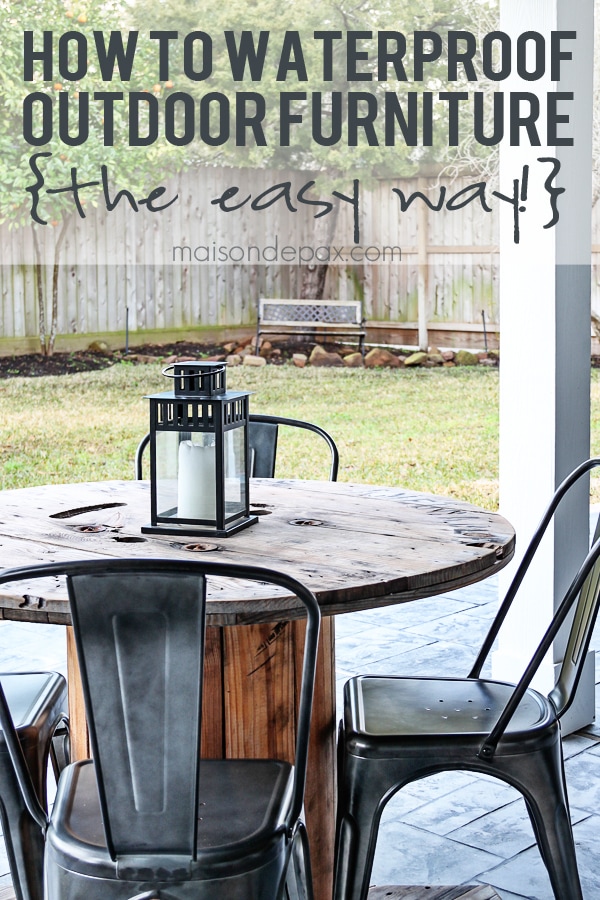
Credit: www.maisondepax.com
Frequently Asked Questions
How Do I Prepare Wood Furniture For Outdoor Weather?
Clean the furniture thoroughly and sand any rough spots. Apply a wood preservative or primer to protect against moisture. Ensure the wood is completely dry before sealing or painting for outdoor durability.
What Sealants Work Best For Outdoor Wood Furniture?
Use waterproof sealants like polyurethane, spar varnish, or exterior-grade epoxy. These sealants protect wood from moisture, UV rays, and temperature changes, extending the furniture’s life outdoors.
How Often Should I Reapply Weatherproofing On Wood Furniture?
Reapply weatherproofing every 1-2 years depending on exposure. Inspect furniture regularly for cracks or peeling finish. Timely maintenance prevents water damage and preserves appearance.
Can I Weatherize Any Type Of Wood Furniture?
Most wood types can be weatherized, but hardwoods like teak and cedar resist moisture naturally. Softer woods need thorough sealing to prevent warping and rotting outdoors.
Conclusion
Weatherizing wood furniture helps it last longer outside. Use sealants and protective finishes for best results. Clean and dry the furniture before starting the process. Regular maintenance keeps the wood strong and beautiful. Small efforts now save you from costly repairs later.
Enjoy your outdoor space with sturdy, weather-proof furniture. Simple steps make a big difference in durability. Keep your wood furniture safe from rain, sun, and wind. Your outdoor furniture will stay fresh and inviting.


