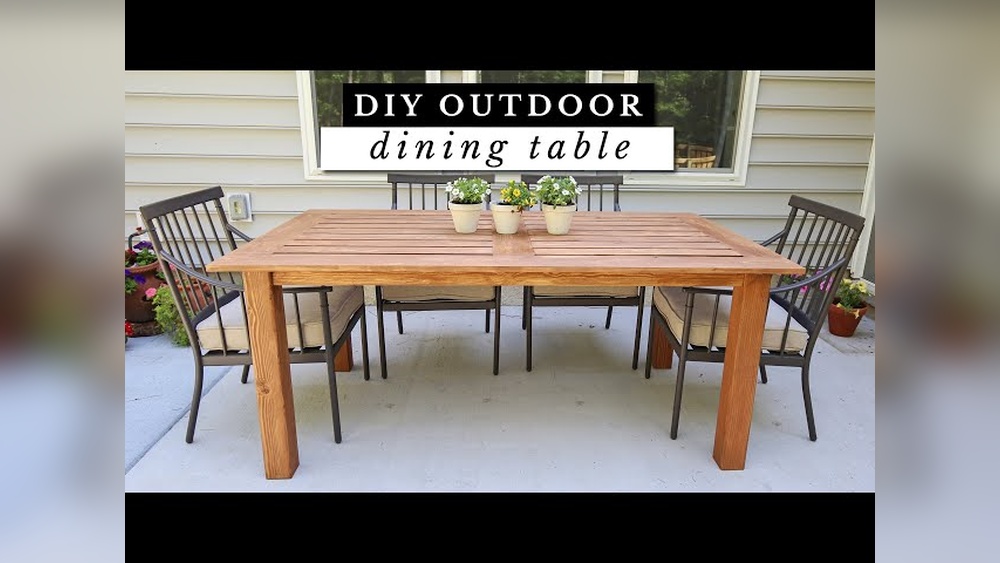
Are you tired of your outdoor stone or concrete furniture looking dull and lifeless? Imagine giving your patio a fresh, vibrant makeover without buying new pieces.
You might wonder, can you actually paint outdoor stone or concrete furniture to make it look brand new? The answer is yes—and it’s easier than you think. You’ll discover simple steps and expert tips that will help you transform your outdoor space quickly and affordably.
Keep reading to unlock the secret to stunning outdoor furniture that will catch everyone’s eye.

Credit: www.blesserhouse.com
Choosing The Right Paint
Choosing the right paint is key to making outdoor stone or concrete furniture last. The paint must stick well and resist weather damage. Not all paints work well on these surfaces. Knowing the types of paint and their benefits helps you pick the best one. This way, your furniture stays beautiful and protected for a long time.
Types Of Paint For Stone And Concrete
Latex paint works well for outdoor stone and concrete. It is easy to apply and dries fast. Masonry paint is designed specifically for stone and concrete. It allows the surface to breathe and prevents peeling. Epoxy paint forms a strong, hard layer. It is great for heavy-use furniture but takes longer to dry.
Benefits Of Acrylic Vs. Epoxy Paints
Acrylic paint is water-based and easy to clean. It offers good color options and is flexible on surfaces. Acrylic paint resists cracking over time. Epoxy paint is tougher and more durable. It resists stains and chemicals better than acrylic. Epoxy paint protects furniture from scratches and wear. Acrylic suits furniture with less heavy use. Epoxy suits furniture exposed to rough conditions.
Weather-resistant Paint Options
Choose paint labeled as weather-resistant for outdoor use. These paints resist rain, sun, and frost. They prevent fading and chalking on stone and concrete. Some paints include UV blockers to protect color. Waterproof paint stops water from seeping into surfaces. This reduces cracks and damage during winter. Weather-resistant paints keep furniture looking fresh longer.
Preparing The Surface
Preparing the surface is the first step to painting outdoor stone or concrete furniture. It helps the paint stick better and last longer. A clean and smooth surface makes the final look neat and strong. Follow these steps to get the surface ready for painting.
Cleaning And Removing Dirt
Start by cleaning the furniture well. Dirt, dust, and grime can stop paint from sticking. Use a brush to remove loose dirt. Wash the surface with water and mild soap. Scrub gently to remove stains. Rinse with clean water and let it dry completely.
Repairing Cracks And Chips
Look for cracks or chips in the stone or concrete. Small cracks can cause paint to peel later. Fill these gaps with a concrete patch or filler. Use a putty knife to smooth the patch. Allow it to dry fully before painting. This step makes the surface even and strong.
Sanding And Smoothing The Surface
Sand the surface lightly using medium-grit sandpaper. This removes rough spots and old paint flakes. Sanding helps paint grip the surface better. Wipe away dust with a damp cloth. Make sure the surface feels smooth and clean before painting.
Priming Your Furniture
Priming your outdoor stone or concrete furniture is a crucial step before painting. It helps the paint stick better and last longer. Without a good primer, paint can peel or fade quickly. Proper priming also protects the surface from moisture and weather damage.
Selecting The Best Primer
Choose a primer made for stone or concrete surfaces. Look for primers labeled “masonry” or “concrete.” These primers seal porous surfaces and create a smooth base. Avoid regular wood or metal primers as they may not stick well. A good primer improves paint adhesion and durability.
Applying Primer Evenly
Use a brush or roller to apply primer evenly. Cover all areas, including cracks and crevices. Avoid thick layers to prevent drips and uneven drying. Thin, even coats dry faster and bond better. Take your time for smooth, consistent coverage.
Drying Time And Conditions
Allow the primer to dry fully before painting. Drying time depends on temperature and humidity. Usually, it takes 1 to 4 hours. Paint in dry weather with low humidity for best results. Avoid painting in direct sunlight or rain to prevent problems.
Credit: www.architecturaldigest.com
Painting Techniques
Painting outdoor stone or concrete furniture needs the right techniques. Proper methods help paint stick well and last longer. The surface can be rough or smooth, so choosing the right tools matters. This section explains simple painting techniques to make your furniture look great.
Using Brushes Vs. Sprayers
Brushes give more control over the paint. They work well on small or detailed areas. Brushes also help spread paint evenly on rough surfaces. Sprayers cover large areas quickly. They produce a smooth finish without brush marks. Sprayers need more skill and preparation. Choose brushes for precision and sprayers for speed.
Applying Multiple Coats
One coat is never enough for outdoor stone or concrete. Thin layers dry faster and stick better. Wait for each coat to dry before adding the next. Two to three coats give the best coverage. Multiple coats protect furniture from weather damage. Thin, even coats prevent peeling and fading.
Tips For Avoiding Drips And Streaks
Drips and streaks spoil the paint job. Use a good quality brush or sprayer. Apply thin layers instead of thick ones. Move your brush or sprayer slowly and evenly. Check for drips while painting and smooth them out quickly. Keep the surface clean and dry before painting. Proper technique keeps the finish smooth and neat.
Sealing And Protecting
Sealing and protecting outdoor stone or concrete furniture is important. It helps keep the paint fresh and stops damage from weather. Proper sealing adds a strong layer that guards against water, dirt, and sun. This step extends the life of your painted furniture and keeps it looking nice longer.
Choosing The Right Sealant
Select a sealant made for outdoor stone or concrete surfaces. Look for products that resist water and UV rays. Clear sealants are best to keep the paint color vibrant. Some sealants come in matte or glossy finishes. Choose the one that fits your style and needs. Avoid sealants that yellow or peel over time.
Application Methods
Clean the furniture before sealing to remove dust and dirt. Use a brush, roller, or spray to apply the sealant evenly. Apply thin coats to avoid drips and bubbles. Let each coat dry fully before adding another layer. Follow the sealant instructions for the best results. Work in a well-ventilated area to speed drying and avoid fumes.
Maintenance For Longevity
Check the sealant every few months for cracks or wear. Clean the furniture with mild soap and water to remove dirt. Avoid harsh chemicals that can break down the sealant. Reapply sealant every 1 to 2 years to keep protection strong. Cover furniture during harsh weather to reduce damage. Simple care keeps your painted furniture beautiful for years.
Common Mistakes To Avoid
Painting outdoor stone or concrete furniture can refresh its look and protect it from damage. Avoiding common mistakes helps the paint last longer and look better. Many people rush into painting without the right steps. This leads to peeling, fading, or uneven color.
Ignoring Surface Preparation
Cleaning the furniture well is the first step. Dirt, dust, and old paint can stop new paint from sticking. Rough spots or cracks need fixing before painting. Skipping surface prep causes paint to peel quickly. Sanding the surface smooth helps the paint hold better.
Using Inappropriate Paint Types
Not all paints work on stone or concrete. Using the wrong paint causes fading and chipping. Choose paint made for outdoor stone or concrete. These paints resist weather and stay bright longer. Avoid regular wall paint or interior paint for outdoor furniture.
Skipping Sealant Application
Sealant protects the paint and furniture from water damage. Without sealant, paint can crack or wash away. Apply a clear sealant after the paint dries. This step locks in color and makes cleaning easier. Sealants extend the life of your painted furniture.
Design Ideas And Finishes
Painting outdoor stone or concrete furniture opens many design options. It lets you refresh old pieces and add personality to your space. Choosing the right finishes and styles can make your furniture stand out. This guide explores creative ideas for painting stone or concrete furniture outdoors.
Simple paint can change the look completely. Patterns and textures add interest and charm. Color choices set the mood and style of your outdoor area.
Stenciling And Patterns
Stencils help create neat and repeatable designs. Use geometric shapes or floral patterns to decorate flat surfaces. Stenciling adds a personal touch without much effort. It works well on tabletops, chair backs, or sides. Choose weather-resistant paint for long-lasting designs.
Textured Finishes
Textured paint adds depth and character. Try rough, sandy finishes for a natural stone look. Use sponges or brushes to create texture effects. Textured finishes hide minor surface flaws. They also improve grip on seating and tables.
Color Trends For Outdoor Furniture
Soft pastels create a calm and cozy vibe. Bright colors bring energy and fun to your garden. Earth tones blend well with nature and stone. Dark shades like navy or charcoal give a modern feel. Pick colors that match your outdoor decor and plants.

Credit: www.drylok.com
Seasonal Tips For Painting
Painting outdoor stone or concrete furniture needs care throughout the year. Different seasons affect paint and surface differently. Knowing how weather changes impact your work helps you get better results. Follow these seasonal tips to protect your furniture and keep the paint fresh.
Best Weather Conditions
Choose dry days with mild temperatures. Avoid painting in cold or very hot weather. Ideal temperatures range from 50°F to 85°F. Clear skies and low wind help paint stick well. Early fall or late spring often offer the best conditions.
Handling Humidity And Temperature
High humidity slows paint drying and can cause bubbles. Paint on days with humidity below 60% if possible. Cold weather thickens paint, making it hard to spread. Warm weather thins paint, risking drips. Adjust your painting speed to suit the conditions.
Drying Time Adjustments
Paint dries faster in warm, dry weather. It takes longer in cool, humid air. Plan extra drying time in spring or fall. Avoid touching or moving furniture until paint is fully dry. Patience prevents damage and ensures a smooth finish.
Frequently Asked Questions
Can You Paint Outdoor Stone Or Concrete Furniture?
Yes, you can paint outdoor stone or concrete furniture. Use suitable outdoor paint and primer for durability. Proper surface cleaning and sealing improve paint adhesion and longevity. This enhances furniture appearance and protects against weather damage.
What Type Of Paint Is Best For Outdoor Stone?
Acrylic latex paint or masonry paint works best for outdoor stone. These paints resist weather, moisture, and UV rays. They also offer good adhesion and flexibility. Always use a primer designed for stone surfaces for lasting results.
How Do You Prepare Stone Or Concrete For Painting?
Clean the surface thoroughly using a pressure washer or scrub brush. Remove dirt, mold, and loose paint. Allow it to dry completely before applying primer. Sand rough areas lightly for a smooth finish and better paint adhesion.
How Long Does Painted Outdoor Concrete Furniture Last?
Paint on outdoor concrete furniture typically lasts 3 to 5 years. Longevity depends on paint quality, surface preparation, and weather exposure. Regular maintenance and touch-ups extend the paint’s lifespan. Using sealers also improves durability.
Conclusion
Painting outdoor stone or concrete furniture is possible with the right steps. Clean the surface well and choose paint made for outdoor use. Use a primer to help the paint stick better. Allow enough drying time between coats for a smooth finish.
Painted furniture can look fresh and last longer. Regular care will keep the colors bright and prevent damage. Small effort brings big changes. Give your outdoor space a new look today.