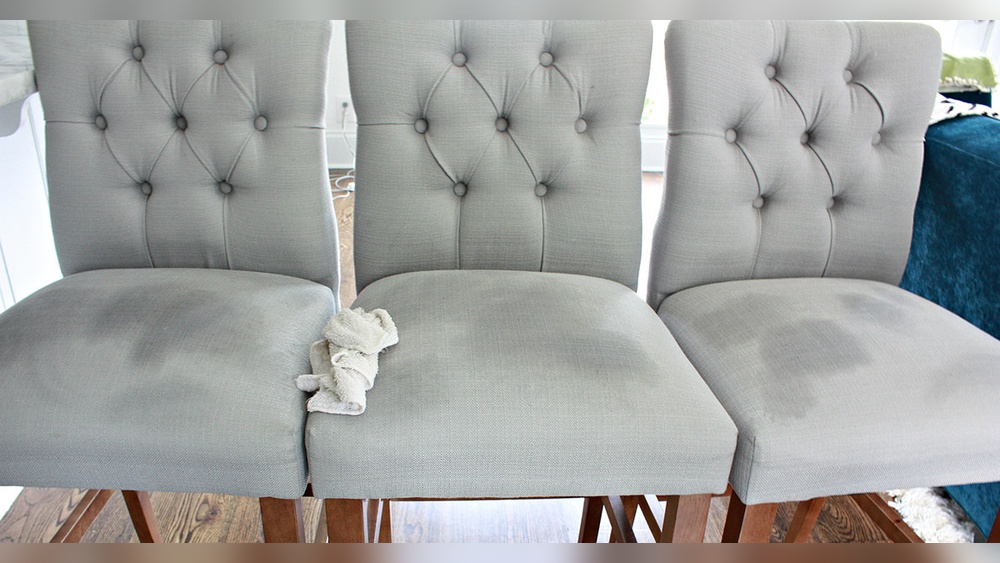
Are you tired of looking at those stubborn white spots on your outdoor furniture? Hardwater deposits can make your favorite patio pieces look old and dirty, even if you clean them regularly.
But don’t worry—removing these deposits is easier than you think. You’ll discover simple, effective ways to bring back the shine and beauty of your outdoor furniture. Keep reading, and you’ll learn how to tackle hardwater buildup quickly, so your outdoor space feels fresh and inviting again.
Causes Of Hardwater Deposits
Hardwater deposits form on outdoor furniture due to the minerals in water. Rainwater and sprinklers leave these minerals behind. Over time, they build up and cause stubborn stains. Knowing the causes helps prevent and remove these deposits effectively.
Mineral Composition
Hardwater contains minerals like calcium and magnesium. These minerals do not dissolve easily in water. When water evaporates, minerals stay on surfaces. This leaves a white, chalky residue. Other minerals, such as iron and manganese, can cause brown or reddish stains. These minerals stick tightly to outdoor furniture materials.
Common Affected Surfaces
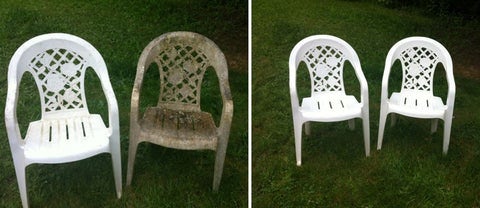
Hardwater deposits appear mostly on metal, plastic, and wood outdoor furniture. Metal surfaces show white or rust-colored spots. Plastic furniture looks dull and stained. Wood furniture may develop rough patches and discoloration. Fabrics and cushions can also trap minerals, causing stiffness and stains. Any surface exposed to hardwater can face these issues.

Credit: www.amazon.com
Tools And Materials Needed
Removing hard water deposits from outdoor furniture needs the right tools and materials. Using proper items makes cleaning easier and protects your furniture. Gather these essentials before starting the job.
Cleaning Agents
Choose a gentle but effective cleaner. White vinegar works well to dissolve mineral buildup. Baking soda mixed with water creates a mild scrubbing paste. Avoid harsh chemicals that can damage surfaces. A spray bottle helps apply liquids evenly.
Scrubbing Tools
Soft brushes remove deposits without scratching furniture. Use a nylon brush or a sponge for delicate surfaces. For tough spots, a plastic scraper can help lift deposits. Avoid metal brushes that might cause damage.
Protective Gear
Wear gloves to protect your hands from cleaners and rough scrubbing. Safety glasses guard your eyes from splashes. Use old clothes or an apron to keep your clothing clean. Protection keeps you safe during the cleaning process.
Preparation Steps
Preparing to remove hard water deposits from outdoor furniture is key for a smooth cleaning process. Proper preparation saves time and avoids damage to your furniture or surroundings. Follow these steps carefully before you start scrubbing.
Clearing The Area
First, clear the area around your furniture. Remove cushions, pillows, and any decorations. This prevents them from getting wet or damaged. Move fragile plants and items away from the cleaning zone. Give yourself enough space to work freely. A clutter-free area makes cleaning easier and safer.
Safety Precautions
Wear gloves to protect your hands from harsh cleaners. Use safety goggles to shield your eyes from splashes. Work in a well-ventilated area to avoid breathing strong fumes. Keep children and pets away during the cleaning process. Always read product labels and follow instructions carefully.
Credit: 30secondscleaners.com
Natural Cleaning Methods
Hardwater deposits on outdoor furniture can look ugly and feel rough. Natural cleaning methods offer safe and effective ways to remove these deposits. These methods use common household items that are gentle on surfaces and the environment. They help keep your furniture clean without harsh chemicals.
Vinegar Solution
Vinegar is acidic and breaks down hardwater deposits quickly. Mix equal parts white vinegar and water in a spray bottle. Spray the solution on the affected areas. Let it sit for 5 to 10 minutes. Then, scrub gently with a soft brush or cloth. Rinse with water and dry. Repeat if needed for stubborn spots.
Lemon Juice Application
Lemon juice works like vinegar with a fresh scent. Apply lemon juice directly to the deposits. Let it sit for 10 minutes to dissolve the buildup. Use a soft brush to scrub the furniture surface. Rinse with clean water. Dry the furniture to avoid new deposits forming. Lemon juice is safe for most materials.
Baking Soda Paste
Baking soda is mildly abrasive and helps scrub off deposits. Mix baking soda with a little water to make a thick paste. Spread the paste on the hardwater spots. Let it sit for 15 minutes to loosen the deposits. Use a soft brush or cloth to scrub gently. Rinse thoroughly with water. Dry the furniture completely after cleaning.
Commercial Cleaners For Hardwater
Hardwater deposits can make outdoor furniture look dull and dirty. Commercial cleaners offer a strong and quick way to remove these deposits. These cleaners are designed to break down minerals like calcium and magnesium that cause buildup. Using the right product helps restore the furniture’s original shine and protects it from future damage.
Choosing The Right Product
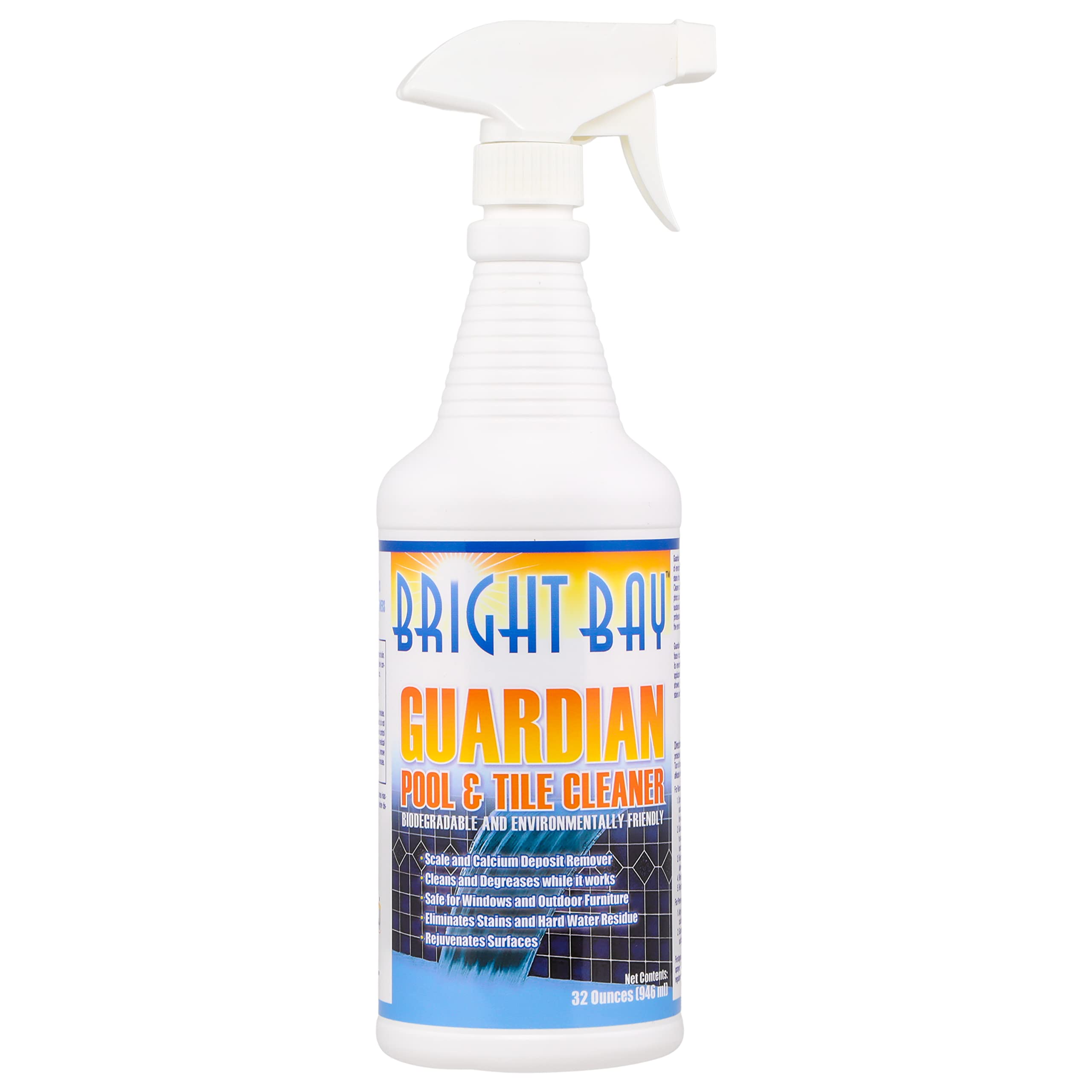
Select a cleaner made specifically for hardwater stains. Check the label to ensure it is safe for your furniture’s material. Some cleaners work best on metal, while others suit plastic or wood. Avoid harsh chemicals that might damage paint or finishes. Pick eco-friendly options to protect your garden and pets.
Application Tips
Always read the instructions before use. Test the cleaner on a small hidden spot first. Apply the cleaner evenly using a soft cloth or sponge. Let it sit a few minutes to break down the deposits. Rinse thoroughly with water to remove all residue. Repeat if needed, but do not scrub hard to avoid scratches.
Step-by-step Cleaning Process
Removing hard water deposits from outdoor furniture takes patience and the right method. Follow these simple steps to restore your furniture’s look. Clean each part carefully to avoid damage. Use gentle products that work well against tough stains. This process makes cleaning easier and more effective.
Applying Cleaner
Choose a cleaner made for hard water stains. Apply it evenly on the affected areas. Use a spray bottle or cloth for good coverage. Let the cleaner sit for 5 to 10 minutes. This softens the deposits and helps break them down.
Scrubbing Techniques
Use a soft brush or sponge to scrub the surface. Work in small circles to lift the stains. Avoid harsh scrubbing that can scratch your furniture. Focus on corners and crevices where deposits build up. Repeat scrubbing if stains remain after the first pass.
Rinsing And Drying
Rinse the furniture with clean water to remove residue. Use a hose or bucket for thorough rinsing. Wipe down with a dry cloth to prevent water spots. Let your furniture dry completely in the sun. This prevents new deposits from forming quickly.
Preventing Future Deposits
Preventing hardwater deposits on outdoor furniture saves time and effort. It keeps your furniture looking clean and new for longer. Simple habits and protective steps help stop buildup before it starts. Consistent care is key to avoiding tough stains and damage.
Regular Maintenance
Clean your furniture often with mild soap and water. This removes dirt and minerals before they settle. Wipe surfaces dry after rain or watering plants nearby. Quick cleaning stops hardwater deposits from forming. Check furniture weekly during wet seasons for early signs.
Protective Coatings
Apply a water-repellent spray to shield surfaces. These coatings create a barrier against minerals and moisture. Reapply every few months for continued protection. Choose products made for outdoor use and safe for your furniture material. Protective layers make cleaning easier and prevent stains.
Covering Furniture
Use covers when furniture is not in use. Covers block rain and sprinklers from reaching the surfaces. Pick breathable covers to avoid moisture buildup underneath. Store furniture in a shaded spot to reduce sun and water exposure. Covers reduce the chance of hardwater deposits forming.
Credit: poolzilla.com
Troubleshooting Stubborn Stains
Hardwater deposits can be tough to remove from outdoor furniture. Sometimes, stains stay even after cleaning. These stubborn spots need extra care and attention. Knowing how to handle them helps keep your furniture looking fresh and clean.
Repeated Cleaning
Some stains need more than one cleaning session. Use a soft brush and mild cleaner again. Let the cleaner sit on the stain for a few minutes. Then scrub gently to break down the deposits. Rinse with water and dry the furniture well. Repeat this process until the stain fades.
Professional Help
Stains that do not go away may need expert care. Professionals have special tools and products. They can remove tough deposits without damaging the furniture. Hiring help saves time and effort. It also protects your furniture from harsh treatment.
Frequently Asked Questions
What Causes Hardwater Deposits On Outdoor Furniture?
Hardwater deposits form from minerals like calcium and magnesium in water. When water evaporates, these minerals leave white, chalky stains on furniture surfaces. Outdoor furniture exposed to rain or sprinkler water often accumulates these deposits over time.
How Can I Remove Hardwater Stains Safely?
Use a mixture of equal parts white vinegar and water. Apply it to the stained area with a soft cloth. Let it sit for 5–10 minutes, then gently scrub and rinse with clean water. Vinegar dissolves mineral deposits without harming most furniture finishes.
Are Commercial Cleaners Effective For Hardwater Deposits?
Yes, many commercial cleaners are designed to remove mineral deposits. Choose one labeled safe for outdoor furniture materials. Always follow the product instructions and test on a small area first to prevent damage or discoloration.
Can Hardwater Deposits Damage Outdoor Furniture?
Yes, if left untreated, mineral buildup can cause surface discoloration and corrosion. It may also degrade protective coatings, reducing furniture lifespan. Regular cleaning prevents damage and keeps furniture looking new.
Conclusion
Removing hardwater deposits from outdoor furniture does not have to be hard. Use simple household items like vinegar or baking soda for cleaning. Regular cleaning helps keep your furniture looking fresh. Avoid letting deposits build up over time. Clean your furniture gently to prevent damage.
With a little care, your outdoor space stays inviting and comfortable. Remember, small efforts make a big difference in maintenance. Enjoy your furniture longer by keeping it free from hardwater stains. Simple steps, great results.


