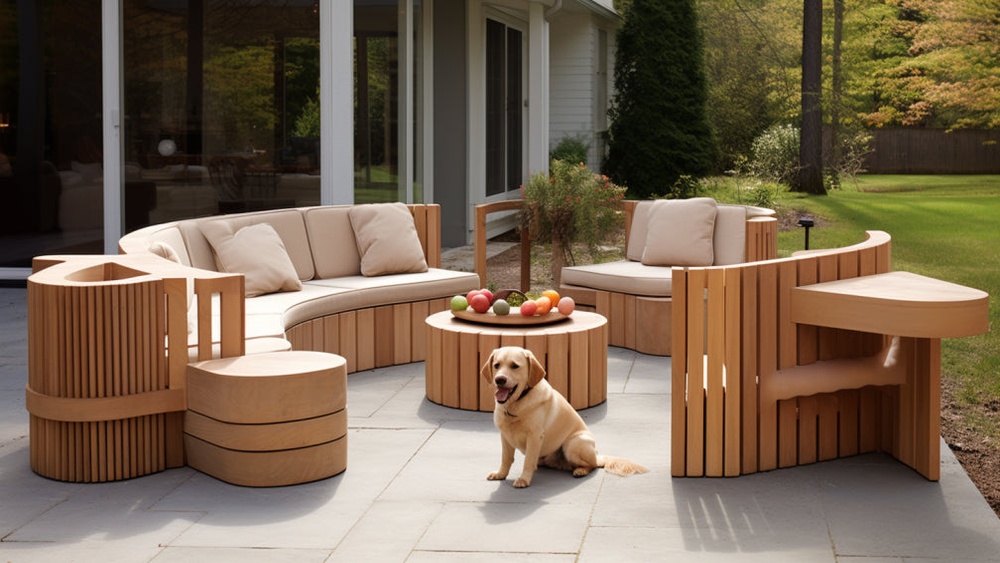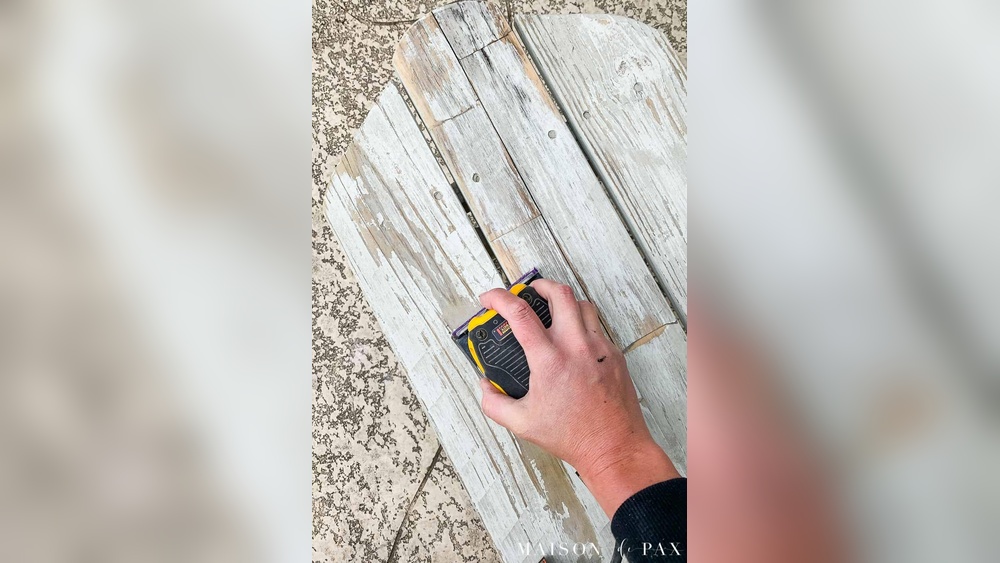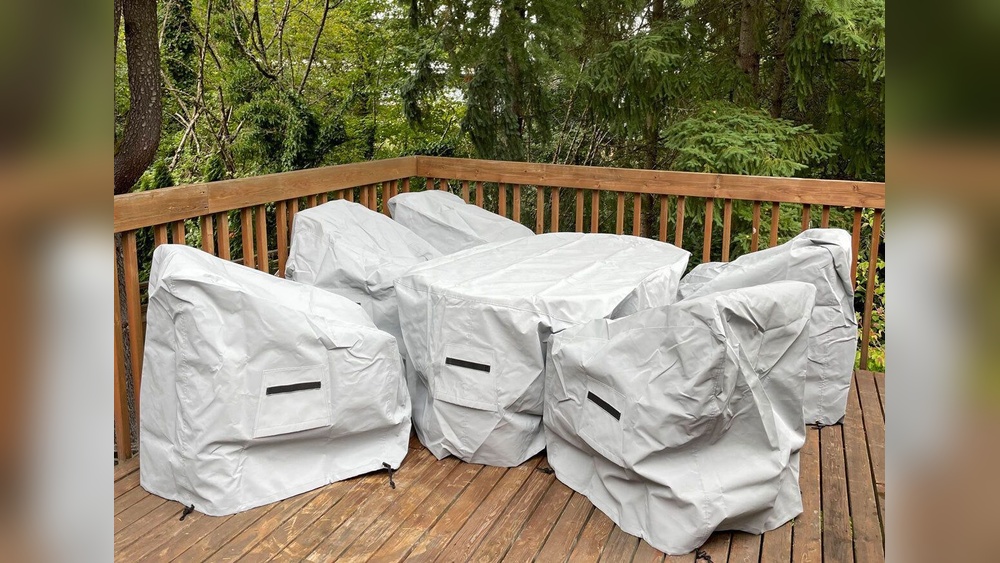
Are you tired of watching your outdoor furniture fade, crack, or get damaged by the weather? You want to protect your investment, but store-bought covers often don’t fit right or wear out quickly.
What if you could create custom covers tailored perfectly to your furniture? Making your own outdoor furniture covers is easier than you think—and it saves you money while giving your pieces the protection they deserve. Keep reading, and you’ll discover simple steps to craft durable, weatherproof covers that fit like a glove and keep your furniture looking great season after season.
Materials Needed
Gathering the right materials is the first step to making custom outdoor furniture covers. The quality of your materials affects the cover’s durability and protection. Choosing suitable fabrics and tools simplifies the sewing process. This section breaks down everything you need to create strong, weather-resistant covers.
Choosing The Right Fabric
Select fabric that resists water and UV rays. Heavy-duty polyester or vinyl works well. Look for materials labeled as waterproof or water-resistant. A fabric with a tight weave blocks dust and dirt. Choose colors that match your outdoor decor. Durable fabric lasts through rain, sun, and wind.
Essential Tools
Basic sewing tools make the project easier. A strong sewing machine handles thick fabrics better. Sharp fabric scissors ensure clean cuts. Use pins or fabric clips to hold pieces in place. A measuring tape helps get exact cover sizes. Chalk or fabric markers guide your cutting lines.
Additional Supplies
Use thread that matches your fabric color. Heavy-duty or outdoor thread resists breaking. Waterproof seam tape seals stitches from moisture. Consider adding zippers or Velcro for easy removal. Elastic cords or straps help secure covers to furniture. These extras improve cover fit and function.
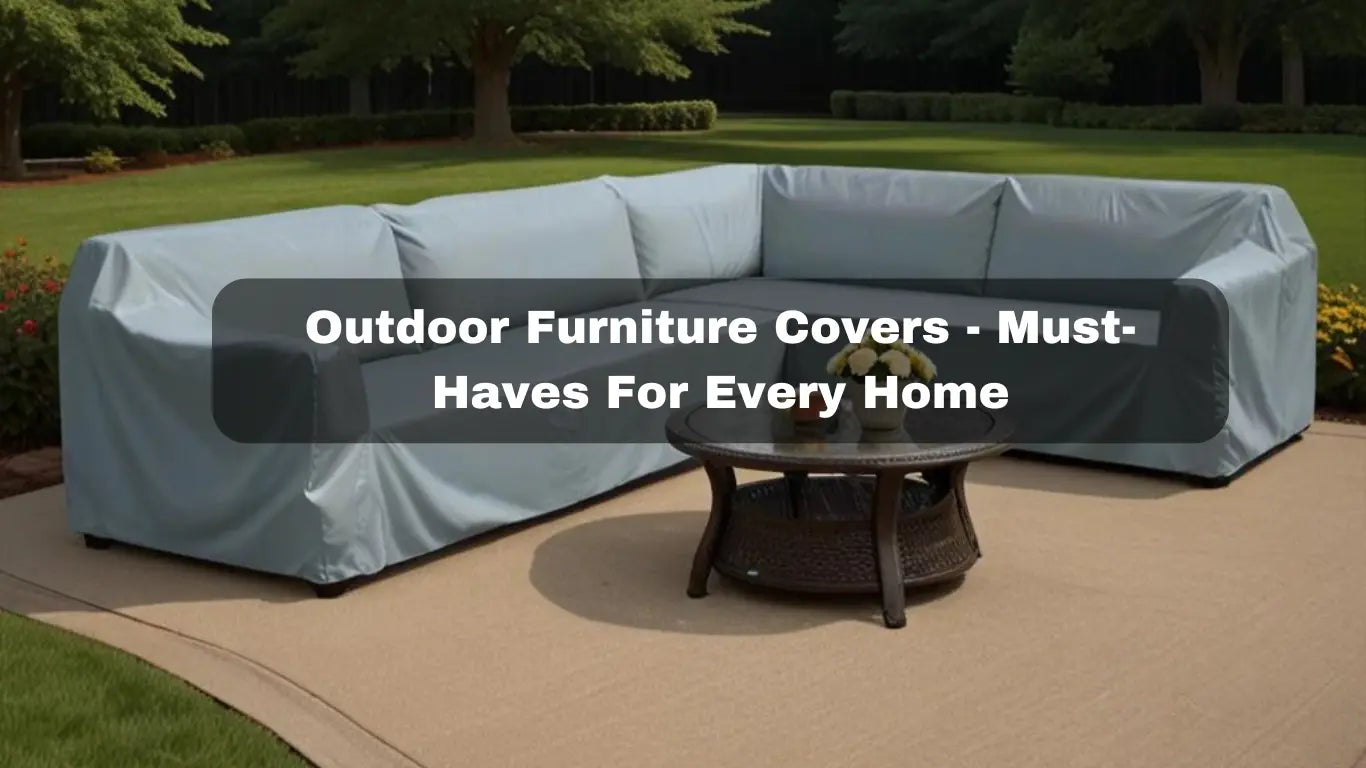
Credit: zipcushions.com
Measuring Your Furniture
Measuring your outdoor furniture correctly is the first step in making custom covers. Good measurements ensure the cover fits well and protects your furniture. Taking time to measure carefully saves you from making covers that are too tight or too loose. Use a tape measure and write down all the numbers clearly.
Taking Accurate Dimensions
Start by measuring the height, width, and depth of each piece of furniture. Measure at the widest and tallest points. Don’t forget to include armrests and cushions. Take the measurements twice to be sure they are correct. Record each dimension separately to avoid confusion.
Allowing For Seam And Fit
Add extra inches to your measurements for seams and ease of fit. Usually, add 2 to 4 inches to each side. This extra space helps the cover go on easily and prevents it from being too tight. Also, it allows room for sewing seams and hems. Plan for a little slack so the cover stays in place without stretching.
Cutting The Fabric
Cutting the fabric is the first big step in making custom outdoor furniture covers. It sets the shape and size for your covers. Accurate cutting ensures a neat fit and protects your furniture well.
Measure twice, cut once. This rule helps avoid mistakes and wasted fabric. Take your time marking and cutting. A careful start makes the whole project easier and better.
Marking The Patterns
Start by laying your fabric flat on a clean surface. Place your pattern pieces on the fabric. Use a fabric marker or chalk to trace around the patterns. Make sure lines are clear but easy to remove later.
Leave extra space around the edges for seams. About one inch is enough. Mark any important points like corners or folds. These marks guide your sewing later on.
Tips For Precise Cutting
Use sharp fabric scissors for smooth cuts. Dull scissors cause frayed edges and uneven lines. Cut slowly along the marked lines. Keep the fabric flat to avoid shifting.
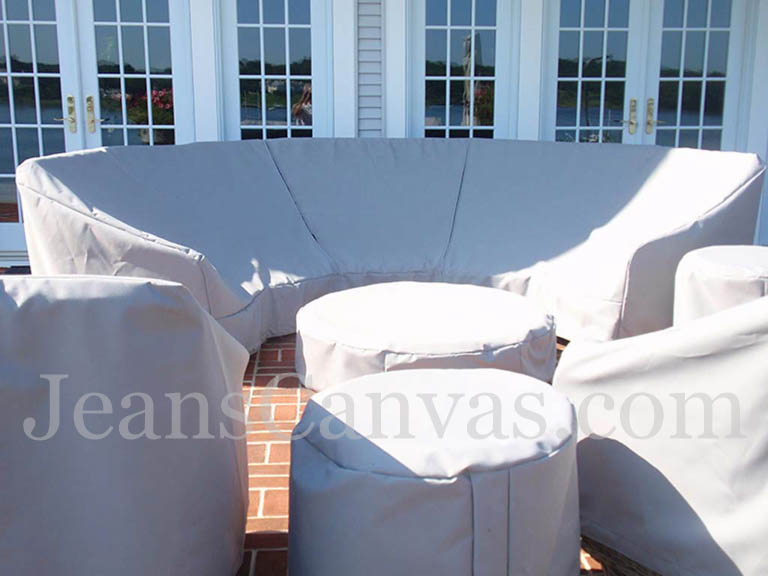
Cut one piece at a time to stay accurate. Avoid lifting the fabric too much. Follow the marked edges closely for the best fit. Clean cuts help your cover look professional and last longer.
Credit: jeanscanvas.com
Sewing The Pieces
Sewing the pieces of your custom outdoor furniture covers is a key step. It joins the fabric panels into a strong, protective cover. Proper stitching keeps the cover durable and weather-resistant.
Focus on neat seams and secure joins. Use the right needle and thread for outdoor fabric. Take your time to align edges before sewing. This ensures a clean fit and professional look.
Basic Stitching Techniques
Start with a straight stitch for all main seams. This stitch is strong and simple to do. Keep stitch length medium to avoid fabric puckering.
Use a sewing machine for even, consistent stitches. Hand sewing is slower and less durable. Backstitch at the start and end of each seam. This locks stitches in place.
Reinforcing Stress Points
Stress points like corners and edges need extra strength. Sew a double stitch or a zigzag stitch here. These stitches add flexibility and prevent tearing.
Add fabric patches under stress areas for better support. Sew around the patches firmly. This keeps your cover intact during strong wind or heavy rain.
Adding Fasteners
Adding fasteners to your custom outdoor furniture covers helps keep them secure. Fasteners stop covers from blowing away in the wind. They also make it easy to put covers on and take them off. Choose the right fasteners for your needs and furniture type.
Choosing Between Zippers And Velcro
Zippers offer a tight, secure closure. They protect furniture from dust and rain well. But zippers can be hard to sew and may break over time. Velcro is easier to attach and use. It allows quick removal of covers. Velcro may not seal as tightly as zippers. Choose based on how often you remove covers and weather conditions.
Installing Drawstrings And Grommets
Drawstrings add extra hold by tightening the cover around furniture legs. Grommets protect fabric holes from tearing. Install grommets at corners or edges to thread drawstrings through. Drawstrings help keep covers snug and prevent flapping. This method works well for chairs, tables, and grills. Use strong cords and durable grommets for long-lasting covers.

Credit: www.amazon.com
Waterproofing And Protection
Protecting your custom outdoor furniture covers from water damage is key. Waterproofing keeps rain, dew, and spills from soaking through. It helps your covers last longer and keeps your furniture safe. Proper protection stops mold, mildew, and stains.
Use good materials and techniques to make covers water-resistant. This part is simple but very important. The right steps can make your covers strong against weather.
Applying Waterproof Coatings
Choose a waterproof spray or liquid made for fabric. Test it on a small area first. Spray or brush evenly over the cover. Let it dry fully between coats. Two or three layers work best. Reapply after heavy rain or every few months. This adds a strong barrier against water.
Maintaining Durability Over Time
Keep covers clean and dry when not in use. Store in a cool, dry place. Check for tears or holes regularly. Patch small holes quickly with fabric glue or patches. Avoid leaving covers in direct sun for long. Sun weakens fabric and coating. Replace waterproofing as needed to keep covers tough.
Customizing Your Covers
Custom outdoor furniture covers protect your furniture and add style. You can make them unique with simple touches. Personalizing your covers lets you match your outdoor space perfectly.
Creating custom covers means choosing designs that fit your taste. Small changes make a big difference in appearance and function. Explore easy ways to customize your covers below.
Adding Decorative Elements
Decorative elements bring charm to plain covers. Sew on patches or appliques for a fun look. Use fabric paint to create designs or patterns.
Buttons, ribbons, or lace can add texture and interest. Attach loops or ties to secure covers neatly. These little details make your covers stand out.
Personalizing With Colors And Patterns
Choose colors that blend with your outdoor décor. Bright colors add energy, while soft tones create calm. Patterns like stripes or florals bring personality.
Mix and match fabrics for a unique style. Select weather-resistant materials to keep colors bright. Color choices can change the whole feel of your outdoor space.
Tips For Care And Storage
Custom outdoor furniture covers need care to last longer. Proper cleaning and storage keep them strong and looking good. Follow these tips to protect your covers from damage and dirt. Simple habits help maintain their quality all year round.
Cleaning Your Covers
Remove loose dirt with a soft brush. Use mild soap and warm water for washing. Gently scrub the surface to avoid damage. Rinse well to remove all soap residue. Let covers air dry completely before storing. Avoid harsh chemicals that can weaken fabric.
Proper Storage Practices
Store covers in a cool, dry place away from sunlight. Fold them neatly to save space and avoid creases. Use breathable storage bags to prevent moisture buildup. Keep covers off the ground to stop mold growth. Check covers periodically for any signs of wear or damage.
Frequently Asked Questions
What Materials Are Best For Custom Outdoor Furniture Covers?
Waterproof and UV-resistant fabrics like polyester or vinyl are ideal. These materials protect against rain, sun damage, and dirt. They ensure durability and long-lasting use for your custom covers.
How Do I Measure Furniture For Custom Covers?
Measure the height, width, and depth of each furniture piece. Add a few extra inches for a snug fit. Accurate measurements ensure your covers fit perfectly and provide full protection.
Can I Make Outdoor Covers Breathable To Prevent Mold?
Yes, use breathable fabrics or include ventilation grommets. This allows air circulation and reduces moisture buildup. Proper ventilation helps prevent mold and mildew on your furniture.
How Do I Secure Custom Outdoor Covers In Windy Weather?
Add adjustable straps, elastic hems, or Velcro closures to your covers. These features keep covers firmly in place during strong winds. Securing covers prevents damage and keeps furniture protected.
Conclusion
Custom outdoor furniture covers protect your items from weather damage. You can save money by making your own covers at home. Choose the right fabric that suits your furniture and climate. Measure carefully to ensure a perfect fit every time.
Sewing the covers lets you add personal touches and adjust as needed. With patience and simple tools, anyone can create durable covers. Keep your outdoor furniture clean and dry for longer use. Enjoy your outdoor space without worry about damage or wear.
Making covers yourself is practical and satisfying too.