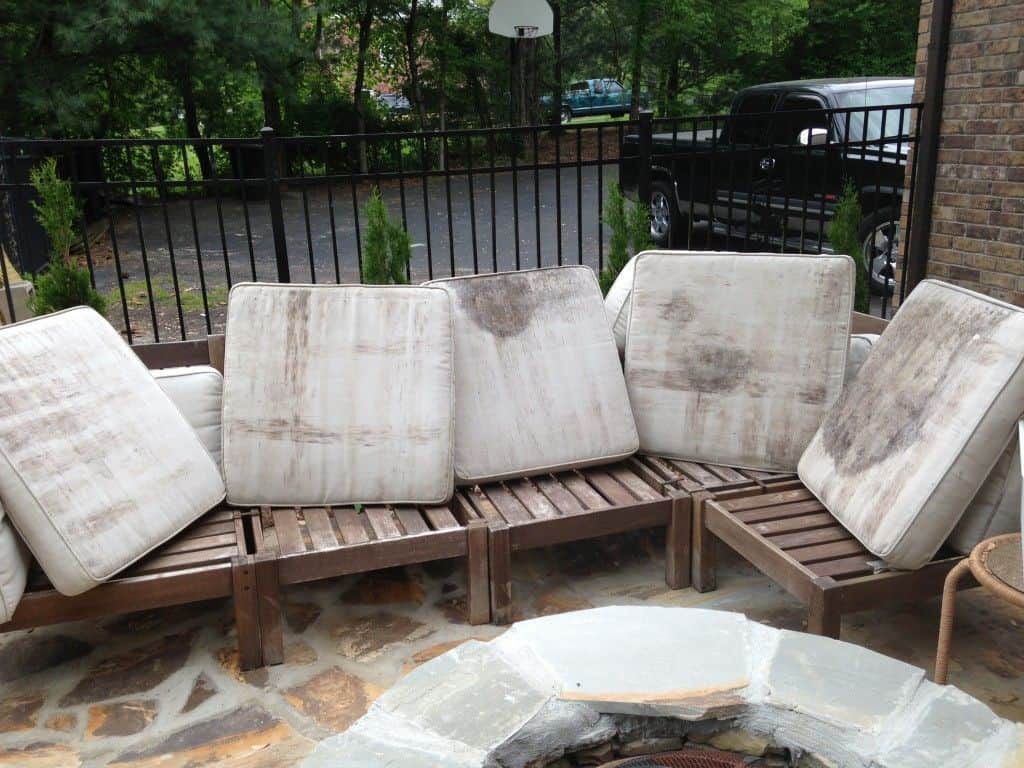
Mold on your outdoor furniture covers can be frustrating and stubborn. It not only looks bad but can also damage your covers and affect your health.
If you’ve noticed those unwelcome dark spots creeping in, you’re probably wondering how to get rid of them quickly and safely. You’ll discover simple, effective ways to remove mold and keep your covers looking fresh all season long. Keep reading to learn easy steps that will save your furniture and give you peace of mind.
Credit: www.simplyspotless.com.au
Causes Of Mold On Outdoor Covers
Mold on outdoor furniture covers is a common problem. It grows when conditions are right. Understanding what causes mold helps prevent it. Outdoor covers face unique challenges that make mold growth easier. Three main causes stand out.
Humidity And Moisture Factors
Mold thrives in damp places. Outdoor covers often stay wet from rain or dew. High humidity keeps covers moist for long periods. Moisture seeps into the fabric and stays trapped. This wet environment helps mold spores grow fast. Drying covers quickly reduces mold chances.
Lack Of Airflow
Airflow helps keep covers dry. Covers left in tight, closed spaces hold moisture. Without fresh air, dampness stays inside the fabric. Mold spores need this still, wet air to grow. Using covers in open areas allows air to flow. This prevents moisture buildup and mold growth.
Material Vulnerability
Some cover materials hold water more than others. Thick fabrics or plastic-coated covers trap moisture inside. Natural fibers like cotton absorb water easily. Synthetic fabrics may resist water but trap humidity inside. Choosing breathable, water-resistant materials lowers mold risk.
Tools And Supplies Needed
Removing mold from outdoor furniture covers needs the right tools and supplies. Using proper items makes cleaning easier and safer. Prepare everything before starting to save time and effort.
Cleaning Agents
Choose a cleaning agent that fights mold effectively. White vinegar and baking soda work well and are safe. For tough mold, a mild detergent or a specialized mold cleaner helps. Avoid harsh chemicals that may damage fabric or harm the environment.
Brushes And Sponges
Use soft brushes to scrub mold gently. A nylon brush is a good choice. Sponges help apply cleaning agents evenly. Avoid hard brushes that can tear the fabric. Clean tools after use to prevent spreading mold spores.
Protective Gear
Wear gloves to protect your hands from mold and cleaners. Use a mask to avoid breathing mold spores. Safety glasses keep cleaning sprays out of your eyes. Dress in old clothes that can get dirty or wet.
Step-by-step Cleaning Process
Removing mold from outdoor furniture covers requires a careful cleaning process. Follow these clear steps to restore your covers safely and effectively. The method removes mold, dirt, and odors without damaging the fabric.
Work in a shaded area to prevent quick drying during cleaning. Prepare all materials before starting. This helps finish the task smoothly and saves time.
Pre-cleaning Preparation
Begin by brushing off loose dirt and mold with a soft brush. Wear gloves and a mask to protect yourself from mold spores. Move the covers outdoors or to a well-ventilated space. Check the care label for washing instructions to avoid damage.
Applying Mold Remover
Choose a mold remover safe for fabric. Mix a solution of mild detergent and water or use a commercial mold cleaner. Spray or apply the solution evenly on the moldy areas. Let it sit for 10 to 15 minutes to break down mold and stains.
Scrubbing Techniques
Use a soft-bristle brush or sponge for scrubbing. Gently scrub the moldy spots in circular motions. Focus on areas with heavy mold growth but avoid harsh scrubbing. This prevents fabric wear and color fading.
Rinsing And Drying
Rinse the covers thoroughly with clean water to remove all soap and mold residue. Use a hose or bucket for rinsing outdoors. Squeeze out excess water without wringing the fabric. Hang the covers in full sun to dry completely. Sunlight helps kill remaining mold spores.

Credit: www.reddit.com
Natural Remedies For Mold Removal
Mold on outdoor furniture covers can ruin their look and smell bad. Natural remedies offer safe ways to clean mold without harsh chemicals. These methods use simple ingredients found at home. They help remove mold and keep your covers fresh.
Using natural solutions protects the environment and your family. These remedies work well and are easy to prepare. Below are some effective natural options for mold removal.
Vinegar Solutions
White vinegar kills most mold types. Fill a spray bottle with white vinegar. Spray the moldy areas on your furniture covers. Let it sit for one hour without rinsing. The smell fades as the vinegar dries.
After one hour, scrub gently with a soft brush. Rinse with water and dry the covers in sunlight. Vinegar’s acidity breaks down mold and stops it from growing.
Baking Soda Paste
Baking soda is a gentle, natural cleaner. Mix baking soda with water to make a thick paste. Spread the paste over the moldy spots on your covers. Leave it for 10 to 15 minutes.
Use a brush to scrub the paste into the fabric. Rinse with clean water and let the covers dry outside. Baking soda removes mold and absorbs odors effectively.
Lemon Juice Applications
Lemon juice has natural antibacterial properties. Squeeze fresh lemon juice directly onto mold stains. Allow it to sit for at least 15 minutes.
Scrub the area lightly with a cloth or brush. Rinse with water and dry in sunlight. Lemon juice brightens fabric and helps remove mold without damage.
Preventing Mold Growth
Mold grows fast on outdoor furniture covers. It loves damp, dark places. Stopping mold means keeping covers dry and clean. A few simple habits keep mold away. Protect your furniture and save money on replacements.
Proper Storage Tips
Store covers in a dry place. Avoid damp basements or garages. Use breathable storage bags or containers. Keep covers away from direct sunlight. Fold them loosely to allow air flow. Proper storage cuts mold risks significantly.
Regular Cleaning Schedule
Clean covers often to prevent mold buildup. Use mild soap and warm water. Scrub gently with a soft brush. Rinse thoroughly and dry completely. Do not store covers wet or damp. A regular cleaning habit keeps covers fresh.
Using Protective Covers
Use extra protective covers over furniture covers. Choose waterproof and breathable materials. They block moisture but allow air flow. Protective covers reduce dampness and mold growth. Replace them if torn or damaged. This simple step adds extra mold protection.
When To Replace Outdoor Covers
Knowing when to replace outdoor furniture covers saves time and money. Covers protect your furniture from dirt, rain, and sun. Mold can damage covers beyond repair. Sometimes cleaning is not enough. It is important to spot signs that show it’s time for a new cover.
Signs Of Irreversible Damage
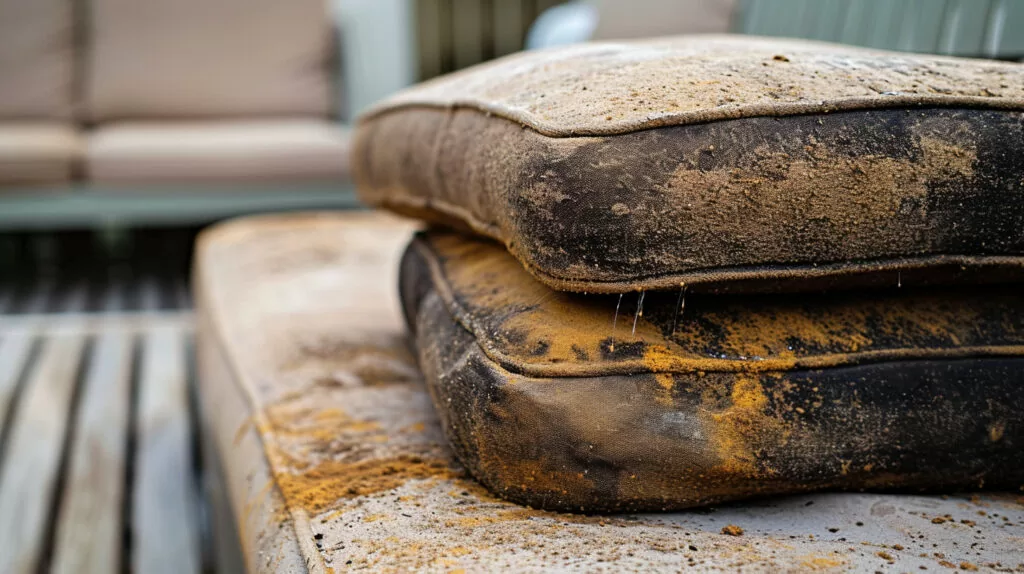
Look for holes or tears in the fabric. Mold stains that do not wash out mean deep damage. A musty smell that stays after cleaning shows mold has set in. Fabric that feels weak or thin breaks easily. If covers lose their waterproof ability, they cannot protect furniture anymore.
Choosing Mold-resistant Materials
Select covers made from synthetic fabrics like polyester or vinyl. These materials dry quickly and resist mold better. Look for covers with waterproof coatings and sealed seams. Breathable fabrics help prevent moisture buildup. Choosing mold-resistant materials helps covers last longer and keeps furniture safe.
Credit: www.patioproductions.com
Frequently Asked Questions
How Do I Remove Mold From Outdoor Furniture Covers?
Use a mixture of water and mild detergent to scrub the covers. Rinse thoroughly and dry completely in the sun to prevent mold regrowth.
What Natural Cleaners Work Best For Mold On Covers?
White vinegar and baking soda effectively kill mold. Spray vinegar on the cover, let it sit, then scrub with baking soda and rinse well.
Can Bleach Safely Clean Mold On Outdoor Fabric?
Yes, dilute bleach can remove mold but may fade colors. Test a small area first and use protective gloves when applying.
How To Prevent Mold On Outdoor Furniture Covers?
Keep covers dry and store them in a well-ventilated area. Regularly clean and air out covers to stop mold growth.
Conclusion
Cleaning mold from outdoor furniture covers is easier than it seems. Use gentle soap and water to scrub the mold away. Let the covers dry completely in the sun to stop mold from growing back. Regular cleaning keeps your covers fresh and lasts longer.
Store covers in dry places when not in use. Taking care of your outdoor furniture covers protects your investment. Enjoy your outdoor space without worrying about mold. Simple steps make a big difference in keeping covers clean. Keep checking for mold often to catch it early.