Is your aluminum outdoor furniture looking dull, worn, or just plain tired? You don’t have to toss it out or spend a fortune on new pieces.
Imagine bringing back that fresh, shiny look without much effort or expensive tools. In this guide, you’ll discover simple and effective ways to revive your aluminum outdoor furniture so it looks brand new again. Keep reading, and you’ll learn easy steps that anyone can follow to restore the beauty and comfort of your outdoor space.
Your furniture deserves a second chance—and you’re just a few tips away from making it happen.
Credit: www.dcpaintsolutions.com
Assessing Furniture Condition
Before reviving aluminum outdoor furniture, check its condition carefully. This step helps you know what needs fixing or cleaning. A good assessment saves time and effort later. It also makes sure your furniture lasts longer.
Checking For Damage
Look closely for dents, cracks, or bends. Press gently to see if any parts feel loose. Check joints and screws for stability. Small problems can grow if ignored. Take notes on what needs repair or replacement.
Identifying Rust Spots
Rust can appear as orange or brown patches. Check all metal areas, especially corners and joints. Rust weakens the metal and causes more damage. Use a wire brush or sandpaper to remove light rust. Mark heavy rust spots that need special care.
Evaluating Paint Wear
Paint protects aluminum from weather. Look for peeling, chipping, or fading. Scratched areas can rust more easily. Check if the paint covers all surfaces evenly. Decide if repainting is necessary to keep the furniture safe and good-looking.
Gathering Necessary Tools
Reviving aluminum outdoor furniture starts with gathering the right tools. Having these tools ready makes the process smooth and effective. This step saves time and ensures great results.
Cleaning Supplies
Start with basic cleaning supplies. Use mild soap to remove dirt and grime. A soft brush helps reach small crevices. Clean water rinses off the soap. Use clean cloths to dry the furniture. Avoid harsh chemicals that can damage aluminum.
Sanding Materials
Sanding removes old paint and smooths the surface. Use fine-grit sandpaper for aluminum. A sanding block helps keep the surface even. Sand gently to avoid scratches. Wear a mask to avoid dust inhalation. Clean the dust after sanding with a damp cloth.
Painting Equipment
Choose paint made for metal surfaces. Use a spray paint for even coverage. Have primer ready to help paint stick better. Use painter’s tape to protect areas you don’t want painted. Prepare a well-ventilated space for painting. Gloves keep your hands clean and safe.
Cleaning The Furniture
Cleaning aluminum outdoor furniture is the first step to bring back its shine. Dirt and dust build up over time, making the furniture look dull. A simple cleaning routine can refresh its look and protect the metal from damage. Follow these steps for a clean and bright finish.
Removing Dirt And Debris
Start by removing loose dirt and debris. Use a soft brush or cloth to sweep off dust. Pay attention to corners and crevices where dirt hides. Avoid using hard brushes that may scratch the surface. This step prepares the furniture for deeper cleaning.
Using Mild Detergents
Mix a few drops of mild detergent with warm water. Use a soft sponge or cloth to apply the solution. Gently scrub the furniture to remove stains and grime. Mild detergents clean well without harming the aluminum’s finish. Avoid harsh chemicals that can cause discoloration.
Rinsing And Drying
Rinse the furniture thoroughly with clean water. Make sure all soap residue is washed away. Use a garden hose or a bucket for rinsing. Dry the furniture using a soft towel or let it air dry. Proper drying prevents water spots and keeps the surface smooth.
Treating Rust And Corrosion
Rust and corrosion can ruin aluminum outdoor furniture’s look and strength. Treating these issues quickly helps keep your furniture in good shape. This section explains simple steps to fix rust and stop it from coming back.
Sanding Rust Areas
Use sandpaper or a wire brush to remove rust spots. Sand the affected areas gently until the metal looks clean and smooth. This step removes loose rust and prepares the surface for treatment.
Applying Rust Converter
Rust converters turn rust into a stable, paintable surface. Apply the converter with a brush or cloth on the sanded spots. Let it dry fully before moving to the next step. This stops rust from spreading and protects the metal.
Preventing Future Rust
Keep your furniture dry and clean to avoid rust. Use covers during rain or snow. Apply a protective coat of paint or clear sealant every year. These steps help your aluminum furniture last longer and look great.
Sanding And Smoothing
Sanding and smoothing are key steps to restore aluminum outdoor furniture. These steps remove old paint, rust, and rough spots. They prepare the surface for a fresh finish. Proper sanding makes the furniture look smooth and clean. It also helps paint or sealant stick better.
Choosing The Right Grit
Select sandpaper grit based on the furniture’s condition. Start with coarse grit like 80 or 100 for heavy rust or paint. Use medium grit, around 150, to smooth rough surfaces. Finish with fine grit, such as 220, to create a smooth finish. Using the right grit prevents damage and ensures good results.
Sanding Techniques
Sand in the direction of the metal grain. Use even, gentle strokes to avoid scratches. Focus on rusty or peeling areas first. Change to finer grit sandpaper as the surface smooths. For curves and corners, use sanding blocks or sponges to reach tight spots. Take your time for an even surface.
Wiping Down Dust
After sanding, remove dust with a clean cloth. Use a damp cloth to catch fine particles. Make sure the surface is dry before painting or sealing. Dust-free surfaces help paint adhere better. Wiping down improves the final look and durability of your furniture.
Priming The Surface
Priming the surface is a key step to restore aluminum outdoor furniture. It helps paint stick better and protects the metal from rust. A good primer creates a smooth base and improves the finish quality. Skipping this step can cause peeling and chipping later.
Selecting Primer Types
Choose a primer made for metal surfaces. Look for rust-inhibiting formulas for added protection. Oil-based primers work well on aluminum. Some water-based primers also offer good adhesion. Check the label to ensure the primer suits outdoor use.
Applying Primer Evenly
Apply primer in thin, even coats. Use a brush or spray for smooth coverage. Avoid thick layers to prevent drips and uneven drying. Light sanding between coats can help smooth the surface. Work in a well-ventilated area for safety.
Drying Time Tips
Let the primer dry completely before painting. Follow the manufacturer’s recommended drying time. Usually, it takes one to two hours. Avoid rushing to prevent paint bubbling or peeling. Drying in a warm, dry place speeds up the process.
Painting For A Fresh Look
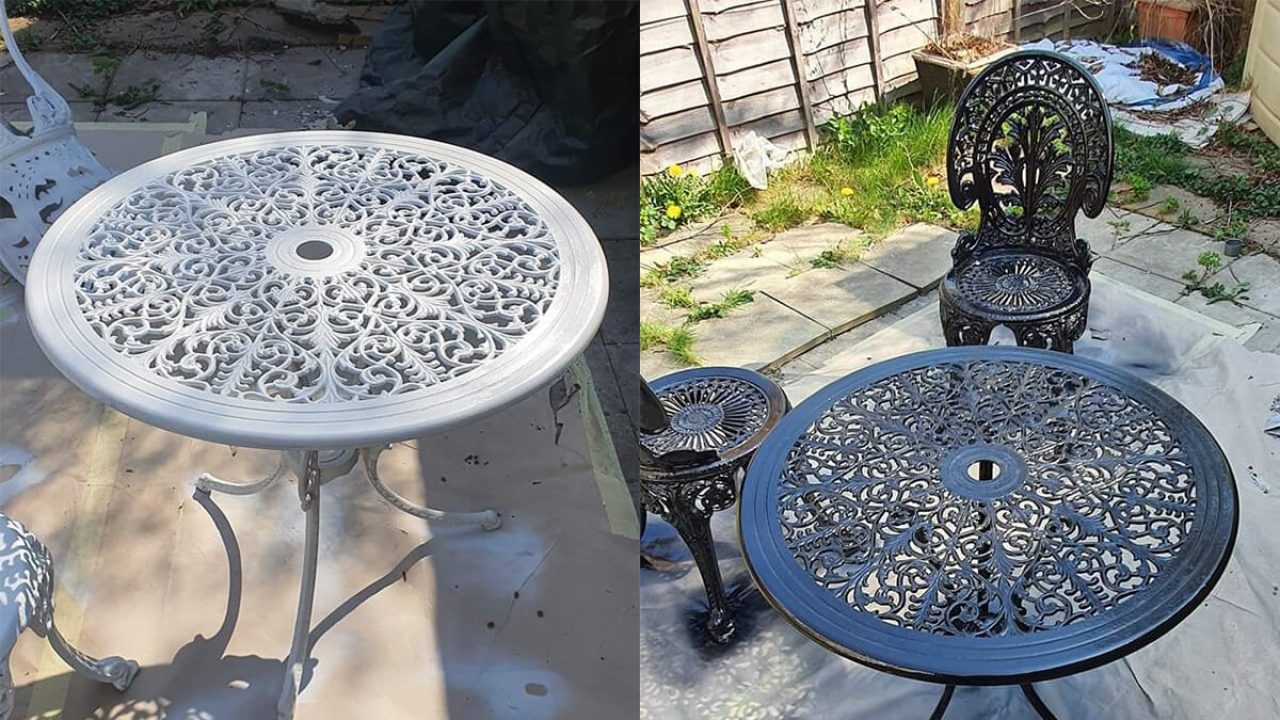
Painting aluminum outdoor furniture gives it a fresh, new look. It covers up scratches and dull spots. It also protects the metal from weather damage. A good paint job can make old furniture look like new. Follow simple steps for a smooth, lasting finish.
Choosing Outdoor Paint
Select paint made for metal and outdoor use. Look for rust-resistant and waterproof options. Acrylic or enamel paints work well on aluminum. Pick a color that matches your style and outdoor space. Test a small area first to see how the paint sticks.
Spray Vs Brush Application
Spray paint covers large areas quickly and evenly. It reaches small crevices with ease. Use spray paint in open, ventilated spaces. Brush painting takes more time but offers control. It’s good for detailed or small parts. Choose based on your skill and project size.
Multiple Coats And Drying
Apply thin coats for a smooth finish. Let each coat dry completely before adding another. Usually, two to three coats work best. Thin layers prevent drips and peeling later. Follow the paint label for drying times. Patience ensures a strong, beautiful surface.
Sealing And Protecting
Sealing and protecting aluminum outdoor furniture keeps it looking fresh and new. It stops rust, fading, and damage from sun and rain. A good sealant adds a clear layer that shields your furniture. This section explains how to use sealants and maintain your pieces.
Using Clear Sealants
Clear sealants create a thin, invisible coat on aluminum surfaces. Choose a sealant made for metal outdoors. Apply it with a brush or spray in a clean, dry place. Let the sealant dry fully before using the furniture. This step keeps moisture and dirt out.
Enhancing Durability
Sealants help aluminum resist scratches and weather effects. They stop oxidation that causes dullness and rust. Reapply sealant every year to keep strong protection. Using sealants extends furniture life and keeps colors bright. It saves money on repairs and replacements.
Maintenance Tips
Clean furniture before sealing to remove dust and grime. Use mild soap and water for cleaning. Avoid harsh chemicals that damage the sealant. Check furniture regularly for chips or cracks in the coating. Repair these spots quickly to prevent rust. Store furniture under cover during harsh weather.
Restoring Cushions And Accessories
Restoring cushions and accessories breathes new life into aluminum outdoor furniture. Cushions soften the metal frame and add comfort. Accessories like pillows and throws enhance style and coziness. This part of the restoration makes your furniture inviting again.
Cleaning Fabric Covers
Remove the fabric covers from the cushions carefully. Check the care label for washing instructions. Use mild soap and warm water to clean most covers. Gently scrub with a soft brush to remove dirt and stains. Rinse thoroughly and air dry in the shade. Avoid harsh chemicals that can damage fabric fibers.
Replacing Worn Parts
Inspect cushions and accessories for tears or flattened foam. Replace foam inserts if they no longer provide support. Sew or patch small tears in fabric covers to extend their life. Consider buying new covers if damage is extensive. Replace broken straps, ties, or zippers to keep cushions secure.
Coordinating Colors
Choose cushion colors that complement your outdoor space. Match or contrast colors with your aluminum furniture frame. Use neutral tones for a classic look or bright colors for vibrancy. Add patterned pillows to create visual interest. Keep your style consistent for a polished appearance.

Credit: www.youtube.com
Regular Maintenance Practices
Keeping aluminum outdoor furniture in good shape needs regular care. This helps the furniture last longer and look good. Simple steps done often can stop damage and keep the metal shiny. Regular maintenance also saves money by avoiding big repairs.
Seasonal Cleaning
Clean aluminum furniture at the start of each season. Use mild soap and warm water. Avoid harsh cleaners that can harm the finish. A soft cloth or sponge works best. Rinse well and dry with a towel. This removes dirt, pollen, and grime. Clean furniture looks fresh and prevents stains.
Covering Furniture
Cover furniture when not in use. Use waterproof covers to keep rain and dust away. Covers protect against sun damage and fading. They also stop scratches from falling branches or pets. Make sure covers fit well to avoid moisture buildup. Good covers keep furniture ready for use anytime.
Inspecting For Damage
Check furniture regularly for signs of damage. Look for scratches, dents, or loose parts. Fix small problems quickly to avoid bigger issues. Tighten screws and bolts as needed. Remove rust spots with fine sandpaper. Early care keeps furniture strong and safe to use.

Credit: www.youtube.com
Frequently Asked Questions
How Do I Clean Aluminum Outdoor Furniture Effectively?
Use mild soap and warm water with a soft cloth. Avoid abrasive cleaners that damage the finish. Rinse thoroughly and dry with a clean towel to prevent water spots and corrosion.
Can I Remove Rust From Aluminum Outdoor Furniture?
Yes, use a mixture of vinegar and water or a commercial aluminum cleaner. Gently scrub with a soft brush. Rinse and dry completely to prevent further rusting.
What Is The Best Way To Restore Aluminum Furniture’s Shine?
Apply a metal polish or aluminum-specific cleaner. Use a soft cloth to buff the surface in circular motions. This restores shine and protects against oxidation.
How Often Should I Maintain Aluminum Outdoor Furniture?
Clean your furniture every few weeks during use. Deep clean and polish at least twice a year. Regular maintenance extends the furniture’s lifespan and appearance.
Conclusion
Reviving aluminum outdoor furniture is easier than it seems. Clean the surface gently to remove dirt and grime. Use simple tools and household items for best results. Regular care keeps your furniture looking fresh longer. A little effort saves money on replacements.
Enjoy your outdoor space with renewed, bright furniture. Small steps bring big changes to your patio. Keep your furniture ready for every season. Simple maintenance makes your outdoor area inviting. Try these tips and see the difference today.